Stop Guessing: A Strategic Approach to Pricing Fine Line Tattoos
I remember the feeling vividly from my early days as a colorist. I’d spend hours meticulously painting a balayage, creating a seamless, sun-kissed blend that was, frankly, a work of art. The client would be thrilled, and then came the moment at the front desk. My heart would pound as I’d state the price, feeling like I’d just pulled a number out of thin air. Was it too much? Not enough? Did it truly reflect the hours, the skill, the product, the education?
I see that same anxiety in so many talented independent artists, especially in the world of fine line tattooing. Your craft requires immense precision, a steady hand, and an artist’s eye—not unlike detailed color work. Yet, when it comes to the business side, that confidence can waver. You’re not just putting ink on skin; you’re running a business. Let’s break down how to price your incredible work with the strategy and confidence it deserves.
Deconstruct Your True Costs: The Baseline Calculation
Before you can price a single tiny floral or script tattoo, you need to know what it costs you simply to open your doors and prepare your station. Pricing based on "what others are charging" is a race to the bottom. Pricing based on your actual costs is the foundation of a sustainable career.
Think beyond just the needle and ink. Your baseline costs include:
- Consumables: This is more than you think. Factor in your specific single-needles or 3RLs, high-quality inks, stencil paper and solution, medical-grade gloves, barrier film, rinse cups, green soap, paper towels, and any aftercare products you provide. Don’t estimate—calculate the per-client cost.
- Overhead: This is your share of the business's fixed costs. This includes your booth or studio rent, utilities, insurance (liability is non-negotiable!), and business software. A solid platform like REZVA helps manage your bookings and client data, and that subscription is a real business expense.
- Time Investment: Your time is your most valuable asset. Track not just the time the client is in your chair, but also the time spent on consultation, custom design and revisions, station setup, and sterile breakdown. If a one-hour tattoo requires 30 minutes of drawing and 30 minutes of prep/cleanup, that’s a two-hour service you need to bill for.
- The "You" Fund: Don't forget taxes, continued education, equipment upgrades (your machine, your lighting, your iPad), and your own salary. You need to pay yourself a living wage.
Once you have your total monthly business expenses, divide that by the number of billable hours you can realistically work in a month. This gives you your baseline hourly cost of doing business. Any price you set must be higher than this number to be profitable.
Choose Your Model: Per-Piece, Hourly, or a Hybrid Approach
Once you know your baseline, you can decide how to package your pricing for clients. There’s no single right answer, but for fine line work, a flexible approach is often best.
The Per-Piece Model
This involves setting a flat rate for a specific design. It's perfect for your flash book or for small, predictable custom pieces. Clients love the transparency of knowing the exact cost upfront.
- Pro: No surprises for the client, which can encourage booking. It’s easy to price and communicate.
- Con: You risk underpricing if a client has difficult skin, the placement is tricky, or they require more adjustments than anticipated. You absorb that extra time.
- My Advice: Create pricing tiers for your flash. For example: Tier 1 (Simple, 1-2 inches) = $150, Tier 2 (Detailed, 2-3 inches) = $250, Tier 3 (Complex, 3-4 inches) = $400. This provides structure while accounting for complexity.
The Hourly Rate Model
This is the standard for larger, ongoing, or highly custom projects where the final time commitment is uncertain. It ensures you are compensated for every minute of your skilled work.
- Pro: Guarantees you are paid fairly for your time, especially on complex pieces.
- Con: Can cause anxiety for clients who are on a strict budget. They may watch the clock instead of enjoying the experience.
- My Advice: Always provide a time estimate and a potential price range during the consultation (e.g., "I expect this to take 3-4 hours, so the price will be between $X and $Y."). Some artists even offer a price cap for a client’s peace of mind.
The Hybrid Strategy
This is my preferred method and the one I see most successful artists adopt. Use per-piece pricing for all flash and any custom work you estimate will take under two hours. Switch to your hourly rate for anything larger or more complex. This gives you and your client the best of both worlds: clarity for smaller pieces and fairness for larger ones.
Factor in the "Art" Variable: Complexity and Placement
Two tattoos of the same size are rarely the same price. Your pricing structure must account for the skill and difficulty involved. This is where you move from being a technician to a valued artist.
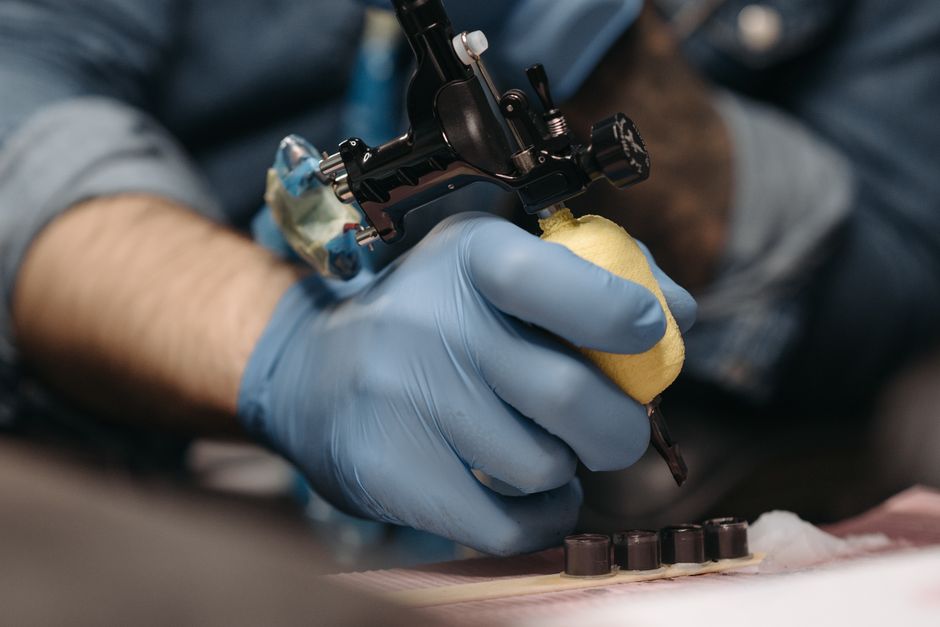
- Complexity: A simple outline of a heart is not the same as a four-inch botanical piece with delicate stippling and shading. Develop a clear sense of what constitutes a "simple," "detailed," or "complex" design and price accordingly. Your portfolio should visually justify these tiers.
- Placement: Some body parts are simply more difficult to tattoo. The skin on the ribs, sternum, feet, hands, and neck requires more time, a greater stretch, and more precision. It’s standard practice to add a placement surcharge of 15-25% for these areas. Be transparent about this on your pricing guide or during the consultation.
- Custom Design: Your time spent drawing is valuable. For custom work, either build the design fee into the final tattoo price or charge a separate, non-refundable drawing fee. This ensures you’re compensated for your creative labor, even if the client decides not to get the tattoo.
Communicate Your Value with Minimums and Deposits
Professional policies protect your business and elevate your brand. Two policies that are absolutely non-negotiable are the shop minimum and the deposit.
Your shop minimum is the lowest price for any tattoo, no matter how small. A single dot takes the same amount of setup and sterile breakdown as a larger piece. It uses a needle, ink, gloves, and your time. A minimum of $100-$150 is standard and communicates that you are a serious professional providing a specialized, sterile service.
A non-refundable deposit is your best tool against no-shows. It secures the client’s appointment time that you can no longer offer to anyone else. It also covers your initial design work. Using a system that automates deposit collection during online booking makes this process seamless and professional, removing any awkward back-and-forth.
Ultimately, pricing your art is a reflection of your confidence in your skill, your business acumen, and your respect for your own craft. Stop thinking of it as a difficult conversation and start seeing it as a clear communication of your value. You’ve invested countless hours in honing your skills—your pricing should honor that investment. Be clear, be consistent, and be confident. The right clients will not only understand; they will respect you for it.
FAQ
Q: How often should I re-evaluate my pricing?
A: I recommend a formal price review at least once a year. You should also consider adjusting your rates anytime you make a significant investment in your business, such as completing an advanced training course, upgrading to premium equipment, or when your demand consistently exceeds your availability.
Q: What’s the best way to handle clients who say my price is too high?
A: Stay calm, confident, and professional. You can say something like, "I understand. My prices reflect the custom nature of my work, the high-quality, sterile materials I use, and my years of experience to ensure you get a beautiful, lasting piece of art." Don't apologize or negotiate. The clients who value your artistry will pay your rates.
Q: Should I offer discounts or special deals on my tattoos?
A: I would advise against random discounting, as it can devalue your brand over time. Instead of a "20% off" sale, consider offering value-driven events. A "Flash Day" with a set of pre-drawn designs at a fixed, appealing price can bring in new clients without cheapening your custom work. You could also offer a small credit to repeat clients as a loyalty reward.
Take tattoo bookings online, free.
REZVA helps specialists manage bookings, cut no-shows, and grow their business. Free to start, no booking fees.