Ink, Flow, and Focus: How a Booked-Out Blackwork Artist Manages Their Day
A look at the systems and strategies top blackwork specialists use to manage a packed schedule without sacrificing their art or their well-being.
4 min read
We’ve all been there. You look at your schedule for the day, and it’s a beautiful, terrifying sight: a solid wall of back-to-back appointments. In my world, it might be a full-head balayage followed by three root melts. For a blackwork tattoo specialist, it’s a six-hour tribal piece, a four-hour floral sleeve, and a consultation squeezed in between. That feeling—a mix of pride in being in-demand and a jolt of “how will I get through this?”—is universal in our industry.
Being fully booked is the goal, but it comes with its own set of challenges. How do you maintain peak physical condition, creative energy, and impeccable client service from the first appointment to the last? I recently had a fascinating conversation with a highly sought-after blackwork artist, and it struck me how many of their daily strategies for survival and success mirror our own, just with different tools. Let’s break down the anatomy of a marathon day and the systems that make it not just manageable, but profitable and fulfilling.
The Morning Ritual: Prepping Mind, Body, and Station
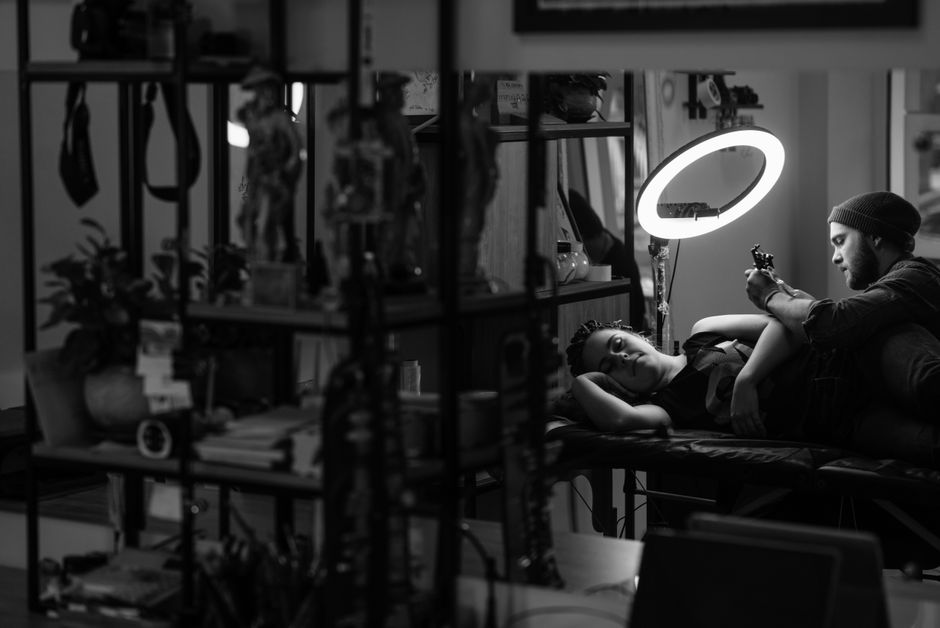
The day doesn’t start when the first client walks in. It starts an hour earlier, in the quiet of the studio. For a tattoo artist, this isn't just about turning on the lights; it’s a meticulous, ritualistic setup that dictates the flow of the entire day. Think of it like a surgeon preparing their operating theater.
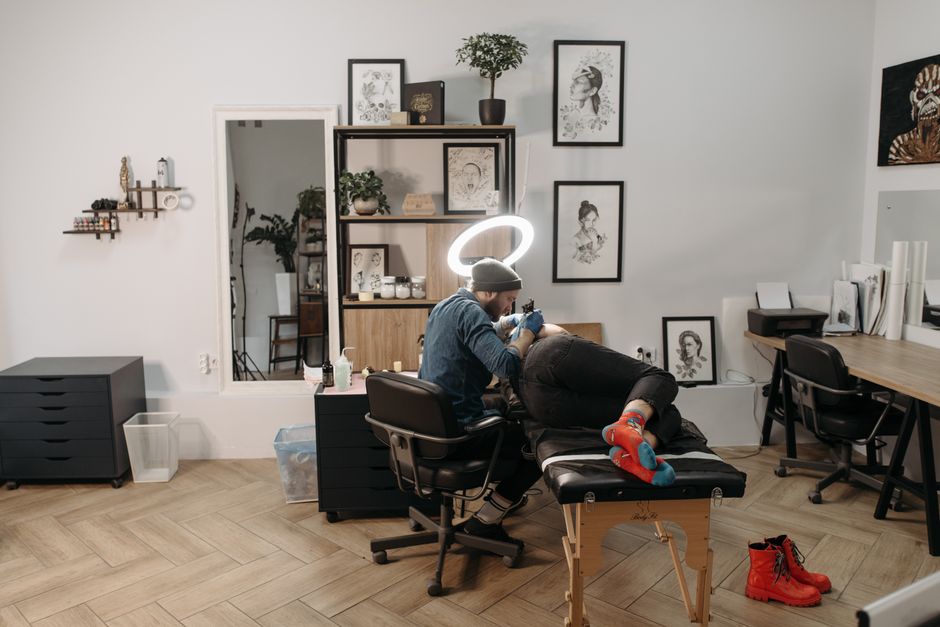
First, the physical. Hours spent hunched over, holding a machine that vibrates, and stretching skin takes a massive toll. My tattooist colleague swears by a 15-minute routine of targeted stretches for their hands, wrists, shoulders, and lower back. This isn't just about comfort; it's about career longevity. We do it in the salon, too—stretching our arms and backs after a long foiling session. Ignoring ergonomics is one of the fastest ways to burn out, physically.
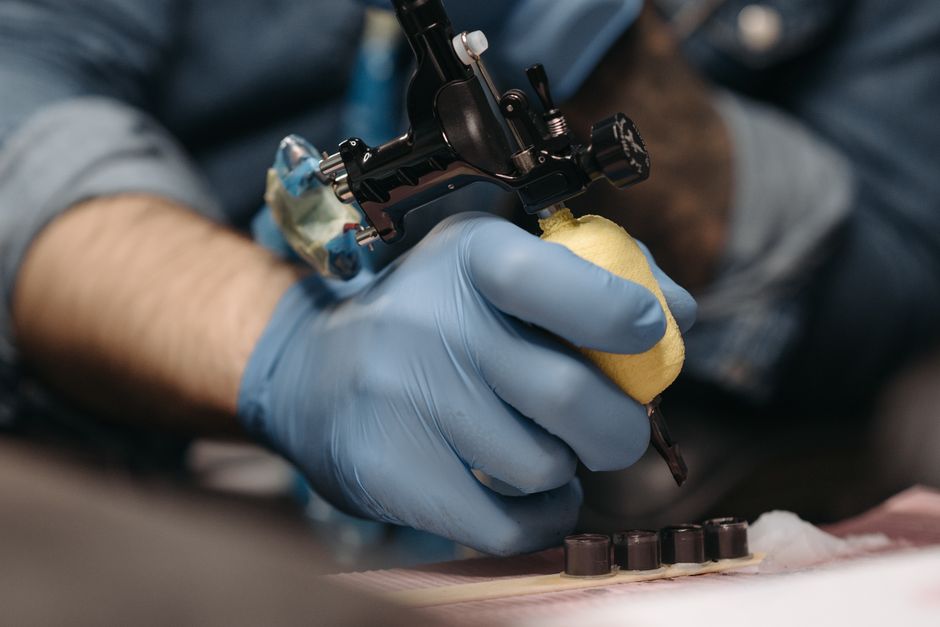
Next comes the station prep. This is a masterclass in efficiency. Everything is laid out in the order it will be used:
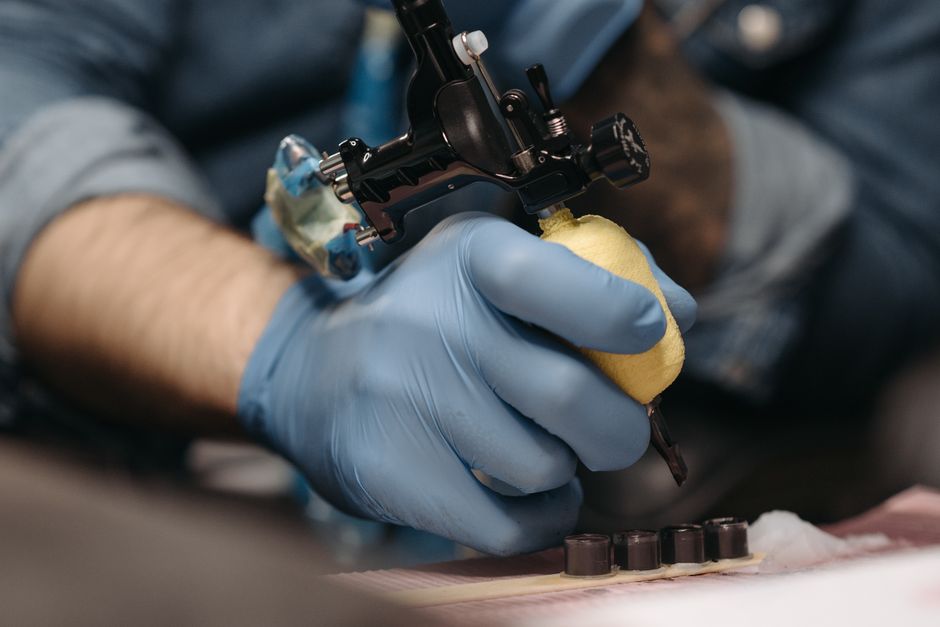
- Sanitation: The entire area is disinfected. Barriers are applied to the chair, armrest, power supply, and tattoo machine. Clip cord sleeves, bottle bags—nothing is left to chance. - Tool Assembly: Needles (perhaps a 7 Round Liner for outlines and a 15 Curved Mag for shading) are laid out. Ink caps are filled with their signature dense black ink. The machine is assembled and tested. - Client Comfort: The design is printed, the stencil solution is ready, and the client's area is prepared.
This level of preparation means that once the client is in the chair, 100% of the focus is on them and the art. There’s no fumbling for supplies or breaking the creative flow. It’s a lesson for all of us: a well-organized workspace isn’t just about looking professional; it’s a cornerstone of time management.
The Mid-Day Marathon: Managing Client Flow and Energy Levels
Once the first tattoo machine starts buzzing, the marathon is on. A six-hour session requires intense focus. The artist isn’t just tracing lines; they’re managing skin elasticity, ink saturation, and the client’s pain and comfort levels. A short, structured break every 90 minutes is non-negotiable—for both artist and client to stretch, hydrate, and mentally reset.
This is where seamless business systems are so critical. The last thing an artist needs mid-session is a DM on social media asking about booking. This is where having a robust system comes in. When your schedule, deposits, and client communication are automated through a platform like REZVA, you eliminate that mental clutter and can stay completely present with the person in your chair.
Managing energy is also about nutrition. You can't run on coffee alone. My colleague keeps a stash of protein bars, nuts, and electrolyte drinks to refuel during those short breaks. It’s the same reason I tell my stylists to always schedule a real lunch break, even on the busiest Saturday. Your body is your most important tool, and you have to maintain it.
For consultations squeezed between large pieces, efficiency is key. The artist has a clear process: review the client’s reference images, discuss placement and size, give a clear time and cost estimate, and direct them to the online booking portal to secure their spot. The goal is to provide value and clarity in a short window, not to have a meandering conversation that throws the whole day off schedule.
The Creative Core: Protecting Your Artistic Vision Under Pressure
How do you give your final client of the day the same creative passion you gave your first? This is the ultimate challenge of being a booked-out creative professional. Burnout isn't just physical; it's artistic.
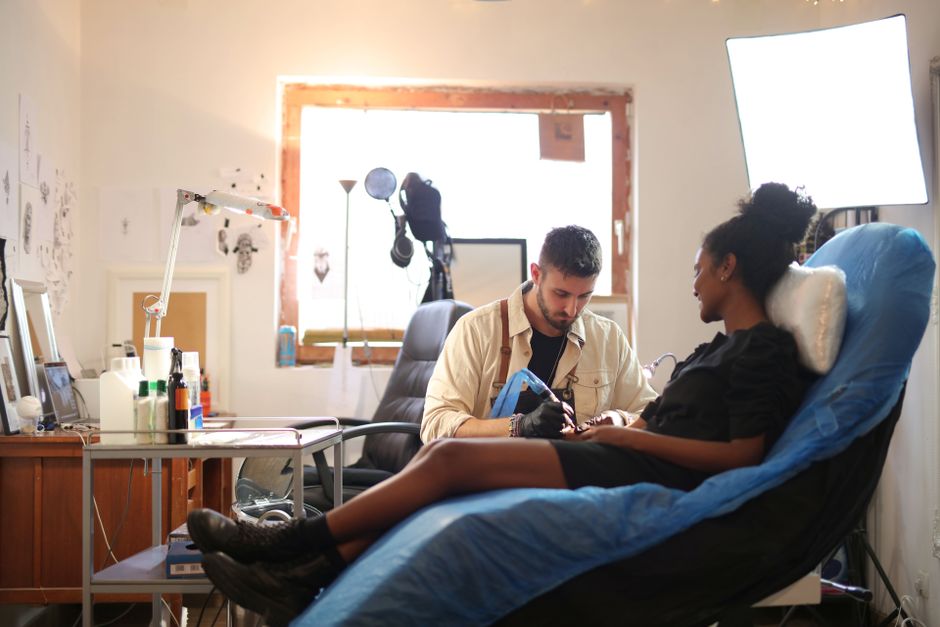
One strategy is to specialize. The artist I spoke with focuses exclusively on large-scale ornamental and tribal blackwork. By niching down, she attracts clients who already want her specific style. This drastically reduces the need to "sell" her vision or compromise on designs that don't inspire her. It’s a powerful lesson: being known for one thing you do exceptionally well is often more sustainable than being a jack-of-all-trades.
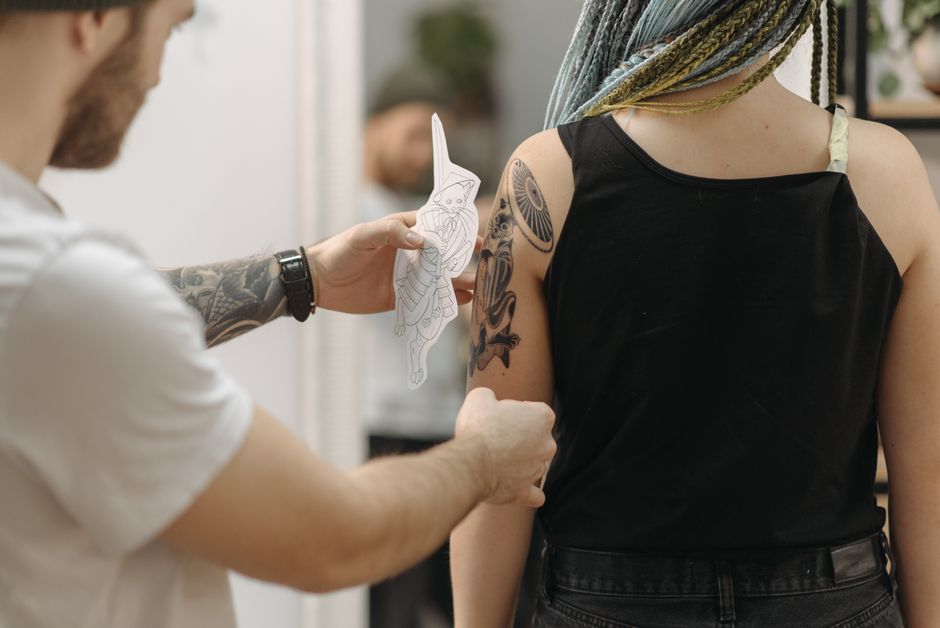
Another key is collaborative design. The final design isn't created on the spot. It's developed over a series of email exchanges or a dedicated consultation before the appointment. The day of the tattoo is for execution. The stencil application is a critical moment—the artist places it, checks for flow with the body’s musculature, and gets final client approval. This process ensures there are no surprises and protects the artist’s time and energy.
Finally, it’s about mindset. Each piece is a new canvas. Even if the theme is similar, the client’s body and story are unique. Finding that unique element in every project helps keep the work fresh and engaging, even at 7 PM on a Friday.
The Wrap-Up: Systemizing Your Shutdown for a Better Tomorrow
The client’s day ends when the tattoo is wrapped, but the artist’s day isn’t over. A disciplined closing routine is what separates the pros from the people who are perpetually playing catch-up.
First, the client. Clear, concise aftercare instructions are provided, both verbally and in writing. This minimizes follow-up questions and ensures the art is well-cared for, protecting the artist's reputation.
Next, the station breakdown. It’s the morning ritual in reverse, with an intense focus on safety and sanitation. Sharps are disposed of properly. All single-use items are discarded. The station is thoroughly disinfected, leaving it pristine for the next day. Leaving a mess for "tomorrow you" is a recipe for stress.
Finally, the business admin. Before leaving, the artist takes 15 minutes to:
- Document the work: Take high-quality photos and videos of the finished piece for their portfolio and social media.
- Update client notes: Any important details about the session are logged. - Review tomorrow’s schedule: A quick glance at the next day’s appointments to mentally prepare.
This end-of-day process creates a clean break. It allows the artist to walk out the door with a clear mind, knowing that everything is handled and they can start the next day fresh, not frazzled.
Being fully booked is a privilege, but it requires more than just talent. It demands discipline, structure, and an unwavering commitment to protecting your most valuable assets: your body, your time, and your creative fire. By building robust systems for every part of the day, from the first stretch in the morning to the final wipe-down at night, you can sustain a thriving career and continue to create the art that your clients—and you—love.
Frequently Asked Questions
Q1: How do you handle creative burnout when your schedule is packed for months?
A: Proactively schedule creative "play" days into your calendar just as you would a client. This is non-negotiable time to work on personal projects, draw flash that isn't for a client, or collaborate with another artist. It refuels your creative tank and prevents your passion from feeling like just a job.
Q2: What's the most overlooked aspect of ergonomics for a tattoo artist?
A: Lighting. Many artists focus on their chair and posture but neglect their lighting setup. Poor or direct lighting causes you to hunch and strain your eyes and neck to avoid casting shadows on your work. Investing in high-quality, adjustable, diffuse lighting can dramatically reduce physical strain over a long session.
Q3: What's one business practice that helps manage a long waitlist without frustrating potential clients?
A: Maintain an active, high-quality social media portfolio and a clear "books open/closed" policy in your bio. Regularly post healed work and flash designs. This keeps potential clients engaged and excited while they wait. When you announce that your books are opening for a specific period (e.g., "Booking for July-September will open on June 1st"), it creates a fair and organized system that manages expectations.
This article was produced with AI assistance and reviewed by REZVA.
- tattoo artist business tips
- clientele management strategies
- blackwork tattoo techniques
- preventing artist burnout
- salon operational efficiency
- ergonomics for beauty professionals
- managing a full appointment book
Take bookings for tattoo online.
Clients book themselves from your profile and a deposit covers the no-shows. Free to start, no card. Founding members get Pro free for 12 months, then their price is locked.
98
spots left of 100
12
months of Pro, free
0%
commission on bookings