The Art of the Pierce: A Strategic Guide to Pricing Your Ear Piercing Services
Unlock profitability with our expert guide to pricing your ear piercing services. Learn to value your skill, cover costs, and attract your ideal clients.
4 min read

Hello, fellow artists and entrepreneurs! Alex Morgan here. In my years as an esthetician and wellness advocate, I've seen countless trends come and go. But one that has firmly planted itself as a sophisticated, high-demand service is the art of ear piercing—specifically, the curated ear. Clients are no longer just getting a single lobe piercing; they're seeking a styled, multi-piercing look that expresses their personality. This is fantastic news for our industry, but it also brings up a critical business question: How do you price this highly skilled service for profitability and sustainability?
Pricing can feel like a tightrope walk. Price too low, and you devalue your expertise and leave money on the table. Price too high, and you might alienate your target market. As a fellow professional, I know the struggle is real. So, let's break down how to create a pricing structure for your ear piercing services that honors your skill, covers your costs, and builds a thriving business.
Beyond the Needle: Factoring in All Your Costs
Before you can even think about profit, you must have an iron-clad understanding of your costs. Many independent artists make the mistake of only considering the price of the needle and the jewelry. That’s a fast track to burnout. A professional pricing strategy accounts for every single expense, both visible and invisible.
Hard Costs (The Tangibles)
These are the direct, per-client expenses you incur. Don't estimate—calculate them precisely:
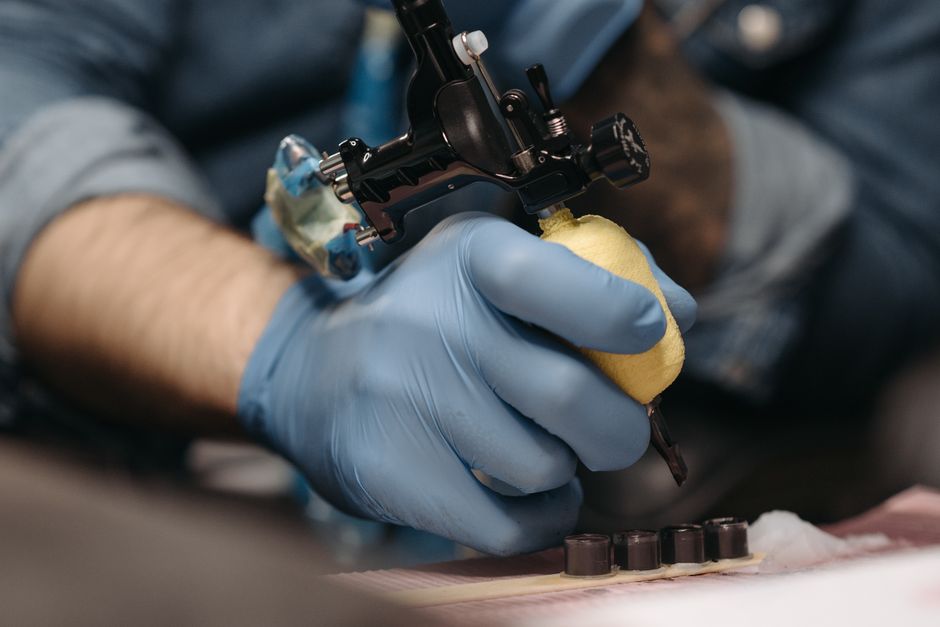
- Needles & Tools: Are you using high-quality, single-use, hollow piercing needles? These are the industry standard for safety and precision and cost significantly more than piercing guns (which we should all agree have no place in a professional setting).
- Jewelry: This is your biggest variable. You should only be using implant-grade materials like ASTM F-136 titanium, niobium, or 14k/18k solid gold. Your initial investment in a diverse, high-quality jewelry inventory is substantial. You need to track the wholesale cost of every single stud, hoop, and decorative end.
- Sterilization & Sanitation: The cost of running an autoclave, sterilization pouches, indicator strips, surface disinfectants, PPE (gloves, masks), skin prep solutions, and disposable marking tools all add up. Your commitment to aseptic technique comes with a price tag.
- Aftercare: Do you provide a sterile saline spray with the service? Factor that cost into your pricing model.
Soft Costs (The Overhead)
These are the ongoing expenses of running your business. Divide your total monthly overhead by the number of clients you can realistically see in a month to get a "cost per client" for your overhead.
- Rent & Utilities: The cost of your chair, suite, or studio space.
- Insurance: Professional liability insurance is non-negotiable for piercers and is a significant annual expense.
- Licensing & Education: Your initial training, annual Bloodborne Pathogens certification, and any advanced courses (like those from the Association of Professional Piercers) are investments in your skill.
- Business Tools: Don't forget the cost of your booking and business management software. A professional platform like REZVA not only streamlines your schedule but also helps manage client records and project a polished brand image. Professionals can find out more and get started on REZVA's page for specialists.
- Your Time: This is your most valuable asset. Your price must reflect the time spent on consultation, jewelry styling, meticulous setup, the piercing procedure itself, client education, and cleanup.
The Service Fee vs. Jewelry Model: Which is Right for You?
Once you understand your costs, you need to decide how you'll present your pricing to clients. In the professional piercing world, there are two primary models.
The outdated model is an all-inclusive price (e.g., "$50 for a helix piercing with basic jewelry"). I strongly advise against this. It lumps your service and product together, devaluing both. It limits client choice and makes upselling to premium jewelry confusing.
The industry-standard, professional model is Service Fee + Cost of Jewelry. Here’s why it works:
- Transparency: The client knows exactly what they are paying for—your time, skill, and sterile setup (the service fee) and the beautiful piece of body art they'll wear (the jewelry).
- Highlights Your Expertise: It properly frames the piercing itself as a skilled, technical procedure performed by a trained professional, not just an add-on to a jewelry purchase.
- Encourages Investment: When jewelry is priced separately, clients are more likely to appreciate its value and invest in a higher-quality piece they truly love. It opens the door for you to showcase a wide range of styles and price points.
Your service fee for a lobe piercing might be $35, while a more complex cartilage piercing like a daith or conch could be $50. Then, the client chooses their jewelry, which could range from a $40 implant-grade titanium piece to a $250 solid gold and diamond end. The total cost is the sum of both. This model is more professional, profitable, and better for the client experience.
Setting Your Price: Market Research and Value Proposition
With your costs calculated and your pricing model chosen, it’s time to set your numbers. This requires a balance of looking outward at the market and inward at your unique brand.
Step 1: Conduct Market Research (Intelligently)
Look up other reputable piercing studios and independent artists in your area. Do not just look at their prices and try to be the cheapest. That's a race to the bottom. Instead, analyze what they offer for their price. Are they using high-quality materials? What does their studio environment look like? What is their level of experience? You want to position yourself competitively, not cheaply. Understand the local ceiling and floor for pricing.
Step 2: Define Your Unique Value Proposition (UVP)
Why should a client choose you? This is where you justify a premium price point. Your UVP is a combination of factors:
- Specialized Training: Have you taken advanced courses in ear anatomy or styling? Mention it.
- Curated Jewelry Selection: Do you carry exclusive, high-end jewelry brands that others don't? This is a massive draw.
- The Client Experience: Do you offer an in-depth, one-on-one styling consultation? Is your space private, calming, and impeccably clean? A luxury experience commands a luxury price.
- Your Aesthetic Eye: Clients are paying for your ability to "curate" their ear. This artistic skill has immense value.
Your pricing should be a confident reflection of your UVP. If you offer a premium, highly skilled service, your prices must align with that standard.
Conclusion: Price with Confidence
Pricing your ear piercing work is far more than just picking a number. It's a strategic business decision that communicates your value, covers your significant costs, and ensures the long-term health of your business. By thoroughly calculating your expenses, adopting a professional service-plus-jewelry model, and confidently communicating your unique value, you can build a pricing structure that attracts your ideal clients and fairly compensates you for your incredible skill and artistry.
Remember, you are a trained professional performing a technical procedure. Price yourself accordingly. Your confidence in your value will instill confidence in your clients.
Frequently Asked Questions
Should I offer discounts for multiple piercings in one session?
Yes, this is a common and smart practice. However, structure it to protect your profit. The standard approach is to charge the full service fee for the most complex/expensive piercing, and then offer a reduced service fee (e.g., 50% off) for each additional piercing performed in the same session. The cost of all jewelry is always charged at its full retail price.
How do I handle clients who want to bring their own jewelry?
For safety and liability, the professional standard is to have a firm policy against this. You cannot verify the material, quality, or surface finish of outside jewelry, nor can you be certain of its sterility. Politely explain that you only pierce with new, internally threaded or threadless, implant-grade jewelry from your trusted suppliers that has been processed through your own autoclave to guarantee your client's safety.
How often should I review and potentially raise my prices?
You should review your pricing structure at least once a year. You should also re-evaluate it any time your major costs increase significantly, such as a rent hike, a substantial price increase from your jewelry suppliers, or a rise in the cost of sterilization supplies. Don't be afraid to adjust your prices to reflect your growing experience and the rising costs of doing business.
Prices are shown in US dollars, converted from euros at the European Central Bank reference rate of 16.10.2026 and rounded.
This article was produced with AI assistance and reviewed by REZVA.
- ear piercing business
- beauty service pricing
- independent artist guide
- salon profit strategy
- jewelry cost management
- client consultation tips
- professional piercer advice
Take bookings for piercing online.
Clients book themselves from your profile and a deposit covers the no-shows. Free to start, no card. Founding members get Pro free for 12 months, then their price is locked.
98
spots left of 100
12
months of Pro, free
0%
commission on bookings