Your Pre-Tattoo Blueprint: 7 Consultation Questions for Flawless Fine Line Work
Master your fine line tattoo consultations. These 7 essential questions protect you, manage client expectations, and ensure flawless results every time.
5 min read
We’ve all been there. You’re mid-session, the hum of the machine is the only sound in the room, and you’re deep in the zone, pulling a perfect, delicate line. Then you hear it. That quiet, hesitant voice from the chair: “Actually… can we move it a little to the left?”
My heart sinks just thinking about it. In the world of fine line tattoos, where precision is everything, a moment of miscommunication before the needle ever touches skin can be the difference between a masterpiece for your portfolio and a stressful, unprofitable appointment that ends with an unhappy client.
After years of honing my craft—not just with color and shears in my salon, but by observing and collaborating with the best artists in every beauty discipline—I’ve learned that the most important tool isn’t the needle or the ink. It’s the consultation. It’s our shield, our roadmap, and our contract of trust with the client. It’s where we transition from technician to trusted expert.
Forget the quick, “So, what are we doing today?” A robust consultation protects your business, solidifies your reputation, and ensures the art you create is something both you and your client will be proud of for years to come. Here are the seven non-negotiable questions I believe every artist should ask before starting any fine line tattoo.
1. "Can you show me at least three reference photos of tattoos you love, and tell me specifically what you love about each one?"
This is your diagnostic tool. A client saying they want a “small, delicate floral tattoo” can mean a thousand different things. One person’s “delicate” is another’s “bold.” Asking for multiple references and, more importantly, asking them to articulate what they like, helps you decode their internal aesthetic language.

Listen for key phrases:
- "I love the placement here." This tells you they’re focused on how the art flows with the body.
- "The lines are so thin and crisp." This means line weight and precision are their top priorities.
- "It feels so personal and unique." This client values custom design over copying a trend.
Pay attention to inconsistencies. If they show you a wispy botanical, a bold traditional piece, and a geometric pattern, your job is to play detective. Gently guide the conversation to find the common thread. This question isn't just about the design; it's about understanding their vision so you can execute it flawlessly.
2. "What is your daily lifestyle and career? Where do you see this tattoo in 5, 10, or 20 years?"
A tattoo is a permanent accessory, and we have a responsibility to help our clients make smart, long-term decisions. This question addresses the practical side of placement and longevity.
Consider these factors:
- Sun Exposure: A client who works outdoors or loves tanning needs to understand that a tattoo on their forearm will fade faster than one on their ribcage. This opens the door to an important conversation about SPF and long-term care.
- Friction and Aging: Fine line tattoos on hands, fingers, feet, and inner elbows are notoriously difficult to heal and keep crisp. It's our job to educate them on the reality of how these placements age. Setting realistic expectations now prevents disappointment later.
- Professional Visibility: While societal norms are changing, some careers still have conservative views on visible tattoos. Gently asking about their profession shows you’re considering their whole life, not just the hour they’re in your chair.
This conversation builds incredible trust. You’re not just an artist; you're a consultant helping them make a lifelong investment.
3. "Have you had any tattoos before? If so, how did your skin heal?"
Every client’s skin is a unique canvas. Their history with tattoos provides a crucial preview of how their body might react to your work. A "yes" to this question should trigger a series of follow-ups:
- Did you experience any ink rejection or fallout?
- Was there any excessive scabbing or scarring (like keloids)?
- Did you have any allergic reactions to the ink, ointment, or saniderm?
This information directly impacts your technical approach. You might choose a different needle configuration (a tight 3RL versus a single needle), adjust your machine’s voltage, or recommend a specific aftercare regimen based on their past experiences. For a first-time client, you’ll need to be extra thorough in explaining the healing process from scratch.
4. "Do you have any medical conditions, allergies, or are you taking medications that could affect the process?"
This is the most critical question for safety and liability. It is absolutely non-negotiable. Your intake form should have a detailed medical history section, but you must verbally confirm it during the consultation.
Key things to screen for include:
- Allergies: Specifically to latex (for your gloves), adhesives (for stencils and bandages), and metals like nickel (which can be found in some pigments).
- Medications: Blood thinners, Accutane, and certain antibiotics can severely impact the tattooing and healing process.
- Skin Conditions: Eczema, psoriasis, or active acne in the target area can be contraindications.
- Medical Conditions: Diabetes, autoimmune disorders, or conditions that compromise the immune system can affect healing.
I can't stress this enough: document everything. A platform like REZVA gives you a booking page that is open around the clock, so clients see your services and free times and book without messaging you. It’s professional, efficient, and creates an essential paper trail to protect your business.
5. "What is your budget, and are you familiar with my pricing and touch-up policy?"
The money conversation should never be a surprise at the end. Be transparent and confident in your pricing. Clearly explain your hourly rate or your price-per-piece structure. Most importantly, explain the value behind the price—your expertise, the high-quality single-use equipment, the premium inks, and the sterile environment.
This is also the time to clearly define your touch-up policy. For fine line work, a touch-up is often necessary as the skin settles. Is the first one complimentary within a certain timeframe (e.g., 3-6 months)? What is the rate for touch-ups after that? Putting this in writing on your waiver or service agreement prevents future misunderstandings.
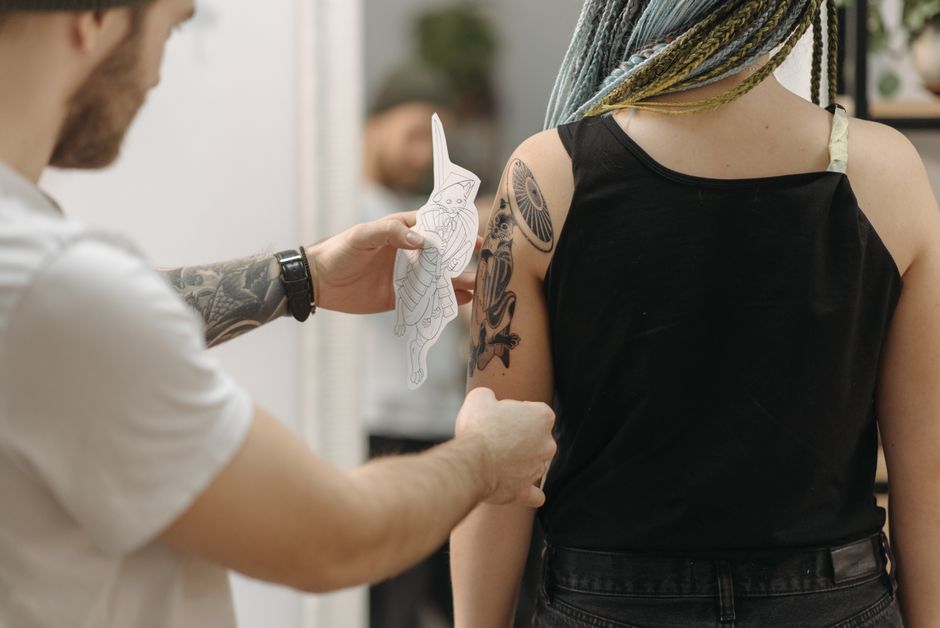
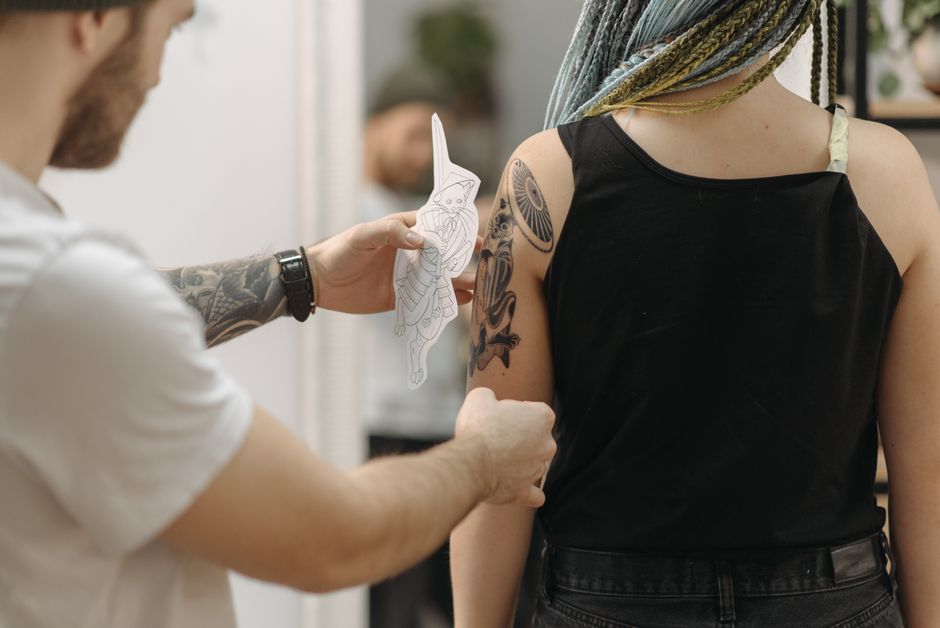
6. "How do you feel about this final stencil placement? Take your time, look in the mirror, and move around."
The stencil is your final blueprint. Once it's approved, there’s no going back. I’ve seen artists rush this step because they’re running behind, and it’s a recipe for disaster. After applying the stencil, hand the client a mirror and then give them space.
Encourage them to:
- View it from multiple angles.
- Stand up, sit down, and move the body part to see how it shifts.
- Take a photo or video to see it from an outside perspective.
Verbally confirm their approval: "Are you 100% happy with this exact size and placement?" Their "yes" is your green light. I always take a quick photo of the final, approved stencil on their skin for my own records. It’s a simple step that can save you a world of trouble.
7. "Are you prepared for the aftercare commitment? Can we review the process together?"
Your beautiful, precise linework can be completely undone by poor aftercare. The tattoo is your art, but once the client leaves, its integrity is in their hands. Don’t just hand them a sheet of instructions and send them on their way.
Walk them through the process step-by-step:
- How and when to remove the initial bandage (e.g., Saniderm vs. traditional wrap).
- What kind of soap to use (unscented, gentle).
- Which ointment you recommend and how sparingly to apply it.
- What to avoid (sun, soaking, picking at scabs).
This final conversation reinforces your role as an expert and shows you care about the long-term outcome of your work. It's the final step in delivering a premium, professional service from start to finish.
The Foundation of Your Art
Think of these questions as the foundational sketch beneath a masterpiece. Without them, the final piece is at risk of being unstable, misaligned, or simply not what was intended. A thorough consultation process doesn't just lead to better tattoos; it leads to a better business. It builds a clientele that trusts your expertise, respects your process, and returns time and time again—not just for your art, but for the professional, confidence-inspiring experience you provide.
FAQ
What's the biggest red flag during a fine line tattoo consultation?
For me, the biggest red flag is a client who is extremely indecisive, seems to be in a rush, or dismisses your professional advice about placement or design limitations. If they can't confidently commit to a design or placement before the needle is involved, they are not ready for a permanent piece of art. It’s always better to suggest they take more time to think than to push forward with an uncertain client. Trust your gut.
How should I handle a client who wants a design I'm not comfortable with, either technically or ethically?
Politely, professionally, and firmly decline. Your portfolio is your brand, and you have the right to curate it. You can say something like, "Thank you so much for trusting me with this idea. However, this particular style isn't my area of specialty, and I'm committed to ensuring you get the absolute best result. I'd be happy to recommend another artist who excels at this type of work." This protects your artistic integrity while still being helpful to the client.
Should I charge for consultations?
This is a personal business decision. Many successful artists do not charge for the initial chat but require a non-refundable deposit to book the actual tattoo appointment. This deposit goes toward the final cost of the tattoo but is forfeited if the client cancels or no-shows. This strategy effectively compensates you for your consultation and design time while weeding out clients who aren't serious about booking.
This article was produced with AI assistance and reviewed by REZVA.
- fine line tattoo artist tips
- client consultation best practices
- tattoo business management
- managing client expectations
- permanent makeup business
- tattoo consultation questions
- salon liability and waivers
Take bookings for tattoo online.
Clients book themselves from your profile and a deposit covers the no-shows. Free to start, no card. Founding members get Pro free for 12 months, then their price is locked.
98
spots left of 100
12
months of Pro, free
0%
commission on bookings