Thinking About Offering Cartilage Piercing? Let's Crunch the Numbers.
Is adding cartilage piercing a smart business move? We break down the real startup costs, profit margins, and long-term value for your studio.
4 min read
Countless trends have come and gone in the beauty industry. From contouring to microblading, professionals are always on the lookout for that next service that will not only excite their clients but also make a real impact on their bottom line. Lately, the buzz is all about the "curated ear": delicate, artfully placed cartilage piercings.
It’s tempting. You see the gorgeous setups on Instagram and think, "I could do that." It seems like a quick, high-ticket service. But the reality is always more complex. Is adding cartilage piercing to your menu a savvy business move or a costly distraction? Let's get real and break down the actual profitability.
The Upfront Investment: More Than Just Needles and Jewelry
Before you even think about profit, you have to face the startup costs. And this is not a service you can add on the cheap. Doing it right (and safely) requires a significant initial investment that goes far beyond a box of needles.
First and foremost is professional training and certification. This isn’t a weekend online course. You need comprehensive, hands-on training that covers anatomy, aseptic technique, and bloodborne pathogen (BBP) certification. Look for reputable programs, and consider shadowing an experienced piercer. The standards set by organizations like the Association of Professional Piercers (APP) are the benchmark for safety and quality, even if you don't pursue full membership right away.
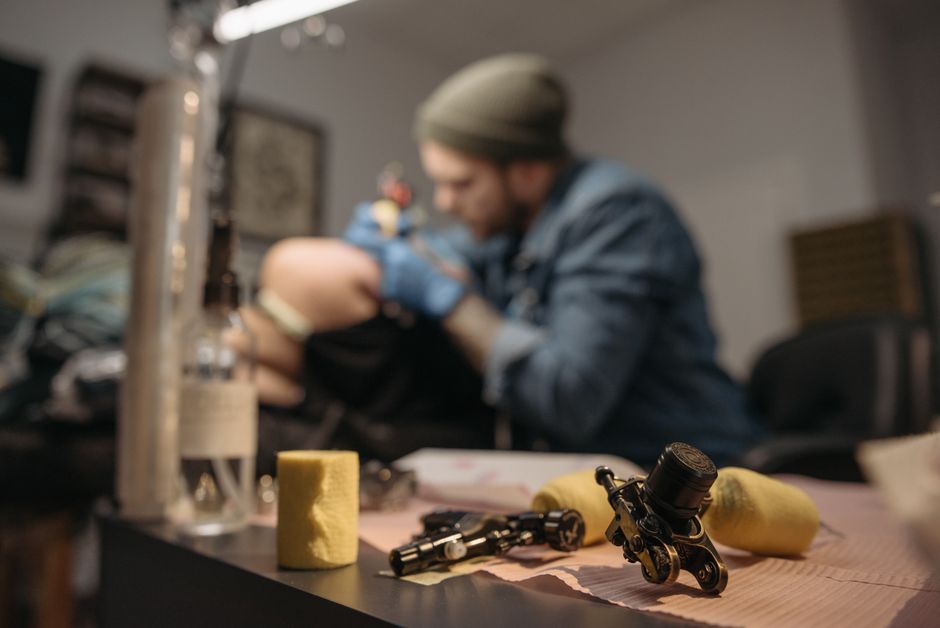
Next comes the equipment. The absolute non-negotiable centerpiece of your setup is a steam autoclave. This is your biggest expense, often running from $1,500 to $4,000, but it's the only way to properly sterilize your jewelry and tools. You'll also need:
- High-quality, single-use piercing needles (never, ever a piercing gun for cartilage)
- A curated inventory of implant-grade, internally threaded or threadless jewelry (titanium, niobium, 14k/18k solid gold)
- Statim sterilizers for quick cycles, if your volume supports it
- Calipers, tapers, and other insertion tools
- A dedicated, private, and easily sanitizable piercing room or area that meets health department codes
Your initial jewelry inventory alone can cost several thousand. You can't just buy a few cheap studs. Clients expect choice, and you need a solid starting collection from trusted professional suppliers. All in, you could be looking at a $5,000 to $10,000+ investment before you perform your first piercing.
Pricing Your Piercing Services for True Profitability
Once you’re set up, how do you price this service? The model is completely different from a facial or makeup application. The key is to separate the service fee from the cost of the jewelry. This is where your profit is really made.
The Service Fee: This fee covers your time, expertise, and disposables (needles, gloves, sanitation supplies). A typical service fee for a single cartilage piercing might range from $35 to $60, depending on your market and the complexity of the placement (a helix is simpler than a daith, for example). This fee ensures your overhead and time are covered, regardless of which piece of jewelry the client chooses.
The Jewelry Markup: This is your primary profit driver. You’ll purchase jewelry wholesale and sell it at a retail price. A standard markup is typically 2x to 4x the wholesale cost. For example:
- A basic implant-grade titanium ball end stud might cost you $10.13 wholesale. You could sell it for $28.13.
- A decorative 14k gold piece with a small gemstone might cost you $50 wholesale. You could sell it for $150.
So, a client getting a helix piercing with a basic stud might pay: $39.39 (service fee) + $28.13 (jewelry) = $67.52 total. Your profit on that service, after accounting for the jewelry cost and disposables, would be around $52.89.
The Time Factor: Calculating Your Hourly Rate
One of the attractions of piercing is the quick turnaround. A single piercing appointment, from consultation and jewelry selection to piercing and aftercare instructions, can take as little as 20-30 minutes. This is a much faster service than a 90-minute facial or a 2-hour lash extension fill.
However, you must factor in the "hidden" time. After every client, you have to completely break down and sanitize your station. More importantly, you have to run your tools through the autoclave. A typical autoclave cycle can take 30 to 60 minutes. This means you can't just book clients back-to-back-to-back unless you have multiple sets of tools or a faster Statim sterilizer. When you're building out your schedule in a platform like REZVA, be sure to automatically block out this crucial sterilization time after each piercing appointment to avoid bottlenecks and maintain safety standards.
The Hidden Revenue Stream: Jewelry Sales and Client Loyalty
Here’s the secret that successful piercing studios understand: the initial piercing is just the beginning of the client relationship. The long-term profitability isn't just in the piercing fee; it's in becoming their trusted source for high-quality body jewelry.
Think about these revenue touchpoints:
- The Downsize Appointment: Most cartilage piercings require a follow-up visit 4-8 weeks later to install a shorter post once the initial swelling has gone down. This is a quick, paid service (e.g., a $10-15 fee) and another opportunity to connect with your client and show them new jewelry they might want once they're fully healed.
- Jewelry Upgrades: Once a piercing is healed (which can take 6-12 months), clients will want to change their initial basic stud to something more decorative. This is a pure retail sale with a high profit margin.
- Building a Collection: A client who gets one helix piercing and has a great experience is very likely to come back for a second, a third, and more to build their "curated ear." You become their go-to artist.
- Aftercare Sales: Selling sterile saline wound wash is a simple, effective add-on to every single piercing service. It’s a low-cost item with a decent margin that also ensures your clients are using the correct product for healing.
This long-term relationship transforms a one-time service into a recurring revenue stream, dramatically increasing the lifetime value of each client.
Is It the Right Fit for Your Brand and Clientele?
Finally, you have to ask yourself the big question: does this service actually fit your business? The financial breakdown might look good, but brand alignment is everything.
If you run a serene, quiet spa focused on relaxing facials and massage, the clinical nature of a piercing service might clash with your atmosphere. If you're a makeup artist in a chic, modern studio, it could be a perfect fit. Consider your existing clientele. Are they the demographic that would be interested in this service, or would you need to invest heavily in marketing to attract a new audience?
Don't forget the legal and insurance side. Piercing carries a higher risk than many other beauty services. You will need to upgrade your liability insurance to include specific coverage for body piercing, which can be a significant annual expense. Check your local and state regulations—licensing and health department inspections are rigorous and mandatory.
Ultimately, adding cartilage piercing is a serious business decision. It's not a trend to jump on lightly. But for the right professional who is passionate about the craft, dedicated to safety, and willing to make the initial investment, it can be an incredibly rewarding and profitable specialty that builds a fiercely loyal client base.
Frequently Asked Questions
Can I just use a piercing gun for cartilage to save on costs?
Absolutely not. This is the most important rule. Piercing guns cause blunt force trauma to cartilage, which can shatter it and lead to severe healing complications, scarring, and infection. They also cannot be properly sterilized in an autoclave and use low-quality, ill-fitting jewelry. Professional piercers exclusively use sterile, single-use needles for a clean, precise, and much safer procedure.
What's the biggest hidden cost that new piercers often forget?
Besides the initial cost of the autoclave itself, many forget about the ongoing maintenance and compliance costs. This includes regular spore testing (often weekly or monthly) to verify your autoclave is working correctly, maintenance kits, and the higher premiums for specialized liability insurance. These recurring costs need to be factored into your pricing and annual budget.
How do I start building a jewelry inventory without breaking the bank?
Start small and curated. Don't try to offer everything at once. Partner with one or two reputable, professional-only wholesale suppliers (like Anatometal, Neometal, or BVLA) and begin with a solid collection of their most popular, basic implant-grade titanium pieces in various sizes (press-fit ends, barbells, etc.). These are your workhorses. Then, slowly add a small, curated selection of gold ends and decorative pieces as you learn what your clientele prefers. It's better to have a small, high-quality selection than a large, low-quality one.
Prices are shown in US dollars, converted from euros at the European Central Bank reference rate of 16.10.2026 and rounded.
This article was produced with AI assistance and reviewed by REZVA.
- cartilage piercing business
- salon service expansion
- beauty service pricing
- professional piercing standards
- salon retail strategy
- client lifetime value
- beauty business investment
Take bookings for piercing online.
Clients book themselves from your profile and a deposit covers the no-shows. Free to start, no card. Founding members get Pro free for 12 months, then their price is locked.
98
spots left of 100
12
months of Pro, free
0%
commission on bookings