The Art of the Flow: Deconstructing a Booked-Solid Watercolor Tattooist's Schedule
A look at the meticulous prep, technical execution, and business strategy that fuels a full day for an in-demand watercolor tattoo specialist.
4 min read
From Digital Canvas to Living Art: A Day in the Life of a Watercolor Tattoo Specialist
As a makeup artist, I live by my schedule. A packed bridal season or back-to-back editorial shoots demand a level of precision and planning that feels like a masterclass in logistics. But I've always been fascinated by our colleagues in the permanent body art world, especially those in highly specialized niches. How do they manage the immense pressure, the physical demands, and the creative energy required for a full day of intricate, permanent work?
Recently, I had a fantastic conversation with a top-tier watercolor tattoo specialist whose waitlist is the stuff of legend. I wanted to understand the anatomy of their booked-out day, from the first email to the final photo for their portfolio. What I learned was a powerful lesson in artistry, efficiency, and business acumen that we can all learn from, no matter our specialty.
The Pre-Dawn Digital Ritual: Consultation and Stencil Prep
For this artist, the day begins not when the studio lights turn on, but hours earlier, at home with a tablet and a coffee. The first 90 minutes are dedicated entirely to client prep. This isn't just about reviewing the day's appointments; it's a deep dive into the creative and logistical groundwork for each piece.
This "digital ritual" involves:
- Finalizing Designs: Using Procreate on an iPad, they make final tweaks to the digital tattoo designs. These were initially conceptualized during a paid virtual consultation weeks ago. They prepare several size variations and placement mockups to present to the client, eliminating guesswork and saving valuable chair time later.
- Reviewing Client Forms: They meticulously review the digital intake forms for any new allergies, skin conditions, or medical updates. This is a non-negotiable step for liability and client safety.
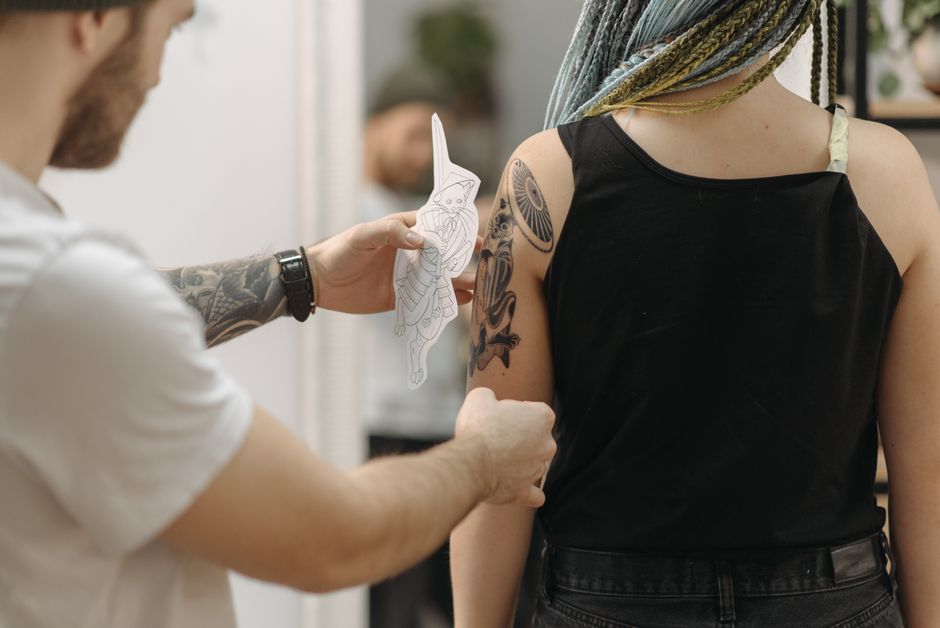
- Stencil Printing: Once designs are locked, they are printed onto professional stencil paper. They print multiples in slightly different sizes. A smudged stencil is a common hiccup, and having backups ready prevents a frustrating and unprofessional delay.
Business Insight: The most successful artists front-load their administrative and creative work. By perfecting the design and reviewing all client details before they even enter the studio, they ensure the in-person appointment is dedicated almost exclusively to the art itself. This maximizes their creative energy and elevates the client experience.
Setting the Canvas: Studio Sanitation and Client Comfort
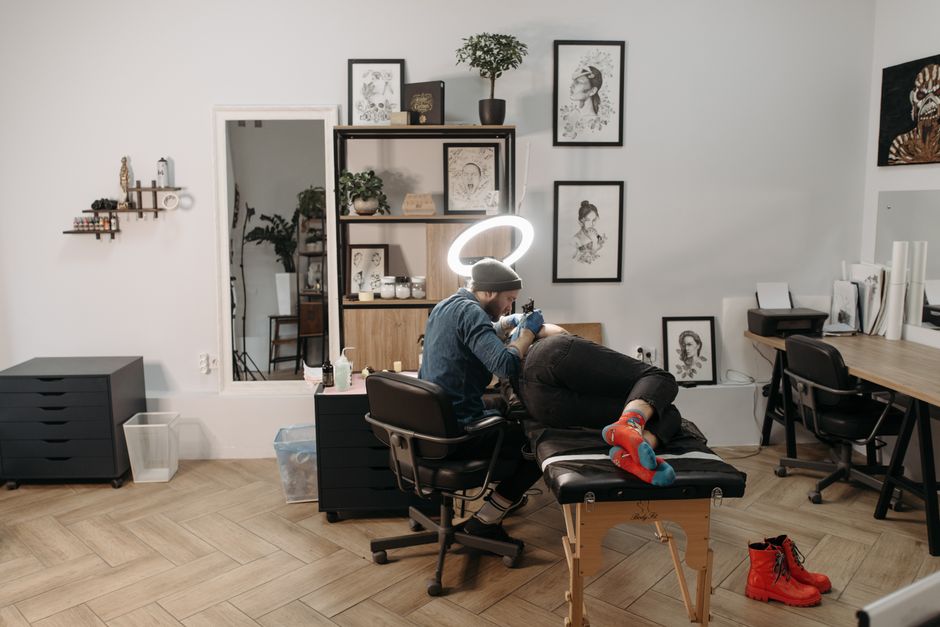
Arriving at the studio an hour before the first client, the focus shifts from digital to physical. This is where the surgical precision of our industry truly shines. A pristine environment isn’t just about aesthetics; it’s about client trust and safety. The setup process is a well-oiled machine.
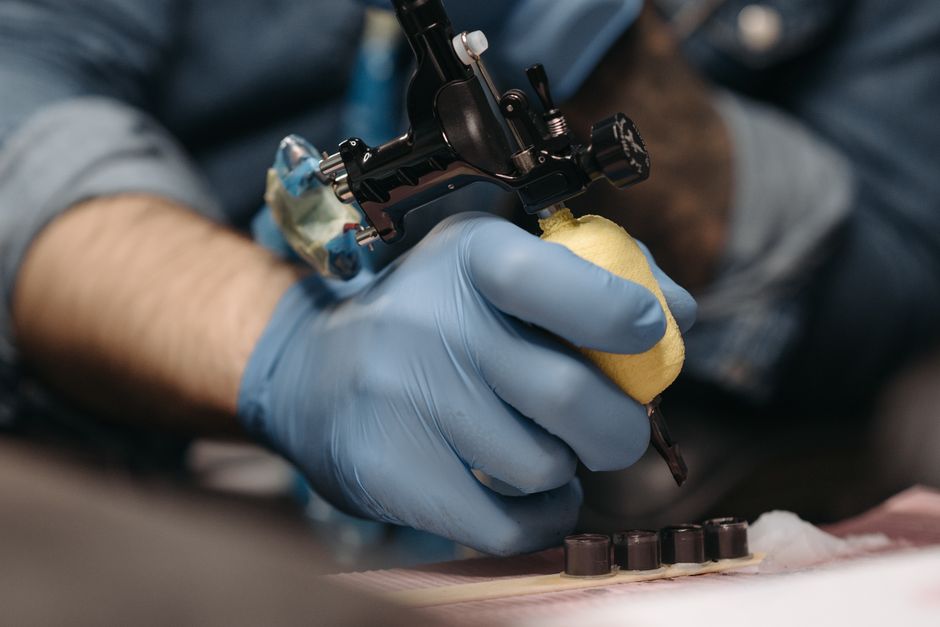
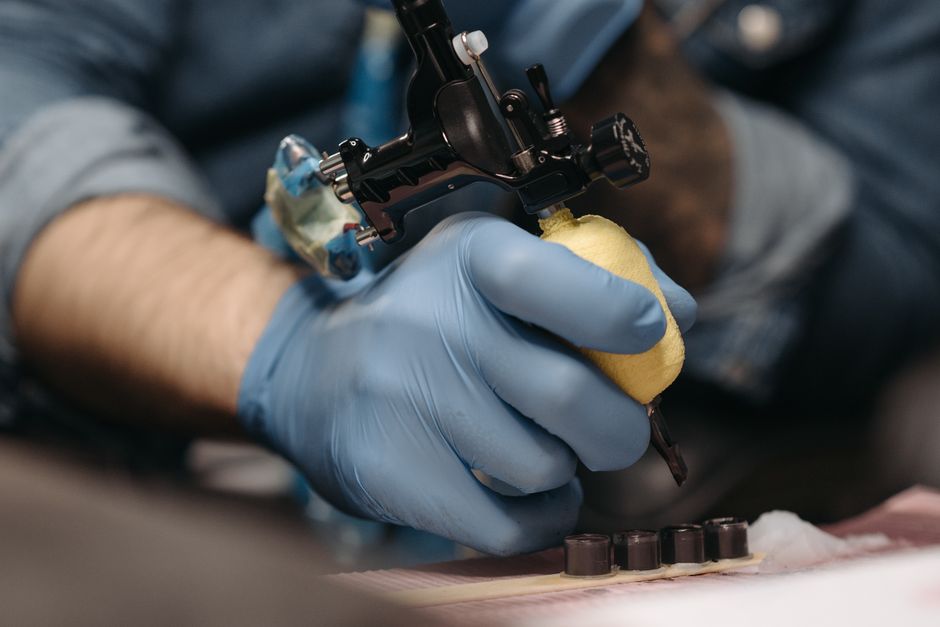
Every surface the client or artist might touch is disinfected. The tattoo chair is wrapped, and a dental bib is placed on the workstation. Then comes the tool setup: single-use needles (a variety of round shaders and curved magnums are essential for the soft gradients of watercolor), ink caps, and rinse cups are laid out. They pre-pour their primary ink colors, a vibrant palette from brands like Eternal Ink or World Famous Ink, to streamline the process once the needle starts running.
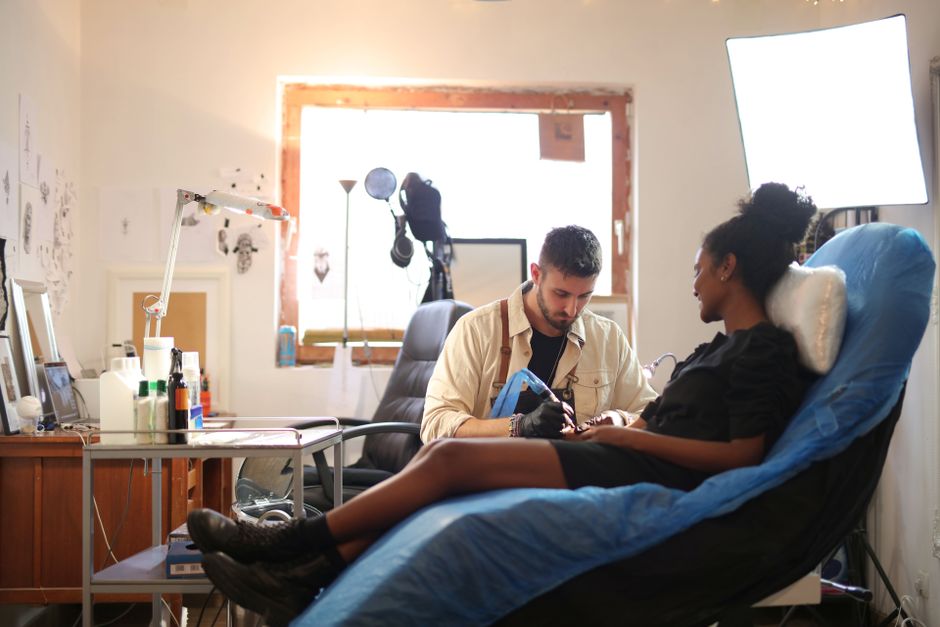
But it's not just clinical. This artist also curates the client's sensory experience. A comfortable temperature is set, a custom music playlist is ready, and a station with bottled water, snacks, and a phone charger is prepared. For a six-hour session, these small comforts make a world of difference in client stamina and overall satisfaction.
The Midday Marathon: Managing a 6-Hour Watercolor Session
With the client approved stencil applied, the marathon begins. Watercolor tattooing is a game of layers and subtlety, a stark contrast to the bold, hard lines of traditional styles. It requires a unique blend of patience and technical skill.
The artist I spoke with breaks down their technical approach:
- Building the Foundation: They start with a light touch, using diluted black or grey ink to map out the foundational shapes and shadows. This is akin to a watercolor painter’s initial light wash on paper. They use a low voltage on their rotary machine to avoid harsh lines.
- Layering Colors: This is where the magic happens. They work from light to dark, packing in unsaturated colors first and gradually building up to the vibrant, saturated hues. They often use a technique called "color blending," where they dip the needle in one color and then just the tip in another to create a beautiful gradient directly on the skin.
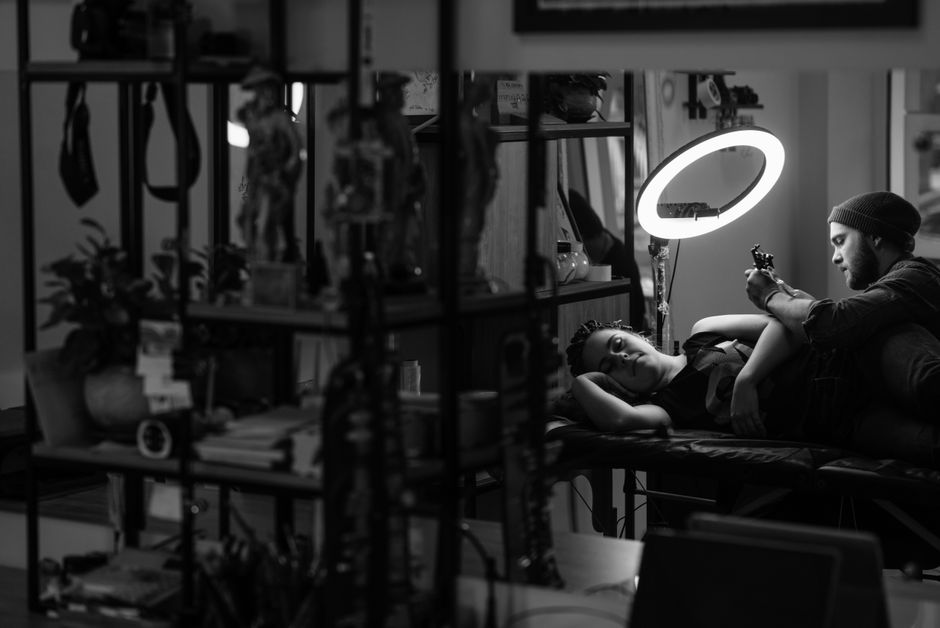
- Managing the Skin: Throughout the session, they are constantly assessing the skin's condition. Is it getting overworked? Is swelling becoming an issue? They use just enough pressure to deposit the pigment effectively without causing unnecessary trauma. Scheduled 15-minute breaks every two hours are mandatory for both artist and client to stretch, hydrate, and reset.
This intense focus is physically and mentally demanding. Maintaining ergonomic posture is critical to prevent career-ending back and wrist injuries. This is not just a creative session; it's an athletic performance.
The Business Backend: Aftercare, Booking, and Content Creation
The tattoo is finished, but the workday is far from over. The final hour with the client is dedicated to two critical business functions: aftercare education and marketing.
First, the tattoo is cleaned and photographed. Getting that perfect, glare-free shot for the portfolio is an art in itself. They use a polarizing lens filter and good lighting to capture the colors accurately. This content is the lifeblood of their marketing, feeding their Instagram and website to attract the next wave of clients.
Next, they apply a high-quality second-skin bandage, like Saniderm, which simplifies the initial healing phase for the client. They walk the client through a detailed aftercare sheet and sell a small aftercare kit with professional-grade soap and moisturizer. This not only ensures the best possible heal for their artwork but also adds a small, high-margin revenue stream.
As the client pays and leaves, the artist’s focus shifts to the final admin tasks. This includes updating the client file, filing away the signed release form, and managing their schedule. Managing a months-long waitlist and handling deposits for custom pieces would be a nightmare without a solid system. Many top artists in the industry rely on platforms like REZVA to automate their booking process, send reminders, and keep their complex schedules airtight and professional.
A day in the life of a fully-booked watercolor tattooist is a masterclass in blending raw artistic talent with meticulous process and savvy business strategy. It’s a reminder to all of us in the beauty and wellness space that our success isn't just defined by the quality of our craft, but by the strength of the systems we build around it. By dedicating time to preparation, client experience, and the business backend, we can transform our passion into a sustainable and thriving career.
Frequently Asked Questions
How do you price complex watercolor pieces—hourly or by the piece?
While some artists use an hourly rate (often starting at $200-300+ for a specialist), most experienced watercolor artists I know price by the piece. After a thorough consultation, they provide a flat-rate quote based on the design's size, complexity, detail, and placement on the body. This gives the client price certainty and allows the artist to focus on creating the best possible art without the pressure of a running clock.
What's the biggest technical mistake artists make when first trying watercolor tattoos?
The most common mistake is creating outlines that are too dark or rigid. True watercolor style often relies on "lineless" designs or very soft, subtle grey lines to define shapes. New artists often fall back on traditional bold lining, which destroys the delicate, blended illusion. Mastering color saturation and creating soft edges with shader needles is key to achieving an authentic watercolor effect.
How do you prevent client and artist burnout during a full-day session?
Strategic breaks are non-negotiable. We schedule a mandatory 15-minute break every 2 hours and a longer 30-45 minute lunch break for sessions over 4 hours. For the client, this helps manage pain and stiffness. For the artist, it's crucial for resting their eyes, hands, and back. Encouraging the client to bring headphones, a book, or a tablet can also help them mentally endure the long session, making the entire experience more positive and manageable for everyone.
Prices are shown in US dollars, converted from euros at the European Central Bank reference rate of 16.10.2026 and rounded.
This article was produced with AI assistance and reviewed by REZVA.
- watercolor tattoo business
- tattoo artist workflow
- salon time management
- client consultation process
- body art business tips
- pricing tattoo services
- professional artist schedule
Take bookings for tattoo online.
Clients book themselves from your profile and a deposit covers the no-shows. Free to start, no card. Founding members get Pro free for 12 months, then their price is locked.
98
spots left of 100
12
months of Pro, free
0%
commission on bookings