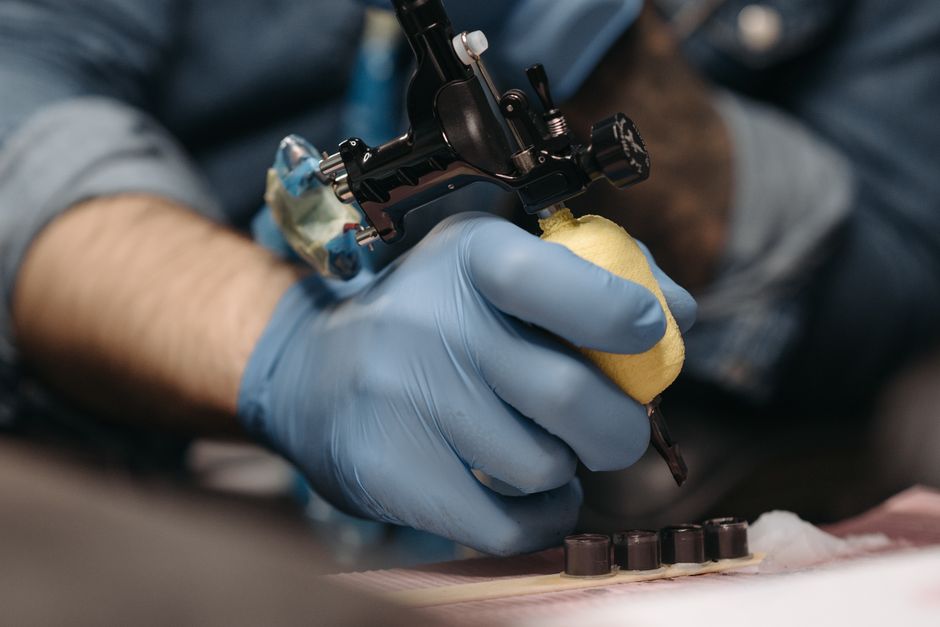
Fine Line Tattoos: A Profitable Pivot or a Costly Distraction?
Thinking of adding fine line tattoos? We break down the startup costs, training, and real profit potential to see if this service is right for you.
5 min read
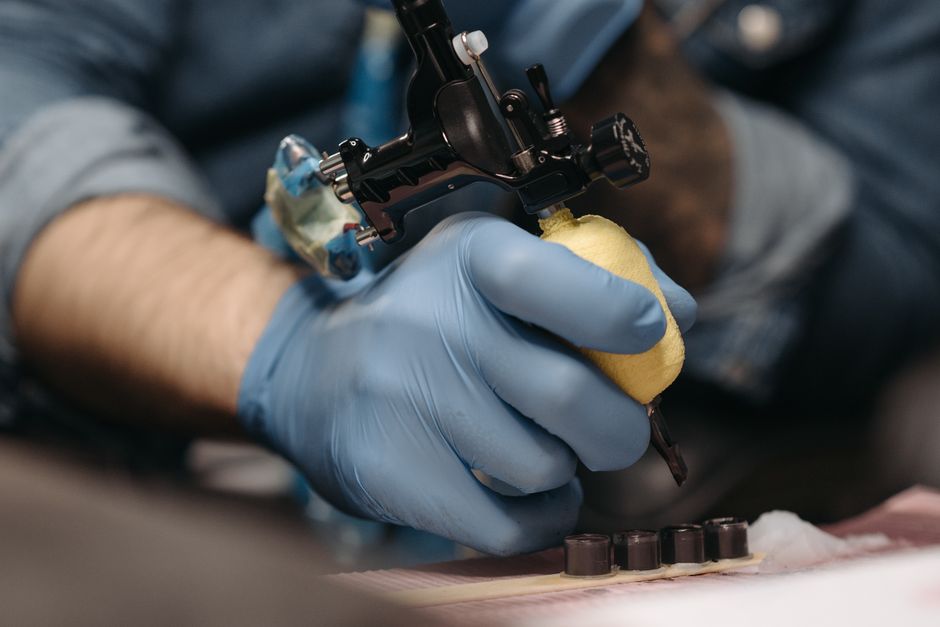
Over the past few years, there has been a huge shift in the industry. Clients who used to book makeup artists exclusively for bridal makeup or an editorial look are now asking about more permanent enhancements. First, it was microblading and lip blushing, and now, the service on everyone’s lips (and wrists, and ankles) is the fine line tattoo.
These delicate, single-needle designs are flooding social media feeds, and from a business perspective, they look like a goldmine. The price tag for a tiny, one-hour piece of art can easily surpass what we charge for a full set of volume lashes or a complex makeup application. The question many of you have probably been asking is: is this a smart pivot, or a costly distraction from our core business?
As service providers, we're always looking for the next high-margin offering to maximize our revenue per client. But jumping on a trend without doing the math can be a recipe for disaster. So today, let’s pull back the curtain and have an honest conversation about the real profitability of adding fine line tattoos to your menu. We'll weigh the incredible earning potential against the very real, and often hidden, costs.
The Allure of High Margins: Why Fine Line Tattoos Look So Tempting
On the surface, the numbers are incredibly appealing. When you start breaking down the potential revenue, it’s easy to see why so many beauty pros are considering making the leap.
Unbeatable Profit Per Hour
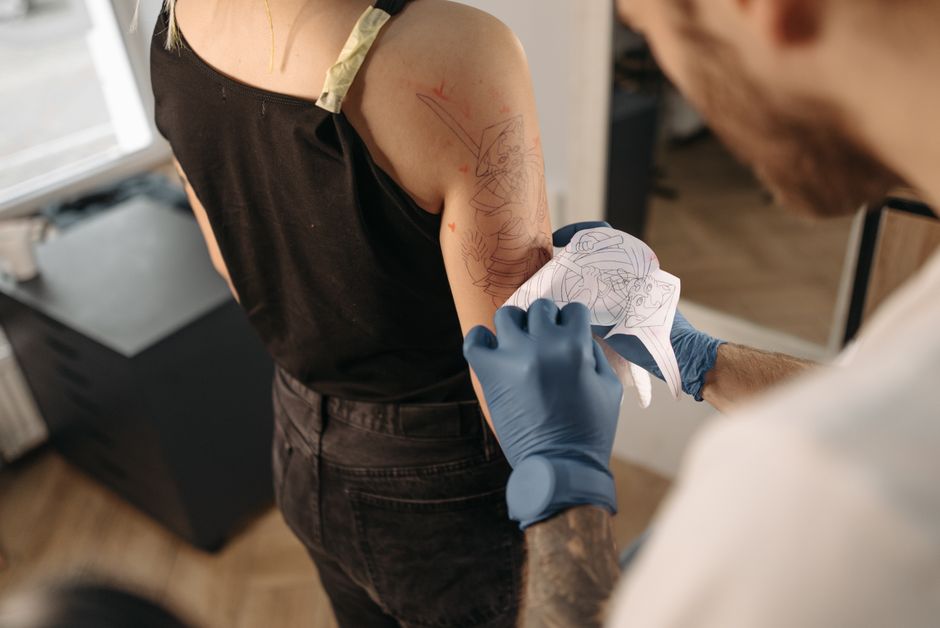
Let's talk brass tacks. A simple, one-inch tattoo might take you an hour from consultation to completion. Depending on your market and skill level, you could charge anywhere from $150 to $300 for that single hour of work. Compare that to a 90-minute facial or a two-hour lash fill. The earning potential per minute of your time is significantly higher. Once you’re established, you can book multiple small, high-ticket tattoos in a day, dramatically increasing your daily revenue ceiling.
Low Consumable Costs
Unlike services that require expensive serums, creams, or extensions, the cost of goods for a single tattoo is minimal. After your initial equipment investment, the cost per client is just a small sum for a sterile needle cartridge, a few drops of ink, gloves, and some stencil paper. This means that once you’ve covered your setup costs, the vast majority of that service fee goes directly into your pocket. This high-profit-margin model is what makes the service so financially attractive.
Expanding Your Clientele and Upselling
Fine line tattoos attract a broad audience—from the 20-something getting their first piece to the 40-something professional wanting a discreet, meaningful design. This can bring a whole new demographic through your doors. More importantly, it’s a phenomenal upsell for your existing clients. Imagine a loyal brow client who has been thinking about a tiny tattoo. If they can get it from you—someone they already know and trust—in the same clean, professional environment, it’s an easy yes. It's a fantastic way to increase your average ticket value. A platform like REZVA gives you a booking page that is open around the clock, so clients see your services and free times and book without messaging you.
A New Creative Avenue
Let’s be honest, many people got into this industry because they are artists at heart. As much as many artists love the artistry of makeup, the idea of creating permanent art on skin is a thrilling prospect. It offers a new medium to master and a way to re-ignite your creative passion, which can be a powerful motivator beyond the financial incentives.
The Reality Check: The Hidden Costs and Steep Learning Curve
Now, let’s take a deep breath and look at the other side of the coin. The path to becoming a proficient and legally compliant tattoo artist is paved with significant investments of both time and money.
The Upfront Investment is Serious
This isn’t a service you can add with a few hundred in supplies. The barrier to entry is high, and cutting corners is not an option when you’re dealing with permanent body art.
- Training & Certification: This is your biggest and most important expense. A reputable, in-person fine line tattoo course will cost anywhere from $3,050 to $7,050+. This is not the place to bargain hunt. You need comprehensive training in skin anatomy, needle depth, machine handling, and, critically, Bloodborne Pathogens (BBP) certification.
- Licensing & Insurance: Your current esthetician or cosmetology license will not cover you. You will need to be licensed as a tattoo artist and have your studio licensed as a body art facility. This involves health department inspections, specific sanitation requirements (like hand-washing sinks in the service room), and a lot of paperwork. Furthermore, your current liability insurance will almost certainly not cover tattooing; you’ll need a separate, more expensive policy.
- Professional Equipment: A quality tattoo machine (like a rotary machine from Cheyenne or Bishop), a reliable power supply, and a stock of high-quality sterile needle cartridges can easily run you $2,050-4,000. Add in professional-grade inks, a thermal printer for stencils, proper lighting, and a client bed, and your startup costs can quickly approach five figures.
The Skill Barrier is Not a Myth
Just because you can create a perfect eyeliner wing doesn't mean you can pull a perfect, single-pass line on skin. The technique is entirely different.
- It’s Permanent: There is zero margin for error. A shaky line, a blowout (where the ink spreads under the skin), or a line that’s too shallow and fades unevenly—these mistakes are permanent. The pressure to be perfect on every single client is immense. - Practice, Practice, Practice: Before you ever touch human skin, you will spend hundreds of hours practicing on fake skin, fruit, and eventually, on practice models. This is a massive, unpaid time commitment. Building a portfolio of *healed* work (which can look very different from fresh work) is essential before you can start charging professional rates.
The Verdict: Should You Add Fine Line Tattoos to Your Menu?
So, is it worth it? The answer is a very personal “it depends.” This is not a decision to be made lightly or based on a trend.
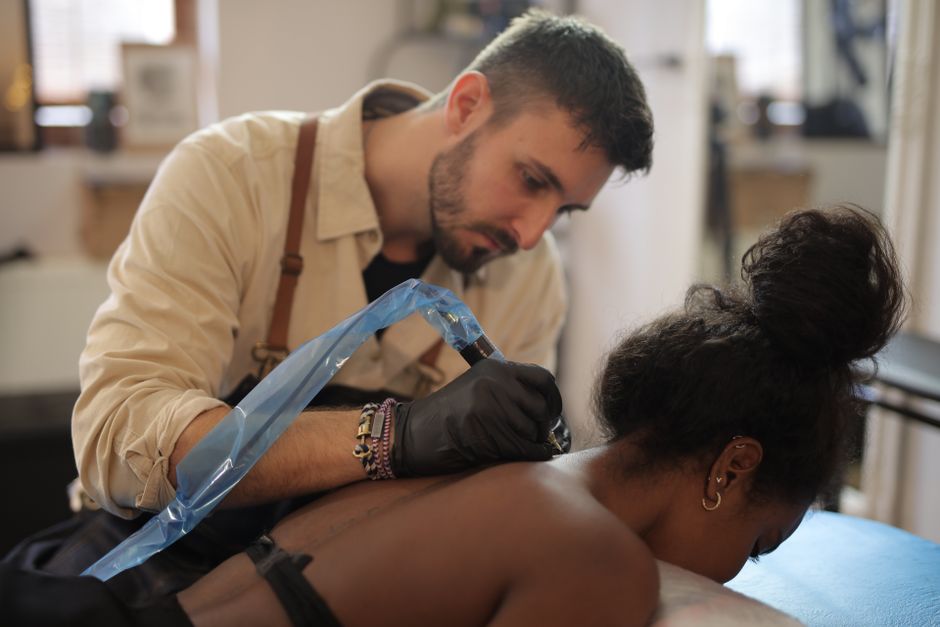
You should seriously consider it IF:
- You have a true passion for the art form. If you’re just chasing money, the steep learning curve and pressure will likely lead to burnout. You have to love the process.
- You have the capital to invest properly. You need at least $8,050-15,100 in liquid capital for training, licensing, and professional-grade equipment without putting your existing business in financial jeopardy.
- You’ve done your local research. You have already investigated your city and state’s requirements for body art facilities and are prepared to meet them.
- You have the time to dedicate to mastery. You can block off significant time in your schedule for months to practice and build your portfolio before expecting a return on your investment.
You should probably wait or reconsider IF:
- You’re looking for a quick and easy new revenue stream. This is anything but. It’s a whole new career path, not just an add-on service.
- You are risk-averse. The financial, legal, and reputational risks are significantly higher than with most other beauty services.
- You don’t have the startup capital. Going into debt to launch a service that won’t be profitable for at least 6-12 months is a very risky business strategy.
A smart alternative? Before you invest a dime, consider partnering with an established local fine line artist. Host them for a weekend pop-up in your studio. This allows you to gauge your clients' interest, see the process up close, and earn a commission without any of the upfront risk.
Frequently Asked Questions
Can I use my permanent makeup (PMU) machine for fine line tattoos?
While some PMU machines can technically be used, it’s often not ideal. Body tattoo machines are typically built with more powerful motors designed to handle the thicker, more varied skin on the body. They often have a longer stroke length, which is better for packing ink efficiently in a single pass. Using an underpowered PMU machine can lead to inconsistent lines and the need to overwork the skin. For professional results, investing in a dedicated tattoo machine is the best practice.
How can I find a reputable training course?
Look for trainers who are, first and foremost, successful and respected tattoo artists with a large portfolio of *healed* fine line work. A great fresh tattoo doesn't always heal well. Ask for student testimonials, inquire about their curriculum (it must include extensive BBP and sanitation modules), and confirm they offer ongoing support after the course ends. Be wary of any course that is purely online or promises mastery in a single weekend.
How much should I charge when I'm just starting out?
When you're building your portfolio, you can't charge market rates. Start with a heavily discounted "apprentice rate" for friends, family, and model calls. Be completely transparent about your level of experience. The goal here isn't profit; it's getting the hours in and collecting high-quality photos of your healed work. Once you have a solid portfolio of 15-20 excellent healed tattoos, you can begin to gradually increase your prices toward the standard market rate in your area.
Prices are shown in US dollars, converted from euros at the European Central Bank reference rate of 16.10.2026 and rounded.
This article was produced with AI assistance and reviewed by REZVA.
- fine line tattoo business
- salon service expansion
- beauty business profitability
- tattoo artist training
- cosmetic tattoo services
- increasing client value
- new beauty service launch
Take bookings for tattoo online.
Clients book themselves from your profile and a deposit covers the no-shows. Free to start, no card. Founding members get Pro free for 12 months, then their price is locked.
98
spots left of 100
12
months of Pro, free
0%
commission on bookings