When Was the Last Time You Actually Looked at Your Cartilage Piercing Prices?
A simple framework for professional piercers to analyze service costs, value their expertise, and confidently decide if it's time for a price increase.
5 min read
We’ve all been there. You look at your schedule and it’s packed. Back-to-back helixes, a few intricate daith piercings, and a smattering of conches. You’re busy, you’re in demand, and you’re doing the work you love. But then you look at your bank account at the end of the month, and the numbers just don’t seem to reflect the grind. You feel more like a busy artist than a successful business owner.
If this sounds familiar, the issue might not be your skill or your work ethic—it's likely your pricing. Specifically, for a service as nuanced and skill-dependent as a cartilage piercing, setting a price can be deceptively complex. As a fellow professional in the beauty and wellness space, I've learned that our prices are more than just numbers; they are a statement about our expertise, our commitment to safety, and the long-term sustainability of our craft. It's time to stop guessing and start calculating. Let’s walk through a simple framework to determine if you need to raise your prices and how to do it with confidence.
Deconstruct Your True Cost-Per-Service
First, we need to get brutally honest about what it actually costs to perform a single cartilage piercing. It’s so much more than just the needle and the basic titanium stud. If you’re not accounting for every single consumable, you're leaving money on the table before the client even sits in your chair.
Let’s build a real cost list. Grab a pen and paper, or open a spreadsheet, and start itemizing:
- Jewelry: What is the wholesale cost of your go-to, implant-grade, internally threaded or threadless titanium labret from a reputable supplier like Anatometal or Neometal? Don't average it—know the specific cost.
- Needle: The cost of a single-use, sterile, tri-beveled piercing needle.
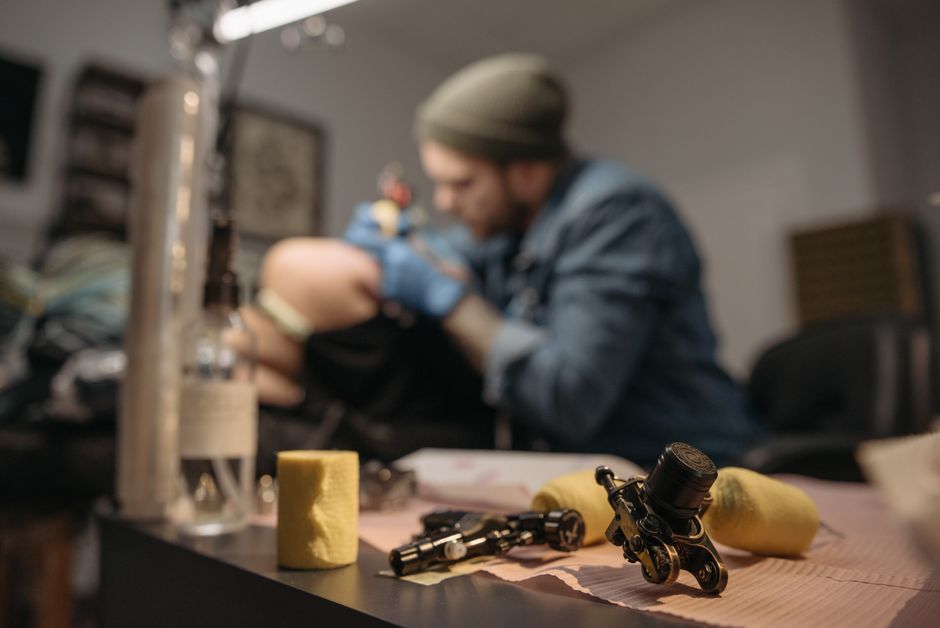
- Sterilization & PPE: This is where the hidden costs live. Factor in the fractional cost of autoclave pouches, indicator strips, monthly spore tests, medical-grade surface disinfectants (like CaviCide), sterile skin markers, gauze, and every pair of nitrile gloves you use during setup, the procedure, and breakdown.
- Disposables: Don't forget things like dental bibs, alcohol prep pads, and any aftercare solution you might provide.
Add it all up. This total is your Cost of Goods Sold (COGS) for one piercing. I’ve seen seasoned professionals shocked to realize their actual COGS for a "simple" helix piercing is $15-25 or more, especially when using high-quality jewelry. If your service fee is $40 including jewelry, your profit margin is already razor-thin before we even consider your time or overhead.
Factor in Your Most Valuable Asset: Your Expertise
Your service fee isn’t just covering the supplies; it’s compensating you for your time, training, and specialized skill. A cartilage piercing isn’t a simple puncture. It’s a delicate procedure that requires a deep understanding of anatomy, aseptic technique, and proper jewelry placement to ensure optimal healing. This expertise has value.
Let’s quantify it:
- Chair Time: Don't just count the 5 minutes the piercing takes. Your "time spent" includes the pre-piercing consultation, jewelry selection, precise marking, the procedure itself, post-piercing cleanup, and providing detailed aftercare instructions. A 30-minute appointment slot is standard.
- Behind-the-Scenes Time: Add the time for room setup, instrument processing through the autoclave, and client charting. This is billable time.
- Education & Certification: Did you attend the last APP conference? Are you certified in bloodborne pathogens? Have you taken advanced courses on specific piercings or anatomy? The cost of this continuing education and the expertise it provides must be baked into your pricing. You’re not just charging for the piercing; you're charging for the thousands of hours and the money you've invested to do it safely and correctly.
Decide on a desired hourly rate that reflects this level of professionalism. It should be a rate that allows you to pay yourself a living wage, invest back into your business, and save for the future. If your 30-minute cartilage piercing service isn't covering half of that desired hourly rate (plus your COGS), your price is too low.
Analyze Your Market Position, Not Just Your Competitors' Prices
It’s tempting to look up what the studio down the street charges and set your price a little lower or higher. This is a reactive strategy that puts you in a race to the bottom. Instead, I want you to analyze your position in the market.
Ask yourself: Who is your ideal client?
- Are you the high-volume, walk-in studio that focuses on speed and accessibility?
- Are you the appointment-only, private studio that offers a highly personalized, curated ear styling experience with premium gold jewelry?
- Are you the trusted expert known for troubleshooting difficult piercings and handling complex anatomy?
Your pricing should be a direct reflection of your unique value proposition. The boutique studio specializing in BVLA and Anatometal jewelry should not—and cannot—compete on price with a mall kiosk (which, as professionals, we know offers a vastly different level of service and safety). Define your brand, your experience, and your ideal client, and then price your services to match that identity. Clients seeking a premium, expert-led experience are willing to pay for it.
Putting It All Together: Your New Pricing Formula
Now, let's combine these elements into a clear structure. While not a rigid rule, this formula provides a solid foundation for a sustainable price:
(Your COGS) + (Your Desired Hourly Rate × Time for Service in Hours) + (Overhead & Profit Margin) = Your New Service Price
Let's break down that last piece. "Overhead & Profit Margin" is a percentage you add on top. This covers your fixed costs—rent, utilities, insurance, and essential business tools like the REZVA platform that manages your online booking and client communications. Crucially, it also includes your profit. Profit isn’t what’s “left over”; it’s a planned expense that fuels growth, allows you to buy that new Statim autoclave, and ensures your business thrives for years to come.
For many service providers, adding a 20-40% margin on top of their direct costs and labor is a healthy starting point.
Communicating the Price Change with Confidence
This is the step that causes the most anxiety, but it doesn’t have to. Your existing, loyal clients trust you for your skill and safety, not because you’re the cheapest option.
Here’s how to handle it professionally:
- Give Advance Notice: Announce the price adjustment at least 30-60 days in advance. Post it on your social media, your website, and at your booking checkout.
- Be Direct and Transparent: You don’t need to write a long apology. A simple, confident statement works best. For example: "To continue offering the highest quality implant-grade jewelry and investing in ongoing professional education, my service fees will be updated effective [Date]. I’m deeply grateful for your continued support and trust."
- Focus on Value: If a client asks, frame the conversation around the value they receive—your commitment to top-tier materials, sterile procedure, and expert placement that leads to a better healing experience. It’s an investment in their health and safety.
A price increase acts as a filter. You may lose a few clients who are purely price-shopping, but you will retain and attract the clients who truly value your professionalism and are the foundation of a sustainable business.
Conclusion: Price for the Business You Deserve
Re-evaluating your cartilage piercing prices isn't an act of greed; it's a necessary business practice. It's about honoring the investment you've made in your skills, ensuring the highest standards of safety for your clients, and building a career that is as financially rewarding as it is creatively fulfilling. By moving from guesswork to a clear, value-based framework, you can set prices that reflect your true worth and build a piercing business that will stand the test of time.
Frequently Asked Questions
What if I lose clients after raising my prices?
It's a common fear, but it's important to shift your mindset. A small number of clients who are solely focused on finding the lowest price may not return. However, this makes room in your schedule for clients who value your expertise, safety standards, and the quality of your jewelry. The clients you want to build your business around will understand that quality comes at a price and will happily pay for the superior service you provide.
Should I charge a single fee for the piercing and basic jewelry, or separate them?
The industry standard among high-end professionals is to separate the service fee from the cost of jewelry. This is the most transparent approach. It allows clients to see exactly what they are paying for—your time and skill—and then gives them the freedom to choose jewelry that fits their budget and aesthetic, from a basic implant-grade titanium piece to a solid gold, diamond-studded end. This model also properly values your service and opens up significant retail revenue opportunities through jewelry upgrades.
How often should I review my pricing?
A thorough review of your pricing should be an annual business ritual. Set a reminder each year to re-calculate your cost-per-service, as supplier prices for jewelry, needles, and PPE can fluctuate. You should also consider an immediate review if you experience a significant increase in your major overhead costs, such as rent, or if you complete a major professional development course that adds a new, valuable skill to your service offerings.
Prices are shown in US dollars, converted from euros at the European Central Bank reference rate of 16.10.2026 and rounded.
This article was produced with AI assistance and reviewed by REZVA.
- cartilage piercing pricing
- body piercing business
- salon price increase
- beauty service pricing strategy
- calculating service costs
- professional piercer advice
- studio profitability
Take bookings for piercing online.
Clients book themselves from your profile and a deposit covers the no-shows. Free to start, no card. Founding members get Pro free for 12 months, then their price is locked.
98
spots left of 100
12
months of Pro, free
0%
commission on bookings