Your Pre-Highlighting Roadmap: 7 Questions for a Flawless Client Consultation
We’ve all been there. That sinking feeling when you turn the chair around and see a flicker of disappointment in your client’s eyes. You did beautiful work—the blend is seamless, the tone is perfect—but it’s not what they pictured. Nine times out of ten, the problem wasn’t in the application; it was in the ten minutes before you even mixed the lightener. The consultation.
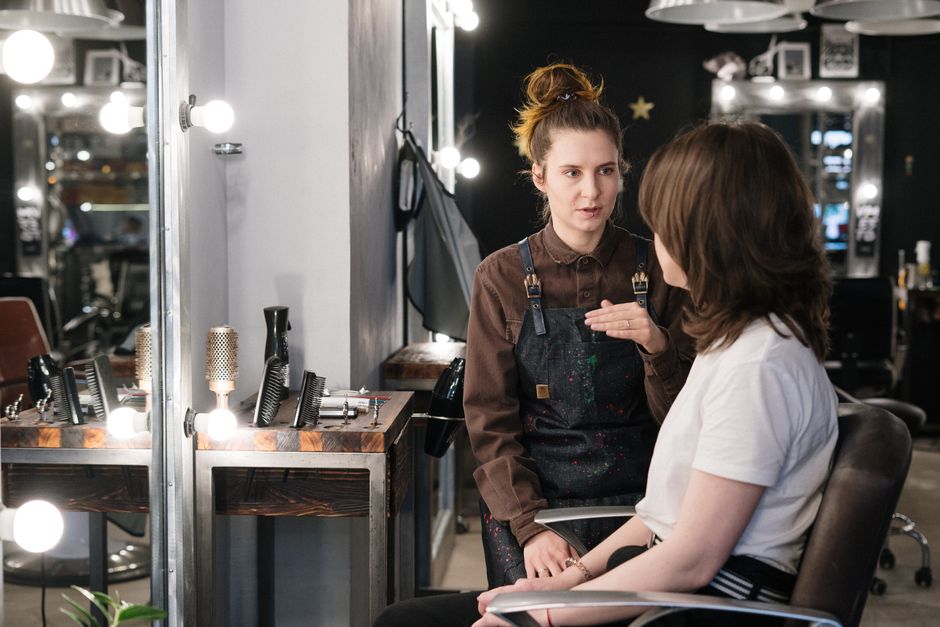
After years behind the chair and running my own salon, I can tell you with absolute certainty that the client consultation is the most critical part of any color service. It’s not a formality; it’s the foundation of your entire service. It’s where you build trust, manage expectations, and co-create a vision that protects their hair health and your reputation. Getting it right saves you from stressful re-dos, builds fierce client loyalty, and ultimately, makes you a more profitable stylist.
Forget just asking, "So, what are we doing today?" Let's elevate the conversation. Here are the seven questions I never, ever skip before a highlights service.
1. What is the complete, honest color history of your hair?
This is the big one, and it requires some gentle but firm probing. I don’t just ask about the last six months; I ask for the last three to five years. I frame it as a matter of safety and predictability.
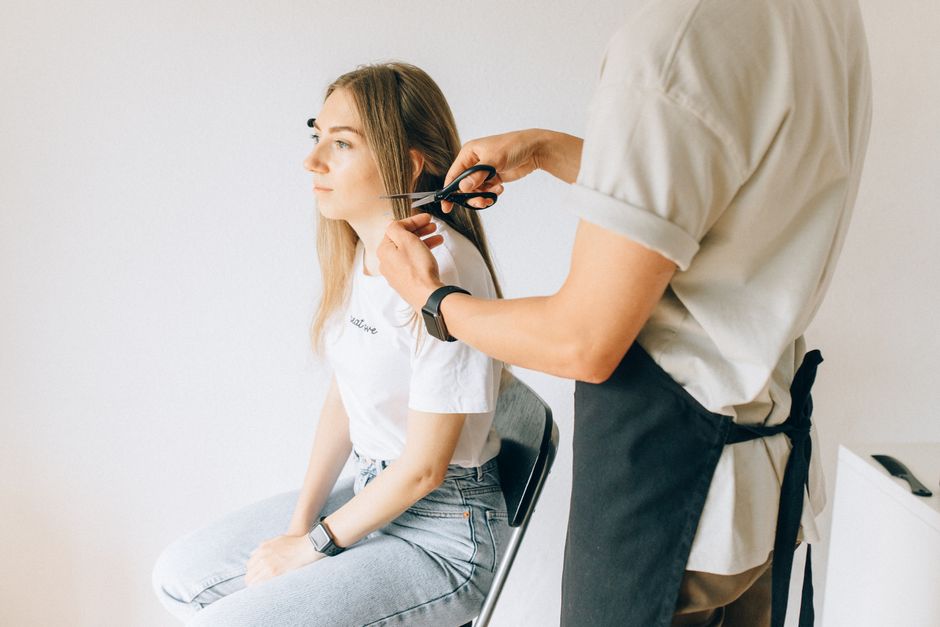
Why it’s crucial: You’re a chemist, and you need to know what you’re mixing with. Hidden box dye, a gloss from a year ago, a semi-permanent color they "thought washed out," or worse, henna or a metallic salt dye, can lead to disastrous chemical reactions. We've all heard horror stories of foils getting hot enough to steam. This question is your first line of defense against chemical haircuts and unpredictable lifting.
Pro Tip: When in doubt, always perform a strand test. Take a small cutting from an inconspicuous area and test your lightener formula on it. It’s a 20-minute investment that can save you a four-hour color correction nightmare. Explain to your client, "Your hair's safety is my top priority. Since there's some old color in your ends, a quick strand test will show us exactly how it will lift and ensure we get a beautiful, even result." They will appreciate your professionalism.
2. Looking at your inspiration photo, what do you love and what do you dislike?
Clients will show you a photo of a Giselle-level balayage, but what they actually want might be just the bright "money piece" around the face. Never take an inspiration photo at face value. It's your job to deconstruct it.
Drill down into specifics:
- Placement: "Do you love how the highlights are fine and woven throughout, or that they are bolder and chunkier?"
- Tone: "Are you drawn to the icy, cool blonde tones here, or the warmer, golden beige tones?"
- Dimension: "Do you like that there’s a lot of her natural dark color showing through for contrast, or do you want to be overall much lighter?"
- Root: "Do you prefer the way the color goes right to the scalp, or do you like this soft, shadowy root for a lower-maintenance grow-out?"
This conversation expertly manages expectations. You can gently explain why the model’s hair—which is likely a different level, texture, and density than your client's—achieved that specific look, and then create a custom plan for their hair.
3. What is your realistic budget and maintenance schedule?
This can feel like an awkward conversation, but it's one of the most important for client satisfaction and retention. A client who wants a high-impact, all-over platinum but can only afford to come in twice a year is not a candidate for traditional foils. They are a candidate for a lived-in balayage.
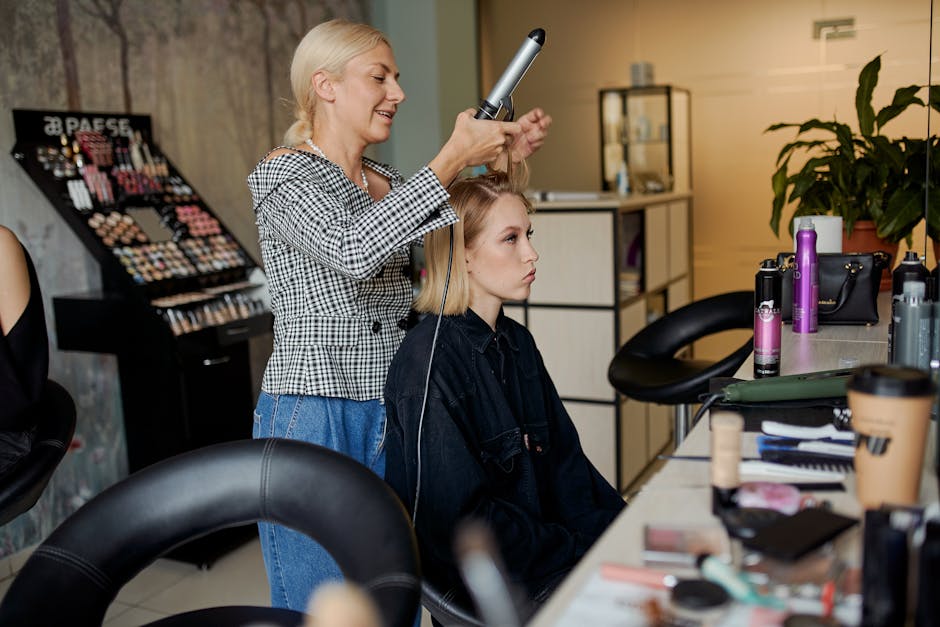
How to phrase it:
- For Maintenance: "This look is stunning! To keep it looking fresh, it typically requires a gloss and root touch-up every 6-8 weeks. Does that kind of upkeep fit with your lifestyle?"
- For Budget: "For the initial transformation to achieve this look, you're looking at an investment of between $X and $Y. Subsequent maintenance appointments will be around $Z. How does that sound to you?"
Being transparent builds trust and positions you as a consultant who respects their time and wallet. It allows you to guide them toward a service that gives them a look they love *and* can realistically maintain.
4. Walk me through your current hair routine.
How a client treats their hair at home tells you everything about the canvas you’re about to work on and how they’ll care for your masterpiece afterward. Are they using drugstore shampoo? Frying their hair daily with a 450-degree flat iron and no heat protectant? This is your moment to educate.
Why it matters: The integrity of the hair dictates what’s possible with lightening. If their hair is already compromised, you need to be honest about how light you can safely take them. This is also your prime opportunity to prescribe a home-care routine.
Pro Tip: Don't just sell products; solve problems. "I notice you have some dryness on your ends. When we lighten your hair, it will be essential to replenish that moisture. I highly recommend switching to this color-safe, sulfate-free shampoo and using this deep conditioning mask once a week. It will protect your color investment and keep your hair feeling amazing."
5. Have you ever had sensitivities to color or lightener?
A non-negotiable safety question. Always ask about past reactions, scalp sensitivity, or allergies. Even if they say no, it’s our professional duty to recommend a patch test for any new client or if you're using a new color line on them. Document their answer in their client file. Having detailed client notes from these consultations, which I can easily store in my REZVA profile for each client, is a game-changer for their next visit and protects my business.
6. What are your long-term hair goals?
Is this highlight a one-time thing for a wedding, or is it the first step on a journey to becoming a full-on blonde? Understanding their long-term vision helps you strategize. If they eventually want to be much lighter, you might choose a placement and technique that can be easily built upon in future sessions without causing damage or overlapping.
This transforms you from a one-time service provider into their long-term hair partner. You can map out a 6-12 month plan with them, pre-booking their next few appointments and securing future revenue.
7. Are you open to a haircut or trim to complement the color?
This is one of the easiest and most logical upsells in the book. Lightener has a way of making split or damaged ends more apparent. A fresh cut, or even just a "dusting" of the ends, will make your color work look infinitely more expensive and polished.
How to frame it: "To really make these new highlights pop and ensure your hair looks its healthiest, I'd recommend we take off at least an inch today to clean up these ends. It will make a huge difference in the final look." Most of the time, they’ll be thrilled you suggested it.
The Consultation is Your Signature
Mastering the art of the consultation is what separates a good stylist from a great one. It’s a skill that requires practice, empathy, and a deep understanding of both the technical and personal sides of our craft. By asking these seven questions, you’re not just gathering information; you’re building a relationship, establishing your expertise, and designing a bespoke service that will have clients walking out of your salon feeling truly seen and loving their hair. That's the kind of service that gets you rave reviews and keeps your books full for years to come.
Frequently Asked Questions
Q1: What’s the best way to handle a client whose hair history makes their goal unrealistic for one session?
Honesty and education are key. Be direct but gentle. Say something like, "I absolutely love this goal for you. Because of the previous box color we discussed, getting you to this exact shade of blonde in one session would seriously compromise the health of your hair. What I recommend is a two- or three-session approach. Today, we can get you to a beautiful caramel blonde, and then in 8 weeks, we can safely lighten it further." Show them a realistic goal for the day and present a clear, exciting plan for the future. Most clients will appreciate your commitment to their hair's integrity.
Q2: Should I charge for a standalone color consultation?
This is a personal business decision, but many high-demand stylists do. Charging a small fee (e.g., $25-$50) for a 15-30 minute consultation values your time and expertise. It also helps filter for serious clients. A great strategy is to make the consultation fee applicable to the final service cost if they decide to book with you. This shows good faith and encourages them to move forward.
Q3: How should I document the consultation to protect myself and my business?
Always take a "before" photo in good, natural lighting. Have a digital or paper intake form where you note their hair history, any allergies, and the plan you both agreed upon. For massive transformations or color corrections, it’s wise to have the client sign a consent form that outlines the process, risks, cost, and maintenance, confirming they understand and agree to the plan. This documentation is invaluable if any disputes arise.
Offer Hair? Take bookings online, free.
REZVA helps specialists manage bookings, cut no-shows, and grow their business. Free to start, no booking fees.