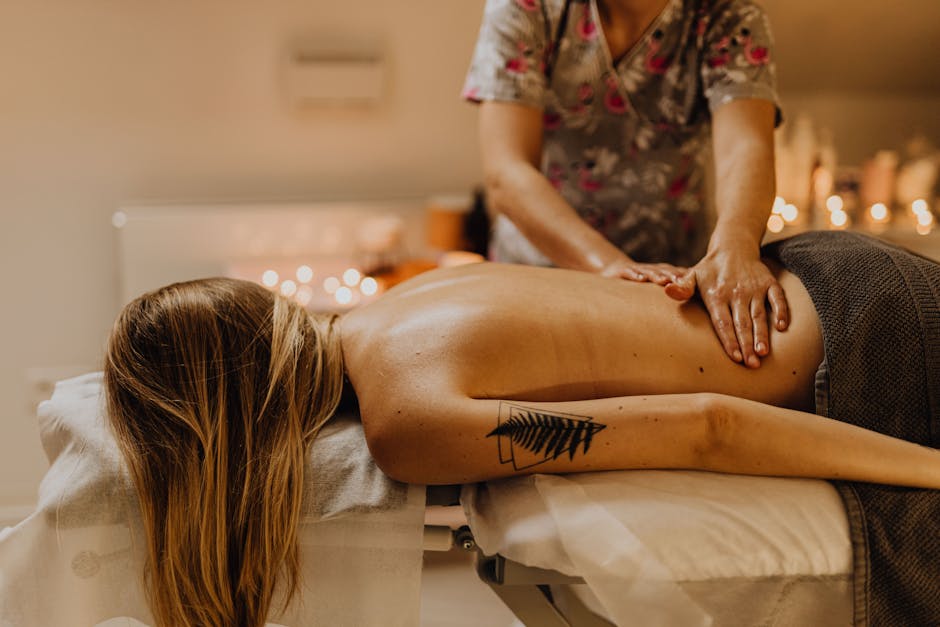
Your Thumbs Ache, Your Rent is Due: It's Time to Re-evaluate Sports Massage Prices
Are you fully booked but still struggling? This framework helps sports massage therapists audit costs, value their expertise, and raise prices confidently.
5 min read

You know the feeling. It’s the end of a long day of back-to-back clients. Your own shoulders are tight, your thumbs are aching, and you’ve just stripped the table for the fifth time. You look at your schedule and see it’s fully booked for the rest of the week, which should feel great. But when you look at your bank account, the numbers don’t seem to reflect the sheer physical effort and deep expertise you pour into every single session. The cost of your favorite arnica-infused massage cream just went up again, your liability insurance is due, and you’re starting to wonder if “fully booked” is just another term for “running in place.”
I’ve seen this scenario play out countless times with talented practitioners across the wellness industry, from estheticians to massage therapists. We are healers and helpers by nature, and sometimes that makes us hesitant to approach the business side of our work with the same rigor we apply to our craft. But pricing your services isn't just about picking a number; it’s about building a sustainable career that honors your skill and prevents burnout.
If you’re feeling that nagging sense of being undervalued or overworked, it’s time for a price check-up. Here’s a simple framework to help you decide if you should raise your sports massage prices and how to do it with confidence.
Step 1: Conduct an Honest Cost-of-Doing-Business Audit
Before you can set a price that reflects your value, you have to know what it actually costs to open your door each day. Many therapists make the mistake of only considering their room rent and supply costs. The reality is much more detailed. Let’s break it down.
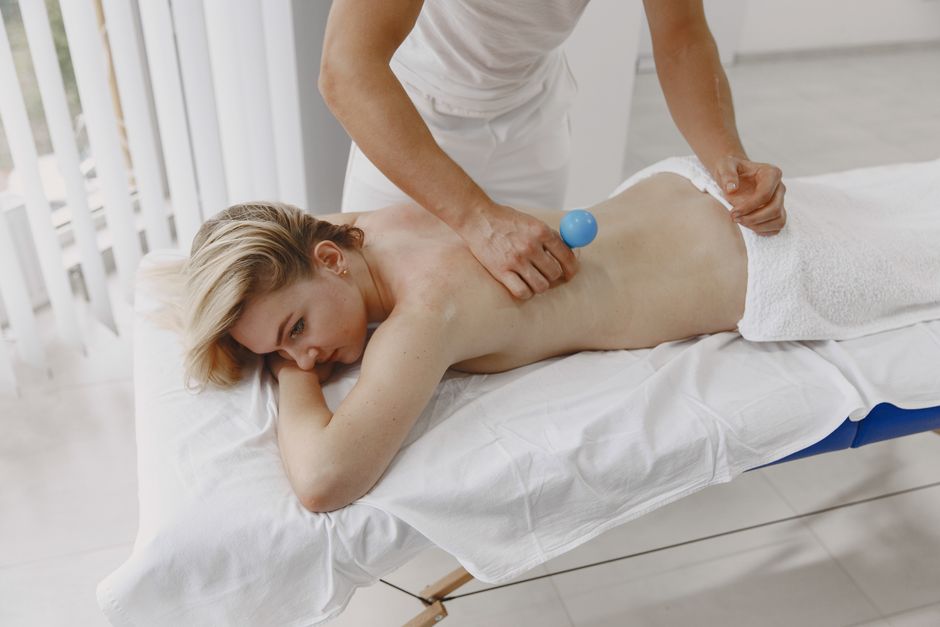
Grab a spreadsheet or a notebook and tally up your monthly expenses in these categories:
- Consumables: This is everything you use up. High-quality massage lotions and oils, kinesiology tape, analgesic gels, laundry detergent for your endless mountain of linens, disposable face cradle covers, and even the cleaning supplies for your room. Don’t estimate—track these costs for a month to get a real number.
- Fixed Overheads: These are your consistent monthly bills. Rent, utilities, professional liability insurance, business licensing fees, and subscriptions to software that runs your business.
- Professional Development: This is a crucial, often-overlooked cost. Your annual association fees, the cost of that advanced certification in myofascial release or trigger point therapy, weekend workshops, and even subscriptions to trade journals. This is a direct investment in the quality of your service and absolutely must be factored into your pricing.
- "Hidden" Time Costs: Your 60-minute massage is never just 60 minutes. You need to account for the 10-15 minutes you spend on intake and assessment, the time for post-session SOAP notes, room turnover and sanitation, client communication, and marketing. If you spend an hour a day on these unpaid tasks, that’s five hours a week that needs to be covered by your paying clients.
Once you have your total monthly cost, divide it by the number of sessions you can realistically perform in a month. The result is your cost per session. If your current price is uncomfortably close to that number, a price increase isn’t just an option—it’s a necessity.
Step 2: Price Your Expertise, Not Just Your Hour
Now, let’s move from cost to value. A sports massage isn’t a generic, one-size-fits-all service. It’s a highly specialized treatment that requires a deep understanding of anatomy, kinesiology, and injury mechanics. Your clients aren’t paying you to simply rub their muscles for an hour; they are paying for an outcome. They’re paying for pain relief, improved mobility, faster recovery, and the ability to perform at their best.
This is where you need to shift your mindset. You are a specialist. Start quantifying that expertise:
- List Your Certifications: Do you have advanced training in Active Release Technique (ART), Graston Technique, or cupping therapy? Are you certified in pre-natal sports massage or lymphatic drainage? Each of these is a value-add that differentiates you from a generalist.
- Highlight Your Experience: Have you worked with a specific type of athlete, like marathon runners, CrossFit competitors, or cyclists? Your niche experience is incredibly valuable to that demographic. You understand their common injuries and movement patterns better than anyone.
- Assess Your Results: Think about your success stories. The client who finally ran a marathon pain-free after your sessions. The weekend warrior who recovered from a shoulder injury without surgery. These results are the true product you’re selling.
In my esthetics practice, I draw a clear line between a standard "relaxing facial" and a "corrective skin treatment." The latter costs significantly more because it uses advanced modalities and targets a specific outcome, like reducing hyperpigmentation. Your sports massage is a corrective treatment for the body. Price it accordingly.
Step 3: Perform a Strategic Market Analysis (Without Copying)
Knowing what your competitors charge is important, but the goal isn’t to be the cheapest. The goal is to understand the local market so you can position yourself effectively.
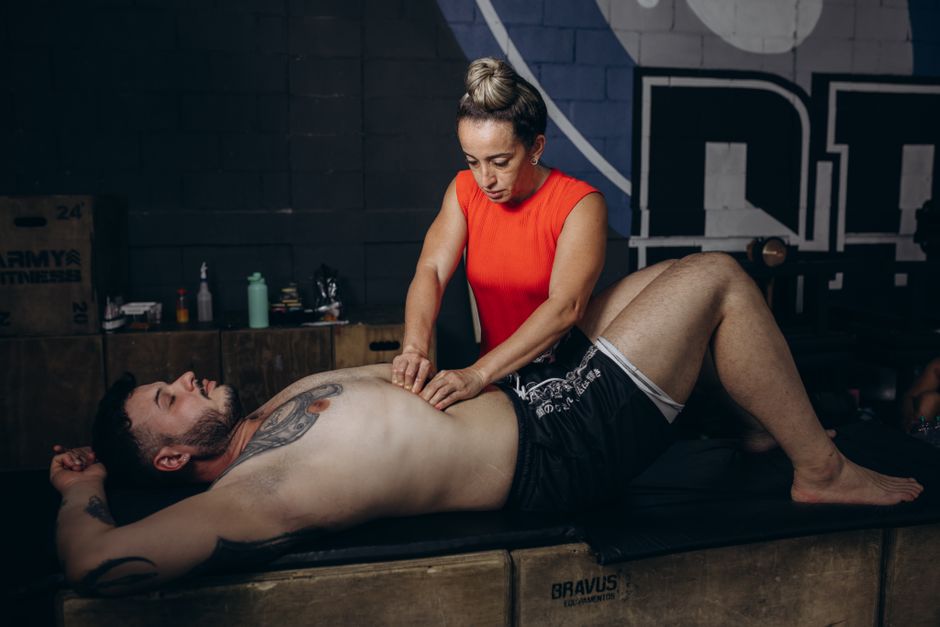
Avoid the trap of just looking at the big chain spas. Their business model is based on volume, not specialized expertise. Instead, research other independent therapists in your area who have a similar level of training and experience. What are they charging? What does their service include?
Then, ask yourself: Where do I want to fit in? Your pricing sends a message.
- Economy Pricing: Positions you as a volume provider. This is a tough game to win and a fast track to burnout in a physically demanding field like sports massage.
- Mid-Range Pricing: Puts you in line with the average. It’s safe, but it doesn’t help you stand out.
- Premium Pricing: Positions you as the expert—the go-to therapist for serious athletes or complex cases. This requires you to deliver a premium experience from start to finish.
Your online presence plays a huge role in supporting a premium price point. A professional, easy-to-navigate website with a seamless booking system, like the ones you can build with REZVA, immediately communicates value and professionalism before the client even steps into your room. It signals that you are a serious professional who invests in their business and their client experience.
Step 4: Create a Confident Rollout Plan
The fear of losing clients is what holds most of us back. But you can raise your prices gracefully and confidently with a clear communication plan.
1. Implement for New Clients Immediately: As soon as you decide on your new price, update it on your website and booking platform for all incoming new clients. They have no prior price expectation, making this the easiest step.
2. Give Loyal Clients Advance Notice: For your regulars, give them at least 4-6 weeks' notice. You can communicate this in person at the end of a session and follow up with a professional email. You don’t need to over-explain or apologize. A simple, confident statement is best:
"Hi [Client Name], I wanted to let you know that starting [Date], the price for a 60-minute sports massage will be updated to [New Price]. This adjustment allows me to continue investing in advanced training and providing the highest level of care. I’m so grateful for your continued loyalty."
3. Offer a Transition Package: To show appreciation for your loyal clients, consider offering them a one-time chance to buy a package of 3 or 5 sessions at your current rate before the price change takes effect. This softens the blow, locks in future revenue for you, and reinforces their value to your practice.
Your Career is a Marathon, Not a Sprint
Adjusting your prices is one of the healthiest things you can do for your business and your long-term career. It’s about creating a sustainable practice that can support you physically, mentally, and financially for years to come. Your skills are in demand, and your work changes lives. Pricing your services to reflect that reality isn’t greedy—it’s smart, necessary, and a fundamental act of professional self-respect. You’ve earned it.
Frequently Asked Questions
Q: What if I lose clients after I raise my prices?
A: It’s possible you may lose a few of your most price-sensitive clients, but this is often a positive filter. It makes room in your schedule for new clients who are seeking you out for your specific expertise and are happy to pay your new rate. Focus on the immense value and the results you provide, and the right clients will stay and new ones will come.
Q: How often should I review my sports massage prices?
A: You should conduct a full review of your prices and costs at least once a year. It's a good practice to align this with your annual business planning. Additionally, it’s wise to reassess your pricing anytime you make a significant investment in your practice, such as earning a major new certification or adding a new, high-value modality to your services.
Q: Is it better to do a small price increase every year or a larger one every few years?
A: Generally, small, consistent annual increases (in the 3-7% range) are easier for clients to absorb. They feel more like a standard cost-of-living adjustment. However, if you’ve been significantly undercharging for a long time, a larger one-time adjustment may be necessary to get your pricing in line with your costs and value. In that case, a clear communication strategy is even more critical.
This article was produced with AI assistance and reviewed by REZVA.
- sports massage pricing
- massage therapy business
- pricing strategy for therapists
- client retention strategies
- wellness business growth
- calculating service costs
- avoiding therapist burnout
Take bookings for massage online.
Clients book themselves from your profile and a deposit covers the no-shows. Free to start, no card. Founding members get Pro free for 12 months, then their price is locked.
98
spots left of 100
12
months of Pro, free
0%
commission on bookings