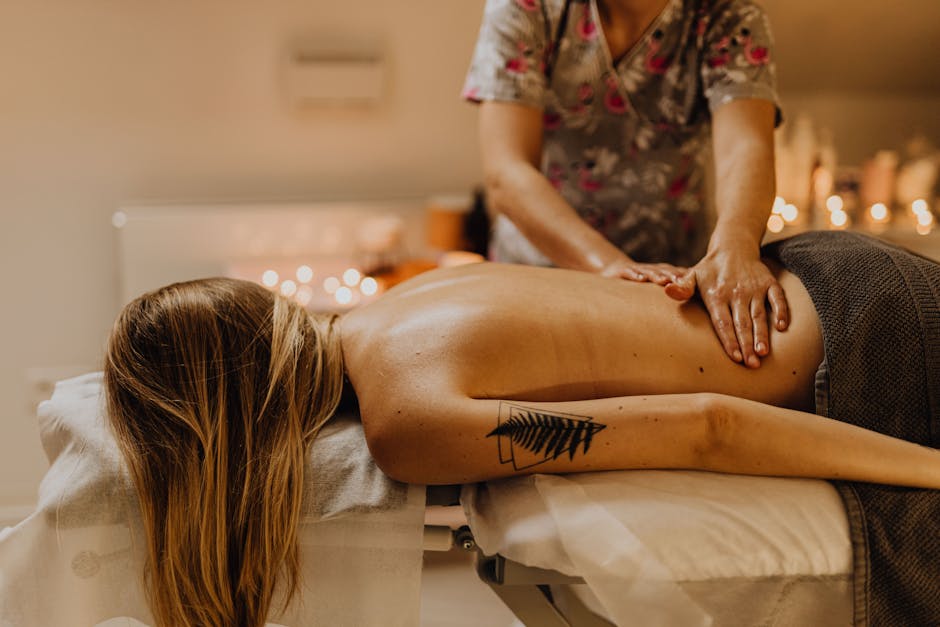
Will Your Sports Massage Practice Survive the Next Wave of Wellness Trends?
The sports massage market is getting crowded. Here’s how to specialize, integrate new tech, and build a resilient practice that thrives beyond 2026.
4 min read
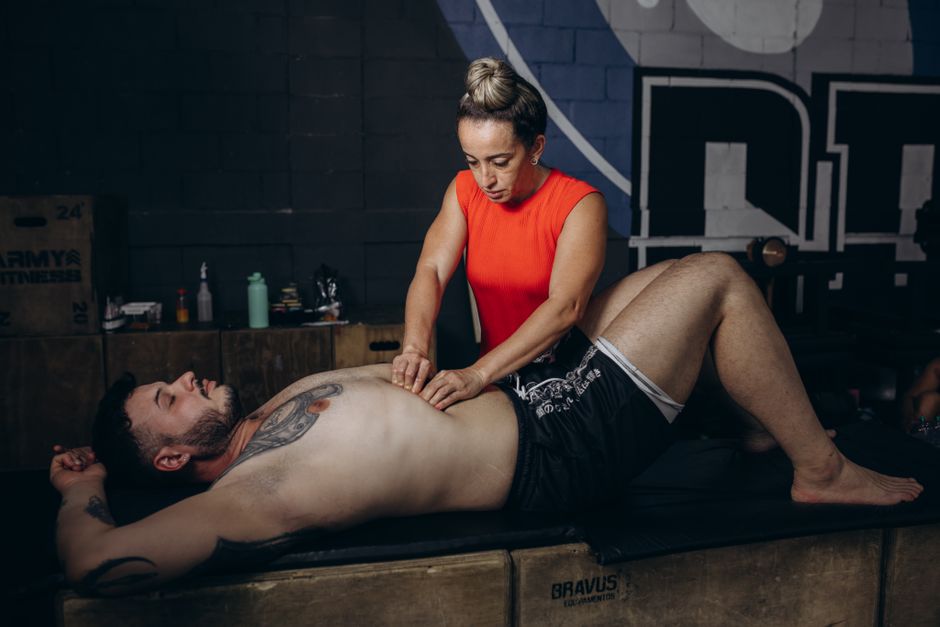
Let's be honest with each other. For years, being a great sports massage therapist meant having strong hands, a solid understanding of anatomy, and the stamina to get through a packed day of deep tissue work. That foundation is still critical, but if it’s the only thing propping up your business, you’re standing on shaky ground heading into 2026.
I see it in my own practice and hear it from colleagues constantly: the market is getting crowded. From physical therapy clinics adding massage services to a new wave of therapists graduating with the latest certifications, the competition is fierce. Simply offering a "60-minute sports massage" isn't enough to build a waitlist anymore. To thrive, we have to evolve from being technicians into becoming indispensable performance and recovery specialists. It’s time to future-proof our practices.
Niche Down Beyond the "Weekend Warrior"
One of the biggest mistakes I see therapists make is trying to be everything to everyone. Marketing to the generic "athlete" or "active individual" casts a wide net, but it catches very little. Why? Because it doesn't speak to anyone's specific pain points or goals. The needs of a marathon runner are vastly different from those of a powerlifter or a golfer.
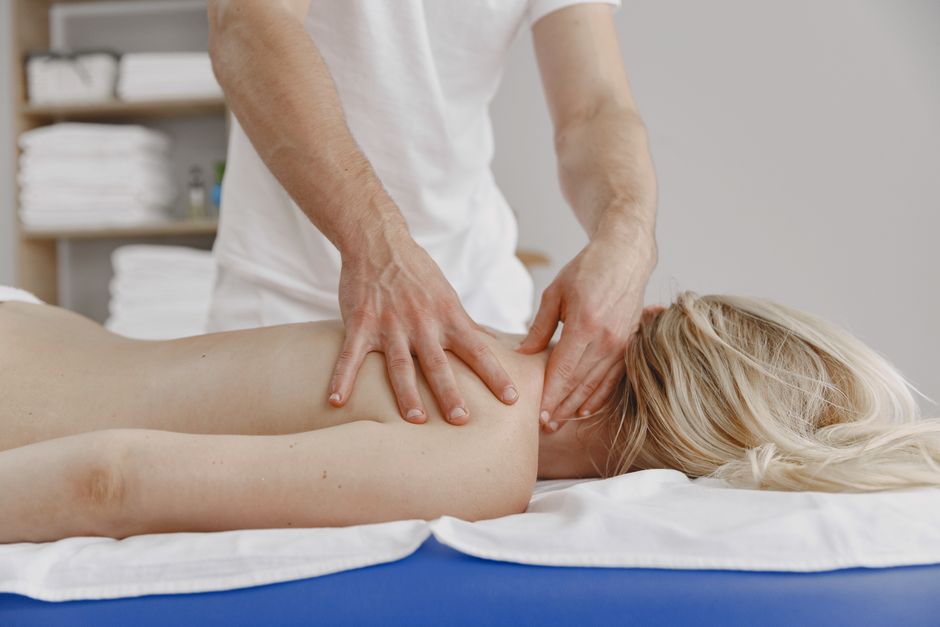
The future of a successful sports massage practice lies in hyper-specialization. Think about it: who would you rather see for a nagging shoulder impingement—a generalist, or someone who markets themselves as the go-to therapist for swimmers and spends their days working on rotator cuffs and improving thoracic mobility?
Actionable Specialization Ideas:
- The Rotational Athlete Specialist: Focus on golfers, tennis players, and baseball players. Your work will center on thoracic spine mobility, hip rotation, and preventing common injuries like golfer's elbow and shoulder strain.
- The Endurance Athlete's Edge: Target marathon runners, triathletes, and cyclists. Become an expert in treating IT band syndrome, plantar fasciitis, and improving recovery time between long training sessions.
- The Overhead & Grip Specialist: Carve out a niche with rock climbers, CrossFit athletes, and even e-sports players. This clientele needs targeted work on forearms, hands, shoulders, and postural correction from repetitive strain.
Once you’ve chosen your niche, connect with it. Offer to do a 15-minute workshop on foam rolling at a local running club or partner with a golf pro for a "Swing & Recover" package. This targeted approach positions you as an expert, not just another pair of hands.
Integrate Pre-hab and Recovery Science
The most valuable practitioners are moving from a reactive model (fixing pain) to a proactive one (preventing it). Your role should extend beyond the massage table. You are a key part of your client's performance team. This means incorporating assessment and "pre-habilitation" into your sessions.
Start with a more thorough intake. Don't just ask where it hurts. Ask about their training schedule, their performance goals, and their weak points. A simple movement assessment—like watching them do an overhead squat—can give you a wealth of information about muscle imbalances and mobility restrictions before they even get on the table.
Then, level up your techniques. If you're not already, get certified in modalities that complement your hands-on work:
- Myofascial Release (MFR): Essential for addressing fascial restrictions that impede movement.
- Proprioceptive Neuromuscular Facilitation (PNF): A powerful stretching technique that can dramatically improve range of motion.
- Instrument Assisted Soft Tissue Mobilization (IASTM): Using tools like Graston or professional-grade stainless steel gua sha can help break up adhesions more effectively and save your hands.
By framing your sessions around injury prevention and performance optimization, you change the conversation from "I need a massage because I'm sore" to "I need to see my therapist to stay on top of my game."
The Tech-Enhanced Treatment Room
Technology is not here to replace our hands, but to augment them. Smartly integrating recovery tech can enhance your results, add significant perceived value to your services, and justify a premium price point. You don’t need to turn your room into a high-tech lab overnight, but consider adding one or two key pieces.
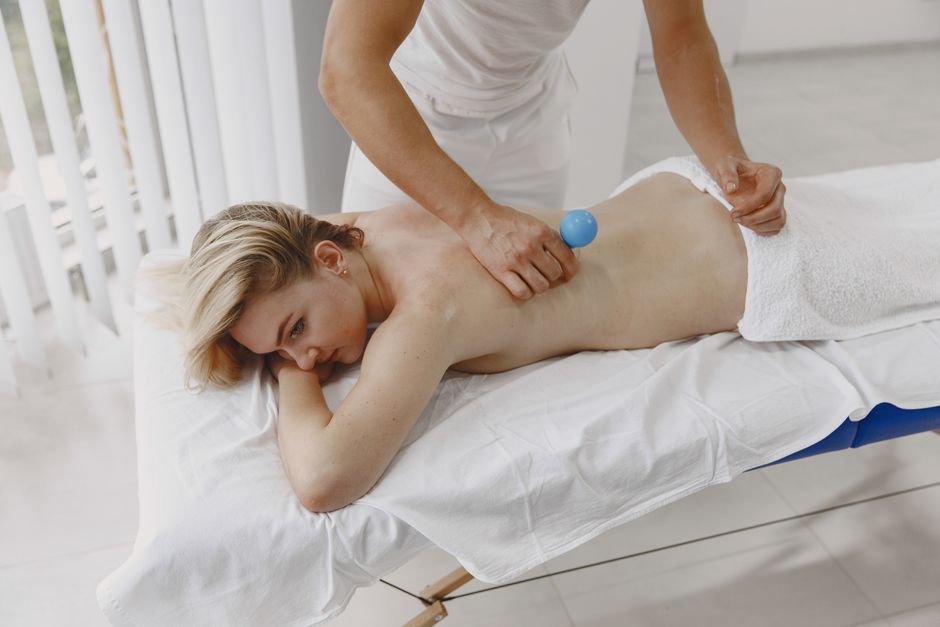
High-Impact Tech Investments:
- Percussion Guns: Tools like Theragun or Hypervolt are excellent for warming up tissue before you go deep or for working on specific trigger points with less strain on your own body.
- Pneumatic Compression: Systems like Normatec boots are a client favorite. You can have a client using compression on their legs for 20 minutes to flush out lactic acid while you work on their upper body. It's an efficient way to offer two treatments at once.
- Infrared Heat: A simple infrared lamp or a full sauna blanket can help increase circulation and relax muscles before you begin, making your hands-on work more effective from the first touch.
Introduce these as add-ons or, even better, build them into new, premium-tiered services. A "Pro Recovery Session" that includes 30 minutes of hands-on work, 20 minutes of compression, and targeted percussion therapy is a much more compelling and profitable offering than a standard 60-minute massage.
Build Your Educational Platform
Your expertise shouldn't be confined to the four walls of your treatment room. When you educate your clients, you build authority and trust, making you an irreplaceable resource. This doesn't have to be complicated or time-consuming.
Start by creating simple, branded PDF guides with 3-5 key stretches or mobility exercises for your niche clients. A "Top 5 Stretches for Runners" guide that you email after their first session is incredibly valuable. It shows you care about their results beyond the appointment and reinforces your expertise.
This is where a good business management system comes into play. A platform like REZVA gives you a booking page that is open around the clock, so clients see your services and free times and book without messaging you. It’s a professional touch that keeps you top-of-mind and builds lasting client loyalty.
Rethink Your Service Menu and Pricing
If your menu is still just a list of times—30, 60, 90 minutes—you are leaving money on the table and underselling your expertise. It’s time to shift from selling time to selling outcomes.
Restructure your menu around packages and protocols designed for your niche. This approach accomplishes two key business goals: it demonstrates a clear path to results for the client, and it secures recurring revenue for you.
Outcome-Based Menu Examples:
- The Marathon Prep Package: A series of four targeted sessions booked over the two months leading up to race day, focusing on leg recovery, hip mobility, and flushing.
- The Golfer's Tune-Up Protocol: A 3-session package aimed at improving swing rotation and addressing common elbow and shoulder issues.
- The Post-Competition Reset: A premium single session that combines manual therapy, compression, and targeted stretching to accelerate recovery after a major event.
When you sell a package, you’re not just selling massages; you’re selling a solution to a problem. This strategic shift in positioning allows you to command higher prices and attract more committed clients.
Conclusion: Become the Specialist They Can't Replace
The sports massage landscape of 2026 and beyond won't be won by the therapist with the lowest price or the most open availability. It will be dominated by the specialists who niche down, integrate science and technology, educate their clients, and sell tangible outcomes. By evolving your practice now, you’re not just staying competitive; you’re building a more resilient, profitable, and professionally fulfilling business for the years to come.
Frequently Asked Questions
Q: I'm worried about investing in expensive tech. Where should I start?
A: Start small and strategically. A professional-grade percussion gun or a quality set of IASTM tools offers a huge return with a relatively low initial investment. You can integrate them into your existing sessions immediately to improve results and save wear and tear on your own body. Master one tool and see how your clients respond before adding another.
Q: How do I find my niche without alienating my current clients?
A: Think of it as a gradual pivot, not an abrupt change. Start by paying attention to which clients and conditions you most enjoy working on and see the best results with. Begin creating content and marketing materials (even just on social media) that speak directly to that group. You can continue serving your loyal, existing clientele while your marketing efforts slowly start to fill your schedule with your ideal niche clients. Over time, your practice will naturally shift.
Q: Won't creating packages limit client flexibility and feel too salesy?
A: Not at all, if framed correctly. You can and should still offer single sessions. However, present your packages as the most effective and efficient path to achieving a specific goal. It's not a hard sell; it's expert guidance. You're providing a clear, structured roadmap for their recovery or performance enhancement, which builds trust and shows you're invested in their long-term success.
This article was produced with AI assistance and reviewed by REZVA.
- sports massage techniques
- massage therapy business
- client retention strategies
- wellness service pricing
- professional development for therapists
- holistic client care
- building a niche practice
Take bookings for massage online.
Clients book themselves from your profile and a deposit covers the no-shows. Free to start, no card. Founding members get Pro free for 12 months, then their price is locked.
98
spots left of 100
12
months of Pro, free
0%
commission on bookings