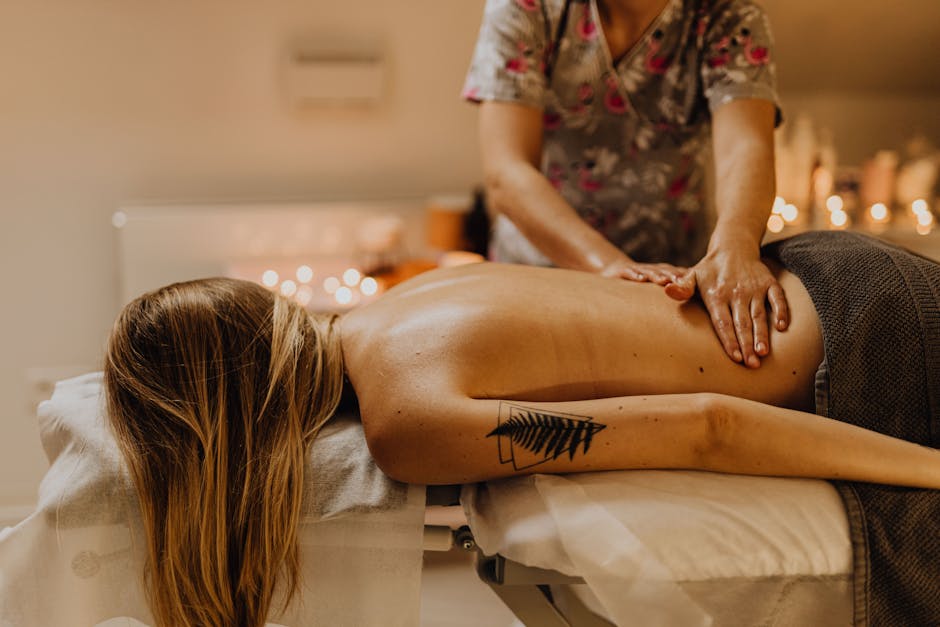
Your Deep Tissue Massage Skills Are Solid. Why Is Your Schedule Spotty?
The secret to a fully-booked deep tissue practice isn't a magic technique. It's the disciplined, unglamorous habits you build behind the scenes.
5 min read
Your Deep Tissue Massage Skills Are Solid. Why Is Your Schedule Spotty?
You know the feeling. You’ve just finished a grueling 90-minute deep tissue session. Your knuckles are tired, your forearms are burning, and you’ve poured every ounce of your anatomical knowledge into releasing a client’s chronic rhomboid tension. They get off the table looking like a new person, singing your praises. You’re a fantastic therapist. Your technique is impeccable.
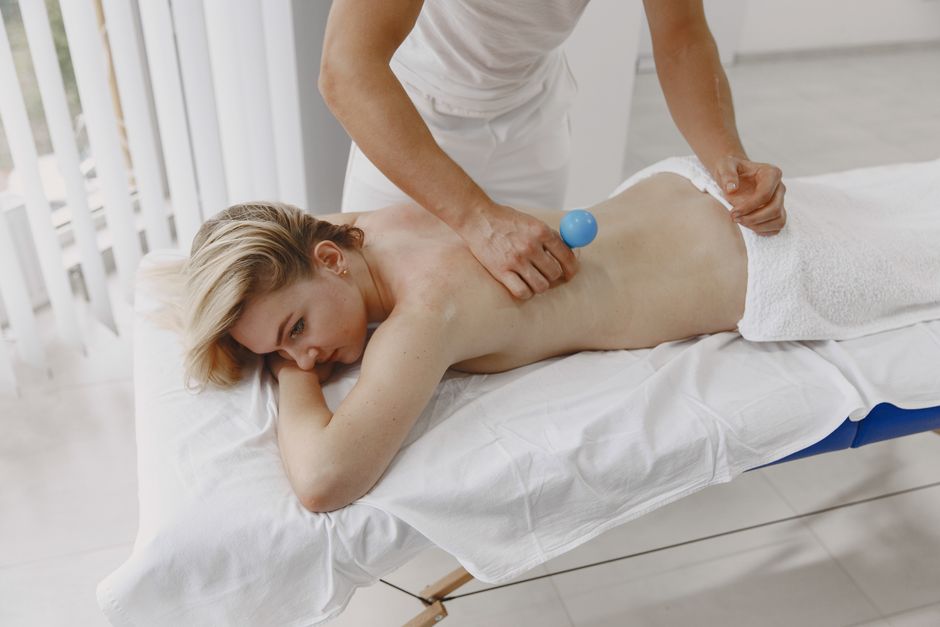
Then you look at your schedule for next week. You see gaps. Big, glaring, income-draining gaps.
Meanwhile, you know a therapist down the street—or maybe you just follow them on social media—whose schedule is booked solid for the next three months. You know for a fact your trigger point therapy is just as good, if not better. So what gives? What’s their secret?
Talk to enough wellness professionals, practitioners and consultants alike, and one thing becomes clear: the secret isn’t a secret at all. It’s not some magical new modality or a fancy marketing budget. The difference between a struggling therapist and a fully-booked one lies in a set of consistent, disciplined, and frankly, unglamorous habits. It’s the work you do when the client isn’t on the table that truly fills your schedule.
Let’s pull back the curtain on the gritty, everyday routines that build a six-figure deep tissue practice.
The Obsessive Pre- and Post-Session Ritual
Every specialist cleans the room and changes the linens between clients. That’s basic sanitation. The top-tier specialists, however, have a ritual that goes far deeper and is entirely focused on the client’s clinical progress and personal experience.
Before the client even walks in, they’re spending five minutes reviewing their detailed notes from the last session. This doesn’t mean a quick glance at a SOAP note that says, “Sore L shoulder.” It means notes that read: “Client reported 7/10 pain in L supraspinatus, likely aggravated by long hours at the computer for their Q3 report. Responded well to stripping massage followed by IASTM on the upper traps. Sent home with doorway pectoral stretch. Check in on progress with that stretch.”
This level of detail allows you to start the session with an informed question like, “Last time, we focused on that tension in your left shoulder from that big project at work. How did it feel the following week, and were you able to try that stretch?”
The client is instantly reminded that you don’t just massage them; you listen, you remember, and you are a partner in their wellness journey. This is how you differentiate yourself from the generic spa experience.
Equally important is the post-session work. The moment the client leaves, before you even think about your next one, block out 10 minutes. Use this time to update your notes while the session is fresh in your mind. What did you find? What worked? What didn’t? Did they mention a new stressor, an upcoming vacation, or a new fitness goal? Note it all down. This data is gold. It’s the foundation for every future session and the key to building lasting client relationships.
Mastering the Art of the Follow-Up (Without Being Salesy)
For most therapists, the transaction ends when the client’s payment is processed. For a booked-solid specialist, that’s just the halfway point.
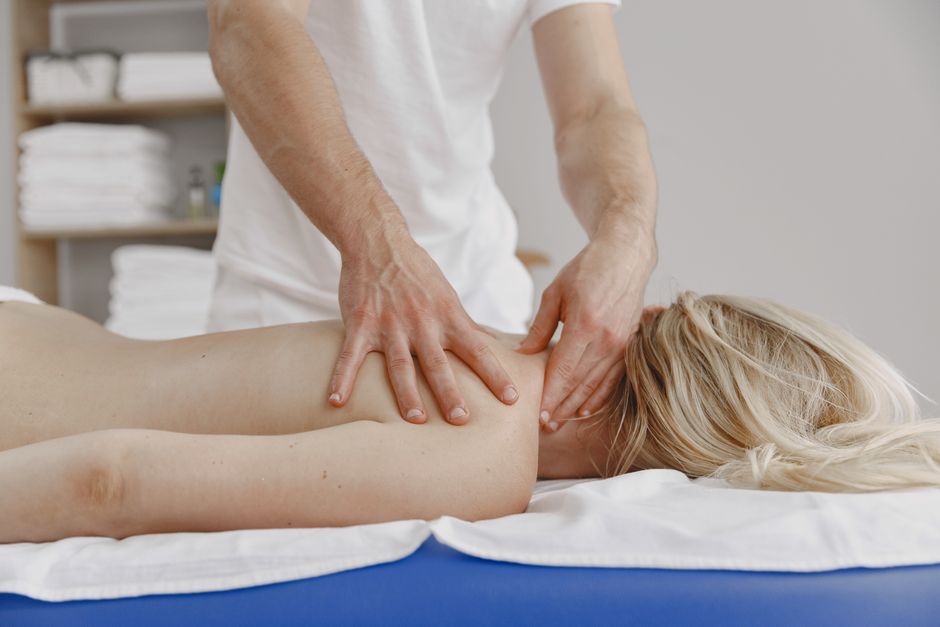
A strategic, personalized follow-up 24-48 hours after a deep tissue session is one of the most powerful, yet underutilized, tools in our arsenal. This is not a generic, automated “How was your massage?” email. This is a quick, personal text or email that reinforces your expertise and demonstrates genuine care.
Try a script like this:
“Hi [Client Name], [Your Name] here. Just wanted to check in and see how your lower back is feeling today after our work on the QL yesterday. It’s normal to feel a bit tender, so remember to use that heat pack we discussed. Let me know if you have any questions!”
This simple message accomplishes three critical things:
- It shows you care. You’re thinking about them beyond the appointment time.
- It reinforces your professional advice. You’re reminding them of their self-care homework, which improves their results.
- It keeps you top-of-mind. When they think about massage, they think about the professional who is actively invested in their well-being.
This is where leveraging technology becomes a non-negotiable. Manually tracking this for every client is a recipe for burnout. Using a smart platform like REZVA to manage your client database and schedule allows you to keep detailed notes and communications in one place, freeing up the mental space to craft these quick, personalized check-ins that make all the difference.
The Unsexy Discipline of Body Maintenance
Let’s be blunt: your body is your most valuable piece of equipment. If it breaks down, your business closes. The most successful deep tissue specialists treat themselves like professional athletes, and their self-care is a non-negotiable, scheduled part of their work week.
This isn’t about bubble baths and face masks (though those are great, too). This is about the gritty, preventative maintenance that ensures career longevity.
- Strength Training: Your work is physically demanding. You need to be strong to avoid injury. This means dedicated time in the gym focusing on core stability, posterior chain strength (glutes, hamstrings, back), and grip strength. It’s not about getting bulky; it’s about building the resilience to perform 5-6 demanding sessions a day without falling apart.
- Receiving Bodywork: You cannot give what you do not have. Getting regular massage, chiropractic care, or physical therapy isn’t an indulgence; it’s a business expense and a professional necessity. It keeps your own body in check and reminds you what it feels like to be the client on the table.
- Technique Refinement: Are you still relying too much on your thumbs? The best therapists are masters of body mechanics, seamlessly switching to use their forearms, elbows, and knuckles to deliver pressure without shredding their joints. This is a skill that requires constant, conscious practice.
Ignoring your own physical needs is the fastest way to burn out of this profession. Scheduling your own maintenance first, and then booking clients around it, is the mark of a true professional who plans to be in this business for the long haul.
Building Your Referral Engine, One Client at a Time
You can spend a fortune on ads, but nothing will ever beat the power of a word-of-mouth referral from a happy client. Fully-booked therapists aren’t just waiting for these to happen; they are actively and systematically cultivating them.
How? By executing the previous habits flawlessly.
When you take meticulous notes, follow up personally, and are always performing at your physical peak, you create an unparalleled client experience. The results speak for themselves, and clients become walking, talking billboards for your business.
The final piece is learning to make "the ask" feel natural. The perfect time is when a client is expressing their gratitude. When they say, “I feel a million times better, thank you so much,” it’s the perfect opening.
Instead of just saying “You’re welcome,” try this:
“I’m so glad to hear that! That’s exactly what we’re aiming for. You know, most of my new clients come from referrals from happy clients like you. If you ever have a friend or coworker complaining about that same kind of shoulder pain, I’d be honored if you sent them my way.”
It’s not pushy. It’s a confident, professional invitation that links their positive experience directly to the act of referring. Make it easy for them with a digital business card or a simple link to your online booking page.
The path to a consistently full schedule isn't paved with glamour. It’s paved with the discipline of detailed notes, the consistency of thoughtful follow-ups, the sweat of personal body maintenance, and the courage to build a referral network. These are the habits that transform your incredible technical skills into a thriving, sustainable, and deeply rewarding deep tissue practice.
Frequently Asked Questions
Q: How much time should I realistically block out for notes and follow-up per client?
A: A great starting point is to block 10 minutes immediately after the session for detailed note-taking and another 5 minutes the next day for a personalized follow-up message. It might feel like a lot at first, but this 15-minute investment per client is what builds the trust and loyalty that leads to rebookings and referrals.
Q: My hands and wrists are starting to hurt after long days. What are some immediate changes I can make?
A: First, consciously shift to using other tools. Your forearms, elbows, and even soft fists can deliver deep pressure effectively while saving your delicate hand and thumb joints. Second, look into regular contrast baths (alternating hot and cold water immersions) to reduce inflammation. Most importantly, do not push through the pain. Consider it a warning sign and book a session with a physical therapist to get targeted exercises for your specific needs.
Q: I feel awkward asking for referrals. How can I make it more natural?
A: Timing is everything. The most natural time to ask is right after a client expresses satisfaction with their session. Frame it as a way to help others like them. Saying something like, "I love working with clients who are dealing with [their specific issue]. If you know anyone else struggling with that, I'd be happy to help," connects the ask to your expertise and their positive outcome, making it feel less like a sales pitch and more like an offer to help.
This article was produced with AI assistance and reviewed by REZVA.
- deep tissue massage business
- client retention for massage
- massage therapist marketing
- building a massage practice
- professional self-care
- massage booking software
- client management tips

Take bookings for massage online.
Clients book themselves from your profile and a deposit covers the no-shows. Free to start, no card. Founding members get Pro free for 12 months, then their price is locked.
98
spots left of 100
12
months of Pro, free
0%
commission on bookings