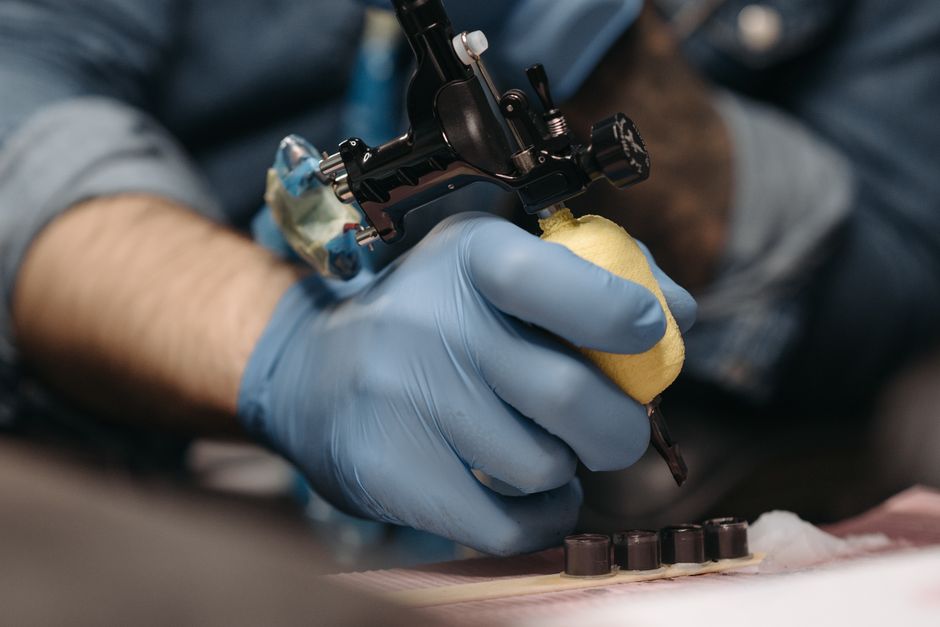
How to Price Watercolor Tattoos Fairly and Profitably
Struggling to price your unique watercolor tattoo art? This guide breaks down the key factors to help you set profitable, confident rates.
4 min read

Hello, fellow artists. Priya here. In my 12 years as a makeup artist, I’ve learned that one of the hardest things we do has nothing to do with a brush or a needle. It’s putting a price on our art. We pour our skill, creativity, and time into our work, whether it’s a flawless bridal look or an intricate piece of body art. But when it comes time to talk numbers, many of us freeze up.
This is especially true for those of you specializing in watercolor tattoos. You’re not just tattooists; you’re painters working on the most challenging canvas imaginable. Your work is unique, and your pricing should be, too. If you've ever felt unsure about your rates or struggled to explain your value to a client, you're in the right place. Let's break down how to confidently and profitably price your incredible watercolor tattoo work.
Why Your Watercolor Art Demands a Specialized Pricing Strategy
First, let's establish a critical fact: a watercolor tattoo is not the same as a traditional, line-work-heavy piece, and it shouldn't be priced like one. The skills and processes involved are fundamentally different, and your pricing model must reflect this elevated level of artistry.
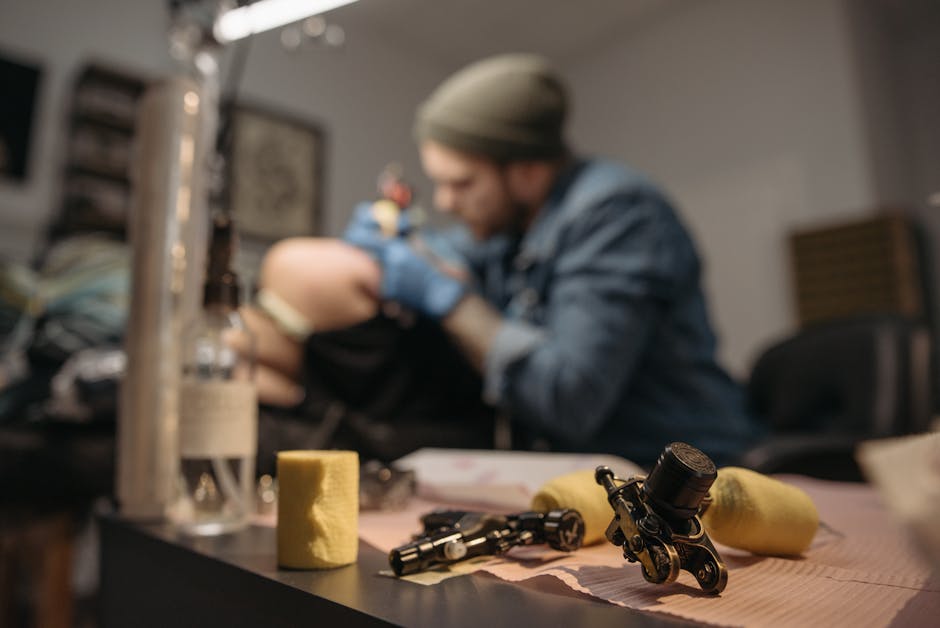
Think about what goes into your work:
- Advanced Color Theory: You’re not just filling in lines. You’re blending, creating gradients, and managing color saturation to mimic the transparency and flow of actual watercolor paint on paper. This requires a deep, practical understanding of color theory that goes beyond standard tattooing.
- The Design Process: Often, creating a watercolor design is more intensive. It might involve digital painting mockups or even creating a physical painting first to perfect the composition and color flow before it ever touches the skin. This is significant, unbillable creative time if you don't account for it.
- Technical Application: Achieving those soft edges, subtle bleeds, and vibrant splashes without defined black outlines requires immense control and a specific technical approach. There's less room for error, and the technique is far from standard.
When we price our services, we’re not just charging for the hour the client is in the chair. We’re charging for the years of practice, the specialized knowledge, and the unique artistic vision we bring. Your pricing is a reflection of your expertise.
The Core Factors of Your Pricing Formula
Okay, so we know why it’s different. Now let’s get into the how. A solid pricing structure isn't pulled from thin air; it’s a formula based on tangible business realities. Forget what others are charging for a moment and focus on building your price from the ground up.
Hourly Rate vs. Flat Rate
This is the classic debate. For watercolor work, I’m a strong advocate for a hybrid approach. A flat rate per piece is often best because it provides clarity for the client and rewards your efficiency. You’re pricing the art, not just the time. However, this flat rate should be calculated based on a target hourly rate.
To find your ideal hourly rate, you must factor in all your business expenses:
- Studio rent and utilities
- Supplies (inks, needles, hygiene products, machine maintenance)
- Insurance and licensing fees
- Marketing and software costs
- Taxes (please, set aside money for taxes!)
- Your personal salary and profit
Once you have a baseline hourly rate that keeps your business healthy, you can use it to estimate project costs. A piece you estimate will take 4 hours at a $202.55/hour rate gives you a starting point of $810.22.
The Value Modifiers: Complexity, Size, and Placement
Your baseline rate is just the start. Now, we adjust for the specifics of the art itself.
Complexity & Detail: This is the biggest factor for watercolor tattoos. A simple, monochromatic color splash is worlds away from a photorealistic portrait of a hummingbird with dozens of blended shades. Create tiers of complexity for yourself (e.g., Simple, Moderate, Complex, Masterpiece) and assign a multiplier or a flat upcharge to each.
Size & Placement: Size is straightforward—more skin means more time and ink. But placement is just as important. A forearm is a relatively easy canvas. The ribs, neck, feet, or sternum? That’s difficult terrain. The skin is tougher to work with, it’s more painful for the client (meaning more breaks), and it requires more physical effort from you. Apply a "difficult placement" fee of 15-25% to account for this added challenge.
From Price Tag to Investment: Communicating Your Value
You can have the most logical pricing in the world, but if you can't communicate its value, you'll constantly face pressure to discount your work. Your job is to shift the client's mindset from seeing your service as a "cost" to seeing it as an "investment" in permanent, custom art.
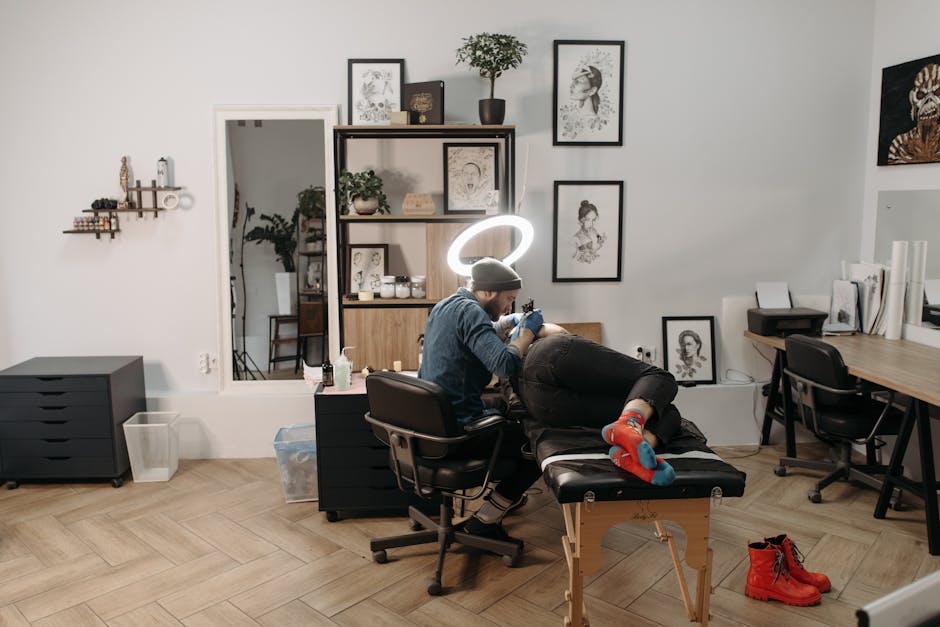
The consultation is your stage. This is where you educate your client. Walk them through your process. Show them examples from your portfolio, explaining why a certain blend was difficult or how you achieved a particular texture. When they understand the skill involved, the price makes sense.
Your portfolio is your most powerful tool. Invest in high-quality photos and—crucially—showcase plenty of healed work. One of the biggest client concerns with watercolor tattoos is how they age. A portfolio full of beautifully healed pieces is the ultimate proof of your quality and skill, making it much easier to justify a premium price.
Structuring Your Pricing: Tiers, Deposits, and Policies
A professional artist needs professional policies. This protects your time, manages client expectations, and solidifies your status as a serious business owner.
- Establish a Studio Minimum: No tattoo should cost less than a certain amount, period. Your minimum covers your setup time, single-use supplies, and the appointment slot. It ensures that even the smallest tattoo is profitable.
- Always Take a Deposit: A non-refundable deposit is non-negotiable. It secures the booking and compensates you for your initial design time and consultation if the client backs out. It filters out clients who aren't serious and protects you from no-shows.
- Put Your Policies in Writing: Have a clear, concise policy for deposits, cancellations, rescheduling, and touch-ups. Present it to the client before they book so there are no surprises.
Managing all these moving parts—consultations, deposits, client communication, and scheduling—can be overwhelming. Using a dedicated platform like REZVA is a game-changer for streamlining your operations and presenting a polished, professional front. You can automate your booking, handle payments securely, and keep all your client info in one place, which frees you up to focus on your art. Professionals can learn more about building their business on REZVA's page for specialists.
Your Art Has Value. Price It Accordingly.
At the end of the day, pricing is an act of self-respect. It’s a declaration of your skill, your dedication, and the value of the unique art you create. Don’t price based on fear or what you *think* someone is willing to pay. Build your prices on a solid foundation of business costs, skill level, and the incredible, living art you produce.
You are a specialist in a highly sought-after field. Be confident, be clear, and charge what you’re worth. Your business—and your peace of mind—will thank you for it.
Frequently Asked Questions
How do I handle clients who try to haggle on my price?
Stay firm and professional. You can say something like, "I understand that this is an investment, and my prices are set to reflect the custom nature of the design, my experience, and the quality of the materials I use." Instead of lowering your price, you can offer to simplify the design or reduce the size to better fit their budget. Never devalue your time.
Should I charge a separate fee for the design process?
This is a great strategy. You can either charge a separate, non-refundable "drawing fee" before you start the design or make your booking deposit large enough to cover that initial creative time. This ensures you're always compensated for your labor, even if the client decides not to get the tattoo.
How often should I review and adjust my prices?
A good rule of thumb is to review your pricing annually. You should also re-evaluate any time your major business expenses increase (like studio rent or a significant jump in supply costs). And importantly, as your skills improve and your demand grows, your prices should grow to match.
Prices are shown in US dollars, converted from euros at the European Central Bank reference rate of 16.10.2026 and rounded.
This article was produced with AI assistance and reviewed by REZVA.
- watercolor tattoo pricing
- tattoo artist business tips
- pricing creative services
- independent artist guide
- client communication for artists
- tattoo studio management
- beauty business finance

Take bookings for tattoo online.
Clients book themselves from your profile and a deposit covers the no-shows. Free to start, no card. Founding members get Pro free for 12 months, then their price is locked.
98
spots left of 100
12
months of Pro, free
0%
commission on bookings