The Silent Signals Your Underarm Wax Client Is Sending
They're wincing but say they're fine. Discover the unspoken cues from your underarm wax clients and how to turn a dreaded service into a premium experience.
4 min read
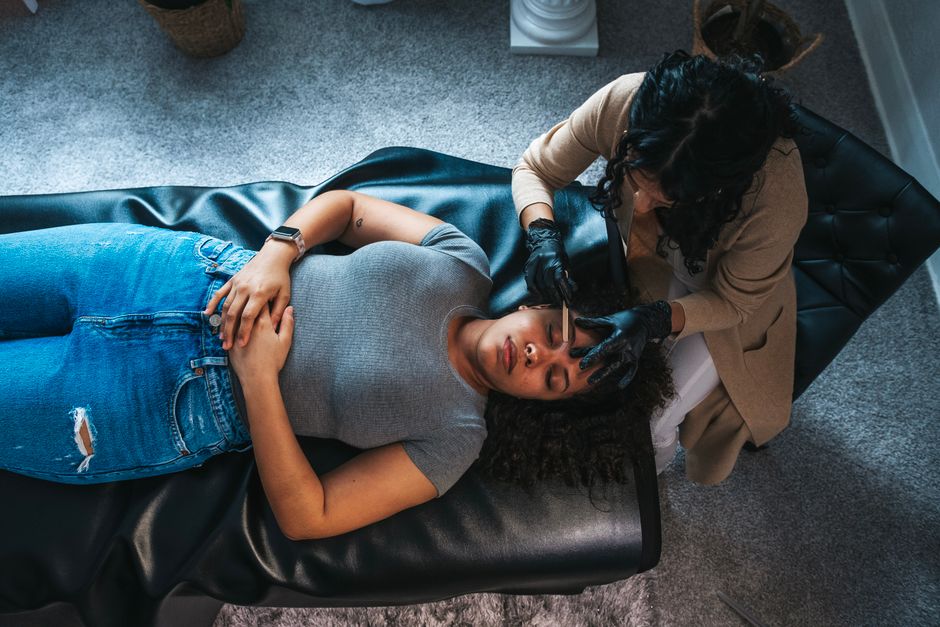
We’ve all been there. The client is on the table, arm stretched awkwardly above their head. You’re moving quickly, efficiently—cleanse, apply, pull, repeat. You ask, “Doing okay?” and through a tight smile, they reply, “Yep, totally fine!” But you see the slight wince, the white knuckles, the held breath. They’re not fine. They’re just enduring.
The underarm wax is one of the quickest, most routine services we offer. It’s a staple, a bread-and-butter appointment that fills the gaps in our schedule. But because it’s so fast and the area so intimate, it’s also the service where clients are least likely to voice their discomfort. They won’t tell you the wax is a touch too hot, that their arm is cramping, or that they’re terrified of the post-wax irritation they got last time. They’ll just pay, leave, and maybe decide to shave next time instead of rebooking with you.
As a salon owner, I’ve learned that the key to turning these quick, transactional appointments into a foundation for client loyalty lies in mastering the unspoken. It’s about anticipating needs and elevating the experience beyond just hair removal. Let’s break down what your clients are secretly wishing you knew, and how we can proactively address it.
It Starts Before the Wax Even Touches Their Skin
The client’s anxiety often begins the moment they lie down. They’re worried about pain, sweat, and deodorant residue. A rushed, perfunctory cleanse doesn’t do much to ease their mind or properly prep the skin. This is our first opportunity to build trust.
The Technique Tweak: Instead of a quick swipe with a generic cleanser, elevate your prep into a deliberate ritual.
- Verbalize Your Process: As you cleanse, explain what you’re doing. “I’m starting with a pre-wax cleanser. This is going to remove any oil or deodorant residue to make sure the wax can grab the hair perfectly, which means a cleaner, more comfortable removal for you.” This simple narration is incredibly reassuring.
- Use a Quality Product: Invest in a professional-grade cleanser designed for waxing, like Cirepil Blue Lotion or GiGi Pre-Hon. These products effectively prep the skin without stripping it.
- Address Moisture Proactively: If you notice any perspiration (which is completely normal!), don’t just ignore it. Lightly dust the area with a fine layer of cornstarch or a professional pre-wax powder. This absorbs moisture instantly and provides a protective barrier for the skin. It shows the client you’re an expert who is prepared for any situation.
This thoughtful prep phase takes an extra 30 seconds but communicates volumes. It tells the client you’re meticulous, professional, and focused on their comfort, not just the clock.
The Art of Comfortable (and Effective) Positioning
“Just put your hand behind your head.” It’s a simple instruction, but for many clients, it’s the start of an uncomfortable five minutes. Their shoulder might be tight, their arm might fall asleep, or the angle just feels awkward. An uncomfortable client is a tense client, and tense muscles can make a wax more painful.
The Technique Tweak: Guide them into position with care and offer support. The goal is to get the skin taut, but not at the expense of their comfort.
- Use Better Language: Instead of a blunt command, try a softer, more descriptive approach. “Could you relax your arm back and rest your hand behind your neck, almost like you’re lounging by the pool?” This phrasing sounds more relaxing and often achieves a better, more natural position.
- Offer Physical Support: This is a game-changer. Keep a small, rolled-up towel or a half-moon bolster on your waxing cart. If a client seems stiff, offer to place it under their shoulder blade or neck for support. This small gesture of consideration is something they will absolutely remember.
- Work with Your Client: If the standard position isn’t working, adjust. Have them stretch their arm straight up, holding onto the top of the treatment table. The key is to find what gives you the best canvas while keeping them comfortable. A client who isn’t in a strained position is more likely to relax, leading to a better wax experience.
Mastering Temperature and Application
Every client has a horror story—or has heard one—about being burned by wax. It’s their number one silent fear. Even if your pot is thermostatically controlled, you need to provide visible proof that you’re prioritizing their safety.

The Technique Tweak: Make your safety checks a visible part of the service. I personally believe hard wax is the superior choice for underarms as it’s gentler on the delicate skin, but these principles apply to soft wax as well.
- The Visible Wrist Test: Before the wax ever gets near your client, always test the temperature on your own inner wrist, right in their line of sight. Do it with every single new applicator.
- The First-Touch Check-In: When you apply that first patch of wax, immediately ask, “How does that temperature feel for you?” This gives them a specific moment to give feedback and shows you value their input. Nine times out of ten they’ll say it’s perfect, but that one time it’s a little too warm, you’ll have saved yourself a client and a potential bad review.
- Confident Application: Apply your wax with firm, confident pressure. This ensures the wax fully envelops the hair, which means you won’t have to go over the same area twice—a major source of irritation. A clean, single pull is the goal.
The Post-Wax Soothe: Your Final Impression
The service isn’t over when the last strip is pulled. The final one to two minutes are your chance to soothe the skin, prevent irritation, and cement your status as a top-tier professional. Rushing this step is a mistake.
The Technique Tweak: Create a post-wax protocol that calms the skin and educates the client.
- Immediate Soothing: After the final pull, apply firm pressure to the area with your hand for a few seconds to calm the nerve endings. You can also apply a cool, clean compress (I keep cotton rounds soaked in witch hazel in a small cooler) for a moment. The cooling sensation is incredibly relieving.
- Educate on Aftercare: Don’t just send them out the door. Briefly explain the essential aftercare: “For the next 24 hours, I recommend avoiding deodorant, hot showers, and intense workouts to let the skin calm down.” Then, provide the solution to their next unasked question: ingrown hairs. “In about two days, you can start gently exfoliating the area a few times a week to prevent any bumps.”
- Provide Expert Recommendations: This is the perfect time to recommend a specific post-wax care product you retail, like a serum with salicylic acid (e.g., Finipil) to prevent ingrowns. This isn't just an upsell; it's providing a complete solution. Making a quick note in their client profile on a platform like REZVA helps you remember to follow up at their next appointment, showing you truly care about their long-term results.
By implementing these small, intentional upgrades, you transform a basic maintenance appointment into a premium, thoughtful service. You’re not just a waxer; you’re a skin expert they can trust. That trust is what turns a one-time visitor into a loyal client who not only rebooks every four weeks but also tells their friends exactly where they need to go.
Frequently Asked Questions
Q: What's the best way to handle a client who is extremely sweaty during their underarm wax?
A: First, normalize it! Reassure them that it's a common physiological response. Keep a container of cornstarch or a professional pre-wax powder within reach. After cleansing the skin, apply a very light dusting of powder to the area. It will absorb the excess moisture without interfering with the service and help the wax adhere properly to the hair, not the skin. Having a small, quiet fan nearby can also enhance client comfort.
Q: Should I use hard wax or soft wax for underarms?
A: While this often comes down to professional training and preference, many seasoned estheticians, myself included, strongly prefer hard wax for the underarm area. Hard wax (or stripless wax) is designed to "shrink-wrap" the hair as it cools, adhering only to the hair itself and not the skin. This significantly reduces lifting and irritation on this delicate, sensitive skin, resulting in a more comfortable experience for the client.
Q: How can I make the underarm wax service faster without compromising on quality or comfort?
A: True efficiency comes from your setup and your system, not from rushing the client. Have your station perfectly prepped before they even walk in—wax at temperature, applicators, cleansers, and post-wax products all within arm's reach. Focus on perfecting your technique so you can apply wax to a large, clean section and remove it in one go. Eliminating the need to go back over "stray" hairs is the biggest time-saver of all.
This article was produced with AI assistance and reviewed by REZVA.
- underarm waxing techniques
- client comfort tips
- waxing business strategy
- esthetician best practices
- improving client retention
- professional waxing services
- salon service enhancement
Take bookings for waxing online.
Clients book themselves from your profile and a deposit covers the no-shows. Free to start, no card. Founding members get Pro free for 12 months, then their price is locked.
98
spots left of 100
12
months of Pro, free
0%
commission on bookings