That 60-Minute Full Leg Wax: Is It Helping or Hurting Your Bottom Line?
An honest profitability breakdown of full leg waxing. We'll crunch the numbers on product cost, time, and how to make this service work for you.
5 min read
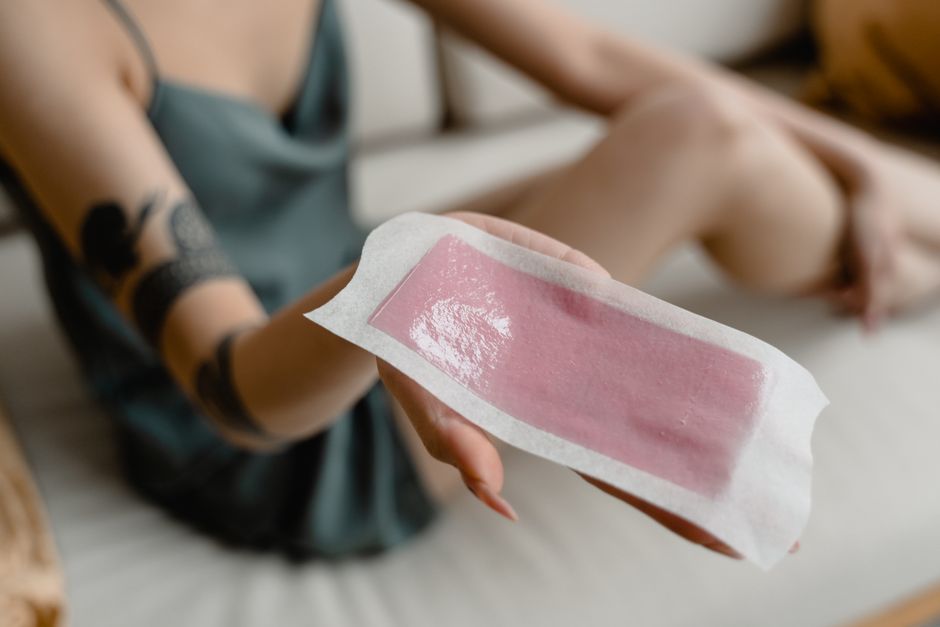
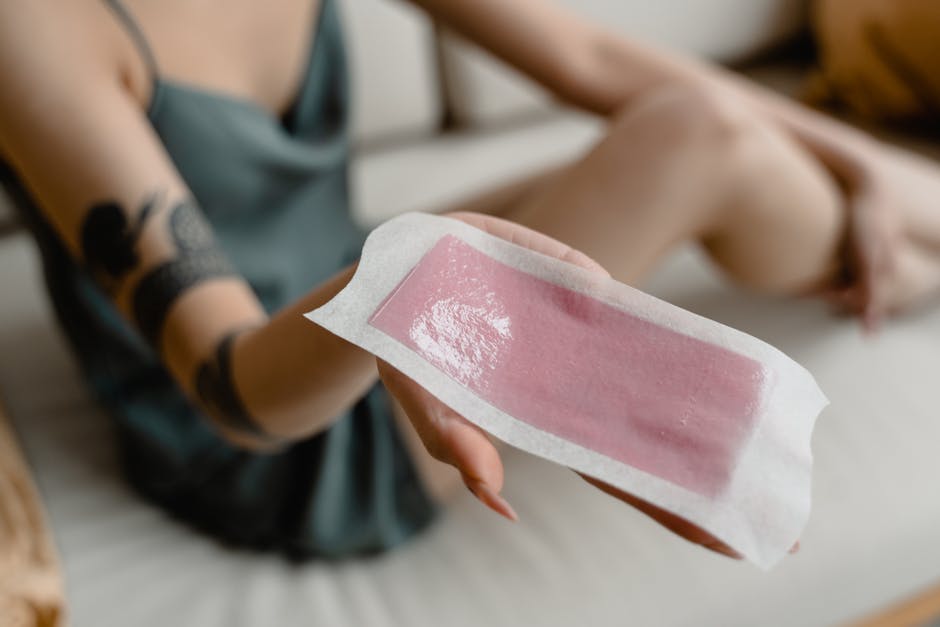
You know the feeling. You glance at your schedule for the day and see it: a 60-minute block for a “Full Leg Wax.” Your heart doesn’t exactly leap for joy. Instead, a quiet calculation begins in your head. That’s an hour of physically demanding work, a mountain of used wax strips, and a significant dent in your new tin of wax. All for a price that, when you really think about it, feels a little… thin.
In that same hour, you could have done three brow shapes and tints, or a Brazilian and underarm combo. Services that are faster, use a fraction of the product, and often have a higher profit margin. It’s the classic dilemma that keeps so many of us up at night: is this popular, seemingly staple service actually earning its keep on my menu? Or is it a low-profit time-suck that’s holding my business back?
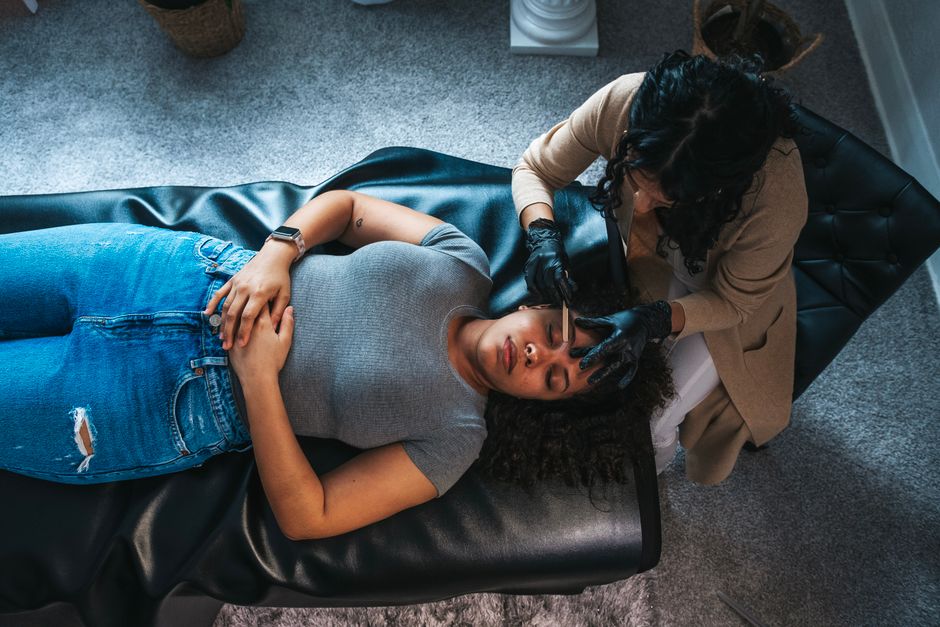
As a makeup artist who has also spent years in the treatment room, I’ve asked myself this exact question. I’ve been tempted to drop it from my menu entirely. But before you do, let’s do what savvy business owners do: run the numbers, analyze the strategy, and find out if we can turn this beast of a service into a beauty.
The Unfiltered Cost-Per-Service Breakdown
Before we can decide if a service is “worth it,” we need to know what it truly costs us to perform. Not just the price of the wax, but everything. Let’s get brutally honest.
1. Product Costs
This is the most obvious expense, but it’s often underestimated. Let’s say you charge $78.77 for a full leg wax.
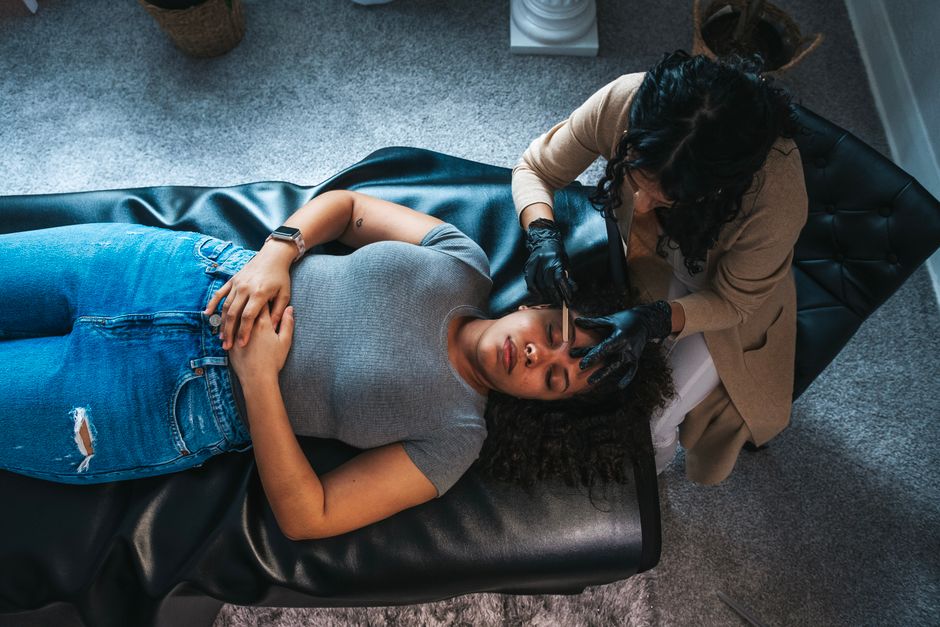
- Wax: A 2.2 lb bag of a quality hard wax like Cirepil or Berodin costs around $50. If you can get 4-5 full leg services out of it (which is pretty efficient), that’s $10-12 in wax alone. If you’re using soft wax, you have to factor in the cost of the wax itself plus the non-woven strips. This can sometimes be cheaper per service, but not always.
- Disposables: This adds up fast. Gloves, large and small applicators, pre-wax cleanser, post-wax oil, powder, cotton pads, and paper for the treatment bed. It’s conservative to budget another $5-8 per client for these items.
Total Product Cost: ~$15-20 per service. Suddenly that $78.77 service is down to $58.52 before you’ve paid for anything else.
2. Time & Overhead Costs
This is the silent killer of profitability. Your time is your most valuable asset. A “60-minute” appointment is never just 60 minutes.
- Setup/Cleanup: You need at least 10 minutes before to heat the wax, prep your station, and greet the client. You also need 10 minutes after to clean your pot, sanitize your tools, change the bed, and prepare for the next client. That’s 20 minutes of unpaid time. Your 60-minute service is actually blocking an 80-minute slot.
- Hourly Overhead: Calculate what it costs to keep your lights on for one hour. Add up your monthly rent, utilities, insurance, booking software subscription, and other fixed costs, then divide by the number of hours you work in a month. Let’s say your hourly overhead is $24.76.
So, let’s re-calculate:
$78.77 (Service Price) - $18.00 (Avg. Product Cost) - $24.76 (Hourly Overhead) = $36.01 profit for 60 minutes of hands-on work.
Now, compare that to three $30.38 brow waxes in that same hour. $91.15 (Revenue) - $9.00 (Product Cost) - $24.76 (Overhead) = $57.39 profit. That’s over 50% more profit for what is often less physically strenuous work. The raw numbers don't lie, and they often tell a scary story.
How to Turn Your Leg Waxing Service into a Profit Center
Okay, the numbers look bleak. But we’re problem solvers. Instead of axing the service, let’s optimize it. There are concrete strategies to widen that profit margin and make the full leg wax one of the smartest offerings on your menu.
1. Master Your Technique for Speed and Efficiency
The single biggest change you can make is to reduce your service time. Getting a full leg wax down from 60 minutes to 40-45 minutes completely changes the math. This isn’t about rushing; it’s about refining your technique.
- Go Hybrid: Don’t be a hard wax or soft wax purist. The most profitable estheticians use a hybrid method. Use a speed-waxing soft wax (a roll-on cartridge system is amazing for this) for the large, easy planes of the lower leg and thighs. Then, switch to a high-quality hard wax for the tricky, sensitive areas like the knees, ankles, and inner thighs.
- Long Strip Method: Practice applying longer, wider strips of wax. Laying one long strip on the shin is far faster than laying three short ones. This takes confidence and practice, but it’s a game-changer for your timing.
- Perfect Your Setup: Have a dedicated waxing trolley with everything you need perfectly organized and within reach. Don’t waste seconds hunting for a cotton round or extra spatulas. Every second saved adds up.
2. Price Intelligently and Bundle Everything
Your pricing structure can either hemorrhage money or build wealth. A single, flat price for a "Full Leg" is a rookie mistake.
- Create Tiers & Add-Ons: The real money is in the bundles. A full leg wax is the perfect foundation.
- Full Leg: $80
- Full Leg + Bikini Line: $100 (that $25 add-on takes 5 minutes and costs you $1 in product)
- Full Leg + Brazilian: $140 (the ultimate high-ticket wax combo)
- The Retail Connection: This is non-negotiable. Every leg wax client should walk out with a product. They need post-wax care to prevent ingrowns and maintain results. Have a simple, curated selection. A great dry brush, an ingrown hair serum (like PFB Vanish), and a soothing lotion. A $15 profit on a single retail product can increase your total profit from that one appointment by nearly 40%.
Think Beyond the Service: The Client Lifetime Value
Sometimes, a service’s primary value isn’t its direct profit margin. It’s its role as a “gateway” service—an entry point that brings new clients into your ecosystem.
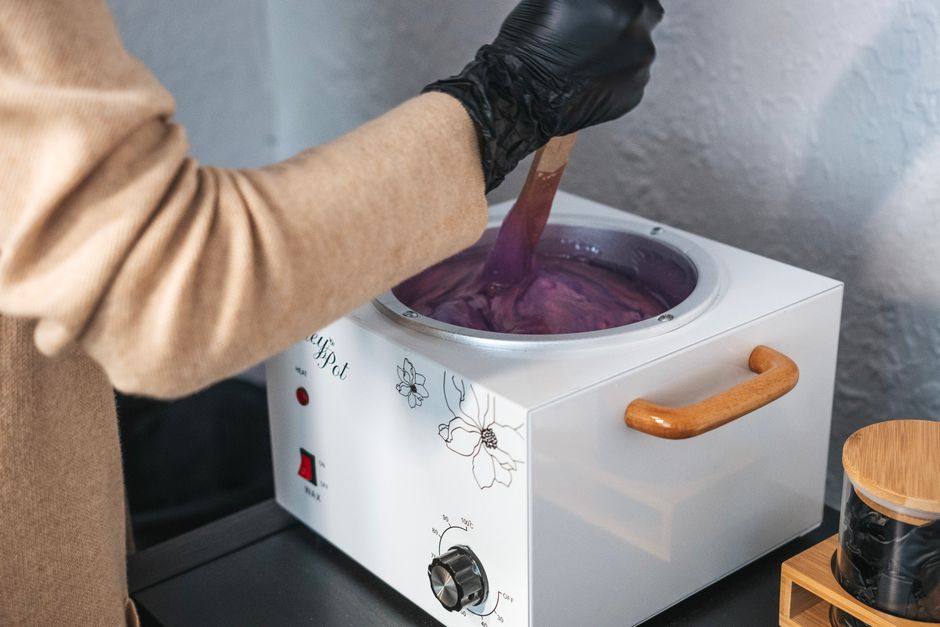
Think about it: a client willing to spend an hour with you for a leg wax is a prime candidate for other services. This is your chance to build incredible rapport. For 45 minutes, you can talk about their skin concerns, their lash goals, their upcoming vacation. You’re not just waxing their legs; you’re conducting the most effective consultation of your life.
The client who comes in for an $80 leg wax might be the same client who, a month later, books a $150 facial, gets a $95 lash lift, and becomes a loyal Brazilian client for years to come. The leg wax was just the first step in a relationship worth thousands.
This is where your business management software becomes your best friend. With a platform like REZVA, you can easily track a client’s history and see their total spend over time. Run a report on everyone whose first service was a leg wax and see what they booked next. The data will tell you if this service is a dead end or a golden doorway to higher-value repeat business.
So, is a full leg wax worth it? It’s not a simple yes or no. By itself, priced too low and performed too slowly, it can absolutely drain your resources. But when viewed as a strategic tool—optimized for speed, bundled for high-ticket sales, and used as a powerful client acquisition service—it can be one of the most valuable, foundational offerings in your entire business.
Don’t just guess. Do the math, refine your craft, and make that service work as hard for you as you do for your clients.
Frequently Asked Questions
Q: Should I use hard wax or soft wax for full legs to be most profitable?
A: A hybrid approach is often best. Soft wax with a roll-on cartridge system can be incredibly fast and efficient for large areas like thighs and shins, minimizing product cost and application time. Use a high-quality, flexible hard wax for sensitive or tricky areas like the knees, ankles, and the back of the thighs. This method gives you the best of both worlds: the speed of soft wax and the gentle precision of hard wax.
Q: My full leg waxes are taking me over an hour. How can I get faster without sacrificing quality?
A: Focus on your setup and application. Have everything—cleanser, powder, wax, strips, post-wax oil, tweezers—laid out within arm's reach before the client even enters the room. Practice applying longer, wider strips of wax. A common mistake that slows technicians down is using too many small strips, which doubles application and removal time. Also, ensure your wax is at the perfect temperature; wax that's too cool will drag and be difficult to spread thinly and evenly.
Q: How do I introduce a price increase for my leg waxing service without losing clients?
A: Give your clients plenty of notice—at least 4-6 weeks. Announce it via your email newsletter and in-person at their appointments. Frame the change around value, not just cost. For example: "To continue using the highest-quality Italian sensitive-skin wax and allow for the meticulous service you deserve, my full leg wax price will be adjusted to [New Price] starting [Date]." You can also soften the change by bundling it with a small, high-value add-on for the first month, like a complimentary soothing hydrojelly mask patch on the knees.
Prices are shown in US dollars, converted from euros at the European Central Bank reference rate of 16.10.2026 and rounded.
This article was produced with AI assistance and reviewed by REZVA.
- salon profitability
- esthetician business tips
- waxing service pricing
- spa menu engineering
- client lifetime value
- professional waxing techniques
- beauty business strategy
Take bookings for waxing online.
Clients book themselves from your profile and a deposit covers the no-shows. Free to start, no card. Founding members get Pro free for 12 months, then their price is locked.
98
spots left of 100
12
months of Pro, free
0%
commission on bookings