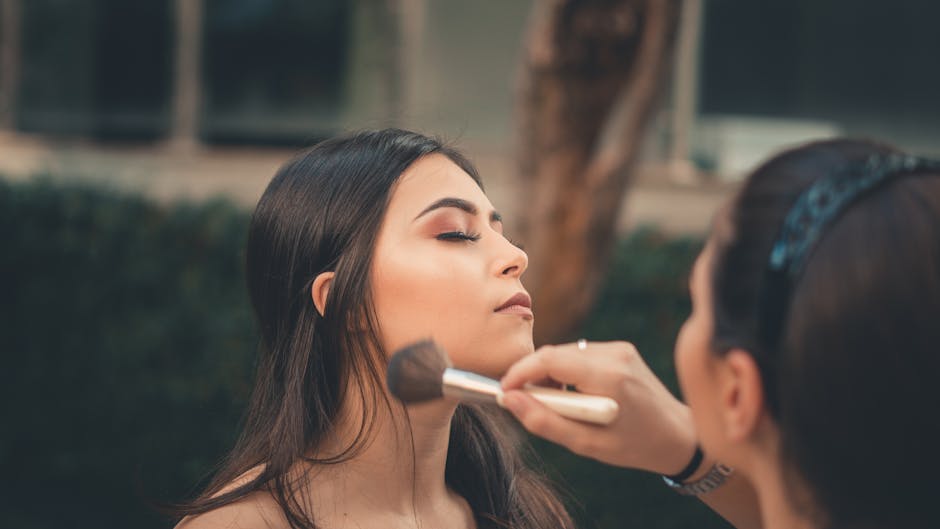
Your Pro Checklist: Building the Ultimate Everyday Makeup Kit
From skin prep to sanitation, here's my definitive checklist for curating an efficient, professional, and profitable everyday makeup kit.
4 min read
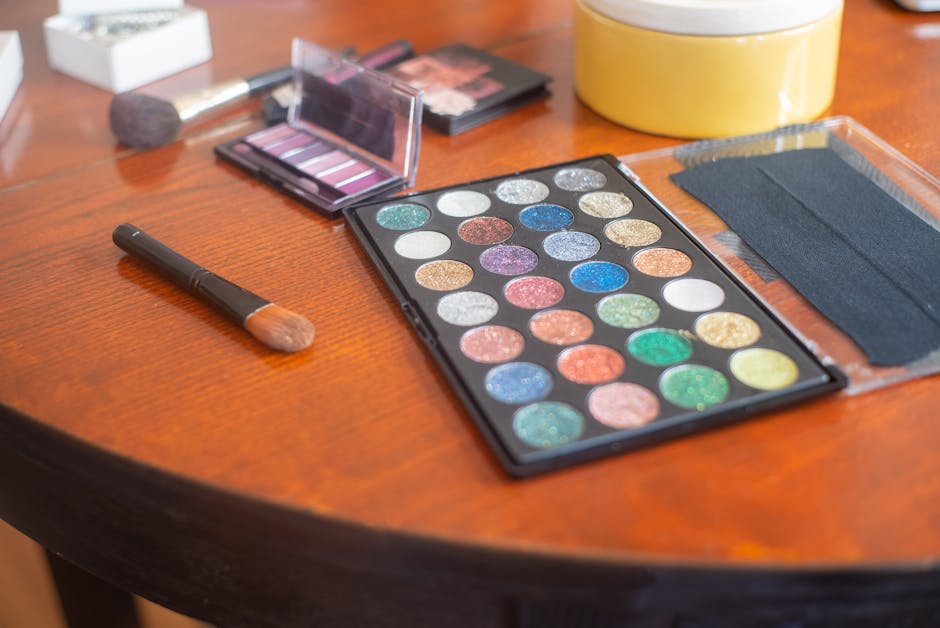
Hello, fellow artists! Priya here. Over my 12 years in this incredible industry, from bustling editorial sets to the intimate moments before a bride walks down the aisle, I’ve learned one universal truth: your kit is your business partner. It can be your greatest asset or your heaviest burden. We all dream of that Mary Poppins bag that holds everything, but reality (and our backs) requires us to be strategic, especially when it comes to the bread-and-butter of our work: the “everyday” makeup client.
This isn’t about the avant-garde or the high-glam red carpet looks. This is about the polished, professional, and confidence-boosting makeup that fills our appointment books week after week. It’s for the corporate headshot, the family portrait, the special date night, or the client who simply wants to look and feel like the best version of herself. Building a kit specifically for these jobs is about maximizing efficiency, showcasing your professionalism, and ultimately, boosting your profitability. Let’s break down how to build a lean, mean, money-making machine of a kit.
The Canvas Comes First: Skin Prep & Priming
Before a single drop of foundation is applied, our real artistry begins. A flawless makeup application is 50% skin prep, and this is where you immediately differentiate yourself from a hobbyist. Your clients are paying for your expertise, and that includes creating a perfect canvas. I’ve found that having a well-curated but concise prep selection not only delivers better results but also elevates the client experience.
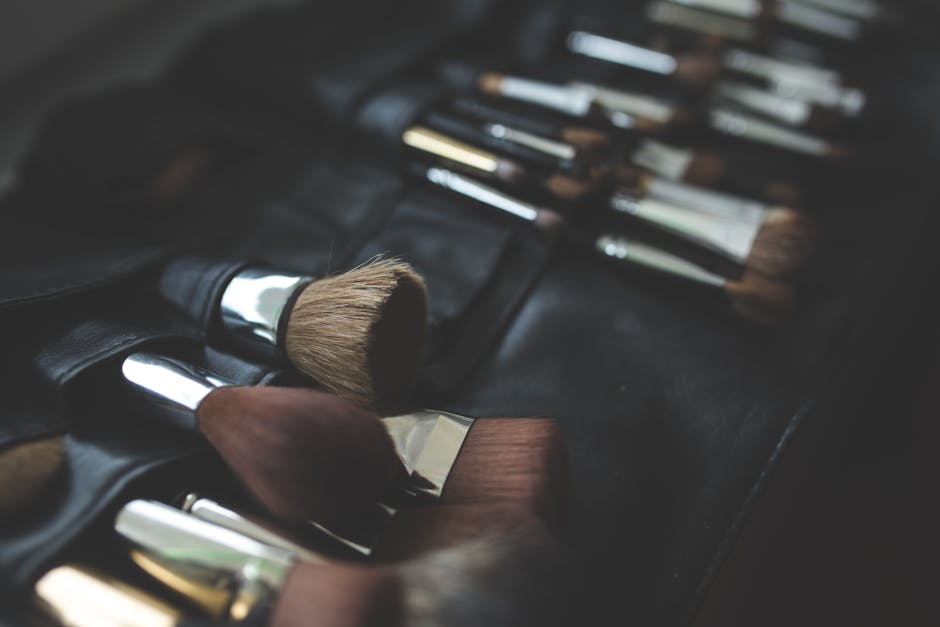
- Cleanser & Toner: You don't need a full sink-side setup. A no-rinse micellar water and a gentle, hydrating toning mist are non-negotiables. They remove surface oils and residue, balance the skin’s pH, and create a hydrated base for everything that follows.
- Targeted Moisturizers: One size does not fit all. At a minimum, your kit needs two types of moisturizers: a lightweight, gel-based formula for oily or combination skin (like Embryolisse Lait-Crème Concentré in the light version) and a richer, cream-based formula for dry or mature skin. This shows you understand skin science, not just color application.
- A Primer Palette: Instead of carrying five different primer tubes, I streamline. My core trio consists of:
- A silicone-based, pore-filling primer for texture and oil control in the T-zone.
- A hydrating, luminous primer for adding a glow to the high points of the face or for clients with dull, dry skin.
- A color-correcting primer (typically green or lavender) for targeted concerns like redness or sallowness.
Business Tip: This is your first client touchpoint. As you prep their skin, talk them through what you’re doing and why. Explain how the right primer will extend the wear of their makeup. This educates them, builds trust, and reinforces the value of hiring a professional.
Curating the Core: Complexion & Color
This is the heart of your kit. The goal here is versatility without the bulk. Carrying 30 individual foundation bottles is not just impractical; it’s inefficient. The key is to invest in multi-use palettes and products you can custom-mix.
Foundation & Concealer
Forget dozens of bottles. I swear by one or two professional foundation palettes. Brands like RCMA, Make Up For Ever, and Kryolan offer incredible cream palettes with a wide range of undertones. With a stainless steel palette and spatula, you can mix the exact shade for any client. Supplement this with a few liquid foundations in common light, medium, and deep shades that you can use to adjust texture and coverage. For concealer, a full-coverage cream palette for spot concealing and a range of three liquid concealers for under the eyes is the perfect combination.
Powder, Contour & Color
Again, think palettes. This is where you save the most space and gain the most options.
- Setting Powders: You need two. A finely-milled, translucent loose powder for setting the entire face without adding texture, and a pressed powder compact or palette for touch-ups and for clients who prefer a more matte finish.
- Blush & Bronzer: A combination of cream and powder palettes is your secret weapon. Cream blushes give that beautiful, skin-like flush perfect for natural looks, while powders offer longevity and intensity. I use a palette with a range of pinks, peaches, and berries. Same for bronzer—a palette with matte shades for contouring and a few with a slight shimmer for bronzing will cover all your bases.
- Highlighter: A liquid or cream highlighter gives that coveted "lit-from-within" glow, while a powder highlighter palette (with champagne, gold, and rose-gold tones) provides that pop for photos. Having both allows you to layer and customize the level of radiance for each client.
The Finishing Touches: Eyes, Brows & Lips
Details make the design. For an “everyday” look, these elements are about definition and polish, not high drama. Your kit should reflect that with carefully chosen, high-performance essentials.
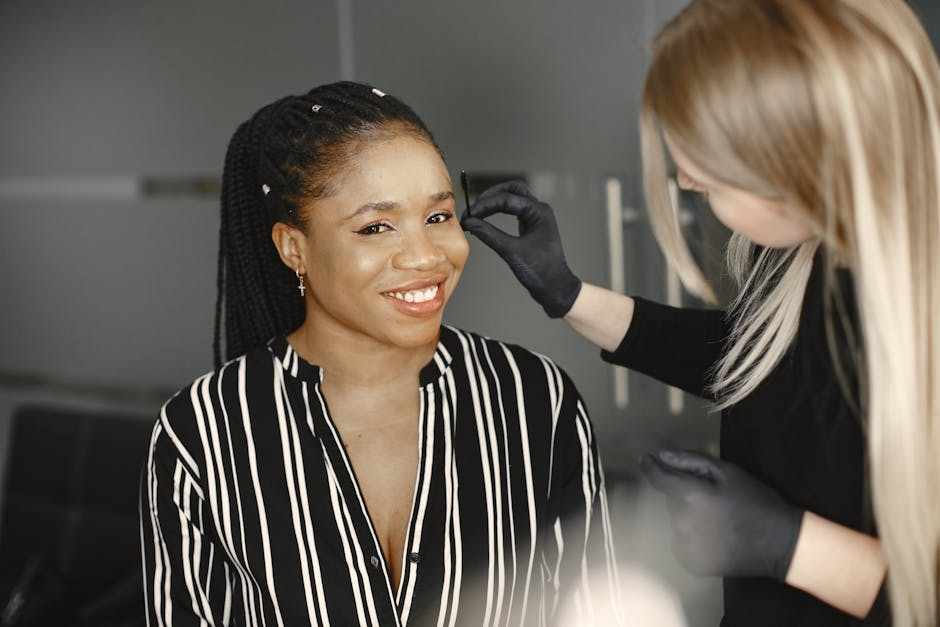
- Eyeshadow: One high-quality, pro-grade neutral palette is all you need. Look for one with a mix of matte and satin finishes in shades of cream, taupe, warm browns, and a soft black or deep chocolate brown. This allows you to create dimension for any eye shape and skin tone.
- Liners & Mascara: A waterproof black and brown gel or pencil liner are staples. They’re versatile enough for a soft lash-line enhancement or a subtle wing. For mascara, carry a reliable waterproof formula. The key here is hygiene: always use disposable mascara wands. Never, ever double-dip.
- Brows: A powder brow palette with a range of shades from blonde to dark brown is fantastic for a soft, filled-in look. I supplement this with a couple of micro-tip pencils for creating hair-like strokes and a clear brow gel to set everything in place.
- Lips: A lip palette is non-negotiable for a professional. You can mix custom shades and it’s far more sanitary than using lipstick bullets directly on clients. Fill it with a range of nudes, pinks, corals, and a classic red and deep berry. Pair this with a few essential lip liners (nude, pink, red) and a clear gloss.
Tools & Sanitation: The Mark of a True Professional
How you care for your tools and products says everything about your business standards. A pristine, well-organized kit is not just for you; it’s a visual cue to your clients that they are in safe, expert hands.
- Brushes & Sponges: Invest in high-quality brushes for foundation, concealer, powder, blush, contour, and a variety of eye shapes. You don’t need hundreds, but a core set of 15-20 workhorse brushes is essential. Beauty sponges are great, but always use a fresh one for each client.
- Sanitation Station: This is non-negotiable. Your kit must contain: 70% isopropyl alcohol in a spray bottle (for sanitizing powder products, tools, and palettes), brush cleaner for spot-cleaning between clients, and a copious supply of disposables (mascara wands, lip applicators, cotton swabs, sponges).
- The Miscellaneous Must-Haves: A stainless steel mixing palette and spatula, tweezers, small scissors, makeup wipes, and a good setting spray to lock in your beautiful work.
Business Tip: A streamlined kit allows you to focus on the artistry and client experience. And once you've perfected your kit, managing the business side—like bookings and client communications—becomes the next priority. That's where platforms like REZVA come in, helping you build a professional online presence and manage your schedule seamlessly. You can learn more and get started on their page for specialists.
Conclusion: Work Smarter, Not Harder
Building your essential everyday makeup kit is an exercise in professional discipline. It’s about resisting the urge to buy every new product and instead curating a collection of reliable, versatile, and high-performing tools that empower you to do your best work, every time. A well-edited kit saves you time, reduces stress on location, and communicates a level of professionalism that clients notice and respect. It’s not just a collection of products; it’s a reflection of your brand and your business acumen.
Frequently Asked Questions for the Pro MUA
How can I downsize my kit for travel or mobile gigs?
The key is multi-use products and depotting. Depot your favorite single eyeshadows, blushes, and powders into magnetic Z-Palettes. Use cream blushes that can also be used as a lip tint. A foundation palette is already a huge space-saver. Focus on carrying products that can be mixed and customized, rather than a separate product for every conceivable need.
What are some non-makeup items that are absolute must-haves in a professional kit?
Beyond the makeup, I always carry a small "emergency" kit. This includes breath mints (for you and the client!), a small sewing kit, safety pins, fashion tape, eye drops, a portable phone charger, and a small first-aid kit with band-aids and pain relievers. Being prepared for minor non-makeup issues makes you look like a hero.
How often should I be deep cleaning my brushes versus spot cleaning?
Spot clean your brushes between every single client using a spray-on brush cleaner. This sanitizes them for immediate re-use. However, a deep clean with soap and water should be done at the end of every workday. This removes all product buildup, maintains the integrity of your brushes, and ensures the highest level of hygiene for your clients. Sponges are single-use only—period.
This article was produced with AI assistance and reviewed by REZVA.
- professional makeup kit
- freelance MUA essentials
- makeup artist business
- client makeup application
- pro beauty tools
- kit organization for MUAs
- makeup sanitation standards

Take bookings for makeup online.
Clients book themselves from your profile and a deposit covers the no-shows. Free to start, no card. Founding members get Pro free for 12 months, then their price is locked.
98
spots left of 100
12
months of Pro, free
0%
commission on bookings