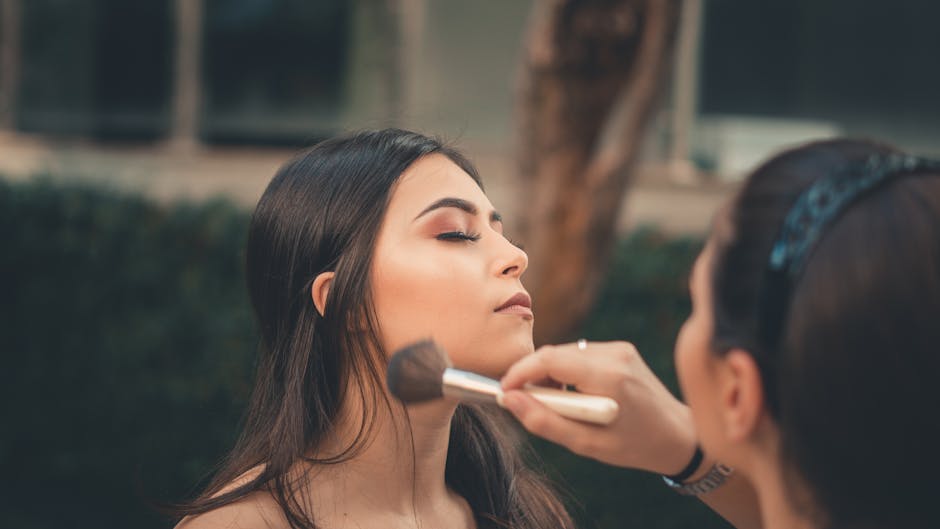
5 Makeup Portfolio Mistakes That Quietly Cost You Bookings
Transform your portfolio from a simple gallery into a client-booking machine. Learn key strategies for curation, collaboration, and digital presence.
4 min read

Hello, fellow artists. Priya here. I want to talk about something that is, without a doubt, the single most important asset in our business: our portfolio. Early in my career, I thought of my portfolio as just a collection of my prettiest work—a visual resume. It took me a few years (and a few missed opportunities) to realize its true power. Your portfolio isn't just a gallery; it's your brand story, your business plan, and your most effective salesperson, all rolled into one.
It’s what separates the hobbyist from the professional, the artist who gets by from the artist who is booked solid. A strategically built portfolio doesn't just show what you can do; it actively attracts the exact clients you want to work with. So, let’s move beyond just taking nice photos and talk about how to build a portfolio that truly works for you.
The Foundation: Define Your Brand Before You Shoot
Before you even think about collaborating with a photographer, you need to do some internal work. The most common mistake I see emerging artists make is creating a portfolio that is all over the place—a little bridal, a little avant-garde, a little SFX. While it shows range, it confuses potential clients. A bride looking for a soft, timeless look will be put off by gory special effects, and a film director won't take you seriously if your book is 90% bridal.
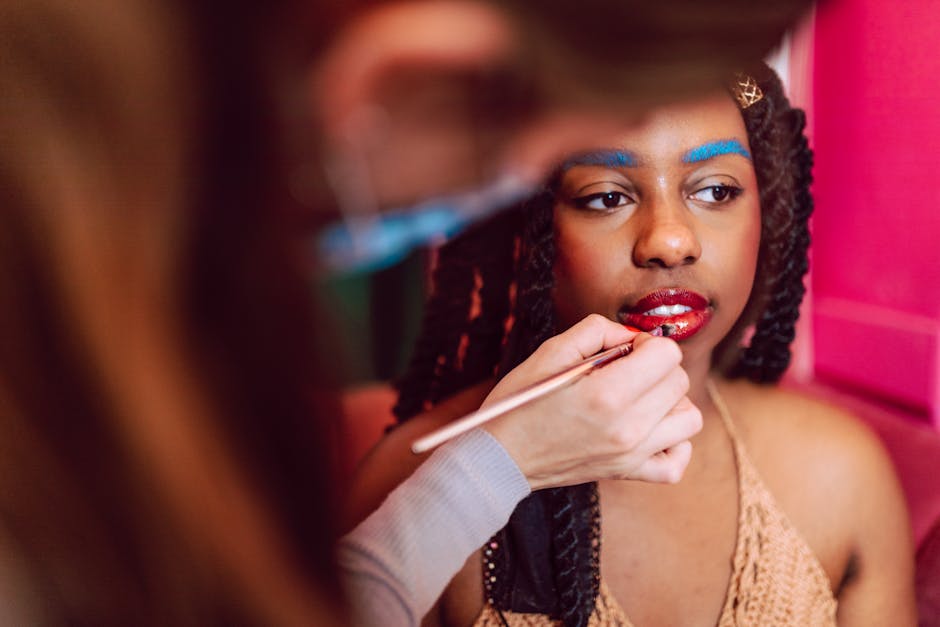
You must define your niche. Ask yourself:
- Who is my ideal client? Is she a bride planning a luxury wedding? A creative director for an indie magazine? A model building her own book?
- What is my signature style? Are you known for flawless, glowing skin? Bold, graphic liner? Ethereal, romantic looks? Your work should have a cohesive feel.
- What services do I want to sell? If you want to book more South Asian bridal clients, your portfolio needs to reflect a deep understanding of the specific techniques, color theory, and cultural elements involved.
Your portfolio should be a clear answer to these questions. When a potential client lands on your page, they should know within seconds if you are the right artist for them. This focus doesn't limit you; it makes you an expert and a magnet for your target market.
Curate with a Cut-Throat Mentality: Quality Over Quantity
Your portfolio is only as strong as its weakest image. It's not a photo dump of every face you've ever painted. It is a highly curated collection of your best work that represents your brand. I recommend aiming for 15-25 stellar images for a core portfolio. Each photo must serve a purpose.
Key Curation Strategies:
- Showcase Range Within Your Niche: If you're a bridal artist, show diversity. Include looks on different skin tones, for different ages, and for different wedding styles (e.g., classic, bohemian, glamorous). This demonstrates your versatility and skill without muddying your brand.
- Prioritize Technical Excellence: Every image must be technically flawless. This means high-resolution, professionally shot photos. Look for sharp focus, beautiful lighting that flatters the makeup, and clean composition. Blurry, poorly lit photos scream amateur, no matter how beautiful the makeup was in person.
- The Power of Professional Retouching: Don't be afraid of post-production, but use it wisely. Retouching should enhance, not alter. Its job is to correct lighting imperfections, remove distracting flyaway hairs, and maybe soften a temporary blemish. It should never change the texture of the skin or the colors of the makeup. The work must still look like yours.
When in doubt, leave it out. One mediocre photo can cast doubt on all the amazing ones surrounding it. Be ruthless in your selection process.
The Art of Collaboration: Planning a Portfolio-Building Shoot
Relying on client photos or iPhone snaps won't cut it if you want to elevate your business. To get the high-caliber images you need, you must plan and execute your own creative shoots. This is where collaboration becomes your superpower.
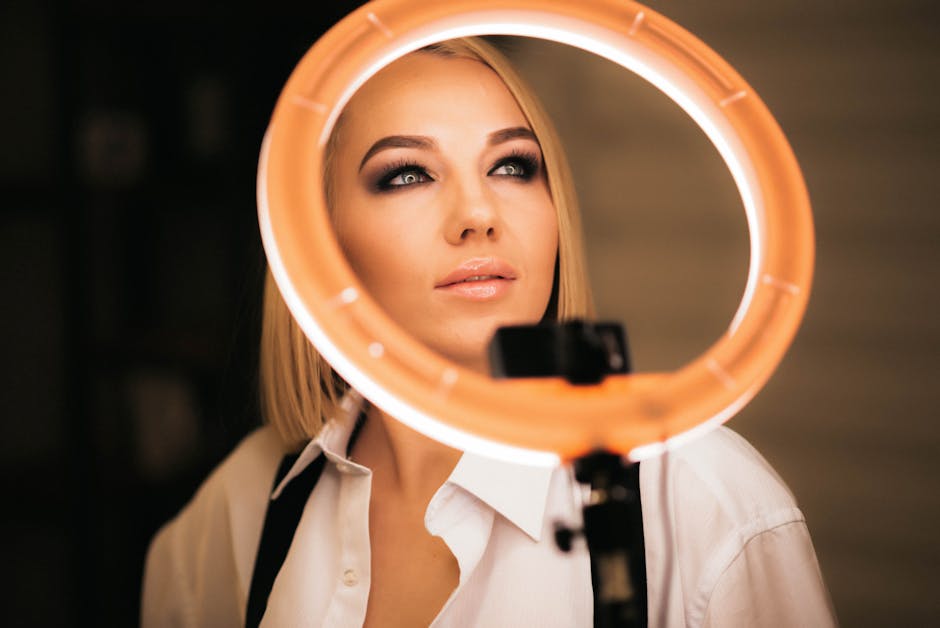
Building a network of talented, like-minded creatives is essential. Look for photographers, hairstylists, and models whose style complements your own. A great way to do this is through TFP (Time for Portfolio) collaborations. In a TFP shoot, no one gets paid; everyone contributes their time and skill to create beautiful images for their respective portfolios.
Tips for a Successful TFP Shoot:
- Create a Detailed Mood Board: This is your blueprint. Use Pinterest or a slide deck to gather inspiration for the makeup, hair, wardrobe, lighting, and overall vibe. It ensures everyone on the team is aligned and working toward the same vision.
- Vet Your Collaborators: Look at their portfolios. Is their work professional? Does their style match your aesthetic? Reach out with a clear, professional message that includes your mood board and explains what you hope to achieve.
- Get Everything in Writing: Even for TFP, have a simple agreement. It should outline the concept, date/time, and usage rights for the photos (e.g., everyone can use them for their portfolio and social media with proper credit). Always, always use a model release form.
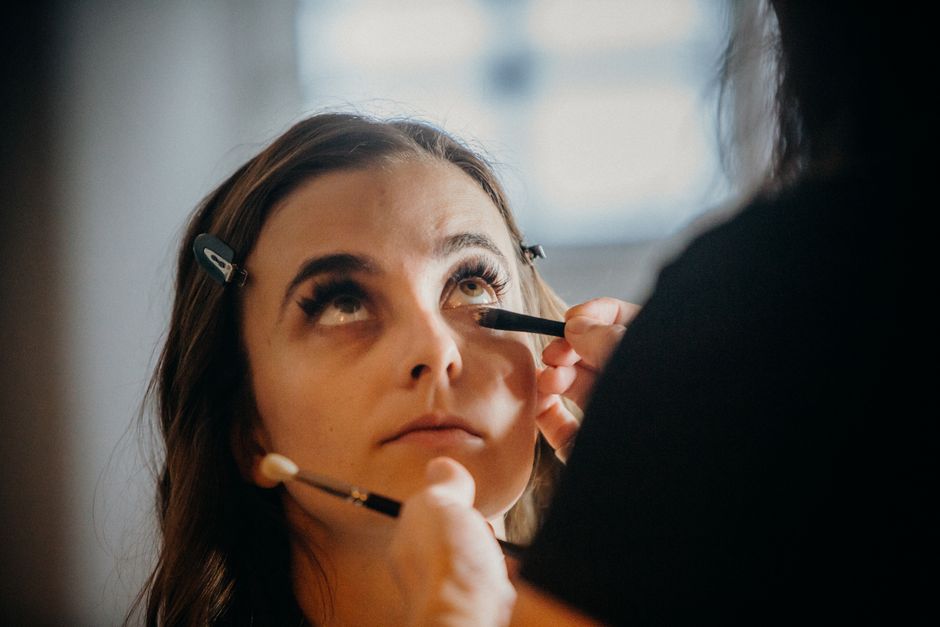
- Lead with Your Expertise: On set, you are the head of the makeup department. Be prepared, professional, and confident. Have your kit organized, your station sanitary, and a clear plan for the looks you want to create. This is your chance to direct the vision for the makeup.
Your Digital Storefront: Presenting and Leveraging Your Work
A beautiful leather-bound book is a wonderful tool for in-person consultations, but in today's world, your digital portfolio is your primary storefront. It needs to be professional, easy to navigate, and, most importantly, it needs to convert viewers into clients.
Your Instagram is a living, breathing part of your portfolio, perfect for showing behind-the-scenes content and more recent work. However, you need a central, professional hub. A dedicated website or a professional booking platform page is non-negotiable.
Your portfolio is your primary marketing tool, so it needs to be connected to your booking process. Platforms like REZVA are designed for us, allowing you to create a beautiful online presence where clients can view your work and book your services in one seamless step. You can learn more about how to get set up on REZVA's page for specialists.
When building your online portfolio, organize your images into clear galleries (e.g., "Bridal," "Editorial," "Headshots"). For each project, consider including a brief description of the client's goal and how you achieved the look. This adds context and showcases your problem-solving skills, not just your artistry.
Building a powerful portfolio is an ongoing process. It should evolve as your skills grow and your brand refines. It’s more than a collection of images—it's a deliberate, strategic tool that communicates your value, defines your brand, and ultimately, builds the business of your dreams. Invest the time and effort to get it right, and it will pay you back tenfold.
Frequently Asked Questions
How often should I update my portfolio?
A good rule of thumb is to review it every 3-4 months. You don't need to do a complete overhaul, but you should always be looking to swap out older images for newer, stronger work. If you've just completed a fantastic shoot or a high-profile job that really elevates your brand, add it immediately! Your portfolio should always reflect your current skill level and artistic direction.
Is it okay to use iPhone photos in my professional portfolio?
For your main website or physical book, the answer is almost always no. Professional clients expect to see professionally shot images. However, high-quality, well-lit photos and videos from your phone are perfect for social media platforms like Instagram Stories or TikTok. Use them to show behind-the-scenes content, client selfies (with permission!), and process videos. They add authenticity, but they don't replace the polished look of a curated, professional portfolio.
Should I include client testimonials with my photos?
Absolutely! Testimonials provide powerful social proof. Placing a glowing review from a bride next to her photo is incredibly effective. It connects your beautiful work to a real, happy client experience. This builds trust and helps potential clients envision themselves in your chair, confident they will be well taken care of.
Do I still need a physical portfolio book?
It depends on your niche. While your digital presence is primary, a physical book can be a powerful tool for certain situations. For high-end bridal consultations, corporate headshot pitches, or meetings with agencies, presenting a beautifully printed, high-quality album can make a lasting impression. It shows a level of polish and professionalism that a phone screen can't always match. I recommend having a small, curated physical book of your absolute best 10-12 images ready to go.
This article was produced with AI assistance and reviewed by REZVA.
- makeup artist portfolio
- building a beauty business
- freelance makeup artist tips
- professional portfolio shoots
- client acquisition for artists
- digital marketing for MUAs
- beauty professional advice


Take bookings for makeup online.
Clients book themselves from your profile and a deposit covers the no-shows. Free to start, no card. Founding members get Pro free for 12 months, then their price is locked.
98
spots left of 100
12
months of Pro, free
0%
commission on bookings