Your Makeup Portfolio Is a Booking Tool, Not a Gallery
Learn how to transform your makeup portfolio from a photo collection into a strategic asset that attracts high-end clients and defines your brand.
4 min read

Your MUA Portfolio Isn't Just a Gallery—It's Your Most Powerful Booking Tool
Hello, fellow artists. Priya here. Over my twelve years in this incredible industry, from the intimacy of a bridal suite to the fast-paced energy of an editorial set, I've learned one non-negotiable truth: your skill with a brush gets you in the door, but your portfolio gets you the call in the first place. I’ve seen incredibly talented artists struggle to book the clients they deserve, not because their work is lacking, but because their portfolio fails to tell the right story.
Your portfolio is more than a collection of pretty pictures. It’s your resume, your brand statement, and your number one salesperson, working for you 24/7. It’s the silent consultant that convinces a bride you’re the one for her special day or persuades a creative director that you have the vision for their next campaign. Today, I want to move past the basics and talk strategy. Let's discuss how to build a portfolio that doesn’t just showcase your work, but actively builds your business and attracts your dream clients.
The Foundation: Defining Your Brand Before You Shoot
Before you even think about booking a photographer or a model, you need to answer a critical question: Who are you as an artist? A portfolio that tries to be everything to everyone ends up being nothing special to anyone. The most successful portfolios I’ve seen have a clear, cohesive point of view.
Ask yourself:
- Who is my ideal client? Are you targeting the luxury bride who wants timeless elegance? The musician who needs a bold, avant-garde look for a music video? The commercial client who needs clean, camera-ready corporate headshots?
- What is my signature style? Are you known for your ethereal, glowing skin work? Your mastery of a sharp, graphic liner? Your seamless blending of vibrant colors?
- What problems do I solve for them? Do you specialize in mature skin? Are you an expert in South Asian bridal makeup, understanding the specific needs for longevity and tradition?
Your answers will become the creative brief for your entire portfolio. If you’re a bridal specialist, your book should be filled with radiant, joyful brides of diverse skin tones and ages. If you’re aiming for editorial, it needs to show creativity, precision, and an understanding of concept-driven looks. Stop thinking of your portfolio as a chronological log of every face you’ve ever done. Start thinking of it as a curated exhibition of the work you want to be hired for.
The Art of Strategic Collaboration
Unless you’re also a professional photographer and model, you cannot build a high-caliber portfolio alone. Collaboration is the lifeblood of this process. This means TFP (Trade for Portfolio/Print) shoots will be your best friend, especially when you're looking to elevate your book.
Finding Your Creative Team
Look for photographers and models whose style complements your own. A photographer who specializes in dark, moody portraits may not be the best fit to capture your soft, romantic bridal work. Scour Instagram, join local creative professional groups on Facebook, and don't be afraid to reach out. When you do, be professional. Introduce yourself, compliment their work specifically, and present a clear concept or mood board. This shows you’re serious and have a vision.
The Power of a Creative Brief
Never, ever go into a shoot without a plan. A creative brief is a simple document outlining the goals for the shoot. It should include:
- Mood Board: A collection of images (from Pinterest, magazines, etc.) that captures the vibe, lighting, and overall aesthetic.
- Makeup Looks: Detailed descriptions or face charts for each look you plan to execute. Plan your timing meticulously.
- Wardrobe & Styling: A cohesive plan for clothing, hair, and accessories that enhances the makeup, not distracts from it.
- Shot List: Key shots you need to capture (e.g., clean beauty headshot, detail shot of the eye, three-quarter profile).
Walking onto a set with a clear brief not only ensures you get the shots you need but also establishes you as a professional, a director of your craft. It’s a game-changer.
Curating Your Masterpiece: Quality Over Quantity
Now that you have the images, the real work begins. Curation is everything. A portfolio with 10 flawless, high-impact images is infinitely more powerful than one with 50 mediocre or inconsistent ones. Be ruthless in your selection.
Showcasing Range Within Your Niche
Your portfolio should demonstrate both specialization and versatility. If you’re a bridal artist, this means showing you can work beautifully on a variety of skin tones, skin types, and ages. Include a classic bride, a boho bride, and perhaps a more glamorous evening reception look. This tells a potential client, "No matter what your vision or need, I have the skill to execute it flawlessly."
Technical Excellence is Non-Negotiable
Every image must be technically perfect. This means:
- High Resolution: No blurry or pixelated images. Period.
- Professional Lighting: The lighting should flatter the subject and showcase your work. Whether it’s soft, natural light or dramatic studio lighting, it needs to look intentional.
- Impeccable Retouching: Retouching should enhance the photo, not alter your work. It should clean up temporary blemishes and distractions but never erase skin texture or misrepresent your makeup application. Overly-smoothed, plastic-looking skin screams amateur.
This is where having a polished online hub becomes non-negotiable. While social media is fantastic for daily engagement, a professional booking site acts as your digital flagship store. Platforms like REZVA are built for professionals like us, allowing you to create a beautiful, easy-to-navigate page where you can feature your curated portfolio and manage client bookings seamlessly. It elevates your brand from a social media page to a legitimate business.
Beyond the Static Image: The Modern Portfolio
In today's digital world, a portfolio can be more than just still photos. Incorporating video and behind-the-scenes content adds a dynamic layer that builds trust and showcases your skill in action.
Consider adding a short, professionally edited video reel to your website. This could be a compilation of clips showing:
- The smooth, hygienic application of foundation.
- The precision of your eyeliner work.
- The final look in motion, showing how the makeup catches the light as the model turns her head.
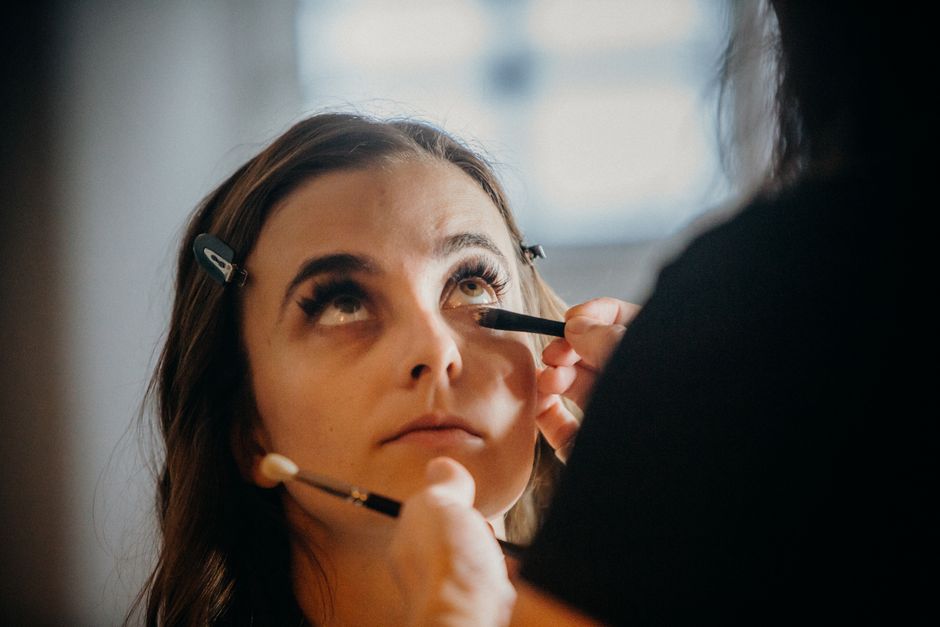
Behind-the-scenes content is perfect for social media. It gives potential clients a glimpse into your process, your professionalism, and your personality. A shot of your clean, organized kit or a time-lapse of a look coming together can be just as compelling as the final, polished photo.
Conclusion: Your Portfolio is a Living Document
Your portfolio is not a one-and-done project. It's a living, breathing representation of your artistry and your business goals. Revisit it every few months. As your skills grow and your style evolves, your portfolio should reflect that. Remove older work that no longer represents the caliber of clients you want to attract and replace it with new, inspiring projects.
Treat your portfolio with the same care and intention you bring to a client's face. When you do, it will stop being a passive gallery and become your most powerful tool for growth, attracting the opportunities and clients that will define your career. Now go create something beautiful that truly speaks for you.
Frequently Asked Questions
How often should I update my portfolio?
I recommend a significant review every 6 months and a smaller refresh every 3 months. The goal is to always lead with your best and most recent work that aligns with the clients you want to book now. If you complete a fantastic shoot that you know elevates your brand, add it immediately—don't wait for a scheduled review.
Should I include un-retouched photos to show my "real" skin work?
This is a growing trend and can be very effective, but it must be done strategically. An un-retouched photo still needs to be professionally lit and shot. A raw iPhone photo will lower the perceived value of your work. A great option is to show a professionally shot, lightly retouched final image alongside a close-up, un-retouched shot of the skin from the same shoot to specifically highlight your blending or foundation matching skills.
I'm just starting out and have no clients. How do I build a portfolio from scratch?
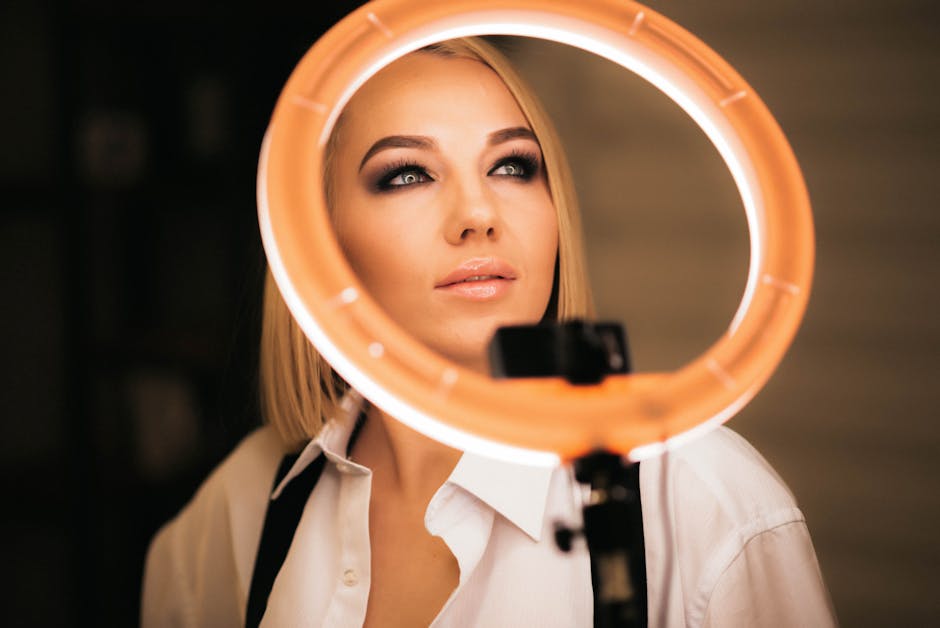
Collaborative TFP (Trade for Portfolio) shoots are your foundation. Reach out to aspiring photographers and models who are also looking to build their books. You can also practice on friends and family, but make sure you are controlling the environment—use good lighting (a simple ring light works wonders) and a clean background to ensure the photos look as professional as possible.
What's the biggest mistake you see artists make with their portfolios?
The most common mistake is a lack of curation. Many artists include every photo from every shoot, resulting in an inconsistent and overwhelming gallery. This includes poor-quality photos, images that don't fit their brand, or multiple, near-identical shots from the same look. Remember, your portfolio is judged by its weakest image, not its strongest. Be selective and show only your absolute best.
This article was produced with AI assistance and reviewed by REZVA.
- makeup artist portfolio
- professional MUA tips
- building a beauty business
- high-end client attraction
- freelance makeup artist strategy
- editorial makeup photography
- bridal beauty marketing

Take bookings for makeup online.
Clients book themselves from your profile and a deposit covers the no-shows. Free to start, no card. Founding members get Pro free for 12 months, then their price is locked.
98
spots left of 100
12
months of Pro, free
0%
commission on bookings