What Top Bookers Put in Their Makeup Portfolio (and What to Cut)
Your portfolio is your most powerful sales tool. Learn how to curate, shoot, and showcase your makeup artistry to attract your dream clients and elevate your brand.
5 min read

Hello, fellow artists. Priya here. Over my 12 years in this incredible industry, from bustling editorial sets to the intimate moments before a bride walks down the aisle, I’ve learned one non-negotiable truth: your skill can be phenomenal, but it’s your portfolio that gets you in the door. It’s your resume, your brand story, and your most powerful client magnet, all rolled into one.
Too many talented artists treat their portfolio like a digital photo album—a chronological dump of every face they’ve ever done. A truly effective portfolio isn't a history log; it's a strategic, curated collection designed to attract a specific type of client. It’s the difference between being seen as a hobbyist and being hired as an expert. Today, I want to walk you through the business-focused strategies I use to build and maintain a portfolio that doesn’t just show my work, but sells it.
It's Not a Photo Dump: The Art of Strategic Curation
Before you even think about photographers or models, you need a strategy. The single biggest mistake I see artists make is trying to be everything to everyone. Your portfolio should have a point of view. Ask yourself: Who is my dream client?
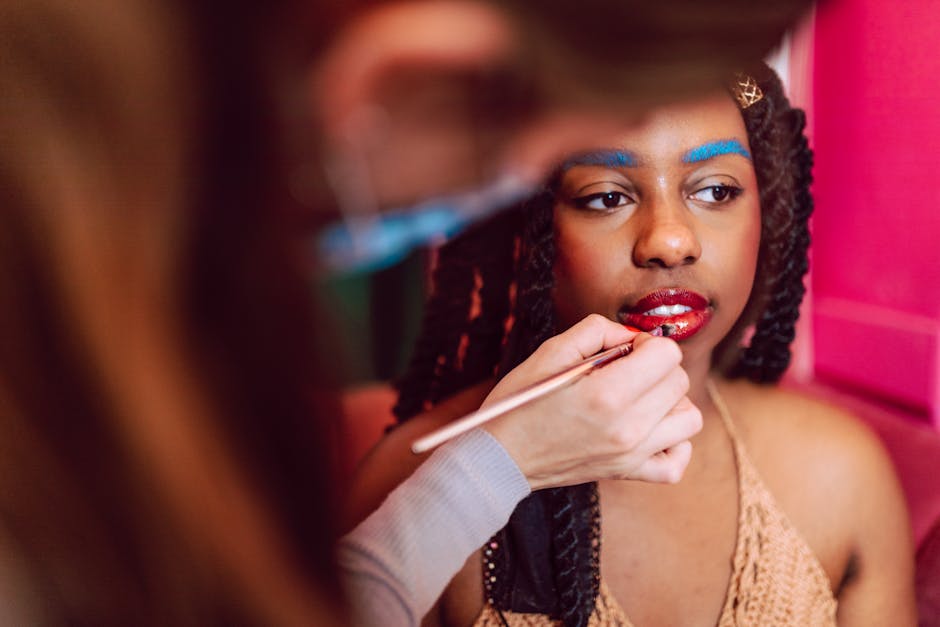
Are you aiming for the luxury bridal market? Then your portfolio needs to be filled with radiant, timeless, and elegant bridal looks. Are you breaking into editorial? You’ll need creative, bold, and technically precise images that showcase your range. Your portfolio should be a direct answer to what your ideal client is searching for.
Define Your Niche and Showcase Your Best
Once you have your target market in mind, it's time to curate. This is where you must be ruthless. A portfolio with 15 stellar images is infinitely more powerful than one with 50 mediocre ones. Every single photo must serve a purpose and represent the absolute peak of your current skill level.
- Showcase Diversity: This is non-negotiable. Display your ability to work flawlessly on a wide range of skin tones, types, ages, and facial structures. A bride with a deep skin tone wants to see that you can match her foundation perfectly and make her features pop. An older client wants to see that you understand mature skin. This demonstrates true mastery.
- Quality Over Quantity: Remove anything that is poorly lit, blurry, or doesn't align with the brand you're building. I regularly audit my own portfolio, archiving older work that no longer represents my best self. Your portfolio should always be a reflection of where you are now, not where you started.
- Demonstrate Range (Within Your Niche): If you're a bridal artist, show a soft glam look, a classic natural look, and perhaps a more dramatic evening look for a reception. Showcasing slight variations proves you can listen to a client's needs and customize your artistry.
Assembling Your Creative Team: The Power of Collaboration
Let's be direct: iPhone photos are for your Instagram Stories, not your professional portfolio. To book high-paying clients, you need high-quality images, and that means collaborating with a professional team. A great photographer who understands how to light for beauty is your most important partner.
Finding and Working with Your Dream Team
When you're starting out, TFP (Trade for Print/Portfolio) collaborations are the industry standard. This is a professional exchange where everyone—model, photographer, hairstylist, and you—contributes their time and talent to create beautiful images for everyone's portfolio. It’s not "free work"; it's a strategic business investment.
- Where to Find Collaborators: Look on Instagram using hashtags like #[YourCity]Photographer or #[YourCity]Model. Facebook groups for local creatives are also a goldmine. When you reach out, be professional. Introduce yourself, compliment their work, and share your clear, concise concept.
- Create a Mood Board: Never go into a shoot without a plan. Use Pinterest or create a simple deck to map out the vibe, lighting, makeup looks, hair, and wardrobe. This ensures everyone is aligned and respects each other's time. A clear concept shows you are a serious professional, not just someone playing with makeup.
- The Team Effort: Remember that a stunning photo is about more than just the makeup. The hair, styling, and model's expression all contribute. Working as a cohesive team is what elevates an image from good to breathtaking.
Mastering the Image: Technical Tips for Flawless Photos
Once you're on set, your job is to ensure the makeup translates perfectly on camera. This requires a slightly different approach than makeup for an in-person event.
Camera-Ready Techniques
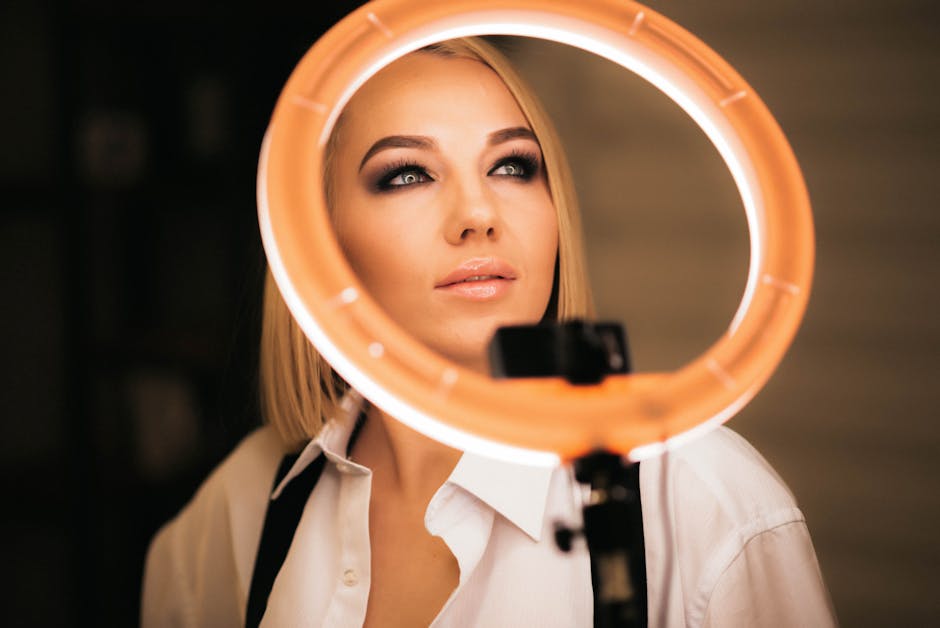
Photography, especially with professional lighting, can wash out makeup. You often need to apply color and contour with a slightly heavier hand than you would for a client who will only be seen in person.
- Skin is Everything: The foundation of any great makeup look is impeccable skin prep. On set, I never start without properly cleansing, hydrating, and priming the model's skin. Products like Embryolisse Lait-Crème Concentré or Sonia Roselli Water Balm create a perfect canvas that looks hydrated and plump under harsh lights. This minimizes the amount of retouching needed later.
- Control Your Textures: A mix of matte and dewy finishes adds dimension. Use powders strategically. I often use a translucent powder like Laura Mercier Translucent Loose Setting Powder just in the T-zone, allowing the high points of the face to retain a natural glow. Avoid glittery highlighters, which can look like sweat on camera; opt for finely milled shimmers or balms instead.
- The Shot List: Work with your photographer to get the essential shots. You need more than just a pretty headshot. Ensure you get:
- A clean, classic beauty headshot.
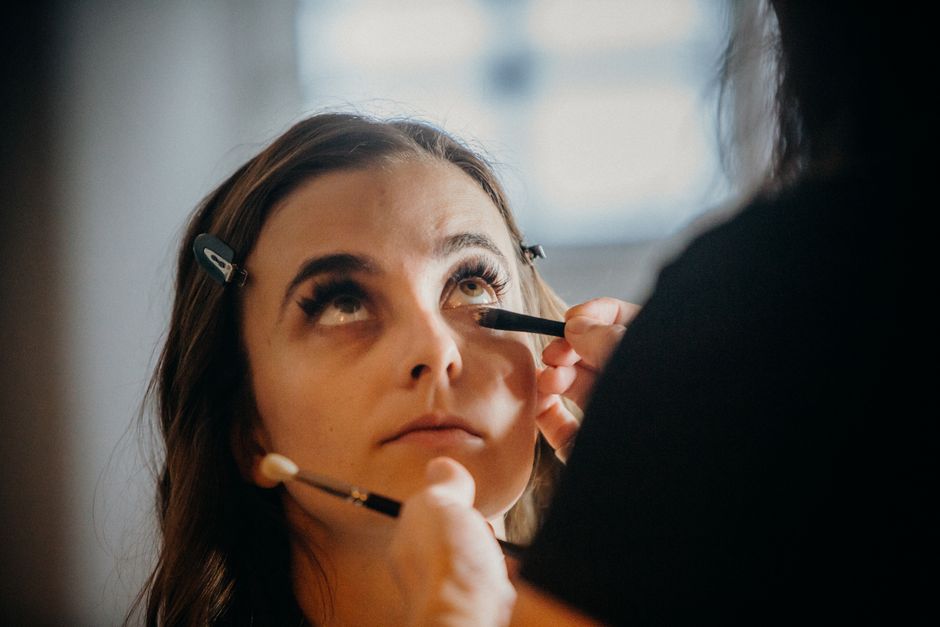
- A close-up of the eye makeup (eyes closed or looking down).
- A detail shot of the lip or flawless skin texture.
- A three-quarter profile to show off contour and highlight.
- A Note on Retouching: Discuss retouching with your photographer beforehand. The goal is to clean up distractions—a stray hair, a temporary blemish—not to alter the makeup or give the model plastic-looking skin. The integrity of your work should always remain intact.
Your Digital Storefront: Presenting Your Portfolio Online
You’ve done the work, curated your best images, and now you need to display them in a way that converts viewers into clients. Your Instagram grid is your daily handshake, but your professional website is where you close the deal.
A polished, easy-to-navigate website is non-negotiable. This is your owned digital real estate. Organize your work into clear galleries like "Bridal," "Editorial," and "Special Occasion." This allows potential clients to quickly find the work that is relevant to them.
This is where an all-in-one platform can be a game-changer for your business. For example, platforms like REZVA are built for beauty professionals, allowing you to seamlessly integrate your portfolio, list your services, and manage your bookings in one place. When a potential bride is captivated by your portfolio, she can see your availability and book a trial right then and there, which is crucial for turning that initial interest into confirmed revenue. You can learn more about building your business presence on REZVA's page for specialists.
Ultimately, your online presence should be as professional and polished as your makeup application. Ensure your images are high-resolution, your site loads quickly, and it's easy for a client to understand who you are, what you do, and how to hire you.
Conclusion: Your Portfolio as a Living Document
Building a stunning portfolio is not a one-time task; it's an ongoing business practice. It should grow and evolve right along with your skills. Revisit it every few months, swap out older images with your new and improved work, and always keep your ideal client in mind.
By shifting your mindset from simply showing your work to strategically selling your expertise, you will create a portfolio that not only showcases your beautiful artistry but also builds a thriving, successful business. Now go out there and create something beautiful.
Frequently Asked Questions
How many photos should I have in my portfolio?
Focus on quality, not quantity. A strong, curated portfolio of 15-25 of your absolute best and most representative images is far more effective than 100 average ones. Each image should serve a purpose and target your ideal client.
Can I just use photos taken on my phone for my professional portfolio?
Phone photos are fantastic for behind-the-scenes content on social media to show your process and personality. However, for your official website portfolio—the one meant to attract high-paying clients—you must invest in professional photography. It signals the quality and professionalism of your entire brand.
What if I'm just starting out and have no client photos?
This is precisely what TFP (Trade for Portfolio) shoots are for. Reach out to aspiring photographers and models in your area who are also looking to build their books. You can also ask friends or family with great features and skin to model for you; just be sure to shoot in beautiful natural light to get the best possible result.
How often should I update my portfolio?
Your portfolio is a living document. I recommend reviewing it every quarter and doing a significant update at least once a year. As soon as you complete a shoot that produces work stronger than what's currently in your book, swap it in immediately. Always lead with your best and most recent work.
This article was produced with AI assistance and reviewed by REZVA.
- makeup artist portfolio
- professional MUA tips
- building a beauty business
- client booking strategies
- editorial makeup photography
- bridal makeup portfolio
- freelance makeup artist guide


Take bookings for makeup online.
Clients book themselves from your profile and a deposit covers the no-shows. Free to start, no card. Founding members get Pro free for 12 months, then their price is locked.
98
spots left of 100
12
months of Pro, free
0%
commission on bookings