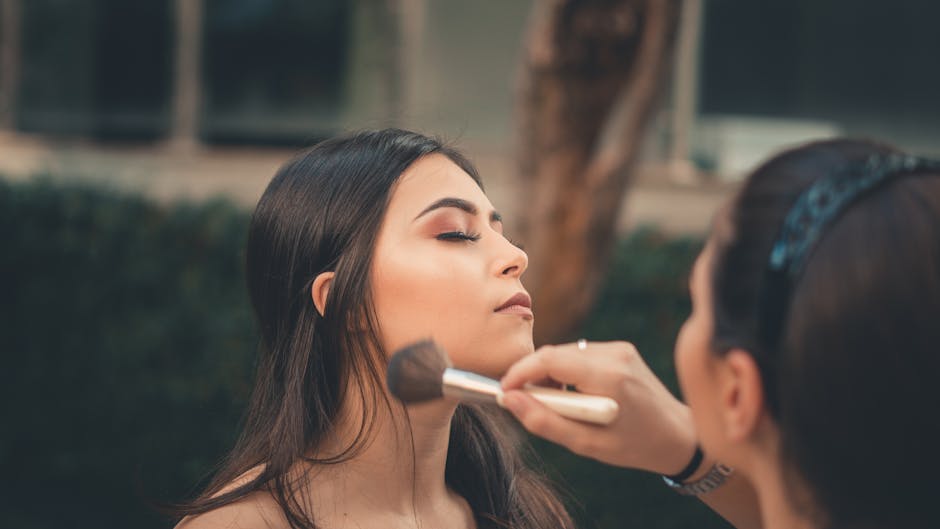
How to Build a Makeup Portfolio That Lands High-End Clients
A step-by-step guide for professional MUAs on curating a powerful portfolio that attracts your ideal clients and elevates your brand.
5 min read
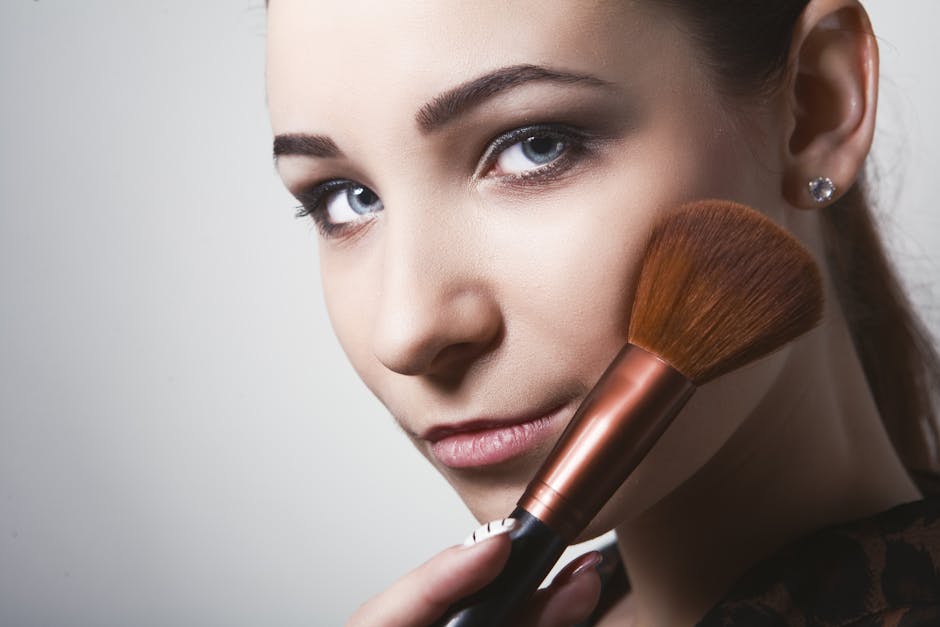
Hello, fellow artists. Let’s talk about the single most powerful tool in your business arsenal: your portfolio. It’s your business card, your resume, and your art gallery, all rolled into one. It’s the silent salesperson that works for you 24/7, convincing potential clients that you are the one before you’ve even had a conversation.
When I first started over a decade ago, my "portfolio" was a small photo album filled with pictures of my friends, taken with a point-and-shoot camera after we’d get ready to go out. It showed I could apply makeup, sure, but it didn’t attract the luxury bridal and editorial clients I dreamed of working with. It took me years of trial and error to understand that a portfolio isn't just a collection of your best work; it's a strategic, curated marketing asset designed to attract a specific type of client.
Today, I want to share the blueprint I’ve developed for creating a portfolio that doesn’t just look pretty—it books you solid. Let's move beyond simply showing off and start strategically showcasing your talent to build the career you want.
Before You Pick Up a Brush: Strategize Your Showcase
The biggest mistake I see new and even established artists make is trying to be everything to everyone. Your portfolio ends up with a dramatic, avant-garde look next to a soft, natural bridal look, which is next to a mature skin application. While this shows range, it creates confusion for your potential client. A bride looking for a timeless, romantic glow might be scared off by a high-fashion, graphic liner look. Confusion leads to hesitation, and hesitation leads to them clicking away.
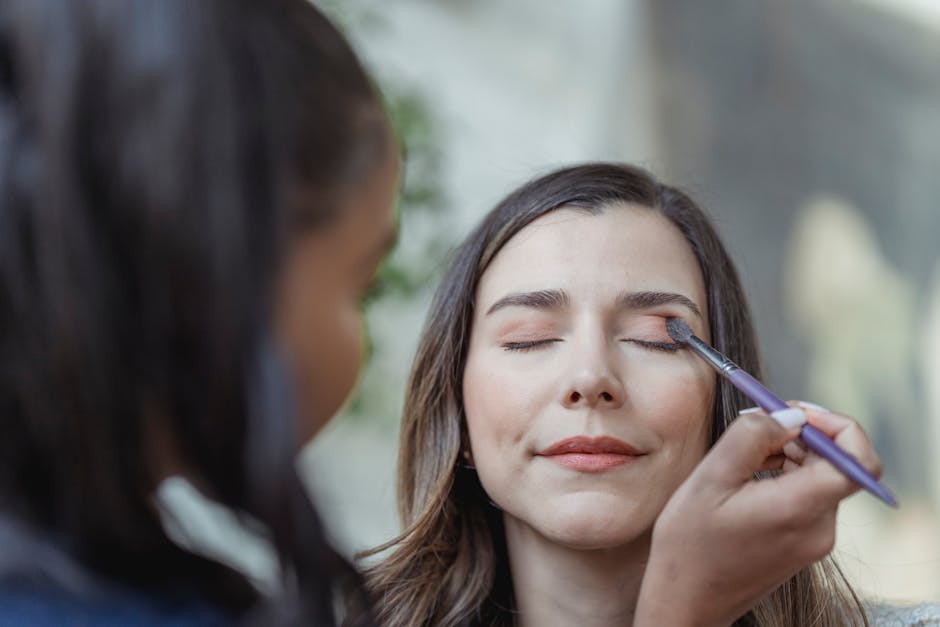
Your first step is to define your niche and your ideal client. Ask yourself these critical questions:
- Who do I want to work with? Am I a luxury bridal specialist? An editorial artist for fashion magazines? Do I focus on commercial work for brands? Be specific. "Bridal" isn't enough. Is it "bohemian, outdoor wedding" bridal or "glamorous, black-tie" bridal?
- What is my signature style? Are you known for flawless, glowing skin? Bold, creative color stories? Perfecting natural beauty? Your portfolio should scream your name.
- Who is my ideal client avatar? Give them a name. What’s their age? Their profession? What is their aesthetic? What brands do they love? What are their pain points when it comes to makeup?
Once you have this clarity, your mission is simple: every single image in your primary portfolio must speak directly to that ideal client. When I decided to pivot fully into the luxury South Asian bridal market, I archived all of my earlier, edgier editorial work from my main website gallery. It felt like I was hiding my skills, but the result was immediate. My inquiry quality skyrocketed because the brides visiting my site saw themselves reflected in every photo. They saw their dream wedding look, and they knew I was the artist to create it.
The Art of Curation: Quality Over Quantity
Your portfolio is only as strong as its weakest image. It's far more powerful to have 10 impeccable photos than 30 mediocre ones. This is where strategic collaboration and ruthless curation come into play.
Collaborate with a Purpose: The TFP Shoot
Relying solely on photos from paying clients, especially early on, is a slow and unreliable way to build a portfolio. This is why TFP (Trade For Print) shoots are the lifeblood of a growing artist. This is where you collaborate with a photographer, model, and hairstylist to create images for everyone's portfolio, with no money exchanged.
- Finding Your Team: Look for collaborators on Instagram (search hashtags like #[yourcity]photographer or #[yourcity]model), Facebook groups for local creatives, and platforms like Model Mayhem.
- Vet Your Collaborators: This is crucial. Don't just work with anyone who is free. Scrutinize their work. Does the photographer’s lighting and editing style match your aesthetic? A beautiful makeup application can be completely lost with flat lighting or trendy, over-the-top editing. Look for a team whose work complements and elevates yours.
- Plan Meticulously: Never show up to a TFP shoot without a plan. Create a detailed mood board on Pinterest and share it with the team. It should include inspiration for makeup, hair, wardrobe, lighting, and overall mood. This ensures everyone is aligned and working toward the same vision.
On-Set Professionalism and Technique
During the shoot, your professionalism is as important as your artistry. Come prepared. My on-set kit includes more than just makeup. I bring a mini skincare arsenal—think Embryolisse Lait-Crème Concentré for hydration or Sonia Roselli Water Balm to prep dry, stressed skin. Remember, the camera sees everything. Flawless skin prep is non-negotiable.
Communicate with your photographer. Ask them about the lighting. Are they using a softbox for a diffused, beauty light? Or a harder light for more drama? This will influence your decisions on texture and intensity. A highlight that looks subtle in person might blow out under a strobe. Use products that perform well on camera, like a finely milled setting powder (RCMA No-Color Powder is a kit staple) and a reliable setting spray (Skindinavia's Bridal spray is my go-to) to lock everything in place under hot lights.
Designing Your Digital Gallery for Maximum Impact
You’ve done the work, you have a collection of stunning, high-resolution images. Now, where do you put them? How you present your work is just as important as the work itself.
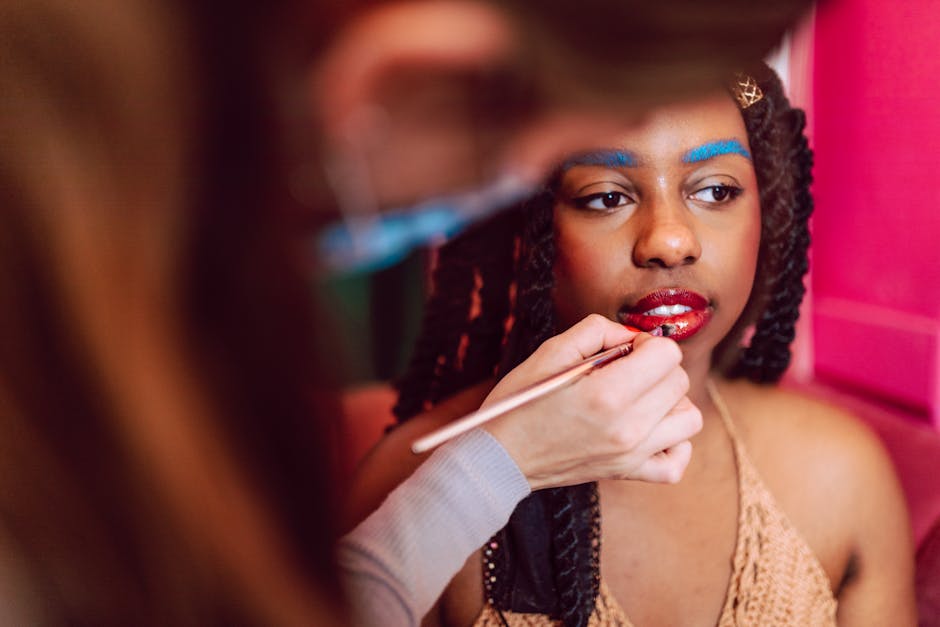
Your Website: The Official Home Base
Instagram is a fantastic marketing tool, but your professional website is your non-negotiable home base. It's the one piece of online real estate you completely own and control.
- Invest in Quality: Your website should be clean, fast-loading, and easy to navigate. Most importantly, it must showcase your images in high resolution. Don't let a poorly designed website diminish the quality of your beautiful work.
- Organize for Clarity: Create separate galleries for your different specialties (e.g., Bridal, Editorial, Headshots). This allows potential clients to go directly to the work that is relevant to them, reinforcing that you are a specialist in their specific need.
- Integrate Your Business: This is where you can truly streamline your client experience. A platform like REZVA allows you to build a beautiful, professional online presence where your portfolio flows directly into your services and booking calendar. When a client is captivated by your work, you want to make it incredibly simple for them to take the next step and book a consultation right then and there.
Instagram: Your Living, Breathing Portfolio
Think of your Instagram grid as a dynamic, constantly evolving gallery. It’s where you can show more personality and behind-the-scenes content.
- Curation is Key: Your grid should be as thoughtfully curated as your website. Use an app like Planoly or Later to visualize how your posts will look together.
- Mix Your Media: Don't just post final, polished photos. Share high-quality video clips (Reels are gold!), behind-the-scenes shots of your process, and testimonials from happy clients. This builds trust and shows the person behind the artistry.
I still recommend having a physical lookbook for in-person consultations, especially for high-end bridal clients. There is a tangible, luxurious quality to flipping through a beautifully printed, lay-flat album that a tablet screen just can't replicate. It shows an investment in your craft and a commitment to a premium client experience.
Your Portfolio Is a Journey, Not a Destination
Building a powerful portfolio is an ongoing process. It should grow and evolve with you as an artist. The work that represents you today might not be the work that represents you in two years. Continuously review, refine, and replace images to ensure your portfolio is always the strongest, most accurate reflection of your talent and your brand.
Treat your portfolio as the most critical marketing asset in your business. Invest your time, energy, and even money into it through education and collaborations. A strategically built portfolio will not only fill your calendar but will fill it with the exact clients you've always dreamed of working with.
Frequently Asked Questions
I'm just starting out and have no professional photos. Where do I begin?
Start by creating opportunities. Offer your services for free to aspiring photographers and models who are also building their portfolios (TFP). Practice on friends and family, but use good lighting (natural light from a window is best) and the best camera you have access to—even a new smartphone can take decent photos for social media. The key is to start creating and documenting, which will give you content to attract your first TFP collaborators.
Should I include unedited or "before and after" photos?
This is a delicate balance. I advise against using heavily filtered or obviously retouched photos in your professional portfolio; it erodes trust. Standard professional retouching (like removing a temporary blemish or stray hair) is acceptable and expected. I recommend using "before and afters" strategically on social media, like in an Instagram Reel or Story, to showcase your transformative skills. For your main website portfolio, however, focus on the final, aspirational "after" shot. That's the dream you're selling.
How often should I update my portfolio?
A good rule of thumb is to do a portfolio review every quarter and a significant update every six to twelve months. As you complete new shoots or work with clients that better reflect your target aesthetic and improved skill level, swap out older or weaker images. Your portfolio should always be a current representation of your best work, not a historical archive.
This article was produced with AI assistance and reviewed by REZVA.
- makeup artist portfolio
- building a beauty brand
- professional MUA tips
- client attraction strategies
- beauty business growth
- editorial makeup photography
- bridal makeup portfolio

Take bookings for makeup online.
Clients book themselves from your profile and a deposit covers the no-shows. Free to start, no card. Founding members get Pro free for 12 months, then their price is locked.
98
spots left of 100
12
months of Pro, free
0%
commission on bookings