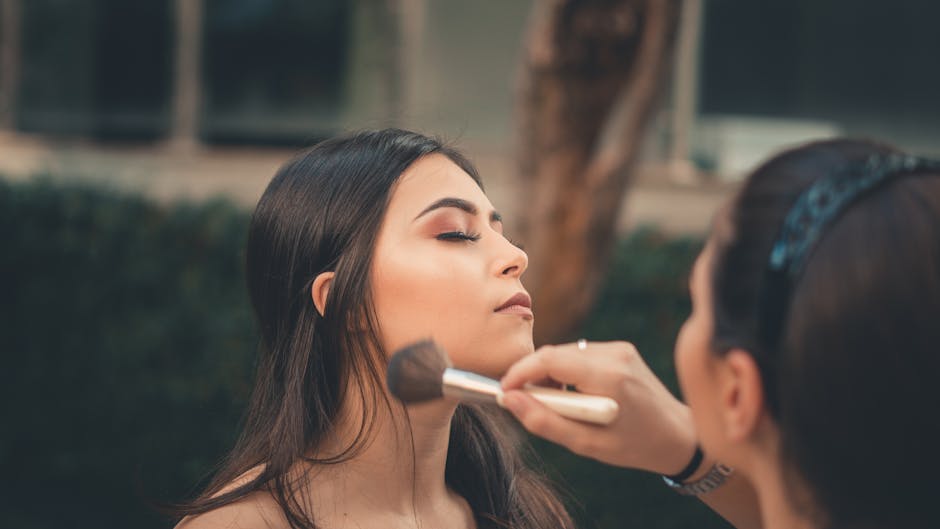
Why Your Editorial Makeup Skills Aren't Enough to Get You Rehired
The perfect cut crease won't save you if you can't handle the pressure. Here's what creative directors and photographers need from their MUA on set.
4 min read
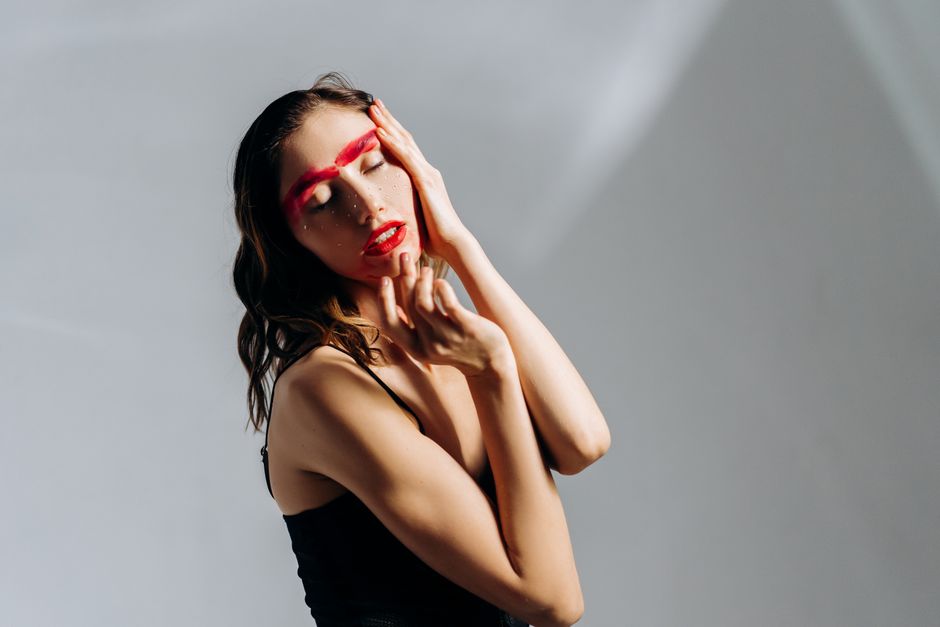
We’ve all been there. You absolutely nail a look. The skin is glowing, the lines are sharp, the blend is seamless. You look at your work on the model and feel that rush of pride. But then… radio silence. The photographer who raved about your work never calls again. The brand doesn't add you to their go-to list. Why?
After 12 years of navigating everything from high-fashion editorials to celebrity cover shoots, I can tell you this: your technical skill is just the ticket to get in the door. What keeps you in the room—and gets you invited back—is a completely different set of skills. It’s about understanding the unspoken language of an editorial set. The creative director, the photographer, the stylist… they have a whole list of expectations they’ll never voice out loud. Your job is to anticipate them. Let's break down what they truly need from their MUA.
They Need Your Speed and Precision, Not Your Process
On a commercial or bridal booking, you often have the luxury of time. You can indulge in a multi-step skin prep, meticulously map out a brow, and spend ten minutes perfecting a wing. An editorial set is a different beast entirely. Time is the most expensive commodity, and every minute you spend is a minute the entire crew is waiting.
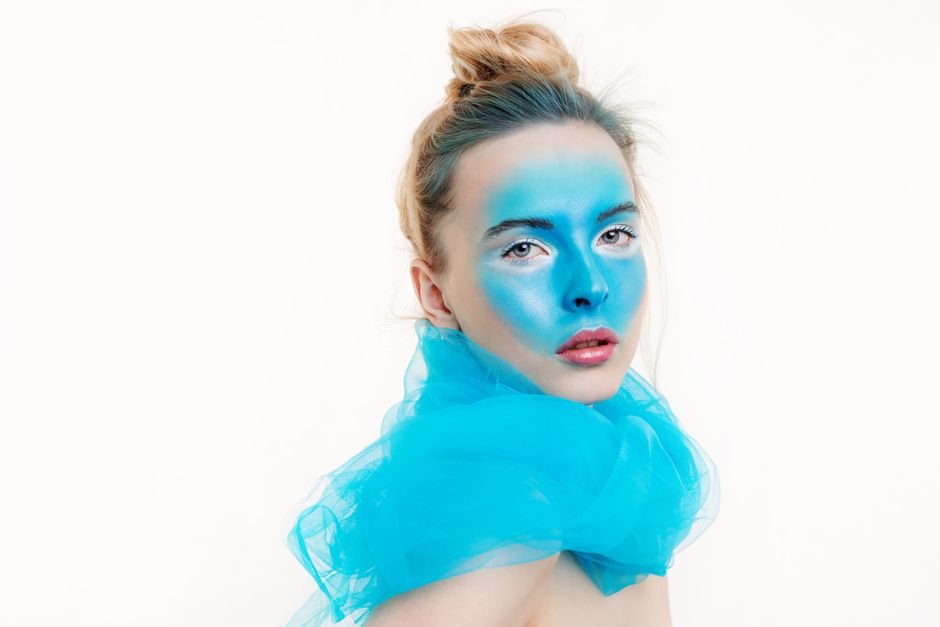
Your client isn’t paying for your process; they are paying for a specific, high-quality result delivered within a tight timeframe. They need you to be able to execute a flawless, camera-ready look efficiently and under pressure. This doesn’t mean cutting corners. It means being a master of efficiency.
- Organize Your Kit for Speed: I arrange my kit in the order of application. Skincare and prep on one side, base products in the middle, then color, and finally, finishing touches. I use clear, labeled bags and magnetic palettes. There is zero time for digging through a bottomless bag to find that one specific pigment. - Master the "Quick Change": Can you transform a clean, daytime look into a dramatic, smoky eye in under 15 minutes? Can you add a bold, graphic liner without ruining the base? Practice these transitions. Often, a shoot requires multiple looks on the same model, and the budget doesn't allow for a full wash-off and reapplication. Cream products are your best friend here—they are far easier to manipulate and build upon than layers of powder.
Your On-Set Vibe is Part of Your Brand
A photoshoot is a high-stress, collaborative environment. The photographer is managing lighting, the stylist is wrestling with garments, and the creative director is trying to hold a singular vision together. The last thing anyone needs is a makeup artist with a dramatic personality, who complains about the conditions, or who talks incessantly.
What they wish you knew is that they are hiring your energy as much as your talent. Be the calm in the storm. Be professional, adaptable, and almost invisible until you’re needed. This is what I call "mastering the set-side manner."
Read the room. If the energy is high and collaborative, feel free to engage. If everyone is quiet and intensely focused, do your work quietly and stay out of the way. Anticipate needs—have powder and a straw ready for the model. Be a problem-solver, not a problem-creator. This quiet, confident professionalism is memorable and makes you someone people want to work with again and again.
Bring a Vision, But Hold it Loosely
When you get the mood board, your creative mind should ignite. You should absolutely arrive on set with ideas, product suggestions, and a clear vision for how to execute the desired look. This shows you’ve done your homework and are an active creative partner. The team wants your expert opinion on what will translate best on camera and complement the model's features.
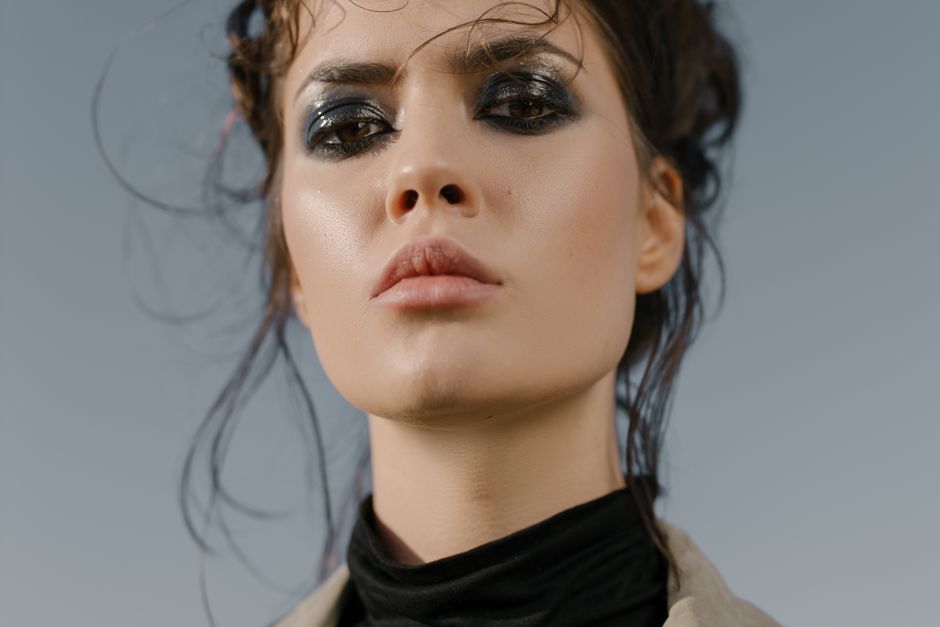
However—and this is critical—you must be prepared to abandon your entire plan at a moment's notice. The creative director might see the way the light is hitting and decide to go in a completely different direction. The stylist might pull a new piece that requires a bolder lip. Your ego has no place here.
The artists who get rehired are the ones who can hear, "Great idea, but let's scrap it and do a glossy, bare lid instead," and respond with an enthusiastic "Yes, let's do it!" without missing a beat. Flexibility is not a weakness; it's your most valuable professional asset on set.
Your "Kit" is More Than Just Makeup
Showing up with a bag of your favorite foundations and palettes is the bare minimum. A truly professional editorial MUA arrives with a mobile station prepared for any contingency. This demonstrates foresight and tells the client that you are a serious, experienced professional who takes their craft and business seriously.
What my full editorial kit includes:
- The Core Makeup: A comprehensive, well-organized collection of products for all skin tones and types. This is non-negotiable.
- The Skin Prep Station: More than just moisturizer. I carry gentle cleansers, micellar water, hydrating mists, eye masks, lip scrubs, and targeted serums. The makeup will only look as good as the canvas underneath.
- The "Set Bag" Essentials: A smaller, portable bag I keep with me at all times near the set. It contains translucent powder, blotting papers, lip touch-up, cotton buds, mints, and anything else needed for instant fixes between shots.
- The Tools of the Trade: A full, clean brush set, a plethora of disposable wands and sponges, mixing palettes, spatulas, and high-grade brush cleaner. Hygiene is paramount and instantly communicates your level of professionalism.
- The Comforts: A high director's chair is a game-changer for your back and the model's comfort. I also bring a portable ring light, as on-set lighting can often be atmospheric and not ideal for detailed application.
This level of preparation shows you're not just a hobbyist; you're a business owner providing a premium service. It’s this attention to detail that sets you apart. Having a streamlined system like REZVA to manage my bookings and present a polished online portfolio helps ensure my back-end business operations are just as professional as my on-set setup.
The Final Look is a Starting Point
In bridal or event makeup, you create a beautiful, durable look designed to last for hours with minimal fuss. In editorial, the look you create in the chair is just the beginning. It needs to be constantly monitored and manipulated under the photographer's lights.
What looks like a perfect matte finish to the naked eye can appear flat and lifeless under a strobe. That subtle glow can become a distracting hotspot of shine on camera. You must be watching the monitor, communicating with the photographer, and be ready to jump in and make micro-adjustments. De-shining a T-zone, adding a pop of gloss right before a shot, or sharpening a line—this is where the real work happens.
Your job isn't done when the model leaves your chair. It's done when the photographer says, "We got the shot."
Ultimately, becoming a go-to editorial artist is about mastering the art of collaboration. It’s about blending your creative talent with impeccable business sense, speed, and on-set grace. Nail these unspoken rules, and you won't have to wonder why you're not getting called back—your calendar will be too full to have the time.
Frequently Asked Questions
How do I get my first editorial booking if I only have bridal experience?
Start by building a relevant portfolio. Reach out to local photographers, models, and stylists who are also looking to build their books. Propose a "test shoot" or "TFP" (Trade for Print) collaboration. Create a shared mood board and execute 2-3 different editorial-style looks. This shows creative directors you have the vision and skill for fashion and beauty, not just bridal.
What's the biggest mistake new MUAs make on an editorial set?
The most common mistake is a lack of awareness—either of time or of the on-set hierarchy. Taking too long for the initial look can throw the entire day's schedule off. Secondly, not understanding that the photographer and creative director have the final say. Offering unsolicited opinions or showing frustration when a look is changed is a fast way to not get invited back.
Should I charge a different rate for editorial vs. commercial work?
Yes, typically. Rates are usually structured as a half-day (up to 5 hours) or full-day (up to 10 hours) fee. Commercial work (for a brand's advertising) generally pays significantly more than editorial work (for a magazine feature) because of usage rights. Always have a clear contract that specifies your rate, hours, overtime, and a separate "kit fee" to cover the cost of your products and disposables.
This article was produced with AI assistance and reviewed by REZVA.
- editorial makeup artist
- on-set etiquette
- professional makeup kit
- MUA business tips
- creative collaboration
- makeup artist portfolio
- photoshoot makeup
Take bookings for makeup online.
Clients book themselves from your profile and a deposit covers the no-shows. Free to start, no card. Founding members get Pro free for 12 months, then their price is locked.
98
spots left of 100
12
months of Pro, free
0%
commission on bookings