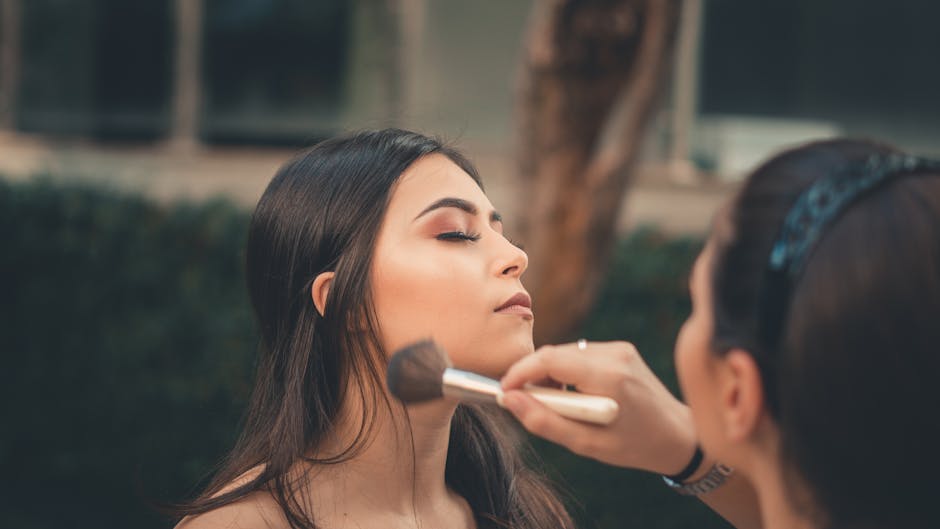
You're Calculating Your Editorial Day Rate All Wrong
Stop charging for just your time. Learn the critical difference between a service fee and a usage license to price your editorial artistry for profit.
4 min read

Landing a first real editorial shoot is a thrill. Say it is for a local fashion magazine, and it feels like you have finally *made it*. Two days of prepping, meticulously packing your kit, and then a full eight hours on set, creating a look you are incredibly proud of. You send the invoice for your standard day rate, feeling like a true professional. The check clears, but after restocking the expensive cream pigments and paying for travel, you have barely broken even.
The excitement quickly faded into a hard business lesson. It is a mistake countless talented new artists make: pricing the job like a bridal appointment, charging only for time and talent on the day, and completely ignoring the single most valuable asset being provided: the right for the client to use your art to sell their magazine.
Charging for an editorial look isn't about your hourly rate. It's about understanding the long-term value and commercial use of your work. Let's break down how to stop under-earning and start pricing like the creative professional you are.
The Critical Mistake: Pricing for Service, Not for Usage
The fundamental mindset shift you must make is from service provider to intellectual property creator. When a bride books you, she is paying for a service rendered on a specific day for her personal use. The photos are for her album, her memories. The value is contained to that single event.

An editorial or commercial client is completely different. They are not just paying for your skilled hands for a few hours. They are paying for a key creative component of a project that is designed to generate revenue. Your makeup artistry will be used in advertisements, on websites, in lookbooks, or on magazine covers. Your work becomes a commercial asset for their brand.
Pricing this like a simple service is like a musician charging a recording studio for their time but then letting them sell the song worldwide for free. You're giving away the most valuable part of your contribution. The mistake isn’t just undercharging; it’s a fundamental misunderstanding of what is being sold. You are licensing the use of your art.
Deconstructing the True Editorial Rate: It’s More Than One Number
A professional editorial quote is never just a single "day rate." It’s a carefully itemized calculation that reflects the full scope of your contribution. Breaking it down not only ensures you’re paid fairly but also communicates your professionalism to the client. Here are the non-negotiable components:
1. Creative Fee (Your "Day Rate")
This is the base rate that covers your time, talent, and expertise on set for a specified number of hours (e.g., 8-hour day, 10-hour day). This is what most new artists think is the *only* fee. It should be calculated based on your experience, speed, skill level, and the demands of the job. But this is just the foundation.
2. Kit Fee
This is a separate, mandatory line item. Your professional kit is your arsenal of tools and products, and it comes with significant costs. We’re talking about high-end foundations like the RCMA palettes, specialty products like Danessa Myricks Colorfixes, expensive skincare for prep, and the constant replenishment of disposables (sponges, mascara wands, etc.). The kit fee is essentially a rental and replenishment charge for these professional-grade tools. It is typically calculated as 15-20% of your day rate and should always be listed separately.
3. Usage & Licensing Fee
This is it. This is the component that almost everyone misses starting out, and it’s where the real profit lies. The usage fee is payment for the client’s right to use the images containing your work. This fee is highly variable and depends on three key factors:
- Media: Where will the images appear? (e.g., print, web, social media, television, billboards)
- Duration: For how long can they use the images? (e.g., 6 months, 1 year, 5 years, or in perpetuity)
- Territory: Where will the images be seen? (e.g., local, regional, North America, global)
A global, multi-year ad campaign for a major brand will command a usage fee that could be several times your day rate. A short-term feature on a local brand’s Instagram will be much lower. The key is that you are controlling the license to your work.
How to Calculate and Communicate Your Usage Fee
This can feel intimidating, but you can develop a framework. Start with your base day rate and kit fee. The usage fee is then added on as a percentage of that base rate.
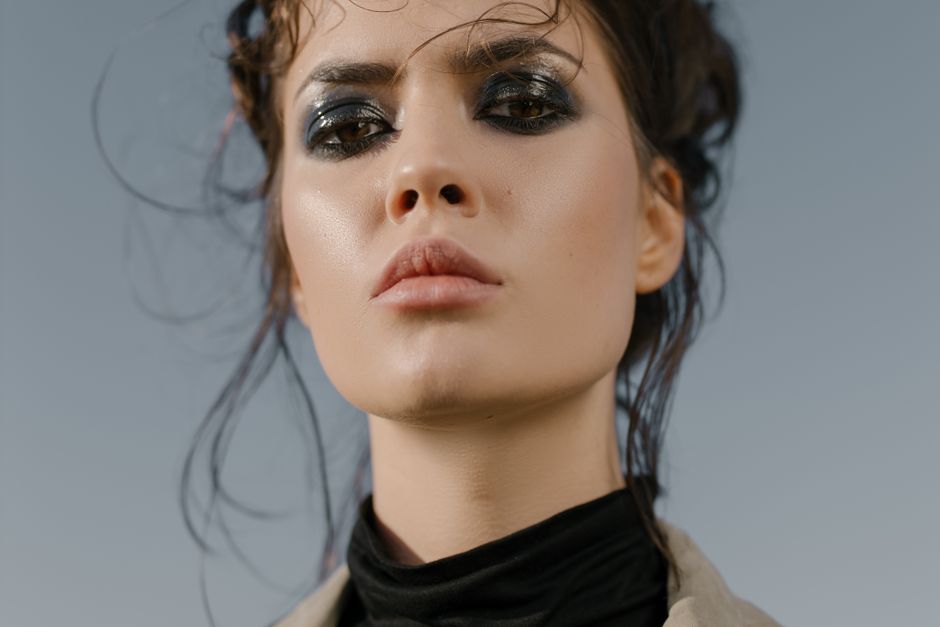
There's no universal calculator, as it's based on the specific project, but here’s a sample thought process:
- Small-Scale Use: For a local boutique's website and social media for 1 year, you might add 25-50% of your day rate as a usage fee.
- Medium-Scale Use: For a national magazine's print and web edition, you could be looking at adding 100-200% of your day rate.
- Large-Scale Use: For a global advertising campaign with print and digital rights in perpetuity, the usage fee could be 300% or more of your day rate. This is where you can make serious money.
The most important part is to get these terms in writing. A formal contract is essential. It protects you and the client, clearly outlining the scope of work and exactly what the usage fee covers. This is where having a robust business management system is invaluable. A platform like REZVA gives you a booking page that is open around the clock, so clients see your services and free times and book without messaging you.
The Art of the Quote: Presenting Your Value Professionally
How you present your quote can make all the difference. Instead of emailing a single number, send a professional, PDF quote that breaks everything down. This educates the client on what they're paying for and immediately positions you as a serious business owner.
Your quote should have clear line items:
- Creative Fee / Day Rate: Full Day (8 Hours) - $XXX
- Professional Kit & Equipment Fee: $XXX
- Usage License: 1-Year, North American Digital & Social Media Rights - $XXX
- Pre-Production & Consultation: 2 Hours - $XXX
- Travel & Expenses (if applicable): Est. $XXX
- TOTAL: $XXX
This format does two things. First, it justifies your total price by showing the comprehensive value you provide. Second, it defines the project's boundaries. If, six months later, the client decides they want to use an image on a billboard, you can point to the contract and say, "Of course! The original license covered digital use. Let's draft a new, separate license for out-of-home advertising." This is how you create new revenue streams from a single job.
Stop Being Just an Artist; Be a Business Owner
Embracing this pricing model can be the single most important turning point in a freelance career. It can transform a business from a passion that barely pays the bills into a profitable, sustainable enterprise.
Your artistry has immense commercial value. It helps brands build their identity, market their products, and make money. It is essential that you are compensated for that value, not just for the hours you spend with a brush in your hand. Take a hard look at your rate sheet today. Are you charging for the moment of creation, or are you charging for the lifetime value of your art? The answer will define your career.
FAQ for the Savvy MUA
What if the photographer or client says they have no budget for usage fees?
This is a common pushback, especially on smaller projects. It becomes a negotiation. You can offer a more restricted license (e.g., "social media use only for 6 months") for a lower fee. For unpaid "TFP" (Time for Print/Portfolio) work, your contract should be crystal clear that usage is strictly limited to personal, non-commercial portfolio use for every single person on the creative team.
How do I determine my initial day rate?
Your day rate should be based on a combination of factors. First, calculate your annual business overhead (kit replenishment, insurance, marketing, software, continuing education) and your desired personal salary. Divide that by the number of days you realistically expect to work per year. Then, research the commercial artist rates in your specific market—look at what agency-represented artists are charging, not just what other freelancers are posting on Instagram. Your rate should reflect your experience, skill, and what your market can bear.
Is it better to offer a half-day rate and a full-day rate?
Absolutely. A half-day is typically 4-5 hours on set. However, it should not be 50% of your full-day rate. A common professional standard is to price a half-day at 60-70% of your full-day fee. This is because a half-day booking effectively prevents you from taking another significant job that day. You still have prep time, travel time, and kit cleaning, making it a major commitment.
Prices are shown in US dollars, converted from euros at the European Central Bank reference rate of 16.10.2026 and rounded.
This article was produced with AI assistance and reviewed by REZVA.
- editorial makeup pricing
- makeup artist business tips
- calculating your day rate
- freelance mua strategy
- creative project pricing
- negotiating commercial rates
- makeup kit fee
Take bookings for makeup online.
Clients book themselves from your profile and a deposit covers the no-shows. Free to start, no card. Founding members get Pro free for 12 months, then their price is locked.
98
spots left of 100
12
months of Pro, free
0%
commission on bookings