Tiered vs. A La Carte: Rethinking Your Nail Art Service Menu for Maximum Profit
Struggling with nail art pricing and timing? I'm breaking down the two main approaches—tiered vs. a la carte—to help you build a profitable menu.
5 min read

What I Wish Someone Had Told Me Before I Started Offering Nail Art
I remember the exact moment I decided to officially add “Nail Art” to my service menu. It was thrilling. I’d spent countless hours practicing on swatch sticks, my IBD certification was proudly displayed on the wall, and my collection of fine liner brushes and chrome powders was growing. I was ready to create tiny masterpieces. What I wasn’t ready for was the chaos that followed.
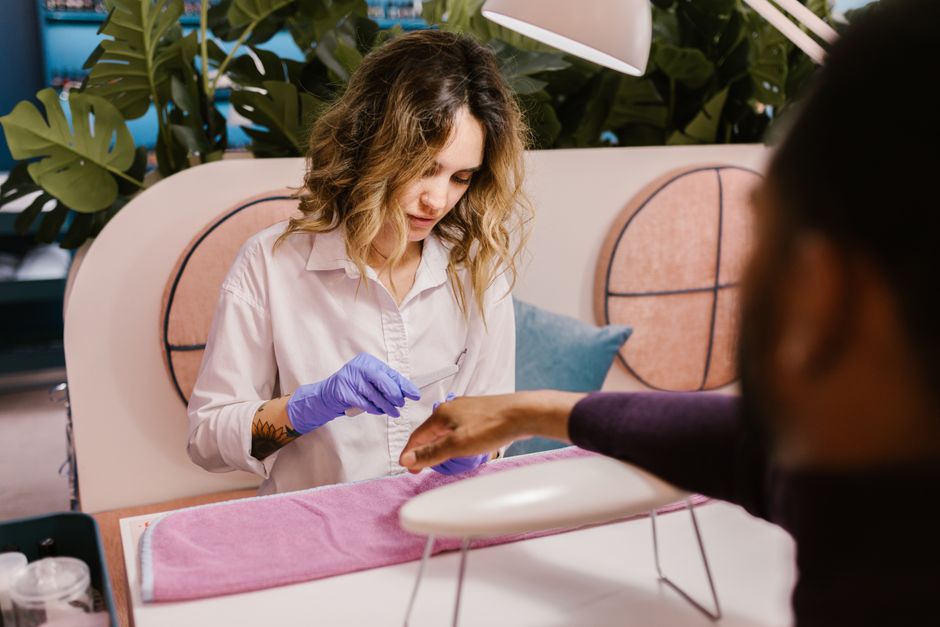
The first client who asked for art wanted “just a little something.” That “little something” turned into a 25-minute debate over the price of a single Swarovski crystal versus three, followed by me frantically trying to paint a delicate swirl while my next appointment sat waiting. I ended up charging a measly $6 for what cost me nearly half an hour of stress and schedule disruption. I quickly learned that passion for the craft doesn’t automatically translate into a profitable business model.
The core of the problem for so many of us isn’t a lack of skill, but a lack of structure. We fall into one of two camps when it comes to offering nail art: the “A La Carte” model, where everything is an individual add-on, or the curated “Tiered System,” where art is grouped by complexity and time. For years, I was firmly in the first camp. Today, I’m here to tell you why switching to the second was one of the single best business decisions I ever made.
The "A La Carte" Approach: The Illusion of Total Freedom
When you’re starting out, the a la carte menu seems like the most logical choice. A client wants a French tip? Add $11. A chrome accent nail? Add $6. A few crystals? Price them per stone. It feels flexible, customisable, and client-friendly. You’re a creative professional, ready to say “yes” to any request. I get it. I lived it.
But let’s be honest about where this path usually leads. Here are the hard truths I learned from the school of hard knocks:
- It’s a Pricing Nightmare: How do you price one dot versus ten? A simple line versus a complex swirl? This method forces you to make pricing decisions on the fly, which almost always results in undercharging. You’re focused on the client in your chair, not your overheads per minute. This inconsistency confuses clients and devalues your expertise.
- It Destroys Your Schedule: The most dangerous phrase in a nail tech’s day is “Can you just quickly add…?” A “quick” ombré fade or a “simple” floral design is never as quick or simple as the client imagines. Without a set time block for art, every a la carte addition pushes you further behind, creating a domino effect of late appointments and a frantic, stressful work environment.
- It Encourages Scope Creep: By presenting an endless menu of small add-ons, you invite negotiation and endless customisation. The consultation becomes less about a cohesive design and more about a checklist of features, often leading to designs that are creatively disjointed and take far longer than anticipated.
- It Leads to Inventory Chaos: Trying to stock every possible glitter, foil, gem, and sticker for any potential request is a fast track to financial waste. You end up with drawers full of products you’ve used once, eating into your profit margins.
The a la carte model promises freedom, but it often delivers chaos, inconsistent income, and burnout. You become a short-order cook of nail art instead of the expert artist you are.
The Curated, Tiered System: The Path to Profitability and Sanity
After one particularly gruelling week of running 45 minutes late every single day, I knew something had to change. I spent a weekend auditing my recent work, timing my techniques, and calculating my true costs. The result was a complete overhaul of my menu and the birth of my tiered nail art system. It’s a model I’ve since taught to hundreds of technicians, and it works.

A tiered system groups nail art into distinct levels based on the time, skill, and product required. Instead of a hundred tiny add-ons, you offer a few clear choices. Here’s why this is a game-changer:
Clarity in Booking and Pricing
Your menu becomes incredibly simple. A client doesn’t book a gel manicure and then surprise you with a request for intricate hand-painted portraits. They book the service they want from the start.
A sample structure might look like this:
- Tier 1: Simple Art (+15 mins, +$17): Includes services like basic French tips, simple dots, lines, a single colour of chrome on up to four nails, or simple stickers.
- Tier 2: Detailed Art (+30 mins, +$35): This could cover more complex patterns like tortoiseshell or marble on all nails, multi-colour chrome, simple encapsulated glitter, or detailed abstract swirls.
- Tier 3: Intricate Art (+45-60 mins, +$55+): Reserved for advanced techniques like character art, intricate hand-painting, 3D gel sculpting, or full sets of highly detailed designs.
The client knows the cost and time commitment upfront. There are no awkward calculations at the end of the service. This clarity builds trust and professional authority.
Predictability and Time Management
This is where you reclaim your sanity. You know a Tier 2 appointment will take a predictable amount of extra time, and you can build that directly into your schedule. When you use a smart booking system, this becomes seamless. For my own business, having clear, timed services on my REZVA booking page means clients schedule the correct slot automatically, eliminating any guesswork and protecting my schedule.
Elevates Your Brand and Expertise
A curated menu positions you as the expert. You are not a vending machine of random designs; you are an artist with a point of view. You are presenting a collection of what you do best. This allows you to refine your signature style, attract clients who appreciate your specific aesthetic, and charge accordingly. It’s the difference between being a technician who does art and being a Nail Artist.
Streamlined Inventory and Reduced Waste
Because you have a defined set of offerings, you can stock your inventory with purpose. You know which gel paints, foils, and glitters you need for your tiered designs. This cuts down on impulse buys and ensures the products you invest in are actively making you money.
The Verdict: Which System Should You Choose?
For any nail professional serious about building a sustainable, profitable, and stress-free business, the tiered system is unequivocally the superior choice. It protects your time, clarifies your pricing, and positions you as a premium expert.
Are you a brand-new technician? It’s acceptable to start with a very limited a la carte menu (e.g., “Accent Nail Art” as a single option) while you build speed and confidence. However, your goal should be to gather data on your timing and graduate to a tiered system within your first year.
For established professionals still using the a la carte method, I urge you to make the switch. Here’s your action plan:
- Audit Your Work: Go through photos of your last 20-30 nail art sets. Group them into 2-4 categories based on the time they took and the complexity of the skills involved. These are your future tiers.
- Time Everything: For the next two weeks, be ruthless with your timer. How long does a perfect French tip actually take you? What about a full set of chrome? You need real data to price your tiers accurately.
- Create a Visual Menu: Photograph beautiful examples of what falls into each tier. Clients are visual. They need to see what a “Tier 2” design looks like. This becomes your new portfolio and consultation tool.
- Update Your Service Menu: Rewrite your service list with your new, clear tiers. Make sure the descriptions are simple and the time blocks are accurate. This is the foundation of an efficient and profitable schedule.
- Communicate with Confidence: Announce the change to your clients via email and social media. Frame it as an exciting update that will provide more clarity and a better booking experience for them. Don’t apologise for it; own it as the mark of a professional who values both their time and their clients’ experience.
Switching systems requires a bit of front-end work, but the long-term payoff in increased income, reduced stress, and professional growth is immeasurable. You went into this industry to be an artist, not an accountant frantically calculating the price of glitter at the end of every appointment. Structure your business to protect your artistry.
Frequently Asked Questions
What if a client brings an inspiration photo that doesn't fit my tiers?
This is a great opportunity to showcase your expertise. Treat it as a consultation. You can say, “I love this design! Based on the level of detail and the techniques involved, this would be a Tier 3 service. If that works for our appointment time and your budget, fantastic! We could also adapt the design to fit into Tier 2 by, for example, focusing the intricate art on just a few accent nails.” This gives the client options while respecting your pricing structure.
How do I price my tiers accurately?
First, calculate your baseline cost per minute. This includes all your overheads: rent, products, insurance, utilities, and your desired salary. Then, using the timing data you collected, calculate the cost for the time each tier takes. The final price should cover your time, product cost, and a profit margin that reflects your skill and experience. Never just copy a competitor's pricing; your numbers are unique to your business.
Is it a bad idea to offer just one or two simple a la carte add-ons alongside my tiers?
I would strongly advise against it, as it starts to muddy the waters and can lead back to the same confusion you're trying to eliminate. The power of the tiered system is its clarity. If you want to offer something extra, consider adding a premium "Artist's Choice Freestyle" tier, where the client gives you full creative control for a set block of time and a premium price. This maintains the structure while still offering a highly creative option.
Prices are shown in US dollars, converted from euros at the European Central Bank reference rate of 16.10.2026 and rounded.
This article was produced with AI assistance and reviewed by REZVA.
- nail art pricing
- salon business strategy
- nail technician advice
- client time management
- gel nail art techniques
- building a service menu
- profitable salon services


Take bookings for nails online.
Clients book themselves from your profile and a deposit covers the no-shows. Free to start, no card. Founding members get Pro free for 12 months, then their price is locked.
98
spots left of 100
12
months of Pro, free
0%
commission on bookings