The Pro's Playbook: How to Price Your Date Night Makeup Services for Maximum Profit
Stop undercharging! Learn how to calculate your costs, define your value, and structure your date night makeup services to boost your bottom line.
4 min read
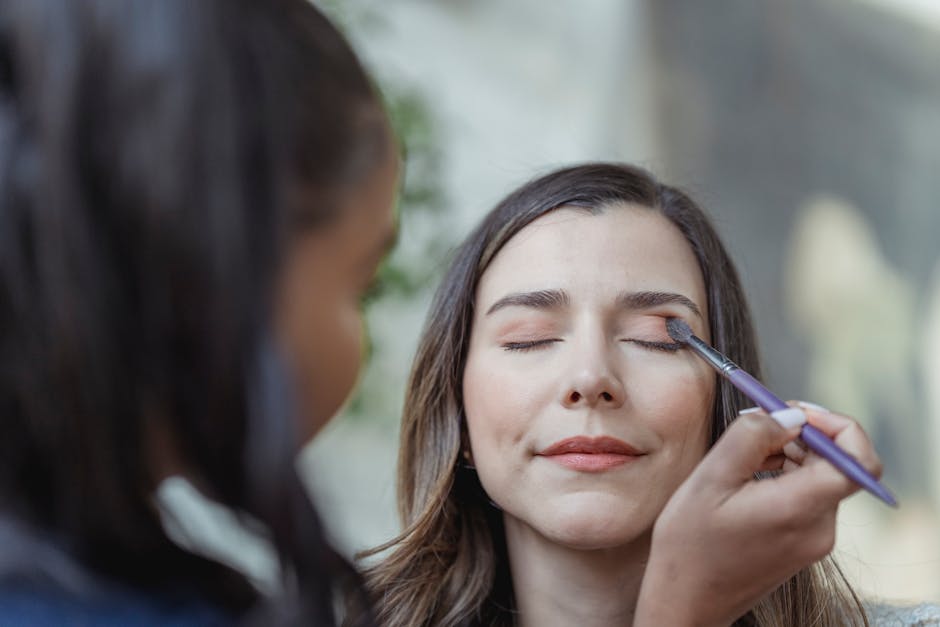
Hello, fellow artists! Priya here. Over my 12 years in this incredible industry, from bustling editorial shoots to the intimate moments of a bride’s big day, I’ve learned that our artistry is only one half of the business. The other half? Smart, strategic pricing. One of the most common services we offer, yet one of the trickiest to price, is the "date night" or "special occasion" makeup application. It’s a fantastic way to fill your book and build a loyal client base, but it's also where I see so many talented artists leaving money on the table.
We pour our skill, time, and expensive products into making a client feel incredible for their special evening. But are we charging what that's truly worth? Let's move beyond guesswork and break down how to price your date night makeup services profitably, ensuring your business thrives as much as your creativity does.
Step 1: Calculate Your True Cost of Service (It's More Than Just Foundation)
Before you can set a price, you have to understand your expenses. Profitable pricing starts with a crystal-clear picture of what it costs you to simply open your kit for a client. We often undervalue this because we love what we do, but passion doesn’t pay the bills. Let’s break it down.
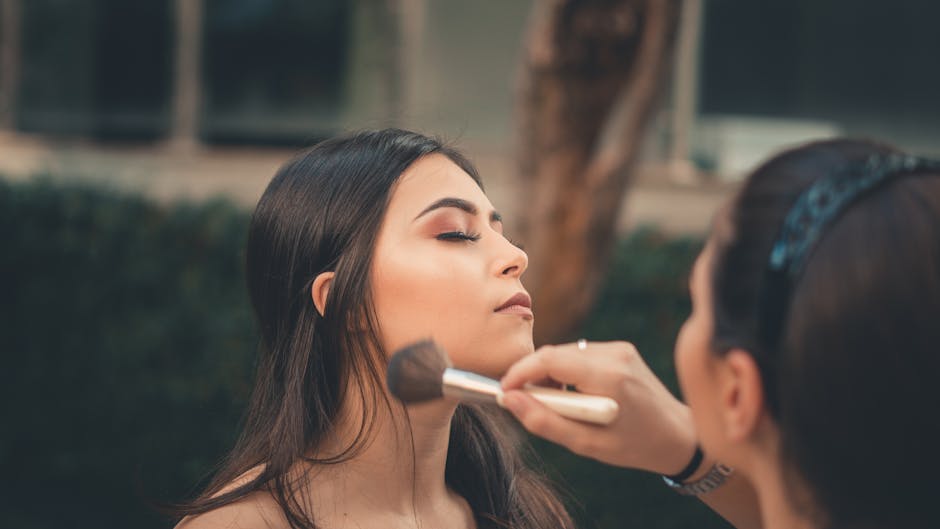
Hard Costs: The Kit & Consumables
This is the most obvious expense. Every pump of foundation, swipe of lipstick, and spritz of setting spray has a cost. Don't just eyeball it; calculate your "cost per face."
- Product Depletion: Think about your go-to products. That Hourglass Veil Mineral Primer, the Pat McGrath eyeshadow palette, the Charlotte Tilbury setting spray. Calculate roughly how many applications you get from each product to determine its per-use cost.
- Disposables: This is a big one we often forget to factor in. Mascara wands, lip applicators, sponges, cotton pads, makeup remover, brush cleaner, and proper sanitation supplies add up quickly. These are non-negotiable for professional hygiene and represent a real cost for every single client.
- Lashes: Are you including strip lashes in your base price? If so, factor in the cost of the lashes (e.g., Ardell, Lilly Lashes) and the professional-grade adhesive.
Pro Tip: Create a simple spreadsheet. List your core products and disposables, their cost, and an estimated number of uses. This will give you a tangible "cost-per-face" number, which is your absolute baseline. Mine is currently around $15-25, depending on the products used.
Soft Costs: Your Time & Overhead
This is where artists most often undercharge. Your time and business overhead are your biggest expenses.
- Your Time: Your time is not just the 60-90 minutes spent on the application. It includes consultation time (emailing/texting beforehand), setup, the application itself, and the crucial 15-20 minutes of sanitation and cleanup afterward. If you're mobile, you must also factor in travel time and costs.
- Overhead: Whether you're freelance or in a salon, you have overhead. This includes rent/studio fees, insurance, marketing costs, business license fees, and software subscriptions. A robust platform to manage your business is an investment in your success. For example, I use REZVA to handle my bookings, scheduling, and client communications, which saves me hours of admin time each week—that’s a business cost that needs to be covered.
- Education & Expertise: Your 12 years of experience (or two, or five!) matter. The masterclasses you’ve taken, the techniques you’ve perfected for different skin types and tones, the product knowledge you’ve accumulated—this expertise is the primary reason a client is hiring you and not watching a YouTube tutorial. You are charging for your curated skill, not just the makeup.
Step 2: Define and Communicate Your Value Proposition
Once you know your costs, you can focus on value. Why should a client pay you $100, $150, or even $200+ for a date night look? Because they aren’t just buying makeup; they’re buying an experience and a result.
You're Selling Confidence, Not Just Contour
A client comes to you to feel like the best version of herself. She’s paying for the confidence of knowing her makeup is flawless, professionally applied, and will last through dinner, drinks, and dancing. This is about the feeling she has when she walks out your door. That is a premium, luxury service.
The Professional Difference
Subtly educate your clients on what sets your service apart. This can be done during the consultation or even on your service menu.
- Longevity: "I use professional skin prep and setting techniques to ensure your look remains flawless for up to 10 hours."
- Hygiene: "I adhere to the highest standards of sanitation, using fully sanitized brushes and single-use applicators for your safety."
- Customization: "This is a fully customized application based on your unique features, skin type, and desired outcome."
This language shifts the conversation from price to value. You’re not just a person applying makeup; you are a skilled artist providing a bespoke beauty experience.
Step 3: Structure Your Services with Tiers and Upsells
A one-size-fits-all price doesn't work for everyone. Offering a structured menu allows you to capture a wider range of clients while maximizing your profit potential. This is where you can get really strategic.
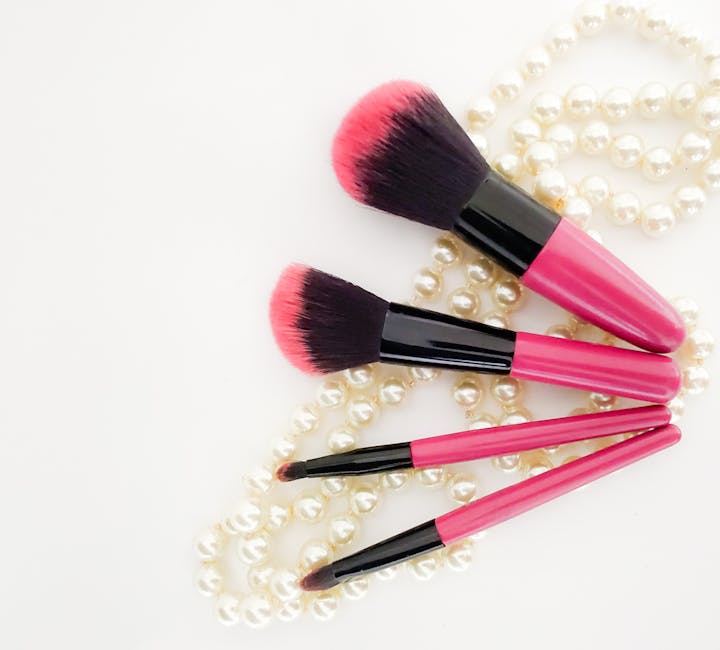
Create Service Tiers
Instead of one "Special Occasion Makeup" service, consider offering a few options:
- The Express (Eyes Only): A 30-minute service focusing just on the eyes and brows. Perfect for the client on a budget or short on time. Price this profitably, but lower than a full face.
- The Signature (Full Face Application): Your classic, 60-75 minute service. This is your bread and butter. It includes skin prep, full face makeup, and standard strip lashes. This should be your benchmark price.
- The Luxe Experience (Premium Glam): A 90-minute service for the client who wants it all. This could include more advanced techniques like detailed cut creases, airbrush foundation, premium mink lashes, and a mini touch-up kit (a sample of the lip color, a powder puff with translucent powder, etc.). Price this at a significant premium.
Master the Art of the Add-On
Add-ons are pure profit. They take minimal extra time but can significantly increase the value of the service.
- Premium Lashes: Offer an upgrade from standard strip lashes to more luxurious mink or 3D silk lashes for an extra $15-25.
- Airbrush Foundation: If you offer it, make it an add-on for its longevity and flawless finish. Charge an additional $20-30.
- Mini Touch-Up Kit: A fantastic and professional touch. Price it at $10-20.
- Pre-Makeup Skin Prep: Offer a hydrating under-eye mask or a 5-minute radiance-boosting sheet mask for an extra fee.
Building out your service menu with these options is incredibly easy on a platform designed for beauty pros. A platform like REZVA gives you a booking page that is open around the clock, so clients see your services and free times and book without messaging you.
Conclusion: Price with Confidence, Earn Your Worth
Pricing your date night makeup services isn't about picking a random number that feels "right." It's a business decision based on a clear understanding of your costs, the immense value you provide, and a strategic service structure. Calculate your numbers, build your tiers, and communicate your worth with the same confidence you use to apply a perfect winged liner.
When you price profitably, you're not just earning more money. You're honoring your skill, investing in the future of your business, and creating a sustainable career doing what you love. Now go update that price list—you've earned it.
Frequently Asked Questions
Q1: Should my date night makeup price be significantly lower than my bridal makeup price?
A: It should be lower, but not drastically. While a bridal service involves much more—extensive consultation, a trial run, contracts, and often travel and a longer time commitment on the wedding day—the actual date night application uses the same high-quality products, skills, and sanitation standards. Your date night price should reflect a premium, one-off luxury service, while your bridal packages reflect a higher-stakes, more involved event package.
Q2: How do I respond when a potential client says they can get their makeup done cheaper somewhere else?
A: Confidently and without apology. This is your moment to highlight your value proposition. You can say something like, "I understand there are various price points available. My rates reflect my 12 years of professional experience, the use of premium, long-wearing products, and a commitment to meticulous hygiene. When you book with me, you're investing in a personalized, luxury experience that guarantees a flawless look that lasts all night." Don't compete on price; compete on quality and experience.
Q3: Is it better to charge a flat rate for the service or an hourly rate?
A: For in-studio date night makeup, a flat, service-based rate is almost always better. It provides clarity for the client and rewards you for your efficiency as you become more skilled. An hourly rate can penalize you for being fast and can create uncertainty for the client. The only time hourly rates make sense is for on-location commercial, film, or day-rate bookings, which is a different pricing structure altogether.
Prices are shown in US dollars, converted from euros at the European Central Bank reference rate of 16.10.2026 and rounded.
This article was produced with AI assistance and reviewed by REZVA.
- makeup artist pricing strategy
- profitable beauty services
- freelance makeup artist business
- salon service pricing
- date night makeup packages
- client value proposition
- beauty business management
Take bookings for makeup online.
Clients book themselves from your profile and a deposit covers the no-shows. Free to start, no card. Founding members get Pro free for 12 months, then their price is locked.
98
spots left of 100
12
months of Pro, free
0%
commission on bookings
