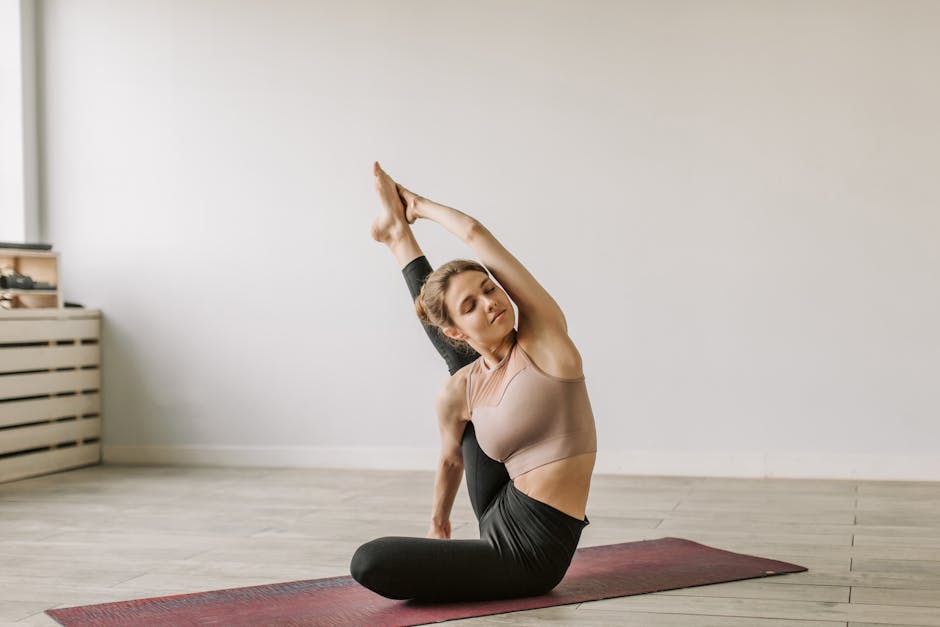
The Hot Yoga Saturation Point is Coming. Here’s Your Survival Guide.
The market is flooded with hot yoga studios. Learn how to move beyond temperature wars and build a brand that attracts and retains clients for the long haul.
5 min read
You feel it, don't you? That slight knot in your stomach when you’re driving through town and see the "Coming Soon" sign. Another yoga studio. And not just any studio—a hot yoga studio, with sleek branding and a massive introductory offer plastered on the window. It’s opening three blocks from yours.
For years, the heat was our differentiator. We invested in state-of-the-art infrared panels or forced-air systems. We educated clients on the benefits of sweating, of deeper stretching in a heated room. But as we look toward 2026, the market is becoming incredibly crowded. "Hot" is no longer a unique selling proposition; it's the baseline expectation. When every studio is turning up the thermostat, how do we stop ourselves from becoming just another drop of sweat in a very crowded bucket?
I’ve seen this happen in the esthetics world time and time again—a new device or treatment like microneedling becomes the "it" service, and suddenly every spa offers it. The ones who thrive aren't the ones who just have the machine; they're the ones who build an entire protocol, an experience, and a specialized expertise around it. The same principle applies here. It’s time to stop competing on temperature and start competing on identity.
Specialize Beyond the Thermostat: Define Your Unique Heat Signature
The first, most critical step is to accept that the heat is simply the entry ticket. It gets people in the door, but it won't be what keeps them there long-term. You need to niche down and define what kind of hot yoga experience you provide. Are you a place for athletic recovery, or a sanctuary for mindful release? You can’t be everything to everyone.

Ask yourself these hard questions:
- Who is my absolute ideal client? Is it the marathon runner looking to improve flexibility and prevent injury? The burned-out corporate professional seeking stress relief? The new parent trying to reconnect with their body? Get specific.
- What is the core feeling I want clients to leave with? Energized and powerful? Calm and centered? Restored and nurtured? This feeling should inform every decision you make.
- What is my team’s unique expertise? Do your instructors have deep training in anatomy and biomechanics? Are they skilled in pranayama and meditation? Lean into your team’s strengths.
Once you have these answers, build your identity around them. For example:
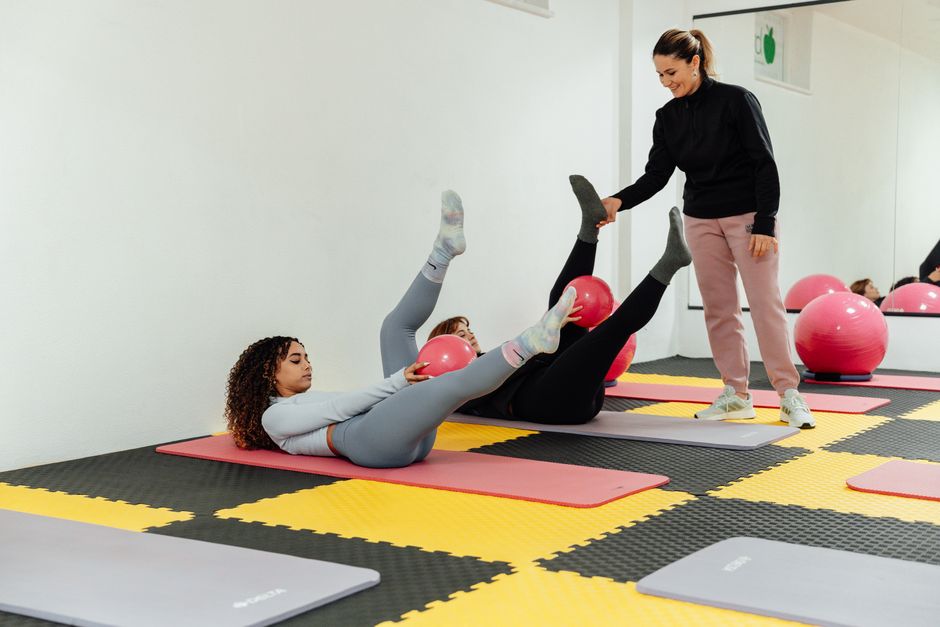
- The Athletic Performance Studio: Classes are named things like "Hot Power & Precision" or "Heated Mobility Flow." You partner with local running clubs and CrossFit gyms. Your instructors can speak intelligently about functional movement and injury prevention.
- The Mindful Sanctuary Studio: You offer "Heated Slow Flow & Meditation" and "Hot Restorative" classes. You emphasize breathwork and philosophy. Your space is a strict no-phone zone, and you build in time for silent reflection before or after class.
Your niche becomes your filter. It dictates your class schedule, your marketing language, and even the instructors you hire. It moves you from being a generic "hot yoga studio" to being *the* studio for a specific type of person seeking a specific type of result.
Curate an Unforgettable Sensory Experience
As an esthetician, I live in the world of sensory details. It’s the difference between a good facial and a transformative one. The same applies to your studio. Most owners focus on the heat and the sequence, but the environment in which that sequence happens is a massive opportunity for differentiation.
Think about crafting a complete sensory journey for your clients from the moment they walk in:
- Scent: Ditch the generic incense. Create a signature scent profile for your brand. Use an essential oil diffuser with an invigorating blend of eucalyptus and peppermint in the lobby, and a calming lavender and cedarwood blend in the studio for your evening classes. The scent becomes an immediate trigger, signaling to your clients that they’ve arrived in *your* space.
- Sound: Are your playlists an afterthought? They shouldn’t be. The music is the energetic backbone of the class. Curate playlists meticulously to match the arc of the class—the warm-up, the peak, the cool-down, the Savasana. A well-timed song can create a breakthrough moment for a student.
- Lighting: Standard fluorescent lights are a non-starter. Invest in high-quality, dimmable lighting. Can you use warm, amber-hued lights for a grounding evening class? Or bright, natural-feeling light for a morning power flow? Smart bulbs that can change color are a relatively inexpensive way to completely alter the mood of the room.
- Touch: This is the secret weapon. The simple act of handing a student a cool, lavender-infused towel during Savasana is one of the most memorable, high-impact gestures you can make. It costs pennies per client but elevates the experience from a workout to a true act of self-care.
Map out a "sensory blueprint" for each of your core class offerings. When the experience is consistent and intentional, clients will notice. It makes your studio feel premium and thoughtfully designed.
Build a Community, Not Just a Clientele
Here’s the truth: people may come for the yoga, but they will stay for the community. In an increasingly digital and isolated world, people are starved for genuine connection. A competitor can copy your class styles or your heat levels, but they can never replicate the unique community you build.

Fostering this connection requires intentional effort:
- Host Meaningful Gatherings: Go beyond the standard "arm balance workshop." Host events that serve your niche. If you’re the "Mindful Sanctuary," offer a "Yoga & Journaling for Self-Discovery" workshop. If you're the "Athletic Performance" studio, bring in a physical therapist for a "Foam Rolling for Recovery" session. These targeted events build loyalty and reinforce your brand identity. Managing the bookings for these unique workshops can get complex, but using a streamlined platform like REZVA makes it easy for clients to sign up and for you to track attendance, keeping the focus on the experience itself.
- Forge Local Partnerships: Connect with other wellness professionals who serve your ideal client. Partner with a local juice bar for post-class discounts, co-host an event with a massage therapist, or feature products from a local, clean skincare brand in your retail section. This embeds you in the local wellness ecosystem and creates a powerful referral network.
- Empower Your Team as Leaders: Your instructors are the face of your community. Train them and empower them to do more than just call out poses. They should be greeting clients by name, remembering small details about their lives, and facilitating connections between students. Their warmth and genuine care are your single greatest assets.
Master Your Digital Studio Front
Your beautiful, welcoming physical space is only half the picture. In 2026, your online presence is your primary storefront. It’s where potential clients form their first impression and where your community stays connected between visits.
Your digital strategy needs to reflect the same level of intention as your in-studio experience. It's not just about posting your schedule. It’s about telling your story.
- Showcase Your Soul: Use high-quality photos and videos that capture the feeling of your studio, not just the physical space. Share instructor bios that go beyond their certifications—what’s their "why"? Why are they passionate about what they do?
- Provide Value, Not Just Promotions: Your content should be a resource. Share a 60-second tutorial on a common alignment mistake. Write a blog post on the philosophy behind your studio’s approach to Yin yoga. Offer a guided meditation on your IGTV. When you give freely of your knowledge, you build trust and authority.
- Make Booking Effortless: The path from "interested" to "booked" must be frictionless. If a potential client has to click through five pages, create a complicated login, and struggle to find your pricing, they will give up and go to the studio down the street. A clean, intuitive, mobile-friendly booking system is a non-negotiable part of modern client service.
The coming years will undoubtedly bring more competition. But this isn't a reason to panic; it's a call to elevate. The studios that will thrive are not the ones that are simply hot, but the ones that are deeply intentional. The ones that have a clear identity, that curate a memorable experience, and that build a true community.
Stop looking at the studio opening down the street as a threat. See it as a catalyst. It's your motivation to dig deeper, to get clearer on your "why," and to build a brand so authentic and resonant that it simply cannot be replicated.
Frequently Asked Questions
Q: My budget is tight. What's the most cost-effective way to start differentiating my studio?
A: Focus on no-cost/low-cost community building. Empower instructors to be community leaders by remembering names and creating a welcoming atmosphere. The cold towel service during Savasana is also incredibly high-impact for a very low per-client cost. These personal touches create immense value without requiring a large financial investment.
Q: How do I compete with studios that offer deep discounts and introductory offers?
A: You compete on value, not on price. A race to the bottom on pricing benefits no one and devalues the service you provide. Confidently communicate your unique value proposition—your specialized niche, your premium sensory experience, and your strong community. Clients who are only looking for the cheapest option are rarely loyal. Focus on attracting the clients who are looking for the best and most resonant experience for them.
Q: How often should I introduce new class types or workshops to keep things fresh?
A: A good rhythm is to offer one significant new workshop or a special series each quarter. This is frequent enough to create buzz and excitement, but not so frequent that it overwhelms your clients or your team. Before launching anything, poll your community to see what they're most interested in. This ensures you’re creating offerings they’ll actually sign up for and reinforces that you value their input.
This article was produced with AI assistance and reviewed by REZVA.
- hot yoga business strategy
- wellness studio marketing
- client retention for yoga
- building a yoga community
- niche wellness services
- yoga class theming
- professional development for instructors

Take bookings for yoga online.
Clients book themselves from your profile and a deposit covers the no-shows. Free to start, no card. Founding members get Pro free for 12 months, then their price is locked.
98
spots left of 100
12
months of Pro, free
0%
commission on bookings