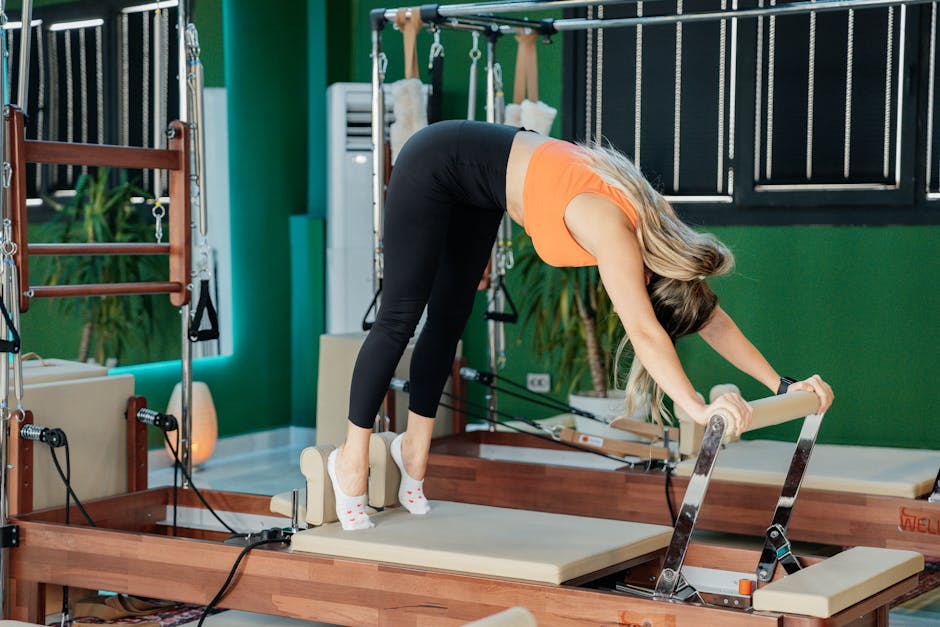
When Beginner Pilates Classes Flop: What to Change
Teaching the basics looks easy, but it rarely is. Here are the hard-won business lessons behind successful beginner Pilates classes.
4 min read
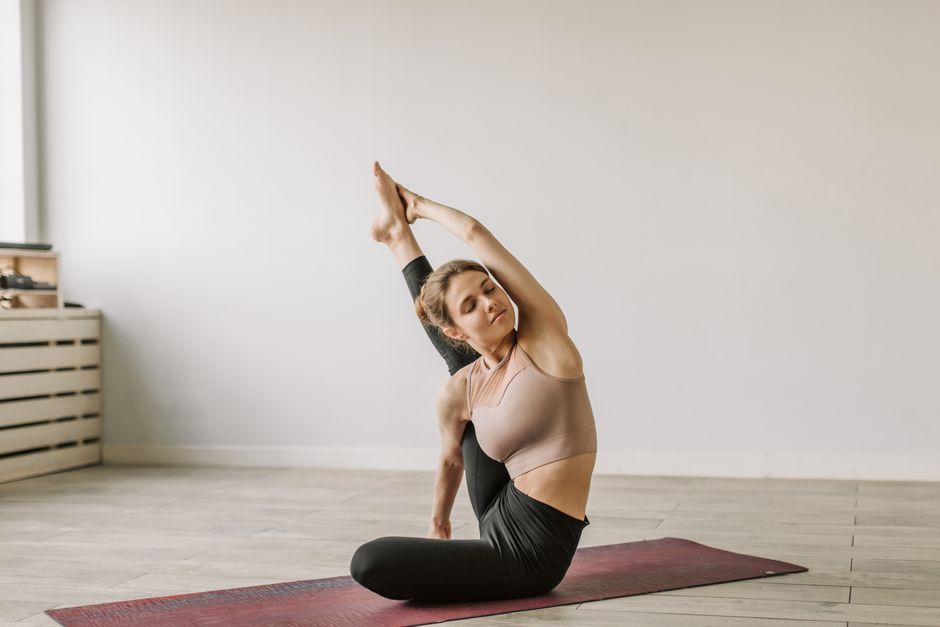
Picture your third-ever “Pilates for Beginners” group class. Your sequence is timed to the minute, your playlist is perfect, and your new studio space smells faintly of eucalyptus. On paper, it’s flawless. In reality, it’s a slow-motion disaster.
One client is moving so fast you worry she’ll launch herself off the reformer. Another can’t grasp the concept of a neutral pelvis, despite your increasingly frantic cues. A third, halfway through a roll down, casually mentions a recent spinal surgery. You freeze. Your perfect sequence shatters. The rest of the hour goes to running around, putting out fires, offering frantic modifications, and feeling like a complete fraud.
A night like that can make you seriously question the decision to expand your wellness services. Teaching the basics looks like easy money. The truth is, teaching beginners is one of the most challenging—and potentially most rewarding—parts of the business. But it requires a completely different strategy than you might think. Here’s what is worth knowing before you put that first class on the schedule.
It’s Not About the Perfect Flow, It’s About the Perfect Foundation
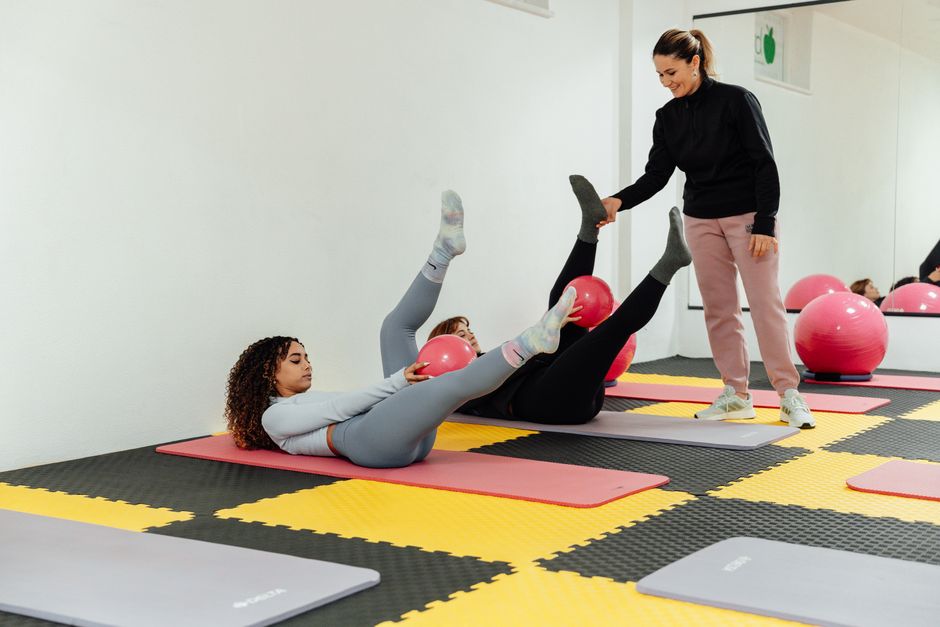
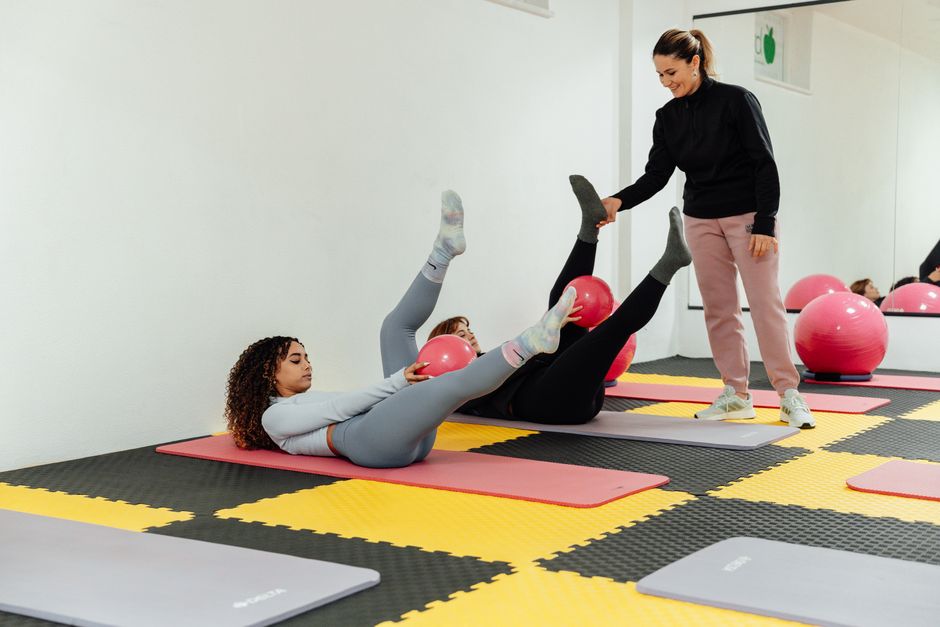
The biggest mistake is trying to replicate the complex, flowing classes you loved as an advanced student. It’s easy to get so focused on creating a beautiful, Instagram-worthy sequence that you completely forget who is in the room. Beginners don’t need fancy transitions; they need clarity and repetition.
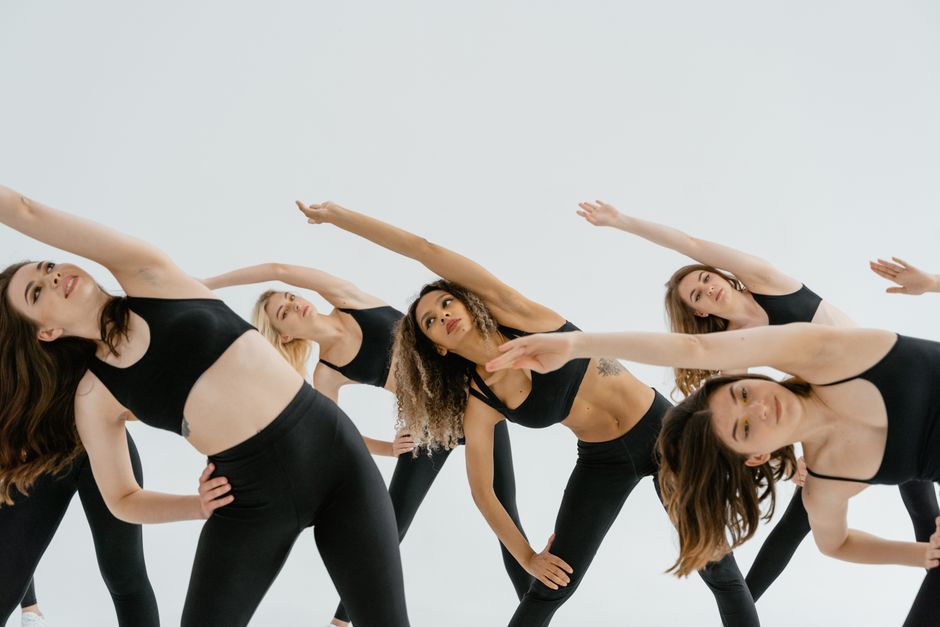
Your job in a beginner class isn’t to entertain, it’s to educate. They need to understand the “why” behind the movement. What is the powerhouse? How do you breathe laterally? What does an “imprinted spine” actually feel like in their body? These are the concepts that will keep them safe and help them progress.
Actionable Advice:
- Develop a "Core Curriculum": Instead of a new flow every week, create a foundational set of 5-7 exercises (like The Hundred prep, Spine Stretch Forward, Leg Circles) that you repeat and build upon. This consistency helps them master the basics and feel a sense of accomplishment.
- Cue for the Sensation, Not Just the Shape: Instead of just saying “Lift your leg,” try, “Imagine you’re drawing a circle on the ceiling with your big toe, keeping both hips anchored to the mat.” Help them connect their mind to the specific muscles you want them to engage.
- Use Props as Teachers: A small stability ball behind the low back during a Roll Up prep or a magic circle between the thighs during Bridging isn’t a crutch. It’s a tool that provides tactile feedback, helping clients find the right muscles far faster than verbal cues alone.
Your Intake Form is Your Most Valuable Business Asset
That client who mentioned her spinal surgery mid-class? That was a wake-up call. A generic “any injuries?” checkbox on your sign-up form is a liability waiting to happen. People forget, downplay their conditions, or simply don’t know what’s relevant. A thorough intake process isn't just red tape; it's your primary tool for safety, customization, and client trust.
A detailed form protects you, protects the client, and allows you to walk into the class already prepared with modifications. It immediately positions you as a knowledgeable professional who cares about their individual needs, not just another group fitness instructor.
Actionable Advice:
- Get Granular: Your form needs to be specific. Ask directly about osteoporosis, herniated discs, joint replacements, high blood pressure, vertigo, and pregnancy (current or recent). Ask about their daily life—do they sit at a desk? Are they a runner? This context is gold.
- Automate the Process: This is non-negotiable for a professional operation. A platform like REZVA gives you a booking page that is open around the clock, so clients see your services and free times and book without messaging you. The information is automatically attached to their profile, so you can review it before they even walk in the door.
- Review Before Every Class: Take two minutes before class starts to quickly scan the profiles of your attendees. A quick mental note—“Okay, Sarah has wrist issues, and John has tight hamstrings”—will transform your ability to teach effectively and safely.
Pricing for "Beginners" Doesn’t Mean Pricing for "Cheap"
This trap is easy to fall into. The thinking goes: “It’s just the basics, so it should cost less.” So the beginner drop-in rate ends up significantly lower than other services. The result? It attracts clients looking for the cheapest workout, not clients committed to learning the Pilates method. Attendance gets flaky, and you burn yourself out for very little profit.
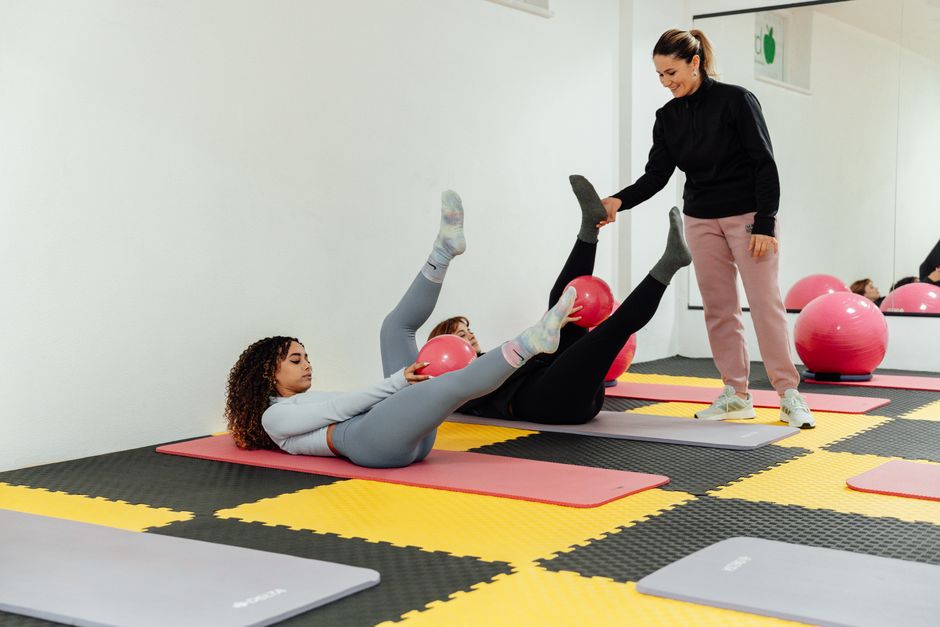
Here’s the reality: teaching beginners is often more demanding than teaching an advanced class. It requires more energy, more verbal cueing, more individual correction, and a deeper understanding of biomechanics to prevent injury. You are building their entire movement foundation. That expertise is valuable, and you need to price it accordingly.
Actionable Advice:
- Eliminate the Low-Cost Drop-In: For beginners, the single drop-in class is rarely effective. They need consistency to learn. Instead, offer a dedicated "Beginner's Foundation Series" (e.g., a 4-week course) or an "Introductory 3-Pack" of private sessions at a premium price.
- Frame it as an Investment: Market your beginner offerings not as a workout, but as an essential education. Use language like, “Master the fundamentals for a lifetime of safe, effective movement.” This attracts clients who value the skill you’re teaching.
- Calculate Your Worth: Your price should reflect your certification, your continuing education, your insurance, and the immense mental and physical energy required to keep a room full of new movers safe and engaged. Don’t devalue your most critical service.
Launching a Pilates service for beginners can be one of the best things you do for your wellness business, but only once you stop treating it like the "easy" option. It’s the gateway for creating dedicated, long-term clients who trust you and understand the value of your work. By focusing on education over performance, systematizing your intake, and pricing for your expertise, you can build a beginner program that is not just safe and effective for your clients, but also profitable and sustainable for your business.
Frequently Asked Questions
How many people should I have in a beginner group class?
Keep it small. For mat classes, we’d suggest no more than 8. For reformer classes, 4-6 is ideal. The smaller class size is a key selling point, as it guarantees the individual attention and hands-on correction that beginners desperately need to build a safe and effective practice.
What’s the best way to market Pilates for beginners?
Focus on the benefits, not the exercises. Your target client probably doesn't know what a "Teaser" is, but they definitely know they want to "alleviate back pain," "improve posture after sitting all day," or "build core strength safely." Use benefit-driven language in your marketing and partner with complementary local professionals like chiropractors and massage therapists for referrals.
Should I require a private session before a client joins a group class?
This is the gold standard if you can implement it. A mandatory introductory private session (or a 3-pack) allows you to do a postural assessment, teach them core principles and language in a low-pressure setting, and build rapport. You can bundle this into a new client special to make it an irresistible first step before they commit to group classes.
This article was produced with AI assistance and reviewed by REZVA.
- pilates for beginners
- pilates instructor tips
- wellness business strategy
- client intake process
- group fitness pricing
- building a client base
- new service launch

Take bookings for pilates online.
Clients book themselves from your profile and a deposit covers the no-shows. Free to start, no card. Founding members get Pro free for 12 months, then their price is locked.
98
spots left of 100
12
months of Pro, free
0%
commission on bookings