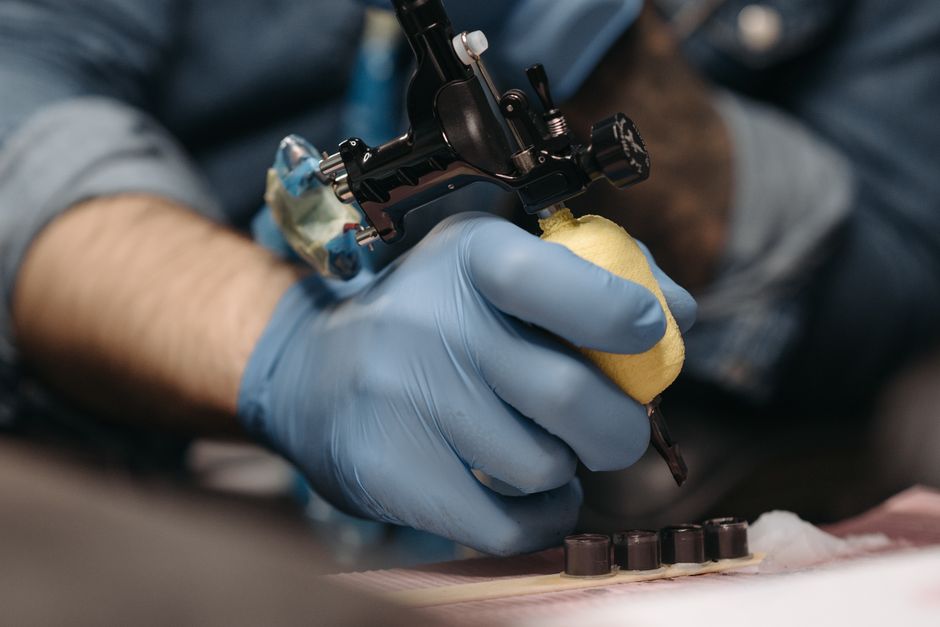
The First-Time Tattoo Client Consultation: A Blueprint for Success
Master the art of the first-time tattoo consultation. Build trust, manage expectations, and turn nervous newbies into loyal, lifelong clients.
5 min read

The Foundation of a Flawless Tattoo: Mastering the First-Timer Consultation
Hello, fellow professionals. Sophie Laurent here. In my world of hair color, the consultation is everything. I would never, ever begin a complex balayage or a dramatic color correction without a deep, thorough conversation with my client. We discuss their hair history, their lifestyle, their goals, and we manage expectations. It’s the foundation upon which a beautiful result and a long-term professional relationship are built. And when it comes to the world of tattooing, this principle is magnified tenfold.
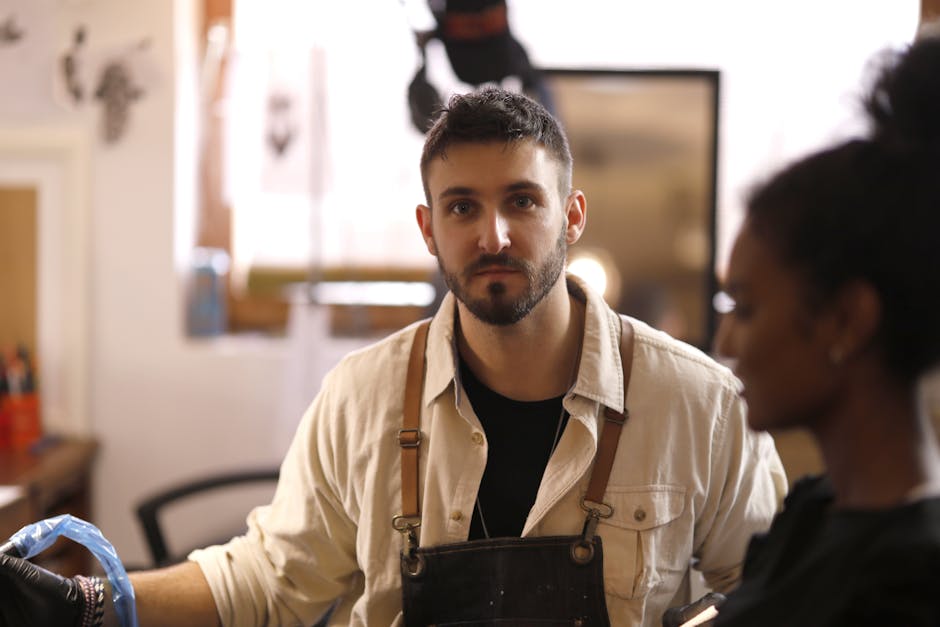
A first-time tattoo client isn't just getting a new style; they're making a permanent, personal, and often emotional decision. They walk into your studio filled with a mix of excitement and pure terror. How you handle that initial consultation doesn't just determine whether you get the booking—it determines the entire experience for them and sets the stage for whether they become a walking billboard for your art or a story of tattoo regret.
Let’s break down how to create a consultation process that turns nervous first-timers into confident, loyal clients for life.
Step 1: Setting the Stage Before They Arrive
A stellar consultation begins long before your client walks through the door. The goal here is to project professionalism and start gathering information, which immediately puts a nervous client at ease. They see you’re an organized expert, not just an artist.
Your Digital Handshake
Your online presence is the first touchpoint. A clean, professional portfolio and a seamless booking process are your digital handshake. They tell a potential client that you are serious about your craft and your business. Having a robust system where they can view your work, read your policies, and request a consultation without friction is non-negotiable. Platforms like REZVA are fantastic for this, allowing you to manage your schedule and showcase your work all in one place. You can build a professional online presence and manage your bookings effortlessly by checking out REZVA's page for specialists.
The Intelligent Intake Form
Your booking form should do some of the heavy lifting for you. Beyond asking for their name and number, include fields that get the conversation started:
- Design Concept: Ask for a brief description of their idea.
- Reference Images: Include an option to upload inspiration photos. This is invaluable.
- Size & Placement: Have them give you an approximate size in inches/cm and the desired body part.
- Budget: This can be a delicate subject, but asking for a general budget range helps manage expectations from the start.
- Skin Information: A simple question about any known skin conditions, allergies, or scarring in the desired area is crucial for safety.
Reviewing this information before the consultation allows you to walk in prepared, with initial ideas already percolating. It shows the client you’ve already invested time in their vision.
Step 2: The Art of the Conversation: Building Rapport and Managing Expectations
When the client arrives, your studio should be clean, calm, and welcoming. Offer them a water, make eye contact, and smile. Your primary goal in the first ten minutes is not to talk about the tattoo, but to make a human connection.
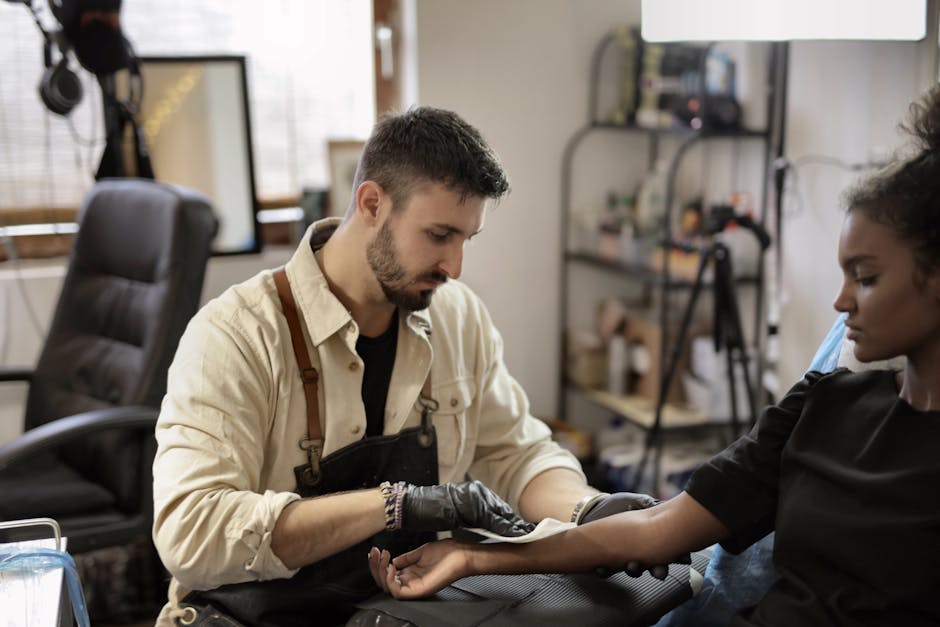
Active Listening is Your Superpower
Start with an open-ended question: “Tell me about the tattoo you’re dreaming of.” Then, be quiet and listen. Let them talk about the meaning, the style, the feeling they’re going for. As they speak, use active listening techniques:
- Paraphrase: “So, what I’m hearing is you want a fine-line piece with botanical elements on your inner forearm, something that feels delicate but also has strength. Is that right?” This confirms you understand and makes them feel heard.
- Ask Clarifying Questions: “When you say ‘minimalist,’ do you mean in terms of line weight, shading, or overall size?”
The Reality Check, Delivered with Care
This is where you transition from friend to expert guide. You must gently but firmly ground their expectations in reality. For a first-timer, this is the most critical part of the process.
- Pain: Be honest. Don’t say “it doesn’t hurt.” Use relatable analogies. “For most people, the outline feels like a slow, sharp scratch, and the shading is more of a persistent vibration. The ribs will be more intense than, say, the outer thigh.”
- Permanence & Aging: Remind them that skin changes and ink settles. Explain why that super-tiny, intricate script might blur over 10 years and suggest a slight increase in size for longevity. Frame it as you looking out for their investment: “My goal is for you to love this tattoo just as much in 20 years as you do the day you get it.”
- Cost: Be transparent. Provide a clear quote. If you charge hourly, give them a realistic time estimate. Explain that your price reflects your experience, quality of materials, and the sterile environment you provide. Never apologize for your rates.
Step 3: The Collaborative Design Process: From Vision to Stencil
Now for the fun part. This is where their abstract idea becomes a tangible piece of art. Collaboration is key. A client who feels involved in the design process is a client who will love the final result.
Visualize, Visualize, Visualize
Use the tools at your disposal. Whether you sketch on paper or use a tablet with Procreate, draw it out in front of them. This demystifies the process and allows for real-time feedback. “What if we have this leaf curve a bit more with the shape of your shoulder?”
Placement is Everything
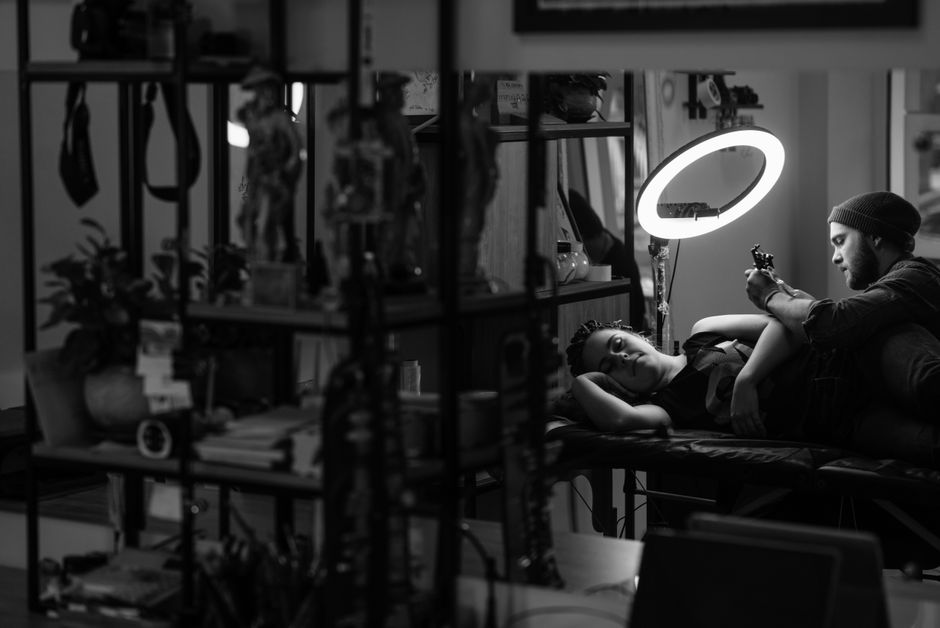
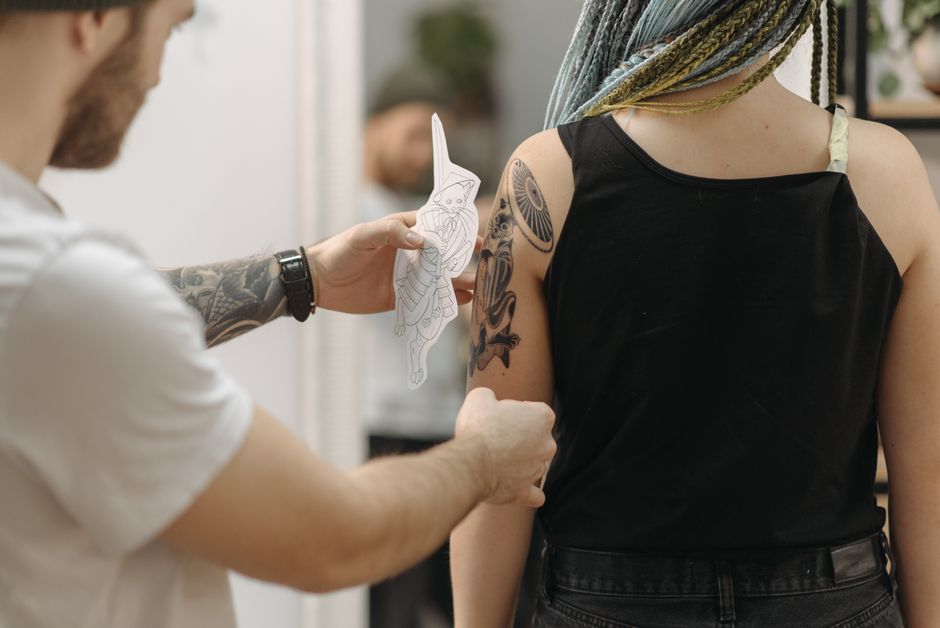
Once you have a design they love, the next step is placement. Never eyeball this. Print the design in a few different sizes and create a temporary stencil. Apply it to their skin and let them stand up, move around, and look in a full-length mirror. Encourage them to take a picture. The way a design looks flat on a screen is completely different from how it flows on the contours of a human body. This single step prevents almost all post-tattoo placement regret.
This is also your chance to offer professional guidance. If they want a piece on a high-motion area like the hand or foot, educate them on the potential for fading and the need for touch-ups. You are the expert; your guidance protects both them and your reputation.
Step 4: Sealing the Deal: Aftercare, Booking, and Follow-Up
The design is approved, the placement is perfect, and the client is excited. Don’t rush them out the door. The final moments of the consultation are about setting them up for success.
Educate on Aftercare
Walk them through your entire aftercare procedure before they even book. Explain the healing stages, what’s normal (light peeling, itchiness) and what’s not (signs of infection). Provide them with a printed or digital aftercare sheet. This shows immense professionalism and reassures them that you care about the result long after they’ve left your chair.
Secure the Appointment
Clearly explain your deposit policy. A non-refundable deposit protects your time and ensures the client is serious about the appointment. Use your booking system to schedule their appointment right then and there. Send them a calendar invite and a confirmation email immediately.
This confirmation should summarize everything: the appointment date/time, the final design, placement, the quoted price, and another link to your aftercare instructions. It’s a professional final touch that leaves no room for confusion.
Conclusion: More Than an Appointment, It's an Experience
For us in the beauty and wellness industry, a consultation is never just a formality. It’s the cornerstone of our service. For a first-time tattoo client, it’s even more than that—it’s a rite of passage. By investing your time and expertise into a thorough, empathetic, and professional consultation, you do more than just sell a tattoo. You alleviate fear, build unshakable trust, and create a positive experience that they will remember forever. That, my friends, is how you build a reputation that keeps your chair full and your art admired for years to come.
Frequently Asked Questions for Professionals
What if a client has an idea that I know won't work well as a tattoo?
This is your moment to shine as an expert. Be honest, but kind and diplomatic. Never say "that's a bad idea." Instead, say, "I love the concept you're going for. From a technical standpoint, designs with extremely fine details this small can blur over time as the skin ages. To ensure your tattoo looks amazing for life, I'd suggest we slightly increase the size or simplify this specific element. We can still capture the same delicate feel." Always explain the "why" behind your advice and offer a constructive solution.
Should I charge for a tattoo consultation?
This is a business decision that depends on your model. Many artists offer a free, brief (15-30 minute) consultation. If the consultation requires extensive custom drawing time, it's standard practice to charge a drawing fee or deposit. This fee is typically non-refundable but is applied to the final cost of the tattoo. The key is to be transparent. Clearly state your consultation/deposit policy on your website and booking page so clients know what to expect.
How do I handle a client who is extremely nervous or indecisive during the consultation?
Patience is your greatest tool. Never, ever pressure a client. Reassure them that it's a huge decision and it's completely normal to be nervous or to want to take time to think. If they're hesitating, say something like, "There is absolutely no pressure to decide today. Why don't you go home, sleep on it, and look at the stencil placement in your own mirror? We can book the appointment when you feel 100% confident." A client who feels pushed is more likely to cancel or regret their decision. A client who feels respected will come back to you when they're ready.
This article was produced with AI assistance and reviewed by REZVA.
- tattoo client consultation
- first-time tattoo clients
- client management tips
- tattoo artist business
- building client trust
- consultation techniques
- salon business advice
Take bookings for tattoo online.
Clients book themselves from your profile and a deposit covers the no-shows. Free to start, no card. Founding members get Pro free for 12 months, then their price is locked.
98
spots left of 100
12
months of Pro, free
0%
commission on bookings