One Flat Price for Volume Lashes? Here's Why That's a Business Mistake.
A single price for all volume sets seems simple, but it devalues your skill and leads to burnout. Let's break down a smarter pricing strategy.
4 min read
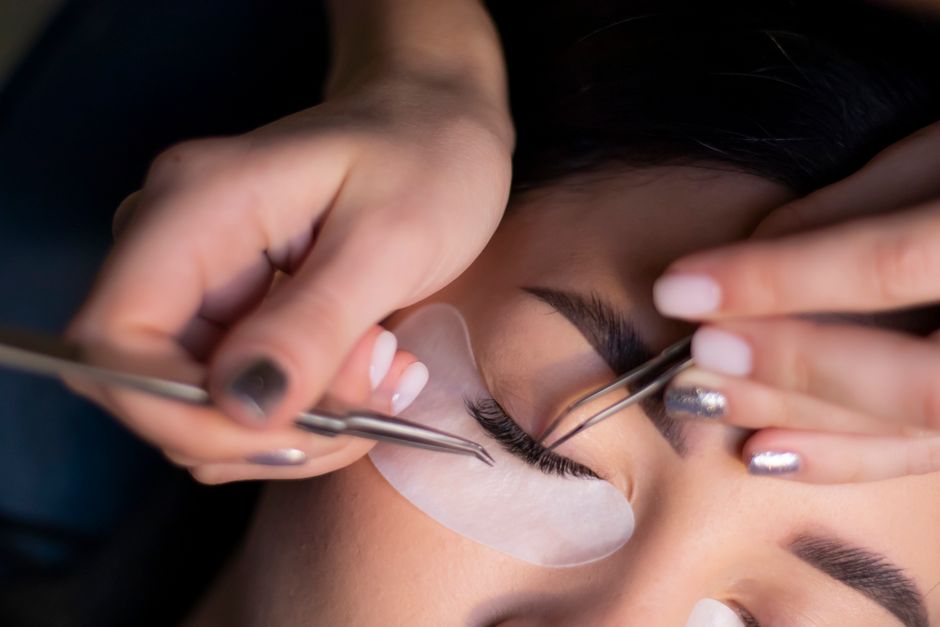
I can still feel the ache in my lower back from those early days as a lash artist. I’d just spent three and a half hours meticulously creating a dense, dark, mega volume set for a client. Every fan was perfect, the coverage was flawless, and the final look was breathtaking. As she paid, I looked at the total and felt a familiar pang of disappointment. It was the exact same amount I had charged the client before her, whose light and airy "natural volume" set took me two hours flat.
I had worked 75% harder, for 75% longer, used significantly more product, and put more strain on my eyes and hands… for the exact same pay. Sound familiar?
This is, without a doubt, the most common and costly business mistake I see new (and even some seasoned) lash specialists make. In an effort to keep things simple, they adopt a single, flat-rate price for all "Volume Full Sets." It’s a clean, easy-to-advertise number, but it’s a trap that caps your income, devalues your most advanced skills, and paves a fast road to burnout.
Let’s break down this common approach versus a more strategic, professional model. It’s time to price your artistry, not just your time.
The Common Trap: Flat-Rate Volume Pricing
When you're starting out, a simple menu feels like the safest bet. You have "Classic," "Hybrid," and "Volume." Each gets one price for a full set and one price for a fill. On the surface, it’s beautifully straightforward. Clients see one number and know what to expect. But the simplicity is deceptive, and it hides some serious business flaws.

Why Artists Default to This Model
I get it. The primary appeal is simplicity. You don’t have to explain complex tiers to clients, and your booking page looks neat and tidy. It feels fair—one service, one price. You might think, "A volume set is a volume set." But as any artist who has created both a wispy 3D set and a dramatic 12D set knows, this couldn't be further from the truth.
The Hidden Costs of Simplicity
Here’s where the flat-rate model starts to break down and cost you money:
- Inconsistent Time & Effort: A "light volume" set using 3D-4D fans on 80% of the natural lashes is a completely different service than a "mega volume" set using 10D+ fans on 95-100% of the lashes. The latter requires more intense concentration, more advanced fanning techniques, and significantly more time. When you charge the same, you are essentially penalizing yourself for being a more skilled and thorough artist.
- Variable Product Cost: A mega volume set can easily use double the number of extensions as a light set. That means more adhesive, more primer, more bonder, and more lash trays. Your cost of goods sold (COGS) for a dense set is much higher, but your flat rate doesn't reflect that. You’re literally paying out of pocket to create your most impressive work.
- Managing Client Expectations: This is a big one. A client sees a photo of a super-dense, black-out lash line on your Instagram and books your "Volume Set." They arrive expecting that exact look for the standard price. You're now in the awkward position of either spending an extra unpaid hour to meet their expectation or delivering a lighter set that leaves them feeling underwhelmed.
- The Inevitable Burnout: Soon, you start to dread the clients who ask for "the fullest you can possibly do." These appointments become physically draining and financially unrewarding. This is the fast track to resenting your craft and burning out.
The Strategic Solution: Tiered, Density-Based Pricing
The alternative isn't about complicating things for the sake of it; it's about aligning your pricing with the actual value, skill, and resources each service requires. A tiered model categorizes your volume sets based on the final outcome and density, creating a clear and fair structure for both you and your clients.
Structuring Your Tiers
Instead of one "Volume" option, you create a ladder of services. The naming is up to you, but a common and effective structure looks like this:
- Light Volume Set (or 2D-4D Set): Perfect for clients wanting more than Hybrid but not full drama. Clearly define this as using lighter fans for a fluffy, natural-looking fullness. Set a specific time block and price for this.
- Full Volume Set (or 5D-8D Set): This is your standard, classic volume look—full, dark, and dense. It’s a noticeable step up from the Light set and becomes your new baseline "volume" service. It gets its own, higher price point and longer time slot.
- Mega Volume Set (or Russian Volume / 9D+ Set): This is your premium, top-tier offering. Reserved for the densest, most dramatic looks using the finest diameter lashes and advanced fanning techniques. This service should command your highest price and longest appointment time, reflecting the master-level skill it requires.
The Business Benefits of a Tiered Menu
Adopting this model is one of the most powerful business decisions a lash artist can make. Here's why:
- You Get Paid for Your Expertise: Your price now directly correlates with your skill, time, and product usage. You are finally being compensated appropriately for your most advanced and time-consuming work.
- It Educates Your Clients: A tiered menu inherently teaches clients that "volume" is not a one-size-fits-all term. They begin to understand the difference in artistry and density, which builds their appreciation for your craft.
- It Creates Natural Upsell Paths: A client who loves her Light Volume set might be curious about the Full Volume set for her next appointment. Your menu itself becomes a sales tool, encouraging clients to explore different options.
- It Protects Your Physical Well-being: By charging a premium for mega volume, you ensure those physically demanding appointments are also your most profitable. This allows you to limit how many you take per week, protecting your eyes, hands, and back from strain without sacrificing income.
The Verdict: Which Should You Choose?
For any professional lash artist serious about building a sustainable, profitable career, the choice is clear. While flat-rate pricing is a tempting shortcut when you’re starting out, a tiered, density-based pricing model is non-negotiable for long-term growth and success.
Making the switch isn't just about changing numbers on a menu; it's a fundamental shift in how you value your own artistry. You are transitioning from a simple service provider to a specialist who offers a range of customized, expert-level outcomes.
How to Make the Change Smoothly
- Audit Your Work: For the next few weeks, meticulously time every volume set. Note the fan dimensions, the percentage of lashes covered, and take clear photos of the final result. This data will help you define your tiers.
- Define and Name Your Tiers: Based on your audit, create 2-3 distinct service levels. Give them clear, descriptive names. For example, "Feathery Volume," "Signature Volume," and "Dramatic Volume."
- Update Your Service Menu: This is the crucial step. Updating your service menu on a platform like REZVA is simple, allowing you to clearly define each tier with its own description, duration, and price, so clients can book the exact look they want. Use your new photos to visually illustrate the difference between each level right on your booking page.
- Communicate with Your Clients: Announce the change proactively. Post on social media and send an email to your client list. Frame it as a positive update: "Great news! To better customize your lash experience, I'm updating my menu to include several distinct volume options, from light and natural to full and dramatic. This will ensure we can achieve your perfect look every time!"
Moving to a tiered system is a mark of a mature business owner. It shows you respect your own skill and are dedicated to providing a truly custom service for your clients.
Frequently Asked Questions
What if my clients push back on the new pricing structure?
Confidence and education are everything. When a client asks, explain it with a client-focused benefit. Say, "This new structure allows me to book the precise amount of time needed to create the exact density you're looking for, so the results are more consistent and tailored to you." Most clients will appreciate the transparency and professionalism.
How many tiers are too many?
For most artists, three is the sweet spot. A light, a medium (full), and a heavy (mega) option covers the vast majority of client requests without causing "decision paralysis." You can always add a fourth, ultra-specialized tier later, but start with three to keep it clear and manageable.
My speed varies. How do I price a service that might take me 2.5 hours one day and 3 hours the next?
Price for the value and the target time, not your current inconsistency. Set a standard duration for each tier in your booking system (e.g., "Full Volume - 3 Hours") and price it accordingly. This creates a benchmark for you to work toward. As you practice, your timing will become more consistent, and you will "grow into" your pricing. Don't undercharge today just because you're still perfecting your speed. Your skill and the final result are what the client is paying for.
This article was produced with AI assistance and reviewed by REZVA.
- volume lash pricing
- lash artist business tips
- salon pricing strategy
- beauty business growth
- mega volume lashes
- lash extension services
- avoiding artist burnout

Take bookings for lashes & brows online.
Clients book themselves from your profile and a deposit covers the no-shows. Free to start, no card. Founding members get Pro free for 12 months, then their price is locked.
98
spots left of 100
12
months of Pro, free
0%
commission on bookings