Elevate Your Color Business: Mastering the Art of the Highlight Consultation
A flawless highlight service begins long before the foils. Learn my proven framework for consultations that build trust, manage expectations, and boost profit.
4 min read
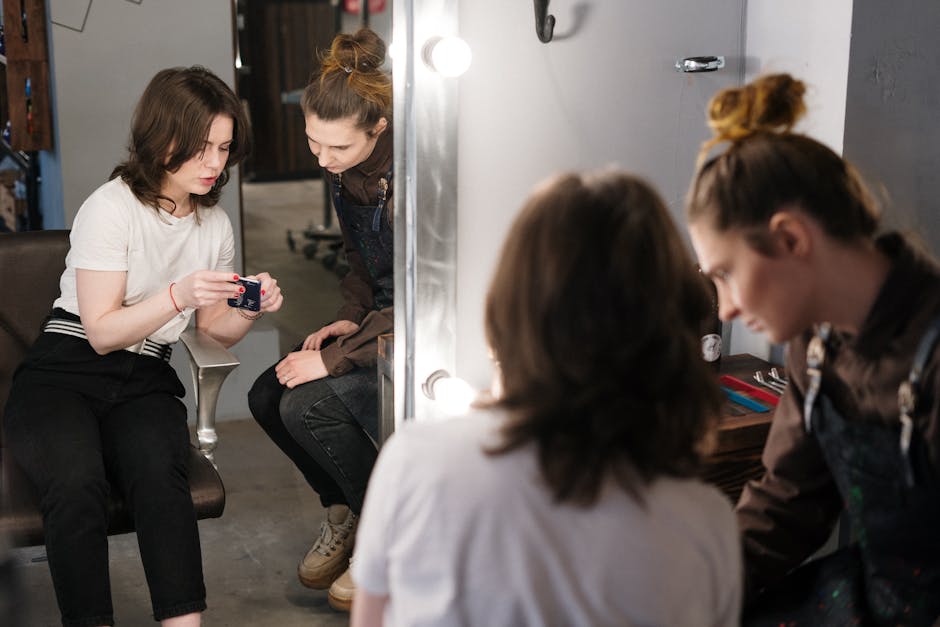
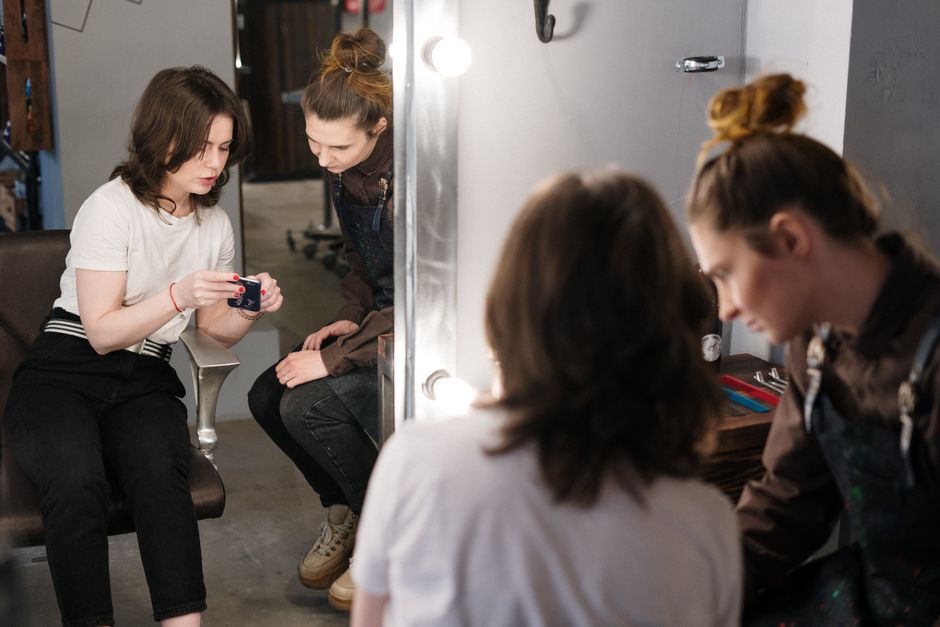
We’ve all been there. A client sits in your chair, phone in hand, showing you a picture of perfectly sun-kissed, impossibly blended highlights on a completely different hair type and color than their own. In that moment, the success of the next three hours—and your relationship with that client—hangs in the balance. It’s not about your foiling technique or your toning formula. It’s about the next 15 minutes: the consultation.
Over my years behind the chair and running my own salon, I’ve learned that the consultation isn’t just a preamble; it is the most critical part of any color service. It’s where we transition from stylist to trusted expert. It’s where we build value, prevent disasters, and turn a one-time visit into a loyal, long-term client. A masterful consultation protects your time, showcases your expertise, and ultimately, leads to the stunning results that build your reputation. Let’s break down how to transform your consultations from a simple chat into a strategic tool for your business.
Beyond the Inspiration Photo: The Art of the Deep Dive
The Pinterest photo is a starting point, not a contract. Our job is to decode what the client truly wants by looking past the image and understanding their life. I call this the “lifestyle diagnosis.” It involves asking strategic, open-ended questions that reveal their habits, budget, and commitment level.
- Hair History & Integrity: This is non-negotiable. Go back at least two years. "Tell me about everything your hair has been through. Any box color, even if it was a 'wash-out' gloss? Any keratin treatments or at-home experiments?" I always explain why I’m asking: “Previous color, even if faded, can create unexpected results when we lighten, so knowing the full history helps me keep your hair healthy and beautiful.”
- The Maintenance Commitment: Be direct. “This look requires a gloss and touch-up every 8-10 weeks to stay fresh. Does that fit into your schedule and budget?” This question alone can pivot the entire service. A client who wants a low-maintenance look isn’t a good candidate for high-contrast, root-to-tip babylights, but they might be perfect for a soft, lived-in balayage that grows out seamlessly over 4-6 months.
- Daily Styling Routine: How do they wear their hair day-to-day? “Do you typically air-dry, or are you a dedicated round-brush-and-hot-tool person?” This tells you where the highlights need to be placed for maximum impact. A client who always wears her hair in a ponytail will want brightness around her hairline, a detail you might miss if you only focus on how it looks when it’s styled down.
The Technical Assessment: Reading the Canvas
Once you understand their lifestyle, it’s time to get your hands in their hair. This is where you connect their dream with the reality of their "canvas." Talk them through what you’re doing and seeing—this educates them and demonstrates your expertise.
The Three-Point Check:
- Porosity: Gently slide your fingers up a few strands of hair. Is it smooth or rough? Explain what you’re feeling. “Your ends feel a bit more porous, which is normal. This means we’ll need to use a bond builder to protect them and formulate your toner differently for the ends versus the roots to ensure an even result.”
- Elasticity: Gently pull on a single wet strand. Healthy hair will stretch and return. If it snaps or feels mushy, lightening is a high-risk service. This is a powerful visual for the client. "See how this strand has great stretch? That tells me your hair is strong enough for this process. If it were snapping, we'd need to focus on treatments first."
- Density & Texture: Is their hair fine but dense? Coarse and sparse? This determines your sectioning, application technique (weaving vs. slicing), and the products you’ll use. Verbalize your plan: “Because your hair is so beautifully thick, I’m going to use finer weaves to create a soft, natural blend rather than chunky stripes.”
A strand test is your best friend, especially with new clients or major transformations. I don’t just do it in the back room; I often do it with the client, explaining the process. It’s the ultimate expectation manager, showing them exactly how light their hair will lift in one session and giving you a concrete roadmap for your formula.
Managing Expectations & Co-Creating the Vision
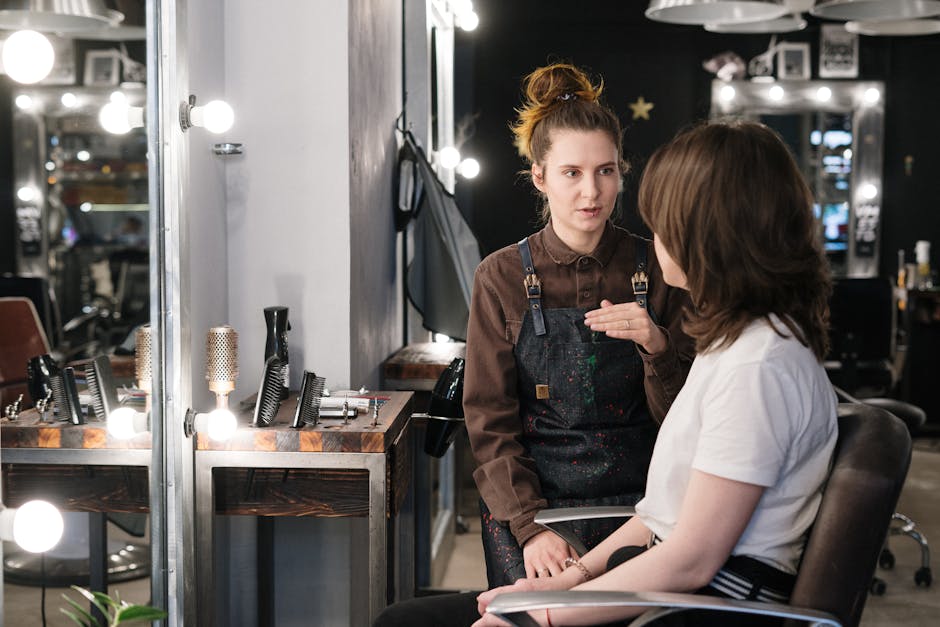
This is where you synthesize all the information you’ve gathered and present a realistic plan. The goal is to move from their single inspiration photo to a co-created vision that works for their hair, budget, and lifestyle.
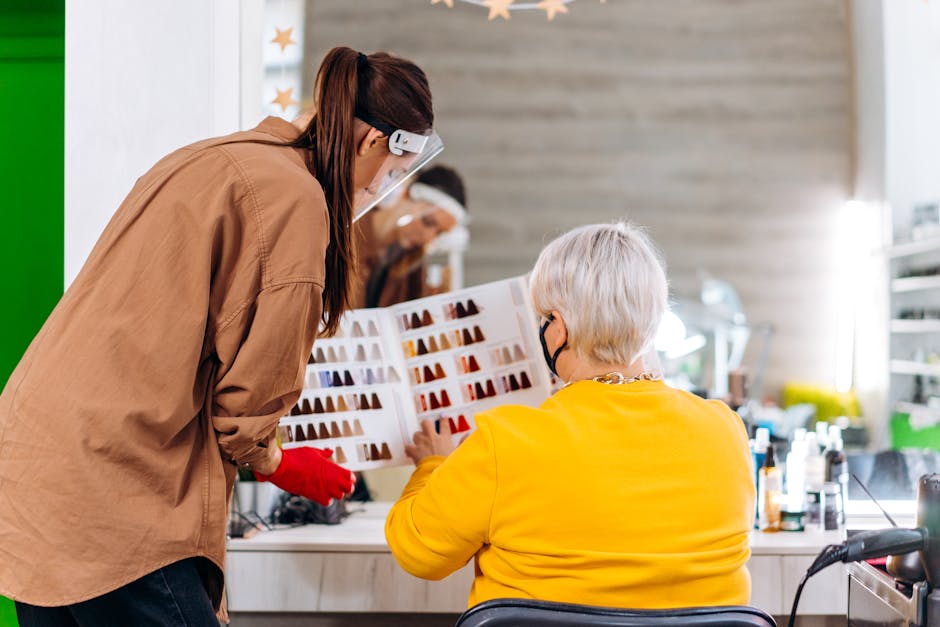
Avoid a hard “no.” Instead, use the language of a journey. If their dark, box-dyed hair can’t safely become platinum blonde in one sitting, say: “I love that icy blonde for you! To get there while keeping your hair healthy, we’re looking at a two or three-session journey. Our goal for today will be this beautiful, rich caramel shade (show them a swatch or a photo from your own portfolio), which will neutralize the old color and set us up perfectly for our next session in 10 weeks.”
Use your own portfolio. It's more powerful than a celebrity photo because it represents your actual work on real clients. Show them before-and-afters of clients with a similar starting point. This builds immense trust and credibility.
Setting the Price and the Plan
Confidence is key when talking about money. Don’t apologize for your pricing. Instead, break down the value. You’re not just selling foils; you’re selling your expertise, premium products, and a customized experience.
Provide a clear price range upfront, based on your consultation. For example: “For the custom balayage, bond-building treatment, and gloss we discussed, you’re looking at a range of $X to $Y today. This ensures we have the time and product needed to achieve our goal without compromising your hair’s health.”
This is also the perfect time to plan ahead. Before you even mix your first bowl of lightener, schedule their next appointment. This is where having a robust management system is a game-changer. I use my REZVA platform to map out multi-session color goals, add detailed notes from our consultation, and pre-book the client’s next one or two appointments right there and then. It solidifies their commitment and makes tracking their hair journey effortless. If you're looking to streamline your own booking and client management, you can learn more about getting started on REZVA's page for specialists.
Conclusion: The Foundation of Your Artistry
A truly exceptional highlight service is a collaboration built on trust and clear communication. By mastering the art of the consultation, you do more than just prepare for a service—you build relationships, establish your authority as an expert, and create a foundation for client loyalty. You’ll see fewer re-dos, receive more glowing reviews, and attract clients who value and respect your professional craft. Take those extra 15 minutes. Ask the right questions. Your artistry—and your business—will thank you for it.
Frequently Asked Questions
How do you handle a client with a completely unrealistic inspiration photo?
Empathize first, then educate. Say, "That's a gorgeous look! Let's talk about what it would take to get your hair there." Use the technical assessment to explain the limitations of their hair canvas. Frame it as a multi-step "journey" and present an exciting, achievable "first step" goal for today's appointment. Always bring the focus back to their hair's health and integrity as your top priority.
What's the best way to discuss budget without making the client uncomfortable?
Integrate it into the maintenance conversation. When you ask about their commitment to upkeep, it's a natural transition to price. Be transparent and provide a price range rather than a single number, explaining what it includes (e.g., "The service, which includes the bond-builder and custom gloss, will be between $X and $Y."). This frames it as an all-inclusive investment, not just a line-item cost.
How should I document a consultation to protect my business and ensure consistency?
Digital notes are essential. Use your client management software (like REZVA) to record everything: their hair history, the results of your technical assessment, the exact plan you agreed on, the maintenance schedule, and the formulas used. Taking a "before" photo is also non-negotiable. This documentation is invaluable if a client's memory of the consultation differs from yours, and it ensures you or another stylist can perfectly replicate the service next time.
Prices are shown in US dollars, converted from euros at the European Central Bank reference rate of 16.10.2026 and rounded.
This article was produced with AI assistance and reviewed by REZVA.
- hair color consultation
- client communication skills
- salon business tips
- highlighting techniques
- balayage consultation
- managing client expectations
- advanced colorist education
Take bookings for hair online.
Clients book themselves from your profile and a deposit covers the no-shows. Free to start, no card. Founding members get Pro free for 12 months, then their price is locked.
98
spots left of 100
12
months of Pro, free
0%
commission on bookings