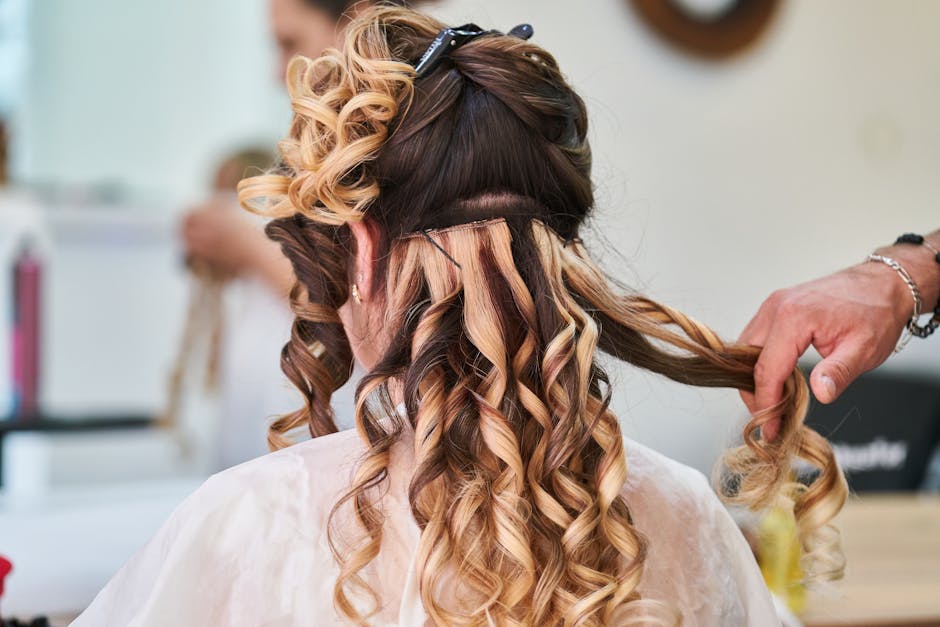
Cost-Per-Minute vs. Value-Based: A Better Way to Price Your Blowouts
Are you undercharging for your blowouts? I'll break down two core pricing methods to help you decide when and how to raise your rates with confidence.
4 min read

Hello, colleagues. Sophie Laurent here. There’s one service that’s the backbone of so many of our businesses: the blowout. It’s our gateway service, our weekly ritual with regulars, and often, the final touch that makes our color work truly sing. But I have a question for you, one I’ve wrestled with myself over the years in my own salon: are we charging what it’s actually worth?
Too often, I see talented stylists price their blowout like it’s just a quick dry-off. They see it as a low-margin, high-volume service. But a truly exceptional blowout—one that holds its shape for days, feels weightless, and gleams with health—is an art form. It’s a showcase of our technical skill and a tangible luxury for our clients.
The hesitation to raise prices is real. We worry about scaring off loyal clients or pricing ourselves out of the market. Today, I want to walk you through the two main ways of thinking about pricing this essential service. Let’s break down the data-driven approach versus the value-driven one, and I’ll give you the framework I use to decide when it’s time for a change.
The Traditional Approach: The Cost-Per-Minute Calculation
This is the "business school" way of looking at things. It’s logical, safe, and entirely based on tangible numbers. The goal here is simple: cover your costs and guarantee a profit on every single service. If you haven't done this exercise, you absolutely must. It’s the foundation of a sustainable business.
How to Calculate It
You need to figure out your total cost to perform one blowout. Be brutally honest and thorough. This includes:
- Product Costs: Think of the entire journey. The dollop of luxury shampoo, the scoop of deep conditioner, the two pumps of leave-in, the heat protectant spray, the root lift mousse, the finishing serum. Measure it out for a few services to get an accurate average cost per client.
- Overhead Costs: This is your "cost of opening the door." Calculate your salon’s total monthly expenses (rent, utilities, insurance, booking software, towels, coffee for clients, etc.) and divide it by the number of hours you work in a month. This gives you an hourly overhead cost for your chair. If a blowout takes you 45 minutes, you need to factor in 75% of that hourly cost.
- Your Time: What is your target hourly wage? This is not your profit; this is your salary as a technician.
Formula: (Product Cost) + (Overhead Cost for the Service Duration) + (Your Wage for the Service Duration) = Your Base Price.
The beauty of this method is that it gives you a hard, undeniable number. It’s your floor. You know with certainty that any price above this number is profit. It’s a fantastic tool for new stylists or anyone who feels their pricing is completely arbitrary. It replaces fear with facts.
The downside? It completely ignores your artistry, your years of experience, your demand, and the premium experience you provide. It commoditizes your skill, putting a hard ceiling on your earning potential. A stylist fresh out of beauty school and a 15-year veteran who trained at Vidal Sassoon could have similar base costs, but is their service worth the same? Absolutely not.
The Modern Approach: The Value-Based Experience Model
This is where we move from being technicians to being artists and brand builders. The value-based model prices the service based on the result, the experience, and the perceived value in the client's eyes. It’s not about the 45 minutes they spend in your chair; it’s about the four days of confidence they feel with a flawless blowout.
What Constitutes "Value"?
Value is a combination of factors that set you apart. This is your unique selling proposition.
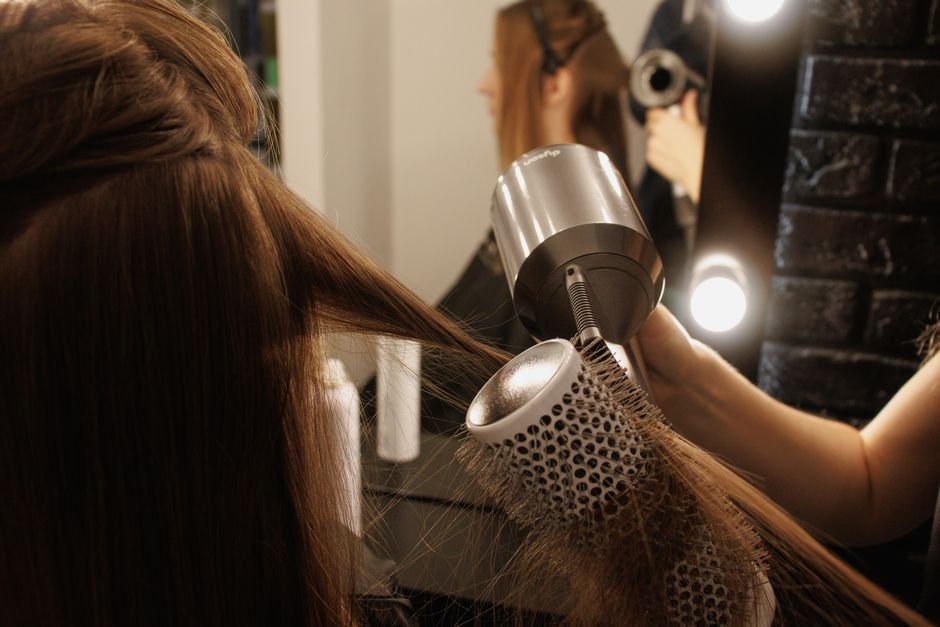
- Technical Mastery: Can you deliver a frizz-free finish in high humidity? Do you have the perfect round-brush tension to create volume that lasts? Do you know how to use the cool-shot button on your dryer to lock in the cuticle for maximum shine? This is skill, and skill has immense value.
- The Client Experience: Value is also the experience you curate. It’s remembering how your client takes her coffee. It’s the quality of the scalp massage at the bowl. It’s the thoughtful consultation where you listen to her needs for the week ahead. It’s the ease of booking her next appointment through a seamless system like REZVA that sends professional reminders. It all adds up to a premium, stress-free experience she can't get anywhere else.
- Your Brand and Demand: Are your books filled weeks in advance? Do you have a waitlist? Are you the go-to stylist in your city for event styling? Demand is the clearest indicator of value. If clients are lining up for your services, your price does not reflect the current market value of your time and talent.
Pricing on value allows you to earn what you’re truly worth. It attracts a clientele that respects your craft and is willing to invest in quality. The challenge, of course, is that it requires immense confidence. It can feel subjective and scary to put a high price on your own perceived value.
The Verdict: A Hybrid Framework for Smart Pricing
So, which model is right? The truth is, you need both. The most successful, sustainable stylists don't choose one or the other; they use them together in a strategic, two-step framework.

Step 1: Establish Your Floor with the Cost-Per-Minute Method
First, do the math. Calculate your absolute base price using the cost-per-minute model. This number is your non-negotiable minimum. It’s your safety net. You will never, ever price a service below this number. This step ensures you are always profitable.
Step 2: Build Your Price with the Value-Based Model
Once you have your floor, look up. Now, honestly assess the value you’re adding on top of that base cost. Ask yourself:
- Am I more than 80% booked for the next three weeks?
- Have I completed any advanced education in the last year?
- Do my clients regularly tell me my blowouts last longer than others?
- Is my client experience (ambiance, consultation, amenities) truly premium?
For every "yes," you have justification to add a percentage on top of your base price. This is also where you must conduct market research. See what other top-tier stylists in your area are charging. The goal isn’t to copy them, but to understand the local market and position yourself intentionally within it. Your final price should be a confident reflection of your costs, your skill, your demand, and your market position.
When you do decide to raise your prices, do it professionally. Give your clients at least a month's notice. A simple, confident sign at your station and a brief mention at checkout is perfect. Frame it not as an apology, but as a reflection of your commitment to quality: "To continue providing the highest level of service and using the best products, my blowout pricing will be adjusted starting on [Date]."
FAQ: Your Pricing Questions, Answered
What if I lose clients after a price increase?
You might, and that’s okay. A small percentage of client attrition is normal and healthy for a growing business. A price increase often filters out clients who are focused solely on the cheapest option, making room in your schedule for clients who value your specific expertise and are happy to invest in it. The clients who truly value you will stay.
How often should I re-evaluate my blowout prices?
At least once a year. Set an annual calendar reminder to run through your numbers. Product costs go up, rent increases, and hopefully, your skills and demand have grown, too. An annual review ensures your pricing keeps pace with your business reality and your professional growth.
Should I charge more for long or thick hair?
Yes, 100%. This is a perfect example of the hybrid model in action. More hair requires more time (cost) and more product (cost), but it also requires more skill and effort to achieve a beautiful result (value). Don't absorb that cost. List it clearly on your service menu as either an automatic add-on fee ("+$20 for extra long/thick hair") or create separate service tiers. Transparency is key, and clients will respect you for it.
Prices are shown in US dollars, converted from euros at the European Central Bank reference rate of 16.10.2026 and rounded.
This article was produced with AI assistance and reviewed by REZVA.
- blowout pricing strategy
- salon service pricing
- hair stylist business tips
- increasing salon revenue
- client retention strategies
- salon profit margins
- beauty business management


Take bookings for hair online.
Clients book themselves from your profile and a deposit covers the no-shows. Free to start, no card. Founding members get Pro free for 12 months, then their price is locked.
98
spots left of 100
12
months of Pro, free
0%
commission on bookings