Editorial Shoots or Real Brides: Which Portfolio Style Actually Gets You Hired?
Your portfolio is your #1 sales tool. But should it feature high-fashion shoots or real client work? Let's break down the strategy that books jobs.
4 min read
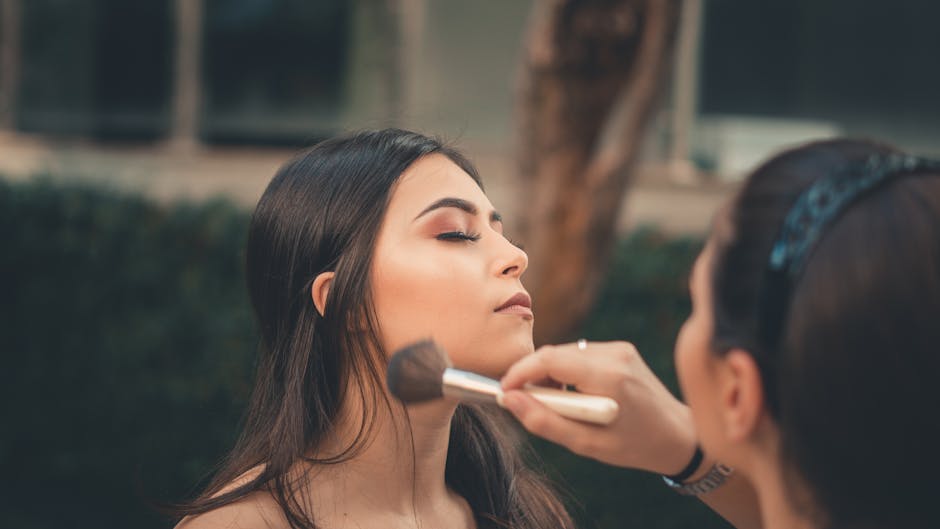
As makeup artists, our portfolio is everything. It’s our visual resume, our business card, and our primary sales tool all rolled into one. It’s the first thing a potential bride, a creative director, or a new salon client will ask for. For years, I’ve seen talented artists struggle not with their skill, but with how they present it. They have the hands, but their portfolio isn’t doing the heavy lifting to get them booked.
The central debate I see time and again is this: what kind of work should dominate your book? Should you invest your time and money into creating highly stylized, perfect editorial shoots? Or should you focus on showcasing the beautiful, real-world transformations you create on your paying clients every weekend?
Both have their place, but they serve very different strategic purposes. Over my 12 years in the industry, I've learned that leaning too heavily in one direction can limit your opportunities. Let’s break down the pros and cons of each approach so you can build a portfolio that doesn’t just look pretty—it actively grows your business.
The Case for the Polished Editorial Portfolio
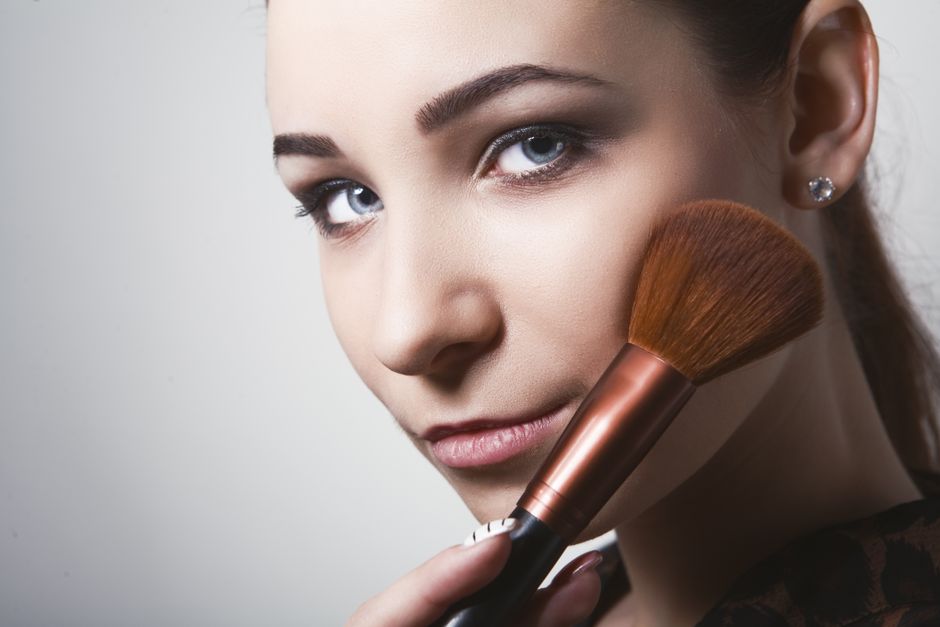
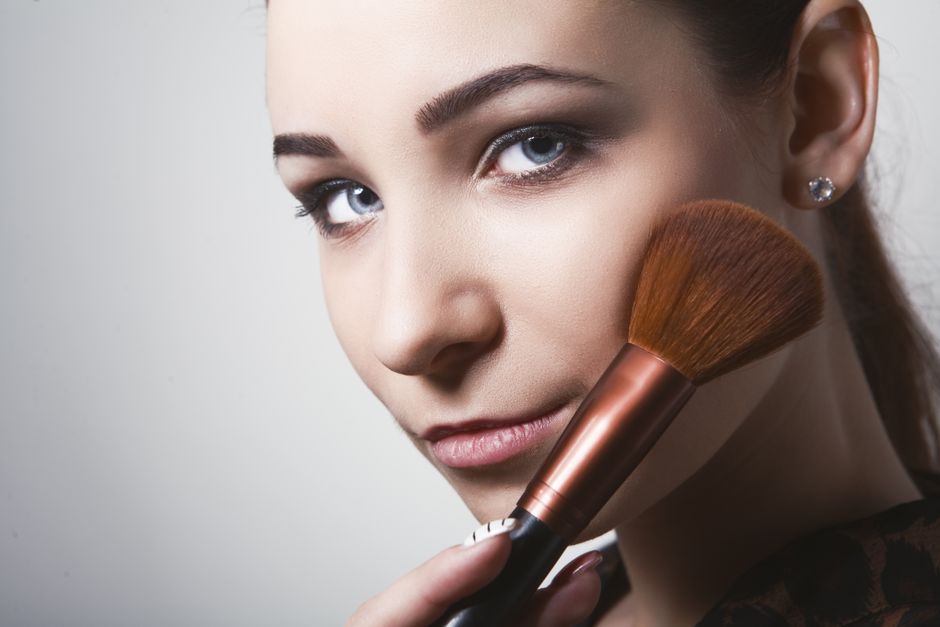
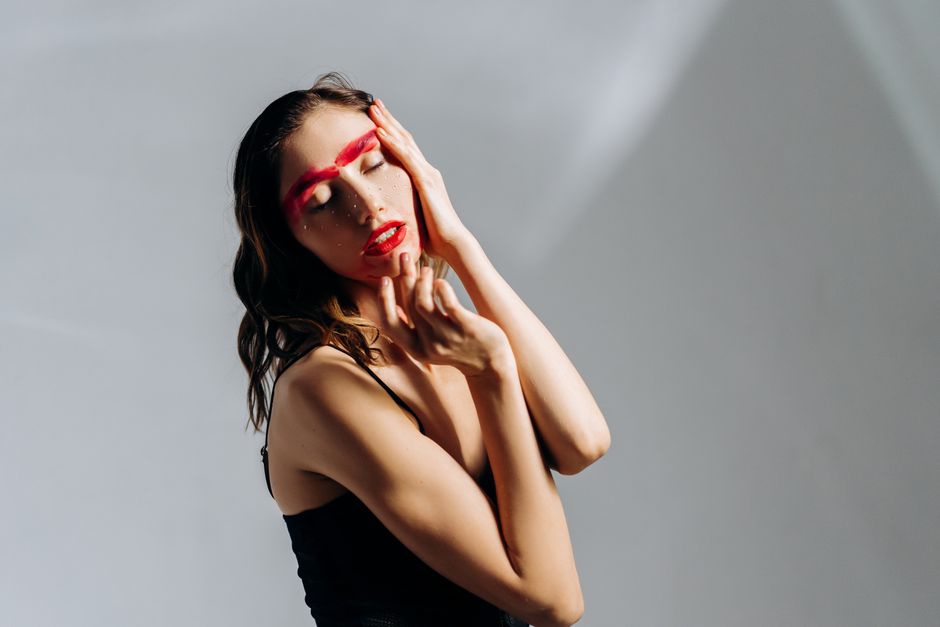
There’s an undeniable allure to a portfolio filled with crisp, high-fashion images. Think flawless skin, dramatic lighting, and creative concepts that push the boundaries of conventional beauty. This is the work that gets you noticed by agencies, magazines, and other top-tier creatives.
The Strategic Advantages
- Total Creative Control: In an editorial or concept shoot, you are part of a creative team building a vision from the ground up. You help choose the model, define the mood board, and execute a look without the constraints of a client’s specific (and sometimes limiting) request. This is where you can show your true artistic range.
- Unmatched Image Quality: Working with a professional photographer means you get images with perfect lighting, composition, and high resolution. These photos showcase the technical details of your work—like a perfectly blended cut-crease or the seamless transition of an ombré lip—in a way an iPhone photo in a dim hotel room never can.
- Brand Positioning: A portfolio heavy with editorial work positions you as a high-end, artistic authority. It signals that you have a specific point of view and are capable of executing commercial-quality looks. This can help you command higher rates and attract luxury clients who want an artist, not just an applicator.
How to Make It Happen
Building this side of your portfolio often starts with TFP (Trade For Print/Portfolio) collaborations. This is where a team—photographer, model, stylist, and MUA—works together for free to create images for everyone’s books. To do this successfully, you need to network. Reach out to local photographers on Instagram whose style you admire. Have a clear concept or mood board ready to pitch. When you’re on set, be the ultimate professional. Your kit should be immaculate, your sanitation practices on point, and your attitude collaborative. This is how you turn a one-off TFP into a long-term professional relationship that builds your book with stunning imagery.
The Power of the Real Client Portfolio
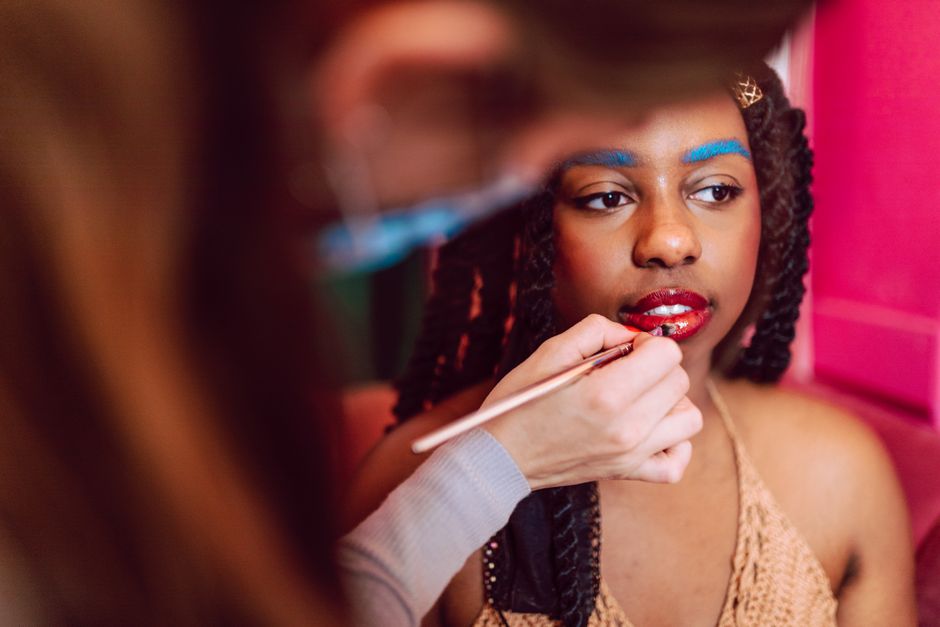
On the other side of the coin is the portfolio built on the foundation of your actual, paying clients. These are the brides, the mothers-of-the-bride, the professionals getting headshots, and the teens going to prom. While these photos might lack the glossy finish of an editorial shoot, they possess something equally powerful: authenticity.
The Strategic Advantages
- Builds Trust and Relatability: A potential bride wants to see that you can make her look and feel beautiful. When she sees photos of other real clients with similar skin tones, eye shapes, or ages, it builds immediate trust. She can visualize herself in your chair. This kind of proof is often more persuasive than a photo of a 19-year-old model with perfect skin.
- Showcases Real-World Skill: Making a professional model look good is one thing. It’s another entirely to perform your magic on a nervous bride at 6 a.m., covering a stress breakout, managing a crying mother, and ensuring the look holds for 12 hours of photos and dancing. Real client photos prove you can deliver under pressure and work on a diverse range of faces, features, and skin types.
- Directly Sells Your Services: This part of your portfolio is a direct menu of what you offer. It shows your signature soft glam bridal look, your clean and professional corporate makeup, or your vibrant special event artistry. It’s a literal demonstration of the product you sell, which is the most effective marketing there is.
How to Get Great "Real" Photos
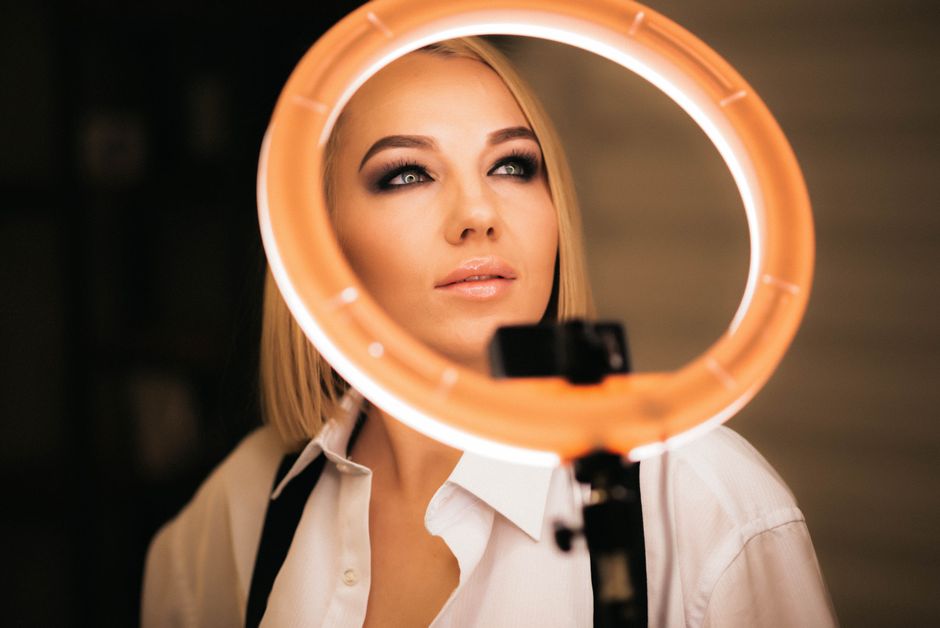
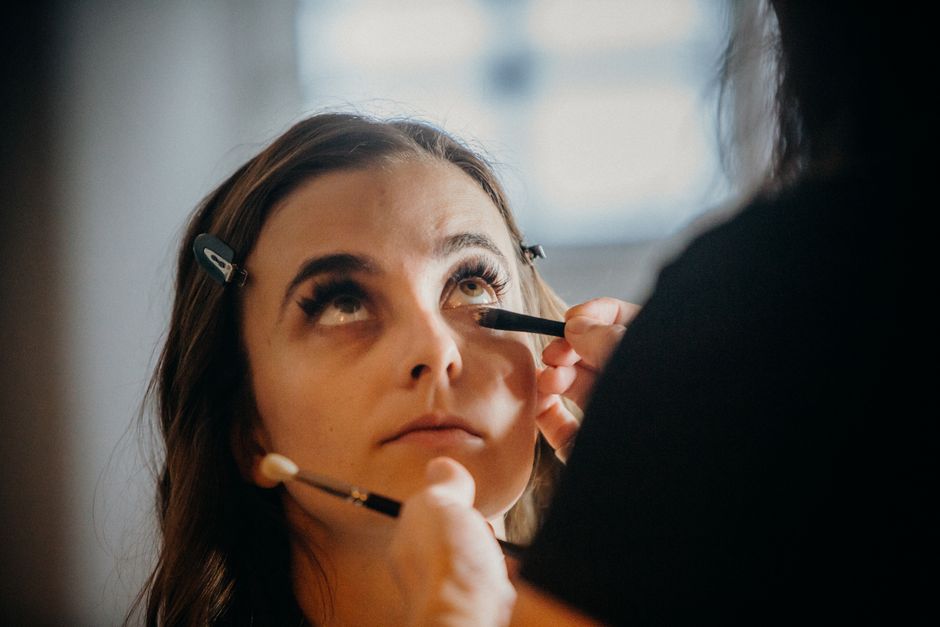
This is the biggest challenge. You can’t rely on the professional wedding photographer to send you images months later (though you should always network and ask!). You have to become adept at capturing your own work. Invest in a good ring light—I never go to a job without my portable one. Find a spot with a clean background and, if possible, some natural light. Take a few moments after you’re finished to snap a few clean, well-lit photos and a short video for social media. Always, always ask for your client’s enthusiastic permission before posting. A simple, "You look absolutely stunning! Would you be comfortable with me sharing a photo of this look on my professional portfolio?" goes a long way.
The Verdict: Curate a Hybrid Portfolio That Books Jobs
So, which path should you choose? The answer is neither. The most powerful and effective makeup artist portfolio is a strategic hybrid of both.
You need the real client work to build trust and sell your core services. You need the editorial work to elevate your brand and showcase your creative ceiling. I recommend what I call the 70/30 approach.
Seventy percent of your portfolio should be high-quality images of your actual clients. This is the bread and butter of your business. It should clearly display your most-booked services, whether that's bridal, event makeup, or private lessons. These images prove your reliability and skill in real-world scenarios.
The remaining thirty percent should be your aspirational, creative, and editorial work. This is your playground. It’s what keeps you creatively inspired and shows potential high-end clients or agencies what you’re truly capable of. This work justifies a premium price point and prevents you from being pigeonholed as "just" a wedding makeup artist.
The key is organization. On your professional website, create separate galleries: "Bridal," "Special Occasion," and "Editorial/Creative." This allows prospective clients to navigate directly to what interests them. A great booking platform is essential here; for instance, REZVA helps you build a clean, professional online presence where you can easily showcase these different facets of your work, making it simple for clients to see your range and book the service they need.
Portfolio FAQs from a Pro
How often should I update my portfolio?
Your portfolio is a living document, not a static monument. I recommend a refresh at least twice a year, or after every 3-4 significant projects. Remove older work that no longer represents your current skill level. If your style has evolved, your portfolio should reflect that. Keep it current, keep it fresh, and always lead with your absolute best work on the front page.
Should I include "before" photos?
Yes, but with caution and class. Before-and-afters are incredibly powerful for demonstrating the transformative power of makeup, especially for bridal and corrective work. However, always frame it positively. It’s not about "fixing" flaws; it's about enhancing natural beauty. The "before" should be well-lit and respectful, and you absolutely must have explicit and enthusiastic consent from your client to share it. I find they are most effective when placed side-by-side with the "after" in a single, elegant graphic.
What's the biggest mistake artists make with their portfolios?
Hands down, it's poor photo quality. A breathtaking makeup application can look amateurish if it’s captured in a blurry, poorly-lit photo with a distracting background. Your artistry deserves to be seen clearly. Invest in a good ring light, learn the basics of your phone’s camera settings (portrait mode is your friend!), and take the extra 60 seconds to find a clean wall to shoot against. A technically simple makeup look in a great photo will always look more professional than a masterpiece in a bad one.
This article was produced with AI assistance and reviewed by REZVA.
- makeup artist portfolio
- building a beauty portfolio
- editorial makeup shoots
- real client photography
- TFP collaborations
- makeup business tips
- freelance MUA career
Take bookings for makeup online.
Clients book themselves from your profile and a deposit covers the no-shows. Free to start, no card. Founding members get Pro free for 12 months, then their price is locked.
98
spots left of 100
12
months of Pro, free
0%
commission on bookings