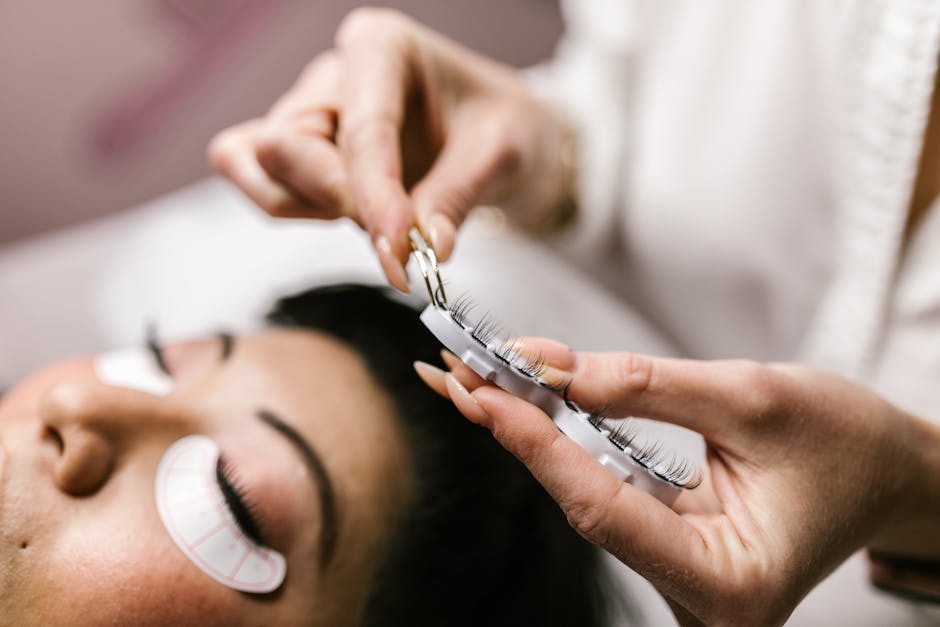
Charging Your Worth: A Practical Framework for Adjusting Hybrid Lash Prices
Are you undercharging for your hybrid lash artistry? This guide provides a clear framework for analyzing your costs, value, and market to decide if a price increase is right for your business.
4 min read
Should You Raise Your Hybrid Lash Prices? A Simple Framework to Decide
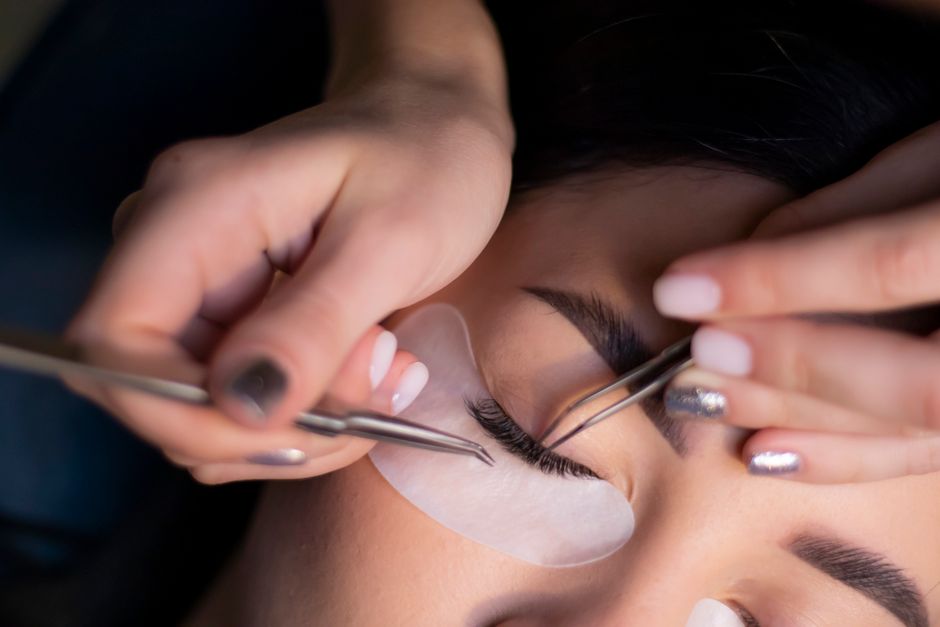
As lash artists, we are meticulous craftspeople. We spend hours honing our skills, from mastering the perfect handmade volume fan to understanding the delicate chemistry of our adhesives. And no service showcases this artistry quite like a hybrid set. It’s a custom blend of classic precision and volume fluff—a true signature service that demands a high level of skill, time, and product.
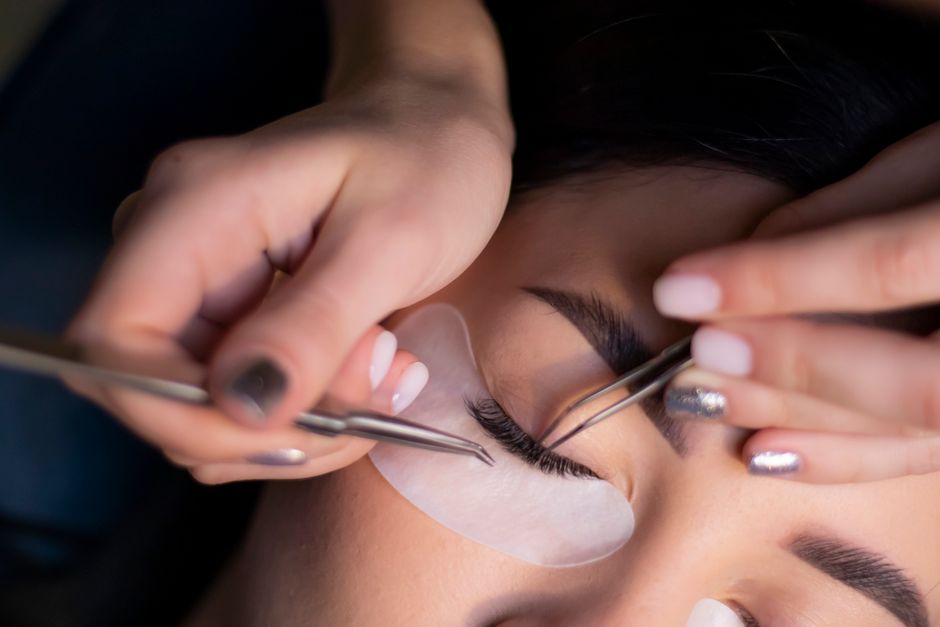
Yet so many talented pros in the industry are stuck on a pricing plateau. They pour their hearts into their work, but when it comes to charging what they're worth, they hesitate. The big question looms: Should you stick with your current prices to keep your book full and clients happy, or is it time to raise them to reflect your expertise and rising costs?
It’s not just about picking a new number. It’s a strategic business decision. Let’s break down the two paths you can take and build a clear framework to help you decide what’s right for your business right now.
The Case for Maintaining Your Current Prices
Let's call this the "Stability Strategy." The core idea here is to maintain your existing client base and market position by keeping your prices consistent. For many, the fear of alienating loyal clients or becoming uncompetitive in a saturated market is very real. This isn't just about fear, though; there can be a sound business case for holding your ground.
The Argument from Volume and Accessibility
The primary benefit of maintaining your current price point is client retention and market accessibility. If you’re in a neighborhood with several other lash artists, competitive pricing can be your key differentiator. You become the go-to artist for clients who are more budget-conscious but still want quality work. This strategy is built on volume—keeping your schedule packed, even if the profit margin per client is lower.
This approach makes the most sense if:
- You're building your book: If you're a newer artist, competitive pricing is a powerful tool to attract your initial clientele and build a portfolio of stellar reviews. Your focus is on gaining experience and establishing a reputation.
- Your overhead is exceptionally low: If you operate from a home studio with minimal fixed costs, your current prices might still yield a healthy profit margin.
- Your market is extremely price-sensitive: In some areas, there's a hard ceiling on what clients are willing to pay. A deep understanding of your local demographic is crucial here.
The risk? Burnout. A volume-based model means more clients, more hours, and more physical strain for less profit per service. It can also inadvertently attract clients who are loyal to the price, not to your artistry. If you leave, or if your prices eventually go up, they will too.
The Case for Raising Your Hybrid Lash Prices
Now, let's look at the "Value Strategy." This approach is centered on aligning your prices with the true value of your service, your advanced skill, and the financial reality of running a sustainable business. It’s a shift from thinking like a technician to thinking like a CEO.

The Argument from Profitability and Sustainability
Hybrid lashes are a premium service. Period. You are using multiple techniques (classic application and volume fanning), often multiple curls and diameters of lashes, and spending significant time creating a bespoke look. Your price should reflect that complexity.
Raising your prices allows you to:
- Increase profit per service: This is the most obvious benefit. You can work the same amount of time (or even less) and earn more, giving you a healthier work-life balance.
- Invest back into your business: Higher profits mean you can afford that advanced training course, invest in a more comfortable lash bed, or stock up on those premium quality PBT fiber lashes your clients love.
- Attract your ideal client: A higher price point naturally filters for clients who see lashing as an investment in themselves and value quality and expertise over a bargain.
But raising prices shouldn’t be based on a gut feeling. It needs to be a calculated decision. Here’s a framework that helps.
A Data-Driven Framework for a Price Increase
Before you change a single number on your service menu, do your homework.
Step 1: Calculate Your True Cost Per Service
You can't set a profitable price if you don't know your exact costs. Let's break it down for a full hybrid set:
- Product Cost: Add up everything you use. Lash trays (you might use 2-3 different types for a hybrid set), adhesive, primer, bonder, eye pads, tape, mascara wands, and any other disposables. Don't guess—calculate the cost per application. Let's say it comes to $15.19.
- Time Cost: What is your time worth? Decide on a desired hourly wage for yourself. Let's say it's $50.64/hour. If a full hybrid set takes you 2.5 hours, your time cost is $126.60.
- Overhead Cost: This includes your fixed expenses broken down into an hourly rate. Add up your monthly rent, utilities, insurance, marketing budget, and the cost of your booking software. If your monthly overhead is $1,215.32 and you work 120 billable hours a month, your hourly overhead is $10.13. For a 2.5-hour service, that's $25.32.
Total Cost of Service: $15.19 (Products) + $126.60 (Your Time) + $25.32 (Overhead) = $167.11.
This $167.11 is your break-even point. Your price must be higher than this to make a profit. If you’re currently charging $151.92, you are losing money on every single set.
Step 2: Analyze Your Market Position
Research other respected lash artists in your area. Don't just look at their prices; look at their work, their booking availability, and their branding. Where do you fit in? Are you offering a more customized, luxurious experience? Does your skill level with handmade fans justify a premium price? Your price is a signal to the market about the quality and value you provide.
Step 3: Evaluate Your Demand and Skill
This is the simplest indicator. Are you consistently booked out? Do you have a waitlist? If clients are lining up for your services, that is clear market validation that your work is worth more than you're currently charging. Have you recently taken a masterclass or perfected a new technique? Your prices should evolve as your skills do.
The Verdict: So, Which Path Should You Choose?
While maintaining prices can be a valid short-term strategy for new artists, the conclusion for established professionals is clear: pricing for value and sustainability is the only way to build a long-term, fulfilling career in this industry.
The framework isn't about choosing one path forever. It's about knowing which one to be on and when to transition.
- For the New Artist: Start with competitive "Stability Strategy" pricing, but have a concrete plan. Tell yourself, "Once I am 75% booked for two consecutive months, I will use the data-driven framework to implement my first price increase."
- For the Established Artist: If you are fully booked, your skills have grown, and you haven't re-calculated your cost-per-service in over a year, it is time to embrace the "Value Strategy."
When you do decide to raise your prices, communication is key. Give your clients at least 4-6 weeks' notice. Post it on your social media, send an email, and update your booking site. Using a system like REZVA makes it simple to adjust your service menu and ensure all your clients see the new pricing when they book. Frame the change confidently and positively, focusing on your commitment to using high-quality products and continuing your education to provide them with the best possible service.
Frequently Asked Questions
How much should I increase my prices by?
A strategic, incremental increase is usually best. A jump of 10-20% is typical and generally well-received by clients, especially if you haven't had an increase in a while. Base the final number on your cost-per-service calculation to ensure you're building in a healthy profit margin.
What if I lose clients after raising my prices?
It's a possibility you should prepare for. However, you will likely lose the clients who were only shopping for a deal, not the ones who are loyal to you and your specific artistry. Let's do the math: if you increase your price by 20% and lose 10% of your clients, you are still making more money while doing less work. This frees up your schedule for new, higher-paying clients and reduces your risk of burnout.
Should I apply the new price to everyone or just new clients?
While "grandfathering" in existing clients at an old rate might feel like a kind gesture, it can become a logistical nightmare and devalue your work over time. My advice is to apply the new price universally. To show appreciation for your loyal clients, give them extra advance notice and perhaps offer them one final fill at the old rate or a small credit toward a retail product as a thank you for their continued support. This maintains a clean, professional business structure while still honoring your relationship with them.
Prices are shown in US dollars, converted from euros at the European Central Bank reference rate of 16.10.2026 and rounded.
This article was produced with AI assistance and reviewed by REZVA.
- hybrid lash pricing
- lash artist business tips
- salon price increase strategy
- beauty service profitability
- calculating service costs
- client communication for price changes
- premium lash services
Take bookings for lashes & brows online.
Clients book themselves from your profile and a deposit covers the no-shows. Free to start, no card. Founding members get Pro free for 12 months, then their price is locked.
98
spots left of 100
12
months of Pro, free
0%
commission on bookings