Going Freelance as an MUA? Read This Before You Quit
Ready to build a profitable freelance MUA business in 2026? Here’s your professional blueprint for success, from curating your kit to mastering clients.
4 min read
Hello, fellow artists. Priya Sharma here. Over my 12 years in this incredible industry, from the intimacy of a bridal suite to the fast-paced energy of an editorial set, I’ve seen our craft evolve dramatically. The passion for artistry is what gets us started, but it’s business acumen that builds a lasting career. The freelance world of 2026 is more competitive, more digital, and more exciting than ever before. But how do you move from being a talented artist to a successful business owner?
It’s not just about having a steady hand or knowing the latest trends. It’s about building a solid foundation, creating seamless systems, and marketing yourself with intention. Whether you're just starting out or looking to scale your existing business, this is the blueprint I wish I had when I began. Let's get into it.
The Foundation: Your Kit, Skills, and Niche
Before you book a single client, your foundation must be flawless—and I’m not talking about foundation matching. I’m talking about the core pillars of your business.

Curate a Professional-Grade Kit
Your kit is your mobile office; it needs to be reliable, hygienic, and versatile. In 2026, clients are more educated than ever. They expect high-performance, long-wearing products that look as good on camera as they do in person. This means investing strategically.
- Performance Over Hype: Focus on pro-grade brands known for their staying power and pigment. Think brands like Face Atelier, RCMA, Viseart, and Danessa Myricks. These are staples in my kit for a reason.
- Hybrid Formulas: The line between skincare and makeup is gone. Stock your kit with skin-prepping heroes—hydrating serums, primers for different skin types (I always carry both a mattifying and a luminous option), and gentle but effective makeup removers.
- Sanitation is Non-Negotiable: This is a sign of a true professional. A clean, organized kit inspires confidence. Your setup should include hospital-grade disinfectants, 70% isopropyl alcohol in a spray bottle, disposable applicators, a metal palette and spatula for decanting products, and a brush cleaner like Cinema Secrets or Parian Spirit for on-the-spot cleaning.
Remember, a professional kit isn't about having every eyeshadow palette on the market. It's about having the right tools to handle any skin tone, type, or situation that sits in your chair.
Niche Down to Scale Up
When you try to be the makeup artist for everyone, you become the makeup artist for no one. Specializing is the fastest way to become known for something, attract your ideal client, and command higher rates. My focus on bridal and editorial, particularly with my expertise in South Asian bridal looks, allowed me to build a reputation and a specific clientele that seeks me out.
What do you love to do? Is it the glamour and emotion of weddings? The creativity of editorial shoots? The technical skill of special effects? Choose your lane. You can always expand later, but starting with a clear niche makes your marketing, branding, and skill development so much more effective.
The Business Blueprint: Pricing, Contracts, and Systems
This is where artistry meets administration. Getting this part right separates the hobbyists from the career professionals.
Price for Profitability, Not Just for the Job
One of the biggest mistakes I see new MUAs make is underpricing their services. Your rate isn't just for the hour you spend applying makeup. It must cover:
- Cost of Products: The constant replenishing of your kit.
- Time: Client communication, travel, setup, and teardown.
- Overhead: Insurance, marketing, website hosting, business licenses.
- Your Expertise: The years of training and practice you’ve invested.
Stop charging by the hour. Create packages—especially for bridal—that include a trial, day-of services, and optional add-ons like touch-up kits or bridesmaid makeup. For commercial or editorial work, establish a clear half-day and full-day rate. Research your local market to see what other established artists are charging, and price yourself confidently based on your skill and experience.
Contracts and Invoices: Your Professional Shield
Never, ever work without a contract. A clear, legally sound contract protects both you and your client. It manages expectations and prevents misunderstandings down the line. It should clearly outline the scope of work, dates, locations, total cost, payment schedule (I always require a 50% non-refundable retainer to secure the date), and policies for cancellations or overtime. Vague agreements over DMs are a recipe for disaster. Send a professional invoice for every payment.
Implement Your Tech Stack
In my early days, my booking system was a messy combination of emails, text messages, and a physical calendar. It was stressful and inefficient. Today, a streamlined digital workflow is essential. Using a dedicated platform to manage your business will save you countless hours and make you look infinitely more professional. In a saturated market, a seamless client experience from inquiry to booking is a huge differentiator. A platform like REZVA shows clients only the times that are really free, with a buffer between bookings, so your day stays under control. Professionals can explore the tools and get started on REZVA's page for specialists.
Marketing and Branding: Building Your Digital Storefront
Your talent is your product, but marketing is how you sell it. A strong brand and consistent marketing efforts are what will keep your calendar full.
Your Portfolio is Your Most Valuable Asset
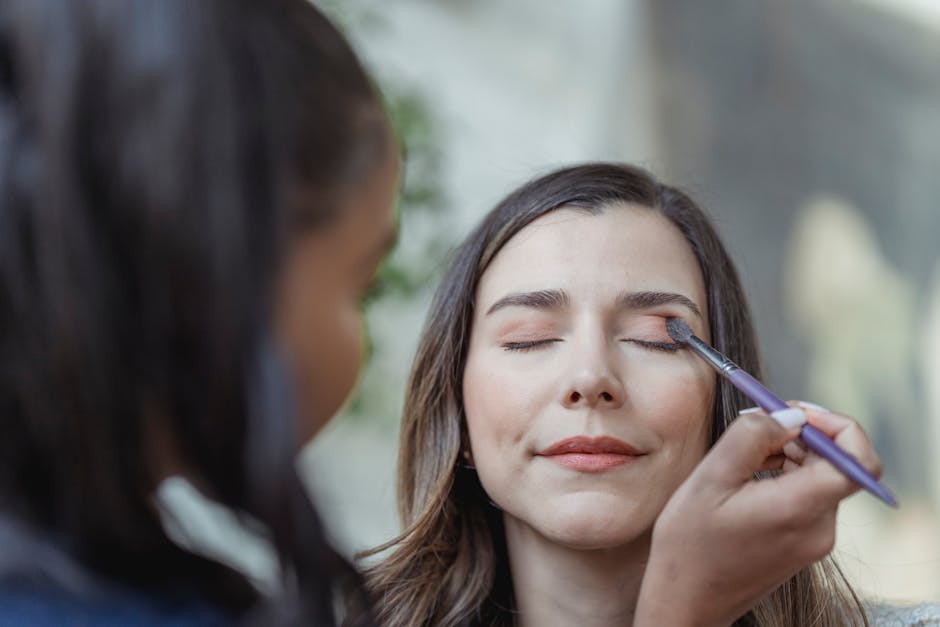
Your portfolio is your visual resume. It needs to be curated, high-quality, and easily accessible. While Instagram is important, a professional website is your digital home base. It legitimizes your business.
- Quality Over Quantity: Showcase only your best work. Ten incredible, high-resolution images are better than 50 mediocre ones.
- Show Your Niche: Your portfolio should reflect the work you want to do. If you want to be a bridal artist, fill it with beautiful brides.
- Collaborate for Content: When starting out, connect with photographers and models for TFP (Time for Prints) shoots. This is a fantastic way to build your book with professional images without a huge budget.
Network with Fellow Vendors
Some of my most valuable clients have come from referrals. Build genuine relationships with other professionals in your niche. For bridal artists, this means connecting with wedding planners, photographers, hairstylists, and venues. When a trusted photographer recommends you to their client, it’s a powerful endorsement. Attend industry events, join local professional groups, and be a supportive colleague. It’s about community, not competition.
Conclusion: The Artist as CEO
Building a freelance makeup business in 2026 is about embracing your role as both an artist and an entrepreneur. It requires a blend of creativity, technical skill, sharp business strategy, and a commitment to providing an exceptional client experience. It’s a journey that demands continuous learning and adaptation.
Invest in your education, protect your business with contracts, and leverage technology to work smarter, not harder. By building on a solid foundation of professionalism and business acumen, you can turn your passion into a profitable, sustainable, and deeply fulfilling career. You’ve got this.
All the best,
Priya Sharma
Frequently Asked Questions
How do I set my rates when I'm just starting out?
Start by calculating your Cost of Doing Business (CODB). This includes kit costs, insurance, marketing, travel, etc. Then, research the rates of other artists in your specific market and with a similar skill level. Don't just copy them, but use it as a benchmark. Create service packages (e.g., a "Bridal Glam Package") and avoid hourly pricing. It's better to start with a fair, sustainable rate and build your portfolio than to start too low and find it difficult to raise your prices later.
What's the best way to get high-quality photos for my portfolio without a big budget?
Collaborations are key. Reach out to local photographers who are also building their portfolios and propose a TFP (Time for Prints) shoot. You provide your makeup artistry in exchange for a set of high-quality, edited images for your portfolio. You can also connect with aspiring models and hairstylists to create a full concept. This is how many of us built our initial books.
Do I really need liability insurance as a freelance MUA?
Yes, absolutely. This is non-negotiable. Professional liability insurance protects you and your business in case of unforeseen circumstances, such as a client having an allergic reaction to a product or an accident involving your kit or equipment. Many venues and commercial clients will require you to provide proof of insurance before allowing you to work on-site. It's a fundamental cost of running a professional business.
This article was produced with AI assistance and reviewed by REZVA.
- freelance makeup artist business
- MUA business plan
- client acquisition for MUAs
- makeup artist portfolio
- professional makeup kit
- beauty business management
- bridal makeup pricing

Take bookings for makeup online.
Clients book themselves from your profile and a deposit covers the no-shows. Free to start, no card. Founding members get Pro free for 12 months, then their price is locked.
98
spots left of 100
12
months of Pro, free
0%
commission on bookings