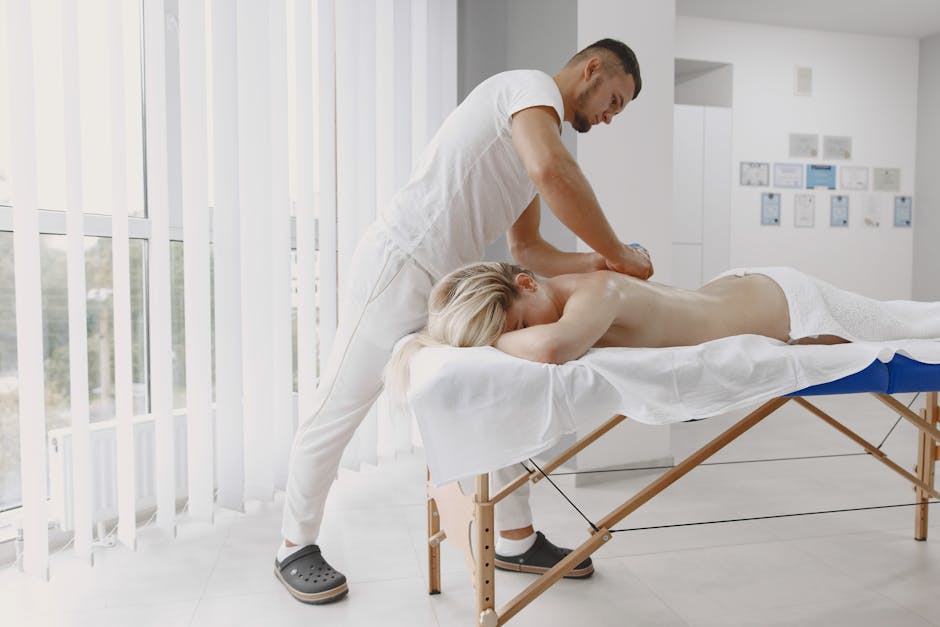
5 Things Your Sports Massage Clients Are Thinking (But Not Saying)
Valentina Petrova here. While my days are usually filled with the intricate world of gel extensions and custom nail art, my passion lies in the business of beauty and wellness as a whole. I spend a lot of time talking with my peers—hairstylists, estheticians, and, of course, massage therapists. A theme that comes up constantly, no matter our specialty, is the “silent client.”
You know the one. They say everything is “fine,” but you can feel them tense up on the table. They nod when you ask about pressure but their breathing pattern tells a different story. In a service as personal and physical as sports massage, what clients don’t say is often more important than what they do. They want to be polite, they don’t want to seem difficult, and they assume you, the expert, know best.
But bridging that communication gap is the single most powerful way to turn a one-time booking into a lifelong client. Let’s pull back the curtain on the unspoken feedback from your massage table.
"The Pressure is *Slightly* Off (But I'm Too Polite to Say)"
This is the number one piece of silent feedback in our industry. Whether it’s too deep or—just as often—not deep enough, clients will endure a whole session with the wrong pressure rather than speak up. They worry they’ll offend you or sound like they’re questioning your expertise. A wince, a sharp intake of breath, or a tensing of the muscles are the only clues you’ll get.

The Professional Solution: Master the art of the proactive check-in. Don’t just ask, “How’s the pressure?” at the very beginning. That’s a closed question that usually gets a default “It’s good” response. Instead, build specific check-ins into your flow, especially when moving to a new area or a notoriously tender spot like the IT band or upper traps.
Try this phrasing:
- “As I move onto your calves, just let me know if this pressure is right for you. We can easily go deeper or lighter here.”
- “I’m sensing some tension here. On a scale of 1 to 10, where 10 is painful, what level is this pressure for you right now?”
Giving them a scale depersonalizes the feedback; it’s not a criticism, it’s just a number. This simple shift empowers them to guide the session. And once you find their perfect pressure, make a note of it. Keeping detailed client profiles is crucial for consistency. I use the client notes feature in my REZVA booking platform to track everything from polish preferences to pressure levels, ensuring every visit feels personalized.
"Please, Talk Less (Or More!)"
The great chat debate. Some clients view their massage as a sacred hour of silence—their only escape from a noisy world. For others, silence is awkward, and they prefer a light conversation to help them relax. The problem is, almost no one will state their preference outright.
The Professional Solution: Set the expectation during the initial consultation. After you’ve discussed their physical needs, simply say, “Just so you know, some of my clients love to chat, while others use this time to completely switch off. Please feel free to do whatever you’re most comfortable with. I will happily follow your lead.”
This statement is a golden ticket. It gives them explicit permission to either zone out or engage. From there, pay attention to their cues. If you ask a question and get a one-word answer or a simple “Mmmhmm,” that’s your signal to embrace therapeutic silence. If they ask you about your weekend, they’re likely open to a conversation. Matching their energy is a subtle but powerful form of client service.
"That One Spot You Keep Missing"
A client comes in complaining of general “shoulder tightness,” but what they really mean is there’s a single, searing trigger point under their left scapula that’s been driving them crazy for weeks. You might be giving a fantastic, technically proficient massage to their entire back, but if you keep gliding right past that one specific spot, the session can feel like a failure to them.
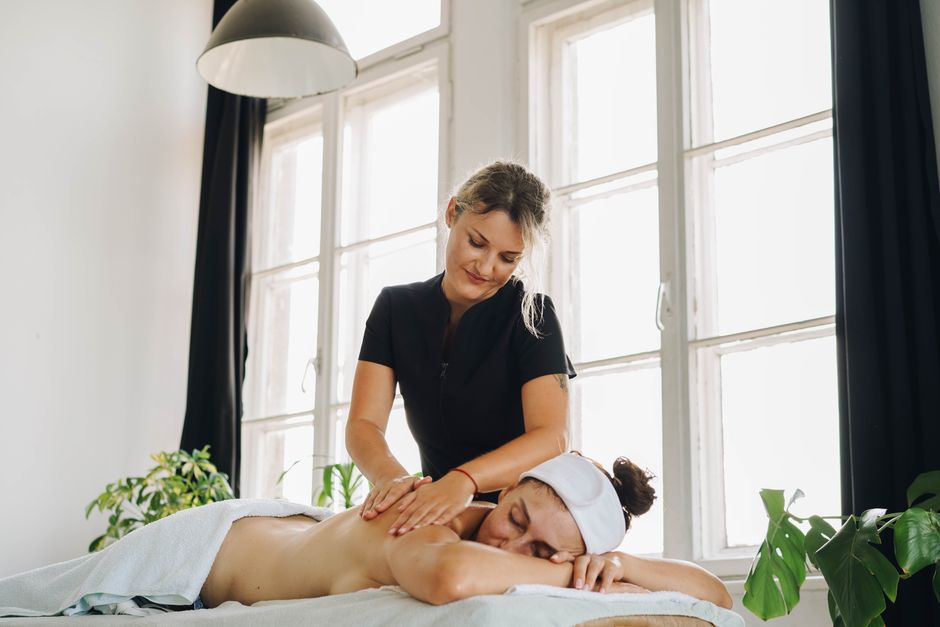
The Professional Solution: Get hyper-specific during your intake. Instead of just asking, “Where are you feeling tension?” pull out a body chart or ask them to physically point. Say, “Show me with your own hand the exact spot that’s bothering you.” Then, use your own palpation skills to confirm with them before they even get on the table. “Is it right here when I press?”
During the massage, verbally confirm when you’re on the area. “Okay, I’m on that spot you showed me in your shoulder now. I’m going to use some cross-fiber friction here to help break up that adhesion.” This shows you listened, you remembered, and you have a specific plan to address their primary complaint. This is how you become their go-to therapist.
"I'm a Little Cold, but I'll Just Suffer Through It"
It sounds minor, but environmental discomfort can completely undermine your hard work. A draft from the door, a face cradle that’s digging into their sinuses, music that’s a touch too loud, or simply being cold under the draping can keep a client in a state of low-grade tension for the entire session. They won’t mention it because it feels petty.
The Professional Solution: Implement a pre-session “comfort checklist.” After they are on the table and draped, but before you begin, do a final sweep:
- “Is the table heat at a good level for you?” (A heated table is a non-negotiable investment, in my opinion!)
- “How does the face cradle feel? Any pressure on your forehead or sinuses?”
- “And is the music volume comfortable?”
This 15-second routine shows an incredible attention to detail. It communicates that their total comfort is your priority, not just the muscular work. These are the small touches that separate an adequate service from a premium experience they’ll rave about to their friends.
"I Don't Understand What You're Doing (But I'll Pretend I Do)"
You’re performing an advanced technique—myofascial release, PNF stretching, or trigger point therapy. To the client, it might just feel strange, uncomfortable, or even a bit alarming if they don’t understand its purpose. This confusion can create anxiety and prevent them from fully relaxing into the treatment.
The Professional Solution: Educate as you go, briefly and purposefully. You don’t need to deliver a full anatomy lecture, but a short, quiet explanation can build immense trust and demonstrate your expertise.
For example:
- “I’m just going to gently pin the muscle here and have you slowly move your arm. This is a technique to help reset the muscle’s resting length and improve your range of motion.”
- “You’ll feel me holding steady pressure on this trigger point. This helps increase blood flow and encourages the knot to release. Just breathe deeply into it.”
By explaining the “why” behind the “what,” you transform from a service provider into a trusted expert and partner in their wellness. It reinforces the value of your work and gives them the confidence that they are in highly capable hands.
Ultimately, our job is to be expert listeners—not just with our ears, but with our hands and our intuition. By anticipating these unspoken needs and creating a space where clients feel safe and cared for on every level, you do more than just deliver a great massage. You build a loyal, thriving clientele that sees you as an indispensable part of their wellness routine. And that, my friends, is the key to a long and successful career in this industry we love.
Frequently Asked Questions
Q: What's the best way to handle a client who gives no feedback at all, even when asked?
A: For a truly stoic client, shift your focus to non-verbal cues: watch their breathing patterns for hitches or sighs, notice any muscle guarding or flinching, and trust your hands to feel for changes in tissue texture. Make a note of their communication style and try a different feedback method next time, like the 1-10 scale, which can feel less subjective for analytical clients.
Q: How do I address potential post-massage soreness without scaring a client away from deep tissue work?
A: Frame it as a positive and normal response during your post-session wrap-up. Say something like, “We did some significant work on those deep knots today, so you might feel some therapeutic soreness tomorrow, much like you would after a new workout. That’s a good sign that the muscles are releasing and healing. Just be sure to drink plenty of water and maybe take a warm Epsom salt bath.”
Q: A client mentioned a past injury but was vague on the details. How much should I press for more information?
A: Approach it from a clear standpoint of safety and efficacy, not just curiosity. You can say, “Thank you for letting me know about that old knee injury. To ensure I give you the safest and most effective treatment today, could you tell me a little more about it? For instance, are there any movements or types of pressure that aggravate it?” This frames your questioning as professional diligence, which clients always appreciate.
Offer Massage? Take bookings online, free.
REZVA helps specialists manage bookings, cut no-shows, and grow their business. Free to start, no booking fees.