Your Fade Game is Strong. Is Your Business Game Stronger?
From side hustle to a full-time career, here’s the 2026 blueprint for scaling your fade haircut specialty into a waitlist-worthy business.
4 min read
The Talent Trap: Why a Perfect Blend Isn't Enough
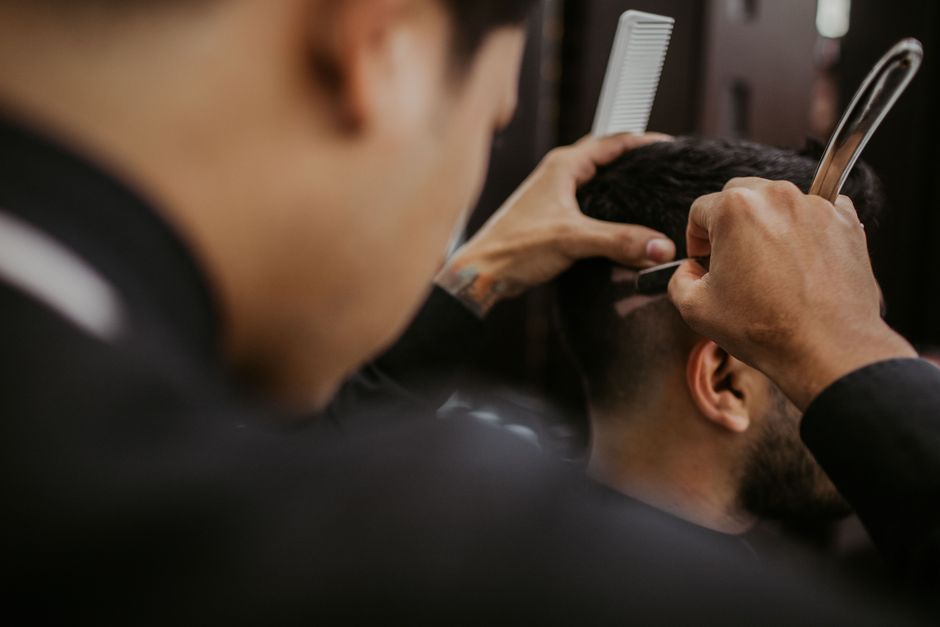
We’ve all seen it. The barber with buttery-smooth blends and lines so sharp they could cut glass, yet their chair is empty half the day. They post incredible work on Instagram, get a handful of fire emojis, and then... crickets. You might even be that barber. You’ve put in the hours, you’ve mastered your Wahl Seniors, and you can pull off a skin fade in your sleep. So why isn’t your schedule overflowing?
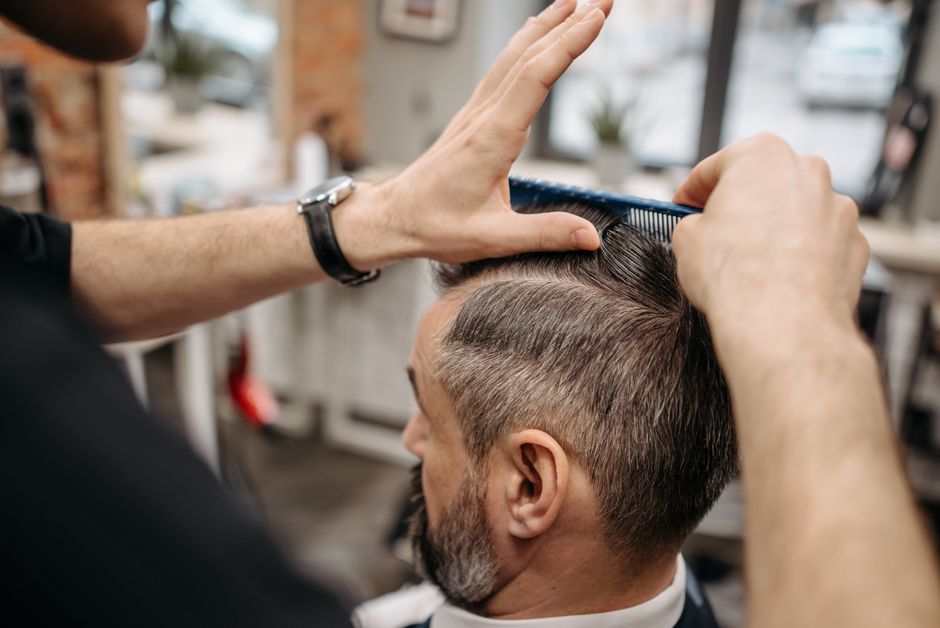
I’ve been in this industry long enough to see incredible talent get stuck. They believe that technical skill alone will build an empire. But in 2026, being a great barber is just the price of entry. To go from a side hustle to a full book, you need to be a great business operator, too. Let's break down the strategy to get you there.
Step 1: Define Your Signature Fade and Your Ideal Client
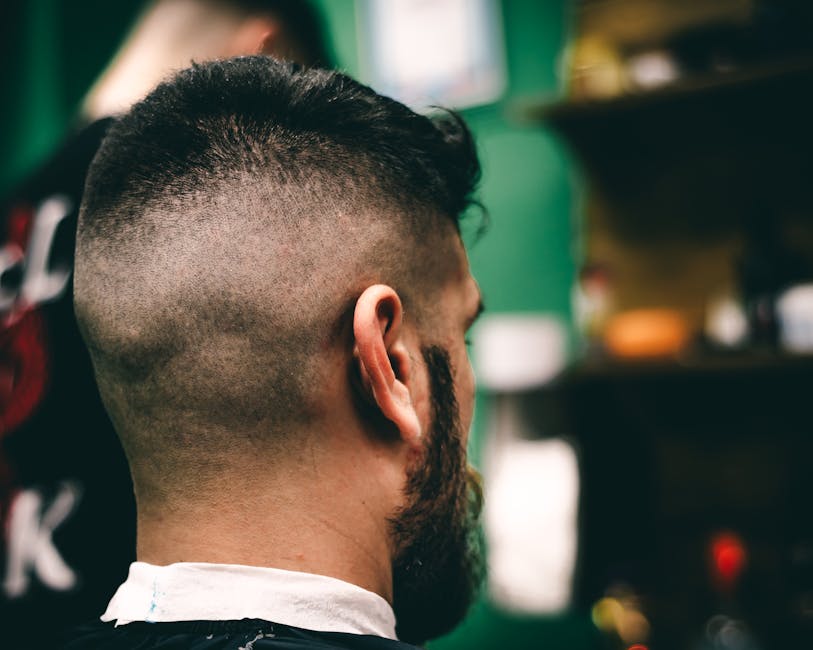
You can't be everything to everyone. The phrase "I do good fades" is the modern equivalent of a diner with a 20-page menu—it signals a lack of specialty. To scale, you need to become known for something specific. Are you the master of the high-and-tight skin fade for professionals? The go-to for creative drop fades with designs? The expert in textured crop tops with a seamless shadow fade for a younger crowd?
Here’s how to drill down:
- Analyze Your Best Work: Look through your camera roll. Which cuts are you most proud of? Which ones get the most engagement? That's your starting point.
- Identify Your Ideal Head: Think about the clients you enjoy working with most. What's their style? Their profession? Their lifestyle? Build your service and marketing around attracting more of them. A corporate lawyer wants a different experience and has a different budget than a college student.
- Perfect the Nuances: A fade isn’t just a fade. Master the details that define your style. Are you using a foil shaver like the Andis ProFoil for that bald, zero-shadow finish? Are you an expert at using thinning shears to de-bulk the parietal ridge before blending? These technical specifics become your unique selling proposition.
When you become "the guy" for a specific look, clients will seek you out and pay a premium for your expertise. You stop competing on price and start competing on mastery.
Step 2: Build a Professional Tech Stack
Your tools aren't just what's in your drawer. In 2026, your business toolkit is as much digital as it is physical. Let's start with the basics in the shop.
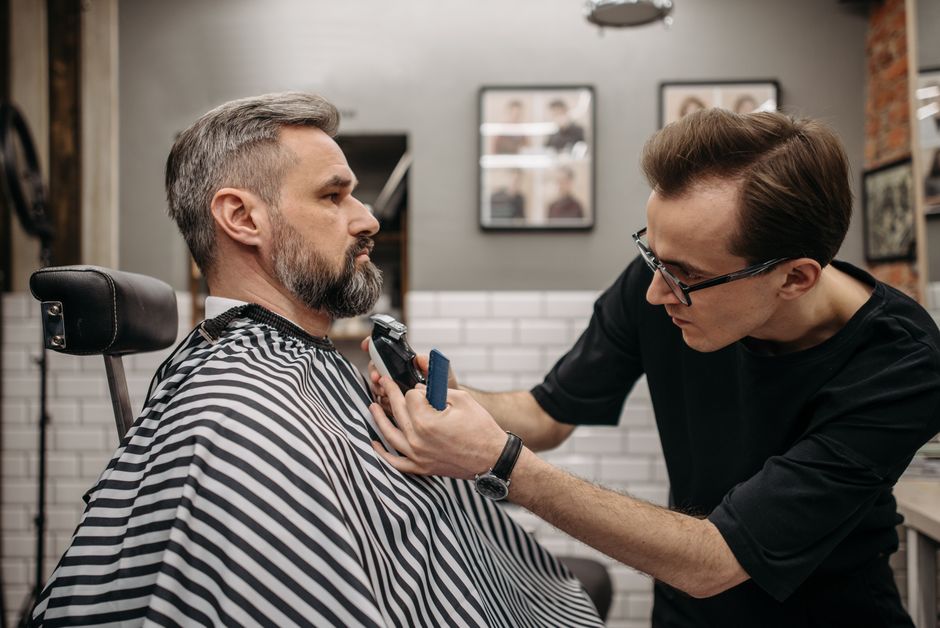
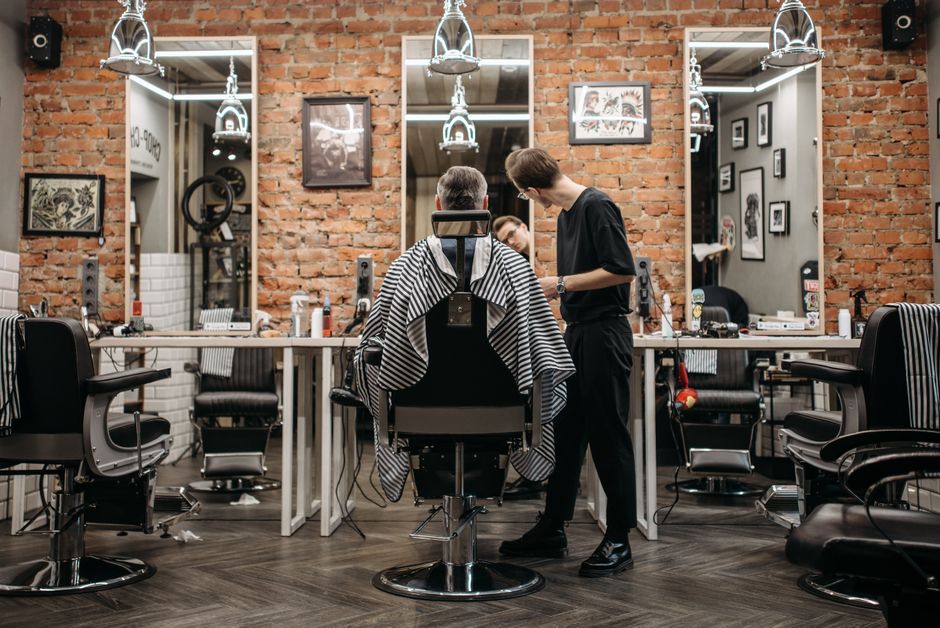
Your station needs to scream "expert." This means more than just a clean cape. Your lighting should be top-notch—I use a ring light and directional LEDs to eliminate shadows so I can see every single guideline. Your clippers (whether you’re loyal to BaBylissPRO FX, Andis Masters, or something else) must be zero-gapped, sanitized, and running flawlessly. This is non-negotiable.
But the most critical upgrade for scaling your business happens outside the chair. Running a waitlist-worthy business through Instagram DMs and a paper notebook is a recipe for burnout and missed opportunities. Just as you wouldn't use dull clippers, you can't run a modern business on scattered messages. This is where a solid platform like REZVA comes in, streamlining your bookings, managing client notes, and building a professional online presence so you can focus on your craft.
A professional system allows you to:
- Implement a Cancellation Policy: Protect your time and reduce no-shows.
- Capture Client Data: Remember that your client mentioned a job interview? Note it down. Asking about it next time shows you care and builds loyalty.
- Upsell Services: Easily add on a beard trim, hot towel service, or scalp treatment during the booking process.
Step 3: Price for Your Future, Not Your Present
Side hustle pricing will keep you a side hustle forever. If your price is based on what the chain salon down the street charges, you're doing it wrong. Your price should reflect your skill, the demand for your work, the quality of your client experience, and your business goals.
Stop charging a flat rate for "men's haircut." A zero-fade that takes 45-60 minutes of detailed blending, clipper-over-comb work, and straight razor lining is a completely different service than a 20-minute #2 on the sides. Structure your service menu to reflect that.
A Better Pricing Model:
- Standard Cut: Your baseline scissor cut or simple clipper cut.
- Taper/Fade: A dedicated service for standard fades, priced higher than the Standard Cut.
- Skin/Zero Fade: Your premium service. This takes more time, more skill, and more precision. It should be your highest-priced haircut.
- Add-Ons: Beard Sculpting, Eyebrow Shape-up, Shampoo & Style, Hot Towel Treatment. These are easy ways to increase your average ticket price.
Don't be afraid to raise your prices as your skills and demand grow. A full book is the market telling you that you're worth more. A 10-15% price increase might lose you a few price-shoppers, but it will open up spots for clients who value your expertise and are happy to pay for it.
Step 4: Market Like a Master, Not an Influencer
You don't need to dance on TikTok to market your fade business effectively. You need to showcase your results and build a reputation for excellence.
Your Instagram is Your Portfolio. Treat it that way. Don't just post a blurry after-shot. Show the process. A clean, well-lit video of you cross-hatching to remove a blend line is more impressive to potential clients than a static photo. Use portrait mode to blur the background and make your work pop. Always take photos and videos from multiple angles to show the full 360-degree quality of your blend.
Leverage Your Existing Clients. The best marketing is a happy client in your chair. Offer a small discount or a complimentary add-on for referrals. At the end of the service, when they’re admiring your work, simply say, "If you know anyone else who appreciates a clean fade, send them my way. I’ll take care of you both."
Collaborate Locally. Partner with businesses that share your ideal client. Think high-end menswear stores, local gyms, or even real estate agents. Offer to do a pop-up or leave professional business cards. You're not just selling haircuts; you're selling confidence.
Conclusion: From Technician to CEO of Your Chair
Scaling your fade business is an evolution. It's about consciously shifting your mindset from being just a barber who performs a service to being a business owner who is building a brand. It requires you to respect your own time, invest in the right tools (both physical and digital), and communicate your value with confidence.
The technical skill got you in the game. But the business strategy—the niche you own, the experience you provide, and the systems you build—is what will get you a six-week waitlist and a career that’s as profitable as it is passionate. Now go get those books full.
FAQ
Q: How do I handle a client who wants a complex skin fade but only booked a standard 30-minute haircut slot?
A: This is a great opportunity to educate and upsell. Be upfront and professional. Say something like, "To get that skin fade perfectly blended and sharp, it's a more detailed service that takes about 45-60 minutes. We can do a quicker taper today in the time we have, or I can rebook you into the proper 'Skin Fade' slot to make sure we get it absolutely perfect for you." This respects your time, clarifies the value of the more complex service, and puts the choice in their hands without compromising the quality of your work.
Q: What's the best way to build a strong portfolio when I'm just starting to specialize in fades?
A: Offer a limited-time "model call" at a slightly reduced rate specifically for the types of fades you want to showcase. Be explicit that this is for portfolio-building, and the client must be comfortable with photos/videos. This allows you to practice, get high-quality content without pressure, and build a visual library that attracts your ideal full-price clients. Just two or three great models can give you enough content for a month.
Q: Should I really charge more for a skin fade than a regular taper fade? They seem similar.
A: Absolutely. A skin fade requires more steps, more precision, and often more tools (like a foil shaver or specific trimmers for balding out). The risk of error is higher, and the time commitment is greater to achieve a seamless blend from skin to hair. Your pricing should always reflect the time, skill, and liability involved in a service. By pricing it as a premium offering, you communicate its value as an expert-level service.
This article was produced with AI assistance and reviewed by REZVA.
- barber business growth
- fade haircut techniques
- client retention for barbers
- barbershop marketing strategy
- pricing men's haircuts
- scaling a salon business
- professional barber tools
Take bookings for barbering online.
Clients book themselves from your profile and a deposit covers the no-shows. Free to start, no card. Founding members get Pro free for 12 months, then their price is locked.
98
spots left of 100
12
months of Pro, free
0%
commission on bookings