Walk-Ins Welcome? How to Master Your Booking Flow Without the Chaos
Struggling to balance pre-booked clients with walk-ins? Master your schedule, maximize revenue, and keep everyone happy with these pro strategies.
4 min read
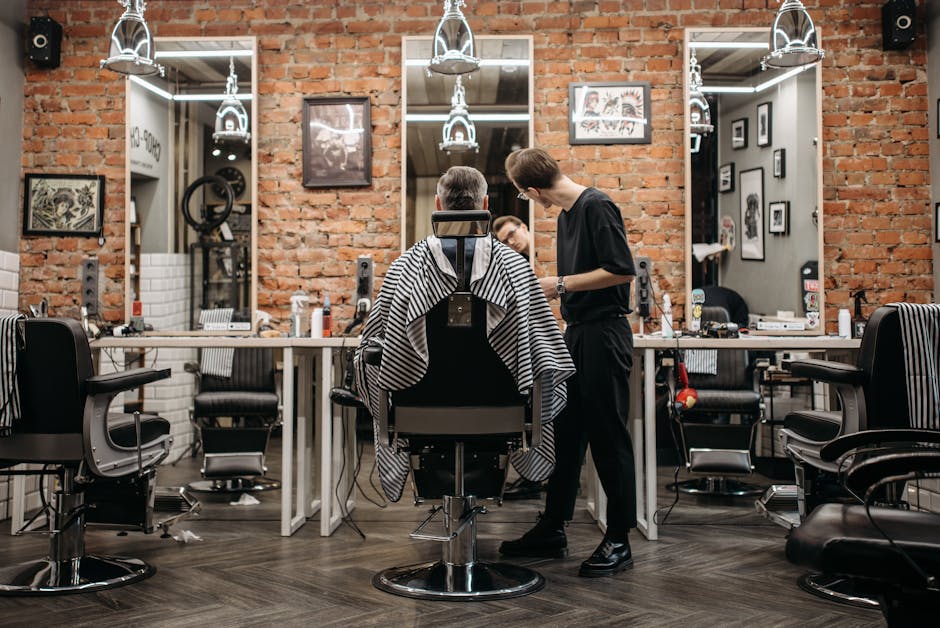
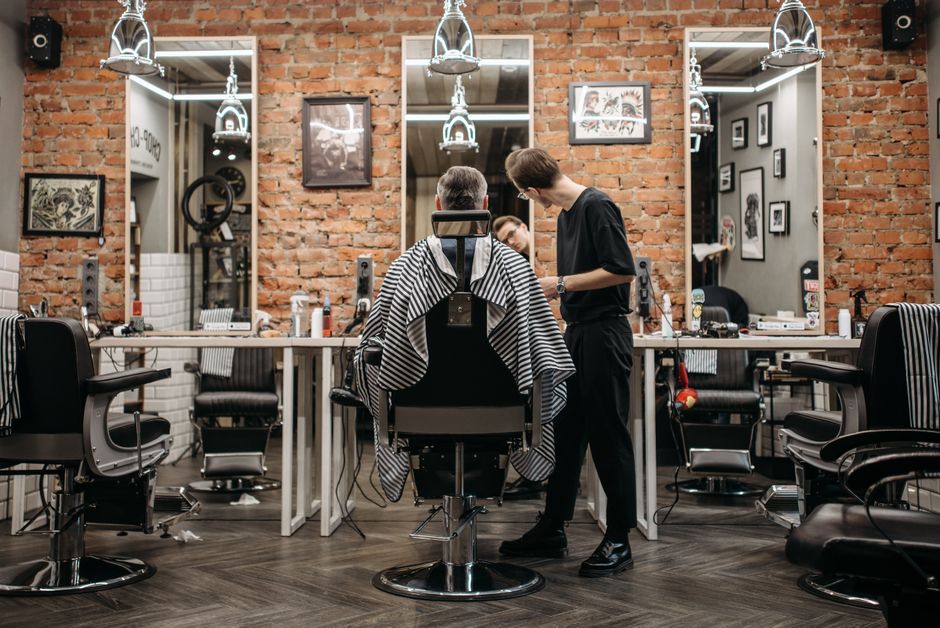
The sound of the bell on the shop door. For some of us, it’s the sweet sound of opportunity. For others, especially on a packed Saturday, it’s a jolt of anxiety. It’s the walk-in—a symbol of both spontaneous business and potential scheduling chaos. I’m Daniel Kovachev, and from my years behind the chair, I can tell you that mastering the flow between your loyal, pre-booked clients and the hopeful walk-in is less of a science and more of an art. It’s the art of the open chair.
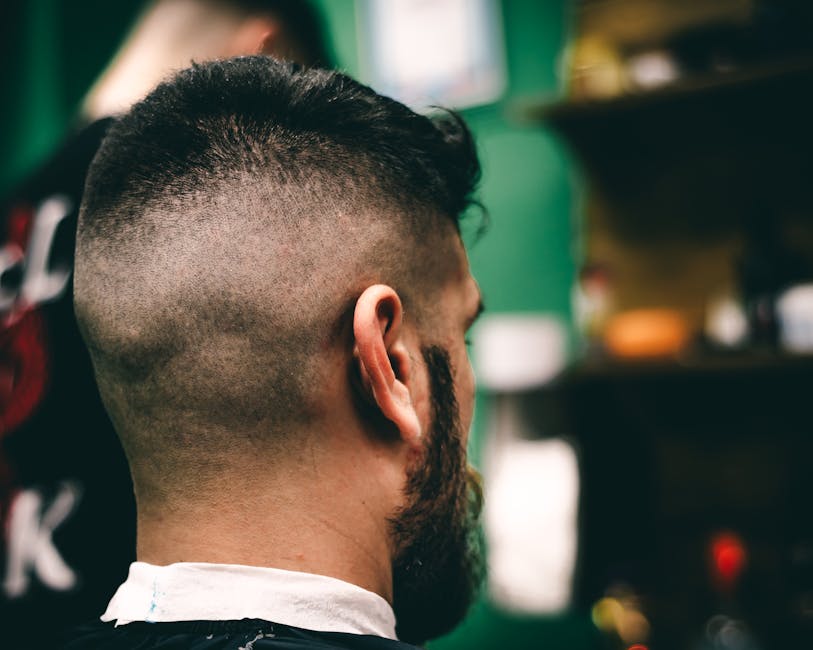
We’ve all been there. You’re deep in concentration, executing a perfect skin fade, your next two appointments are checked in, and then someone new walks through the door asking, “Any chance you can squeeze me in?” Turning away business feels wrong, but throwing your entire day off schedule and disrespecting the clients who booked in advance is a cardinal sin in our industry. So, how do you find the balance? It’s about building a system that allows you to say “yes” more often without sacrificing the quality and timeliness your regulars expect. Let’s break it down.
Appointments vs. Walk-Ins: You Need a Strategy for Both
First, let's get one thing straight: it’s not a battle of one versus the other. A healthy business needs a blend of both. Think of it like a balanced portfolio. Your online bookings are your blue-chip stocks—predictable, reliable, and the foundation of your revenue. They allow you to plan your day, manage inventory, and guarantee income. They also reduce no-shows, especially when you require a deposit, and give you valuable client data you can use for marketing.
Walk-ins, on the other hand, are your growth stocks. They are your number one source for new client acquisition. They fill the unexpected gaps from last-minute cancellations, make your shop look busy and in-demand (which is fantastic marketing), and cater to a whole segment of clients who are either new to the area, spontaneous, or just haven't gotten into the habit of booking ahead. The goal isn’t to eliminate walk-ins; it’s to integrate them into your workflow so they become a bonus, not a burden.
Building a Flexible Scheduling Framework
A rigid, back-to-back schedule is a fragile one. The first client who is five minutes late can create a domino effect of disaster. A flexible framework, however, is built to absorb the unexpected. Here are the techniques I use in my own shop to stay on time while maximizing the chair.
The Strategic Buffer
This is the most critical tool in your arsenal. I don’t just schedule a 45-minute haircut. I schedule a 55-minute block for it. That extra 10 minutes isn't just for sanitizing my station and sweeping the floor. It’s a strategic buffer. If my booked client is on time, that buffer is my flex-time. Over the course of a few appointments, those 10-minute blocks can add up to a 20-30 minute opening—perfect for a walk-in beard trim, a neck clean-up, or an express conditioning treatment. If a client runs late, the buffer absorbs that time and keeps my next appointment on track. It’s a built-in pressure release valve for your day.
Designate "Walk-In Windows"
Look at your analytics. You know when your slowest times are. For many shops, it’s mid-afternoon on a Tuesday or Wednesday. Instead of just hoping for the best, actively market those times. Put a sign in your window: “Walk-In Priority: Tuesdays 2-4 PM.” Promote it on your social media. This does two things: it funnels spontaneous clients toward your slower periods and manages expectations. They know they have a better shot at getting in during those hours.
The "Squeeze-In" Service Menu
Not all services are created equal. A walk-in asking for a full color correction is a non-starter, but one asking for a quick shape-up is an easy win. Create a small, official menu of express services that you and your team are trained to execute flawlessly in 15-20 minutes.
- Beard Line-Up (clippers & trimmers only)
- Neck Trim & Taper
- Express Shampoo & Style
- Bang Trim
Using a modern booking platform is non-negotiable for making this work. A system like REZVA allows you to build these buffers into your service timings automatically, so you don’t even have to think about it. You can see your day visually, spot those potential gaps instantly, and manage a digital waitlist right from your phone or tablet. Professionals looking to streamline their operations can find out more about getting set up on REZVA's page for specialists.
Mastering Communication at the Door
Your language and attitude when a walk-in arrives can make or break the entire experience. Even if you’re stressed and behind, the client at the door should feel welcomed, not like an inconvenience.
Train yourself and your team to use positive, solution-oriented language.
- Instead of: "Sorry, we're totally booked."
- Try: "Welcome in! All our specialists are with clients right now, but it looks like we'll have an opening in about 40 minutes. If you'd like to wait, we can add you to our list. Or, I can book you a guaranteed spot for tomorrow morning at 10."
This simple switch changes the entire dynamic. You’ve acknowledged them, given them options, and shown that you value their business. A digital waitlist app on a tablet at your front desk is a fantastic tool for this. It formalizes the process, captures their phone number for a text when you're ready, and makes them feel like they are "in the system."
The Golden Rule: Convert Every Walk-In
A walk-in is not just a one-time transaction; it’s a business opportunity. Your goal should be to convert every single walk-in into a future pre-booked, loyal client. This is where your skills as a professional truly shine.
- Provide an A+ Experience: Even if it’s a quick 15-minute service, give them your full attention. Do a quick consultation, ask questions, and offer professional advice. This is your audition. Show them why you’re worth booking in advance.
- Introduce Them to Online Booking: As you’re finishing their service, make the transition seamless. Say, “It was great to meet you. To make sure you get the exact time you want without a wait next time, you can book directly from my website. I’ll even send you the link.”
- The Pre-Book Pitch: The best time to book the next appointment is while they are still in your chair, thrilled with the result. “Your fade will grow out perfectly to be cleaned up in about three weeks. I have a spot open on the 28th at this same time. Shall I lock that in for you?”
By treating every walk-in as a potential long-term client, you’re not just filling a gap in your schedule—you’re actively building your business for the future.
Conclusion: Embrace the Flow
Balancing walk-ins and appointments isn't about rigid rules; it's about creating a smart, flexible system that serves both your clients and your bottom line. By building in buffers, defining your services, and mastering communication, you can transform the unexpected walk-in from a source of stress into a consistent stream of new, loyal customers. The bell on the door can, and should, always be a welcome sound. Now go make every chair turn count.
Frequently Asked Questions
What's the best way to handle a walk-in when I'm already running late with my booked client?
Honesty and respect for everyone's time is key. First, focus on your current client. Once they are processing or you have a moment, acknowledge the walk-in with a warm welcome. Say, "So glad you came in! I'm running about 15 minutes behind with my current client. My next availability will be in roughly [calculate time]. I'd be happy to add you to our waitlist." This shows respect to the client in your chair and properly sets expectations for the person waiting.
Should I charge walk-ins more than booked appointments?
This is a controversial topic, but I generally advise against it. Charging a "convenience fee" can create a negative first impression. Instead of penalizing the walk-in, focus on rewarding the planner. Offer a small discount (5%) or a complimentary add-on (like a hot towel treatment) for clients who pre-book their next appointment before they leave. This positively reinforces the behavior you want to encourage.
I'm a solo practitioner in a private suite. Should I even accept walk-ins?
For most suite renters, a strict appointment-only policy is more practical and secure. Your door is likely locked, and the environment is more private. However, you can create a "virtual" walk-in system. Use a booking platform that has a waitlist feature. On your booking page and social media, you can say, "Want a last-minute spot? Join my digital waitlist, and you'll get an automatic text if a spot opens up today!" This fills your cancellations without the disruption of a physical walk-in.
This article was produced with AI assistance and reviewed by REZVA.
- salon booking management
- barbershop operations
- client scheduling tips
- walk-in client strategy
- online booking system
- salon efficiency
- maximize salon revenue
- appointment scheduling
Take bookings for barbering online.
Clients book themselves from your profile and a deposit covers the no-shows. Free to start, no card. Founding members get Pro free for 12 months, then their price is locked.
98
spots left of 100
12
months of Pro, free
0%
commission on bookings