The Uniform Haircut Price: A Rookie Mistake That's Secretly Sinking Your Profits
Stop undercharging for complex work. I'll walk you through why a flat-rate haircut price is a business trap and how to switch to a tiered model.
4 min read

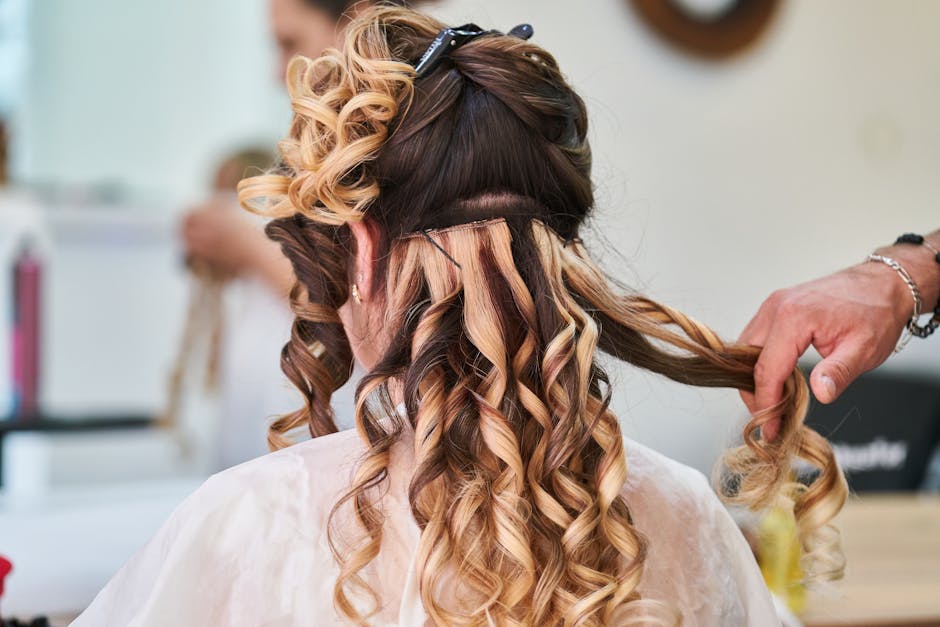
I can still feel the knot in my stomach from that one Tuesday afternoon early in my career. A new client booked a "standard haircut." On paper, it was a 45-minute, $70 slot. But when she sat in my chair, she let down a cascade of unbelievably thick, waist-length hair. She wanted a textured, layered shag—a complete restyle. Ninety minutes and a whole lot of texturizing shear work later, I had created a masterpiece. I was proud of the cut, but when she paid that standard $70, I felt defeated. My next client was late, my energy was drained, and I had effectively worked for half my hourly rate.
That was the day I realized I was making the single most common and costly mistake I see new (and even some veteran) stylists make: charging a uniform price for a non-uniform service. We spend years honing our craft, from precision bobs at Vidal Sassoon to mastering the perfect curtain fringe, yet we often hamstring our businesses by putting all that varied skill into one little box on the service menu labeled "Haircut."
Today, I want to walk you through why this model is holding you back and give you a practical framework to evolve your pricing, protect your time, and truly charge what you're worth.
The Fundamental Flaw in the Flat-Rate Model
Let's be blunt: a "haircut" is not a single, definable product like a can of soup. It's a bespoke service that varies wildly from client to client. A flat-rate or simple gender-based ("Men's Cut," "Women's Cut") model is a business trap because it fails to account for the three most critical variables:

- Time: A 25-minute clipper cut for a regular client is not the same as a 75-minute transformational cut on long, dense hair. When you charge the same, or a similar price, you are essentially being penalized for the more complex, time-consuming work.
- Skill & Complexity: A simple trim to maintain a blunt bob requires a different level of concentration and technique than creating a graduated, asymmetrical pixie from scratch. Your pricing should reflect the technical difficulty of the task at hand.
- Resources: More hair means more shampoo, more conditioner, more styling product, and more wear and tear on your expensive shears. These are real costs that a flat-rate model completely ignores.
When you operate this way, you create a system where the "easy" clients subsidize the "difficult" ones. It punishes you for your efficiency on simple cuts and drastically underpays you for your artistry on complex ones. It’s an unsustainable model that leads directly to burnout.
Shifting Your Mindset: You're Selling Time and Expertise, Not Just a "Cut"
The first step to fixing your pricing is a mental one. You must stop thinking of yourself as someone who sells "haircuts." You are a highly trained professional who provides a customized service that requires a specific amount of your most valuable, non-renewable asset: your time.
Think of a contractor. They don't give a flat price to "paint a room." They quote based on the square footage, the height of the ceilings, the amount of prep work, and the number of coats required. They price the project based on the time and materials it will consume.
We must adopt the same mindset. In my salon, we moved away from a simple menu years ago. It was nerve-wracking at first, but it was the single best business decision I ever made. It allowed us to give each client the time they truly needed without feeling rushed or resentful, and our revenue per hour soared.
How to Build a Smarter, Tiered Haircut Menu
So, how do you translate this new mindset into a practical service menu? You create tiers that reflect the time and complexity involved. Here are two effective models you can adapt for your business.
Model 1: The Time-Based Menu
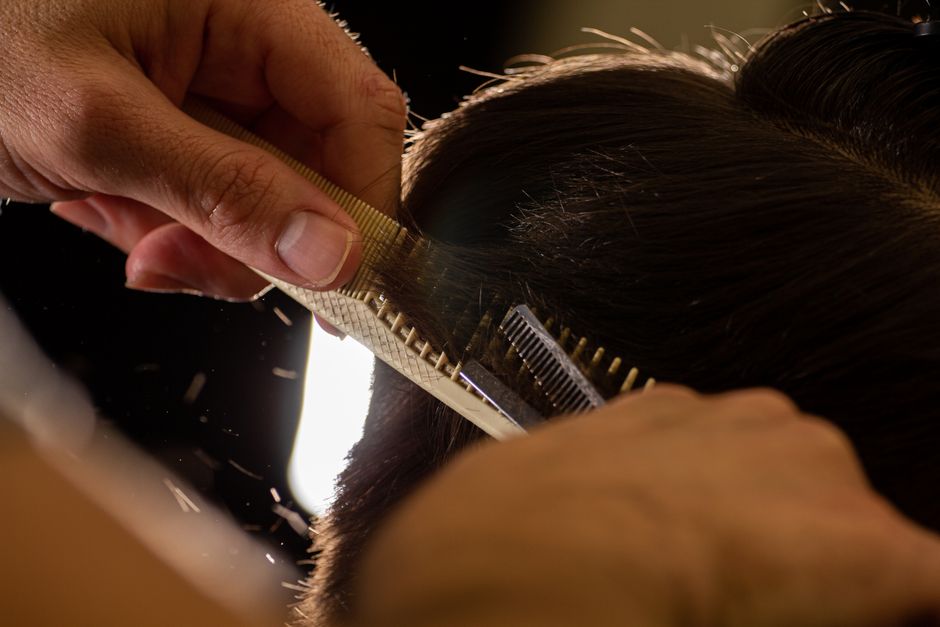
This is the purest form of charging for your time. You structure your services in blocks of time. For example:
- Express Cut (30 Minutes): For existing clients, clipper cuts, or dustings on fine hair. No wash or style.
- Signature Cut (60 Minutes): Your standard appointment for most maintenance cuts. Includes wash, cut, and blow-dry style.
- Transformational Cut (90 Minutes): For new clients, major style changes, or clients with very long or dense hair. Includes in-depth consultation, wash, cut, and detailed style.
The beauty of this is its transparency. You are setting a clear expectation for the client about how much of your dedicated time they are booking.
Model 2: The Service-Detail Menu
This is a slightly softer approach that categorizes by service outcome rather than just time, though time is still the underlying factor. For example:
- The Maintenance Cut: For returning clients looking to maintain their current shape (e.g., refreshing layers, trimming a bob). Priced at your base rate.
- The Signature Restyle: For clients seeking a noticeable change in shape, length, or style. This service is priced higher and is allocated a longer time slot.
- The Transformation: For a complete change (e.g., long to short) or for hair that is exceptionally thick, long, or requires intricate work like a precision geometric cut. This is your premium cutting service.
Whichever model you choose, a robust booking system is your best friend. Setting up a tiered menu is incredibly straightforward with modern platforms like REZVA, which allows you to detail each service, assign specific durations, and present clear pricing so clients book the correct slot from the start.
The Consultation Is Your Pricing Tool
Your new pricing structure hinges on one critical moment: the consultation. This is no longer just about discussing style; it's about assessing the canvas and professionally guiding your client to the correct service.
When a new client sits down, you assess their hair density, length, and texture while discussing their goals. This is your moment to set the expectation.
Practice using clear, confident language:
- "I'm so excited for this change! Based on the beautiful thickness of your hair and the detailed, layered look we're going for, we'll need to book my 90-minute 'Transformation' service. This ensures we have the perfect amount of time to get every detail right."
- "For maintaining your current bob and keeping these lines super sharp, your usual 60-minute 'Signature' booking is perfect."
This isn't an upsell; it's professional alignment. You are ensuring the final result isn't compromised by a lack of time.
Communicating the Change to Your Clients
The biggest fear is, "Will my clients leave?" In my experience, the keepers—the clients who truly value your work—will understand and respect it. Here’s how to roll it out smoothly:
- Announce It Early: Give at least 4-6 weeks' notice. Post it on your booking site, send an email to your client list, and have a small, professional sign at your station.
- Explain the "Why": Frame it as a benefit to them. "To continue providing the dedicated, one-on-one time and detailed results you deserve, my service menu is being updated to better reflect the time and care required for different hair types and styles."
- Be Confident: When you discuss it, be direct and unapologetic. This is a positive evolution of your professional business. Your confidence is contagious. If you believe it's the right move, they will too.
Your time and skill are the most valuable things you have. A flat-rate pricing model devalues both. By shifting to a tiered, time-based structure, you're not just increasing your income; you're building a more sustainable, professional, and rewarding career. You're finally getting paid for every minute of your hard-earned expertise.
Frequently Asked Questions
Q: What if a client with very thick hair books a shorter appointment slot by mistake?
A: This is where your consultation is key. When they arrive, you can say, "I see you booked for our 60-minute cut, but to achieve the look we discussed on your wonderfully thick hair, we'll really need our 90-minute slot. We can either adjust our goal for today's appointment or I can rebook you for next week when I have the proper time available to give you the best result." This puts the choice in their hands while maintaining your professional boundary.
Q: How does this affect gender-based pricing? Should I get rid of it?
A: Absolutely. This is the perfect opportunity to move to a modern, gender-neutral menu. Hair is hair. Pricing based on the time, length, and complexity of a service is fairer, more inclusive, and a much more accurate reflection of the work you're performing than pricing based on a client's gender.
Q: I'm a new stylist trying to build my clientele. Shouldn't I keep my prices simple and low?
A: It's tempting, but starting with an unprofitable model is a trap. It's much harder to re-educate clients and raise prices significantly later on. You can still be competitive while implementing a tiered structure. Simply set your hourly rate lower than a senior stylist's. This builds your business on a solid, sustainable foundation from day one and teaches your first clients to value your time properly.
Prices are shown in US dollars, converted from euros at the European Central Bank reference rate of 16.10.2026 and rounded.
This article was produced with AI assistance and reviewed by REZVA.
- haircut pricing strategy
- salon business management
- charging your worth
- time-based pricing
- salon profitability
- client communication
- tiered service menu



Take bookings for hair online.
Clients book themselves from your profile and a deposit covers the no-shows. Free to start, no card. Founding members get Pro free for 12 months, then their price is locked.
98
spots left of 100
12
months of Pro, free
0%
commission on bookings