The Scent of Success: Breaking Down the Profitability of Aromatherapy
Is adding aromatherapy to your menu a smart business move or just a costly frill? Here's an honest breakdown of the costs, pricing models, and ROI.
4 min read
Hey everyone, Priya here. I want to share a story from a bridal trial a few years back. My client was a bundle of nerves—the wedding planning stress was palpable. On a whim, I put a single drop of lavender oil on a cotton pad and placed it near my station. Within minutes, I felt her shoulders drop. She took a deep breath and said, "Wow, what is that? I feel like I can actually think straight now."
That small moment was a lightbulb for me. We're in the business of transformation and confidence, but we often focus only on the visual. What if we could craft a complete sensory experience? That question led me down the path of integrating aromatherapy into my services, and I'm often asked by fellow pros: is it actually profitable? Or is it just a nice, expensive-smelling hobby?
Let's be honest, our time and our margins are tight. Every new service has to earn its place on the menu. So, let's break down the real numbers and strategy behind adding aromatherapy to your professional toolkit.
The Initial Investment: What It *Really* Costs to Start
Before you dream of revenue, you have to face the startup costs. The good news is that you can start lean and scale up. Avoid the temptation to buy one of everything. Focus on quality over quantity.
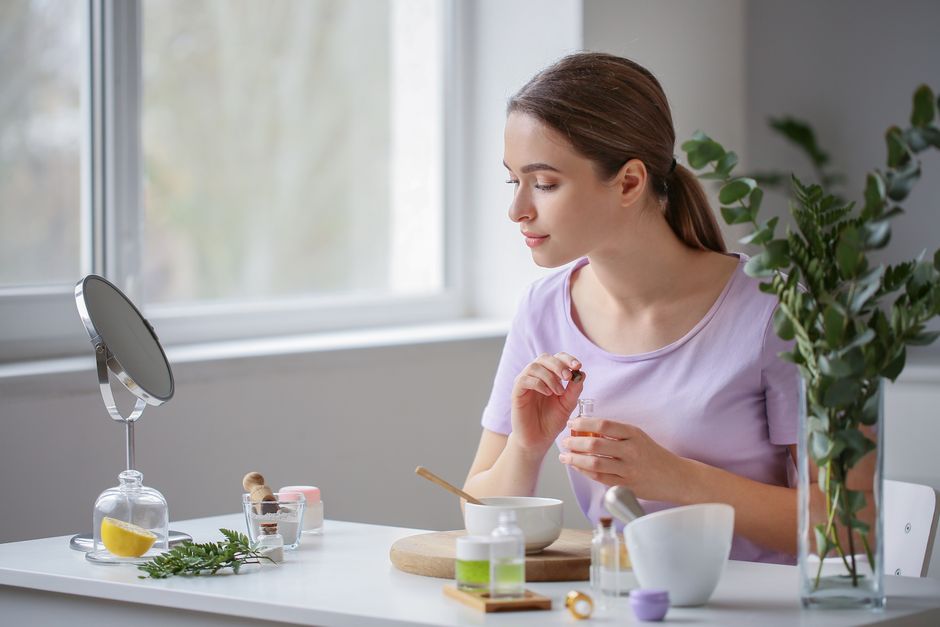
Here’s a realistic look at your initial shopping list:
- Professional-Grade Essential Oils: This is not the place to skimp. The oils you find at a discount store are often diluted or synthetic. You need 100% pure, therapeutic-grade oils for safety and efficacy. Start with a foundational kit of 10-15 versatile oils. Think Lavender, Roman Chamomile (for calming), Peppermint, Eucalyptus (for invigorating), Lemon, Tea Tree, and Frankincense. Budget: $150-300 for a high-quality starter set.
- A Professional Diffuser: Your diffuser is a workhorse. For a professional space, I recommend an ultrasonic diffuser that uses water and vibrations. It’s quiet, safe, and easy to clean. You might also consider a waterless nebulizing diffuser for a more potent aroma, but they can be louder and use more oil. Budget: $50-100 for a reliable unit.
- Carrier Oils: If you plan to apply anything topically (like in a facial massage or as a cuticle treatment), you need carrier oils to dilute the essential oils safely. Jojoba, sweet almond, and fractionated coconut oil are excellent, versatile choices. Budget: $30-50 for a few starter bottles.
- Training and Education: This is the most crucial investment. You must understand the chemistry, safety protocols, contraindications (e.g., for pregnant clients or those with epilepsy), and proper dilution rates. Look for a Level 1 aromatherapy certification course. It’s an investment in your client’s safety and your professional credibility. Budget: $200-610+.
Total Estimated Startup Cost: $430-1,050. Yes, it's an investment, but one that can be strategically recouped very quickly.
Pricing Your Aromatherapy Services: From Add-On to Anchor
This is where your investment starts paying off. The key is to offer aromatherapy in multiple ways to appeal to different clients and ticket prices. Don't just think of it as one thing; think of it as a flexible tool.
1. The Simple Add-On
This is the easiest entry point. Offer a "Custom Aromatherapy Experience" as an add-on to any existing service. During the consultation, you ask the client about their mood or needs (Relaxation? Focus? Energy?) and create a custom blend for the diffuser during their session.
- Price Point: $15-25
- Cost Per Service: Pennies (literally, a few drops of oil).
- Profitability: Extremely high margin. If just five clients a week take this add-on at $20.26, that’s an extra $405.11 a month.
2. The Integrated Premium Service
Here, you weave aromatherapy into the fabric of a signature service. This elevates the entire experience and justifies a higher price point from the start. It’s not an add-on; it’s a core feature.
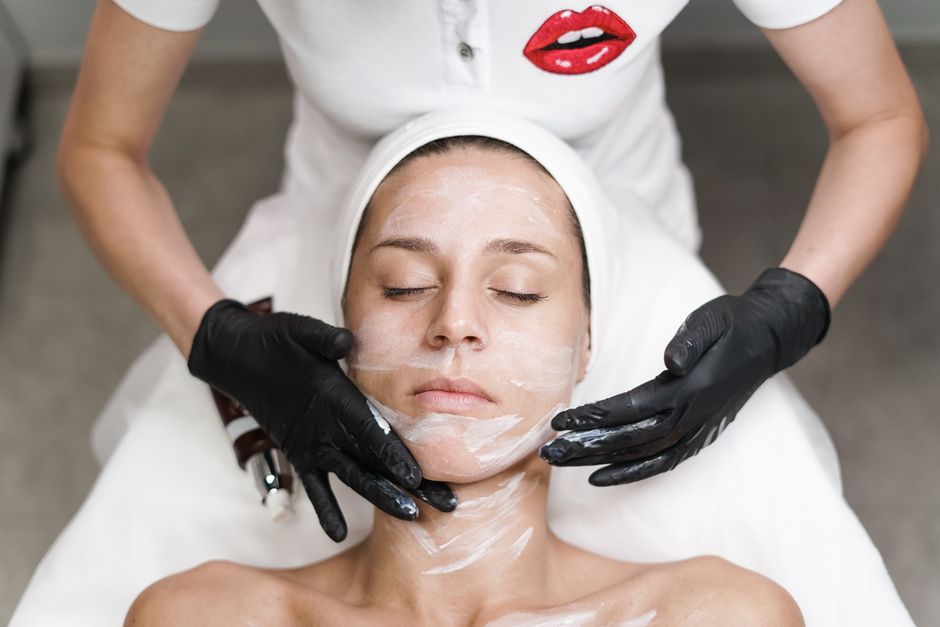
- Example for an Esthetician: A "De-Stress & Glow Facial." It includes a custom-blended aromatic steam, a facial massage with an infused carrier oil, and a calming diffusion throughout. If your standard facial is $140, this premium version could easily be priced at $170.
- Example for a Makeup Artist: My "Serenity Bridal Experience." It starts with a 10-minute sensory journey with calming oils to ease wedding day jitters before I even pick up a brush. It's built into the package price and is a huge selling point.
3. The Retail Component
Never underestimate the power of retail. If a client loves the blend you used, they’ll want to take that feeling home. This creates a new, passive revenue stream.
- Offerings: Create small, pre-blended rollerballs (e.g., "Headache Relief," "Sleep Well") or sell a curated "starter kit" of your three favorite oils.
- Profit Margin: Typically 50-100% markup. A rollerball that costs you $4-5 in materials can retail for $15-20.
More Than Just Money: The "Soft" ROI of Scent
Profit isn't just about the numbers on a spreadsheet. Some of the biggest returns from aromatherapy are less tangible but incredibly powerful for your business growth.
First, it dramatically enhances the client experience. You’re moving beyond a simple transaction and creating a memorable, multi-sensory ritual. This is what gets people talking. This is what creates loyalty.
Second, it massively increases the perceived value of your services. A facial is a facial. But a "Holistic Aromatherapy Facial Journey" sounds—and feels—infinitely more luxurious. It justifies your premium pricing and sets you apart from the competition down the street.
Finally, it creates a powerful brand signature. Scent is directly linked to memory. Having a subtle, signature scent in your studio means clients will literally think of you when they smell that aroma elsewhere. It’s subconscious marketing that builds a deep, emotional connection to your brand. When you're setting up your services, make sure to describe these unique experiences in your service descriptions on your REZVA booking site to attract clients looking for more than just a standard appointment.
Integrating It Safely and Seamlessly
Profitability means nothing if you're not operating safely and efficiently. Integration is key.
The Consultation is Non-Negotiable: Your intake form must have questions about allergies, skin sensitivities, and any medical conditions like asthma or epilepsy. Always ask about scent preferences. One person's calming lavender is another person's headache trigger. Document everything in their client file.
Keep It Simple: You don't need a hundred oils. Start with your core kit and know them inside and out. For my makeup clients, I don't do topical applications. I rely solely on diffusion or a scent tent (a tissue with a drop of oil for them to hold and smell). For estheticians or massage therapists, proper dilution in a carrier oil is paramount. A good rule of thumb for the body is a 1-2% dilution (about 6-12 drops of essential oil per ounce of carrier oil).
Cleanliness is Critical: Clean your diffuser daily. Old, stagnant water is a breeding ground for bacteria, and residual oils can muddle your scents. It takes two minutes and is a non-negotiable part of my end-of-day cleanup.
The Verdict: Is It Worth Your Investment?
After years of incorporating aromatherapy into my business, my answer is a resounding yes—if you approach it as a strategic business decision, not just a fluffy extra. The initial investment in quality products and, most importantly, education is essential. But the potential to increase your average ticket, open up new retail revenue, and create an unforgettable client experience is immense.
It transforms your service from a simple procedure into a holistic ritual. And in today's crowded market, that memorable experience is your most valuable asset.
FAQ
Do I need a special certification to offer aromatherapy?
While it may not be legally required for simple diffusion in your state or province, it is highly recommended for professional use, especially if you plan any topical application. A certification from a recognized organization like the National Association for Holistic Aromatherapy (NAHA) protects you and your clients, ensures you understand safety protocols, and boosts your credibility immensely. It's a must-have for your professional liability insurance.
What are the top 3 most versatile essential oils to start with?
If I had to choose only three to build a foundation, it would be: 1. Lavender (Lavandula angustifolia) for its incredible calming and skin-soothing properties. 2. Peppermint (Mentha piperita) for an energizing lift, headache relief, and focus. 3. Lemon (Citrus limon) for its bright, uplifting aroma and cleansing properties (note: be aware of phototoxicity with citrus oils if applying topically).
How do I market my new aromatherapy services effectively?
Start by updating your service menu everywhere, especially on your online booking platform. Use descriptive, sensory language. Instead of "Facial," try "Rejuvenating Facial with Custom Aromatherapy." Announce the new offerings on your social media with videos showing your diffuser or your beautiful oil collection. A great in-person tactic is to set up a small "scent bar" at your station where clients can smell a few key oils while they wait, sparking their curiosity naturally.
Prices are shown in US dollars, converted from euros at the European Central Bank reference rate of 16.10.2026 and rounded.
This article was produced with AI assistance and reviewed by REZVA.
- aromatherapy business strategy
- salon service pricing
- beauty service add-ons
- client experience enhancement
- increasing salon revenue
- wellness service integration
- professional essential oils

Take bookings for spa & wellness online.
Clients book themselves from your profile and a deposit covers the no-shows. Free to start, no card. Founding members get Pro free for 12 months, then their price is locked.
98
spots left of 100
12
months of Pro, free
0%
commission on bookings