My Hydrotherapy Business Was a Revolving Door Until I Changed This One Thing
My bookings were steady but my growth was flat. Here’s how I moved from one-off hydrotherapy sessions to high-value client protocols.
4 min read
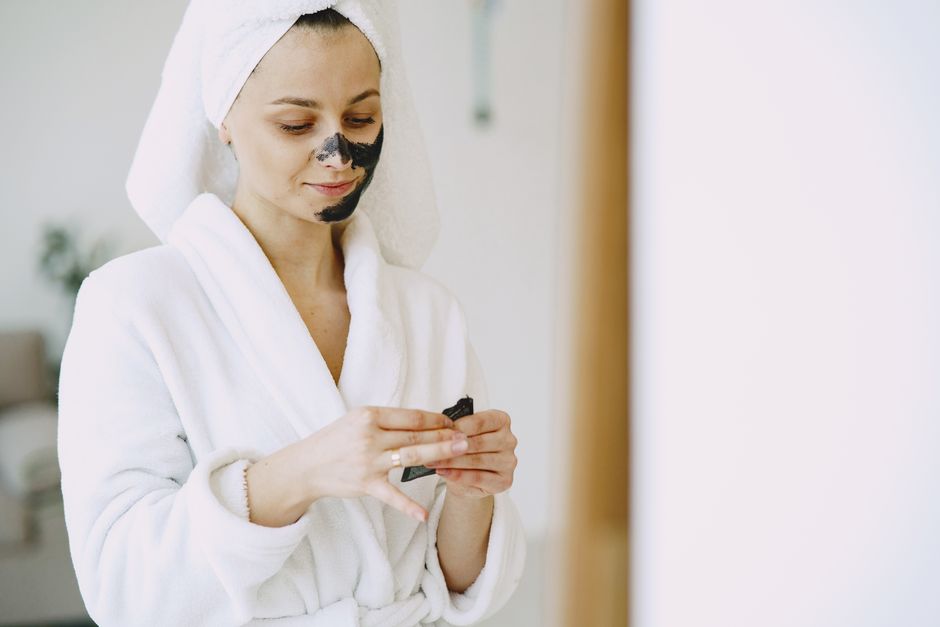
For years, my hydrotherapy studio ran on a simple, predictable model. My service menu was a clean, a la carte list: 30-minute Infrared Sauna, 60-minute Sensory Deprivation Float, 45-minute Contrast Therapy Circuit. Business was fine. The schedule was reasonably full, but it felt… transactional. Clients would come in, enjoy a session, pay, and leave. Some came back, many didn’t. I was a pit stop on their wellness journey, not the destination.
I was working hard, but my business wasn’t growing in a meaningful way. My client lifetime value (LTV) was stagnant, and I was constantly spending time and money on marketing to attract new faces to replace the ones who churned. The turning point came in early 2026. I realized I wasn’t selling results; I was just renting out time in my equipment. I decided to change one fundamental thing about my business: I stopped selling sessions and started designing solutions. Here’s a look at the two models and the impact that single shift had on everything.
The Old Way: The "A La Carte" Service Menu
Most of us start here. It’s the logical, straightforward way to structure a service business. You have specific offerings, you assign a time and a price, and you put them on a menu. My old menu was clear, easy for clients to understand, and simple to book online.

What It Looked Like in Practice:
A client, let's call her Sarah, a marathon runner, would see "Cold Plunge" on the menu. She’d book a 15-minute slot to help with post-run inflammation. She’d come in, do the plunge, and feel better. Maybe she’d book again after her next long run, maybe not. Another client, Mark, dealing with work stress, might book a float session. He’d have a great, relaxing experience. But when stress hit again a month later, he might try meditation, or a massage elsewhere. My services were interchangeable commodities.
The Pros of the A La Carte Model:
- Low Barrier to Entry: It’s easy for new clients to try one thing without a big commitment.
- Simplicity in Booking: "Pick a service, pick a time." It’s a simple transaction that requires little explanation.
- Clear Marketing: You can run a promotion for "20% off all sauna sessions" very easily.
The Cons That Were Holding Me Back:
- Encouraged "Deal Seekers": This model attracts clients looking for the best price, not the best outcome. They have low loyalty and will jump to a competitor for a small discount.
- No Client Accountability: When a client only comes in once, they don't see transformative results. They get temporary relief, which is nice, but it doesn't create the kind of powerful testimonials that build a premium brand.
- Stagnant Revenue: My income was directly tied to the hours I could book. There was a hard ceiling on my growth, limited by time and space. I wasn't building recurring, predictable revenue.
- Positioned Me as a Technician, Not an Expert: I was just the person who operated the machinery. My deep knowledge of hydrotherapy’s therapeutic benefits was being wasted because the business model didn't allow for it to be shared.
The New Way: The Personalized Hydrotherapy Protocol
The big change was to reframe my entire business around client outcomes. Instead of offering a menu of disconnected services, I now offer comprehensive, goal-oriented protocols. This isn't just an "add-on" or a "package"; it's a fundamental shift in the client relationship from the very first interaction.
What It Looks Like in Practice:
Now, when Sarah the marathon runner comes to me, her journey starts with a paid consultation. We don't just talk about her last run; we talk about her entire training cycle, her recovery goals, sleep patterns, and any nagging issues. Based on this, I design her "Peak Performance & Recovery Protocol." It’s a six-week plan that includes a strategic mix of contrast therapy to manage inflammation, infrared sauna sessions to aid muscle recovery and detoxification, and Epsom salt floats to replenish magnesium and promote deep rest.
She’s no longer buying a single cold plunge; she’s investing in a comprehensive solution to run faster and recover smarter. For Mark, the stressed executive, his "Executive De-Stress Protocol" might involve a series of float sessions to down-regulate his nervous system, combined with specific hydro-massage to release tension in his neck and shoulders. We track his progress. We make adjustments. I become his trusted partner in wellness.
The Pros of the Protocol Model:
- Establishes Expertise: This model immediately positions you as an authority. You are a strategist designing a solution, not just a service provider. This justifies premium pricing.
- Massively Increases Client LTV: Instead of a single $75 transaction, you’re selling a $900 protocol. The upfront revenue is higher, and the client is committed for weeks, if not months.
- Drives Real Results: Consistency is key to any wellness practice. By designing a multi-session plan, you ensure clients get the cumulative benefits of the therapy, leading to incredible results and rave reviews.
- Builds a Loyal Clientele: When you guide a client through a transformation, you build a deep, lasting relationship. They are no longer your "customer"; they are your client. They trust you and will refer others like them.
Which Approach Should You Choose?
If you're just starting out or running a high-volume, low-touch business model, the a la carte menu can work. It gets people in the door. But if you feel stuck, if you're tired of the client churn, and if you know your skills can deliver more profound results, you have to evolve.

For any serious wellness professional looking to build a sustainable, profitable, and impactful business, the protocol-based approach is, without a doubt, the future. It allows you to charge for your expertise, not just your time. It transforms your business from a revolving door into a destination for transformation.
Making the switch can feel daunting. My advice is to start small. Don't scrap your entire menu overnight. Introduce one or two signature protocols targeted at your ideal client profiles (e.g., "The Athlete's Edge," "The Bridal Glow Prep"). Offer them to your most loyal existing clients first. Refine the process, gather testimonials, and build from there. A platform like REZVA keeps each client's visit history, notes, photos and formulas in one place, so every visit can feel personal.
The shift required more upfront work in consultations and planning, but the payoff was a more resilient business, deeper client relationships, and a renewed sense of purpose in my work. I was finally delivering the results I always knew were possible.
Frequently Asked Questions
How do you price a multi-session protocol?
Stop thinking about your hourly rate. Price based on the value of the outcome you're providing. Calculate the total value of the individual sessions, then package them at a price that reflects the added value of your expert curation, guidance, and the guaranteed result. It shouldn't be a steep discount; it should be a premium price for a premium, all-inclusive solution.
Isn't a personalized protocol too complicated for new clients to understand?
It's actually simpler for them. You're removing their decision fatigue. Instead of presenting them with a confusing menu of ten options, you're listening to their problem and presenting them with the solution. You are their expert guide. Frame it as a curated, guided journey designed specifically for their success.
What if a client insists they only want a single session?
That's perfectly fine. I still offer single "Discovery Sessions." However, the entire focus of that session is different now. It's a consultation and a treatment in one. I use that time to demonstrate the power of the therapy and educate them on what’s possible with a consistent plan, making the protocol the natural and logical next step for achieving their goals.
Prices are shown in US dollars, converted from euros at the European Central Bank reference rate of 16.10.2026 and rounded.
This article was produced with AI assistance and reviewed by REZVA.
- hydrotherapy business strategy
- wellness client retention
- spa service menu design
- premium pricing models
- increasing client lifetime value
- hydrotherapy protocols
- wellness business growth

Take bookings for spa & wellness online.
Clients book themselves from your profile and a deposit covers the no-shows. Free to start, no card. Founding members get Pro free for 12 months, then their price is locked.
98
spots left of 100
12
months of Pro, free
0%
commission on bookings
