How to Keep Clients Comfortable During a Wax
Boost client loyalty and referrals. Learn expert techniques, product tips, and business strategies to minimize discomfort during full body wax appointments.
4 min read
Hello, fellow professionals. Valentina here. While many of you know me from the world of intricate nail art and gel extensions, my decade of experience in this industry has taught me one universal truth: client comfort is the cornerstone of a successful beauty business. It doesn't matter if you're sculpting the perfect apex on a nail or providing a flawless Brazilian wax—if your client is uncomfortable, they won't be back. And they certainly won't be referring their friends.
Let's talk about waxing. It's one of the most intimate and potentially uncomfortable services we offer. For many clients, the thought of a full body wax can be intimidating. But for us, as skilled technicians, this presents a huge opportunity. When you can transform a service that clients dread into an experience that is efficient, professional, and surprisingly comfortable, you don't just gain a client; you gain a loyal advocate for your business. Let's dive into the practical strategies I've seen work wonders for turning first-time wax clients into regulars.
The Pre-Appointment Prep: Setting the Stage for Success
Excellent service begins long before the client is on your table. A proactive approach to pre-appointment communication not only prepares the client's skin but also eases their mind. This is your first chance to establish trust and demonstrate your expertise.
- Automate Your Expertise: Don't leave pre-care to chance. Create a clear, concise list of instructions and send it out 48-72 hours before every appointment. Advise clients to gently exfoliate the day before, avoid caffeine and alcohol for 24 hours (as they can increase sensitivity), and ensure their hair is at least a quarter of an inch long. A platform like REZVA gives you a booking page that is open around the clock, so clients see your services and free times and book without messaging you.
- The Menstrual Cycle Conversation: We need to be comfortable talking about this. Gently inform new clients that waxing during their menstrual cycle is possible, but they may experience heightened sensitivity. This simple piece of information empowers them to book their appointments at a time that’s best for their body, and it shows you’re a considerate and knowledgeable professional.
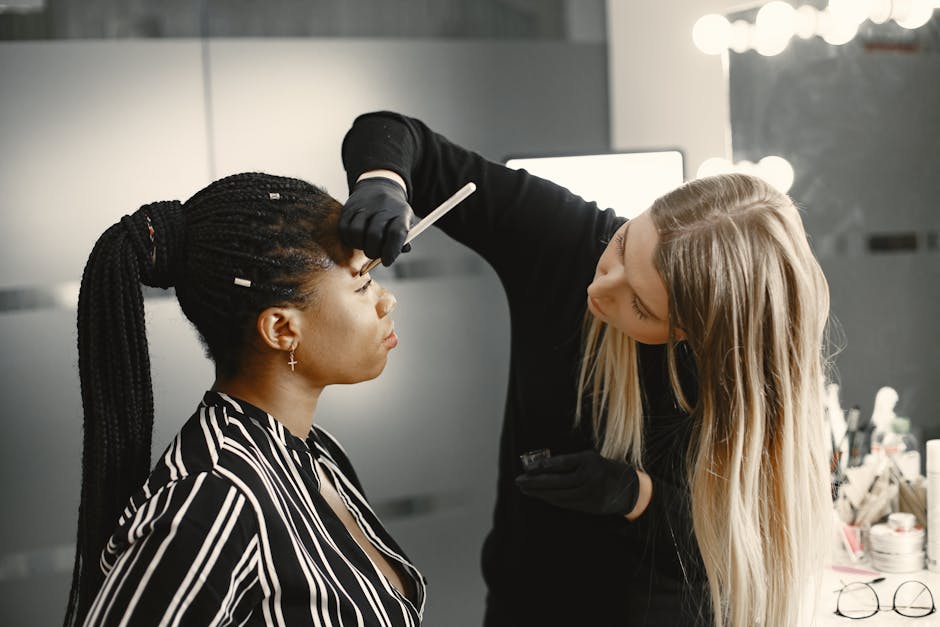
- Consultation is Key: For a new client, take five minutes for a proper consultation. Ask about their skin sensitivity, any allergies, and their previous waxing experiences (good or bad). This dialogue builds rapport and allows you to customize the service, for example, by choosing a specific type of wax for their skin type.
Mastering Your Technique and Tools of the Trade
This is where our technical skill truly shines. Even the most anxious client will relax when they feel they are in the hands of a confident, efficient, and technically proficient expert. Your technique is your greatest tool for minimizing pain.
Technique is Everything
Speed and efficiency come from practice, but precision is paramount from day one. Remember the fundamentals:
- The Three-Point Stretch: Never pull a strip without holding the skin taut. For large areas like legs or the back, use your free hand to create a firm, flat surface. For trickier areas like the bikini line, mastering the "three-point stretch" (using your thumb and forefinger of one hand, plus a finger from the other) is a non-negotiable skill for a clean, less painful pull.
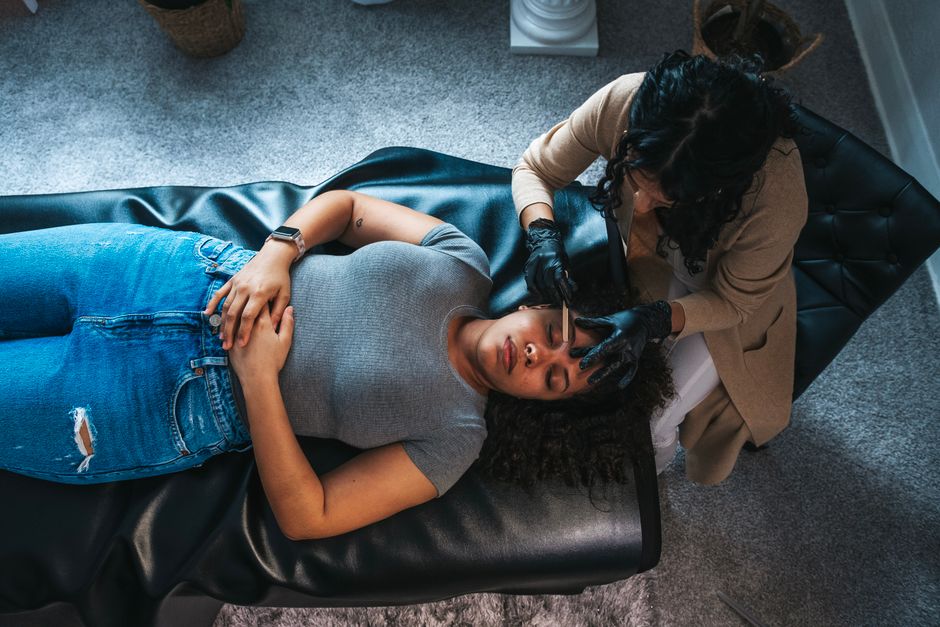
- Application and Removal: Apply your wax in the direction of hair growth and remove it swiftly, parallel to the skin—never upwards. Pulling up and away from the skin is what causes bruising and unnecessary pain. Immediately after removing the strip, apply firm but gentle pressure to the area with your hand. This simple neurological trick helps to overwhelm the nerve endings and instantly soothes the sting.
Choose Your Wax Wisely
The "one wax fits all" approach is a disservice to your clients. Your choice of product directly impacts their comfort level.
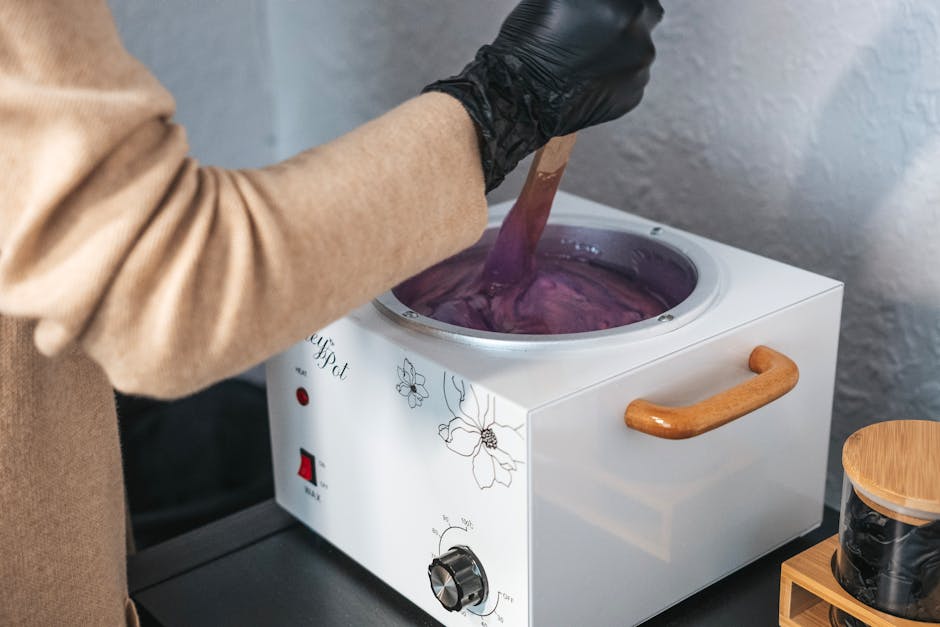
- Hard Wax for Sensitive Areas: For the face, underarms, and Brazilian waxes, a high-quality, low-temperature hard wax is your best friend. It shrink-wraps around the hair, not the skin, leading to significantly less discomfort. Look for flexible formulas with ingredients like titanium dioxide for a creamier texture or soothing extracts like chamomile.
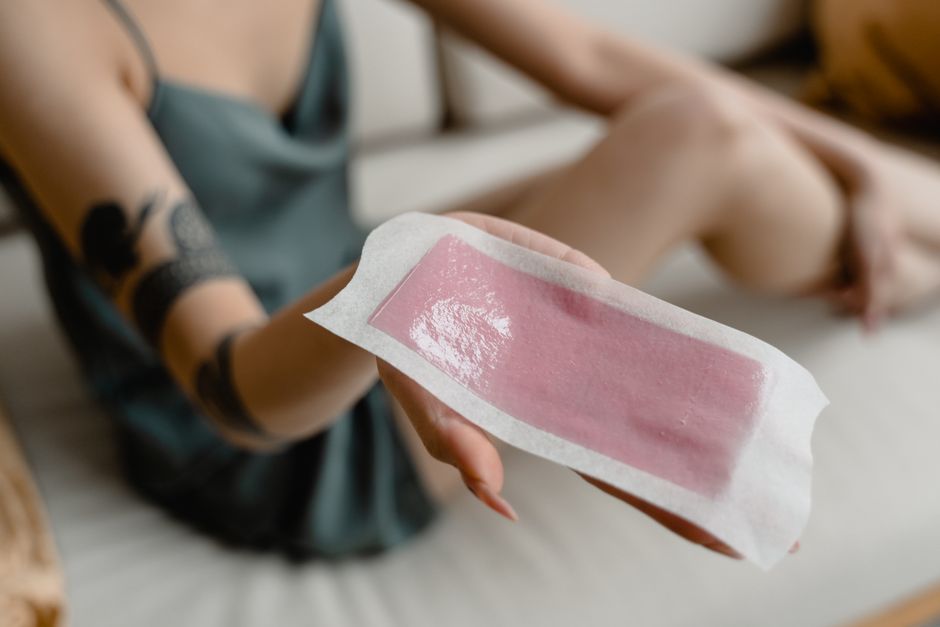
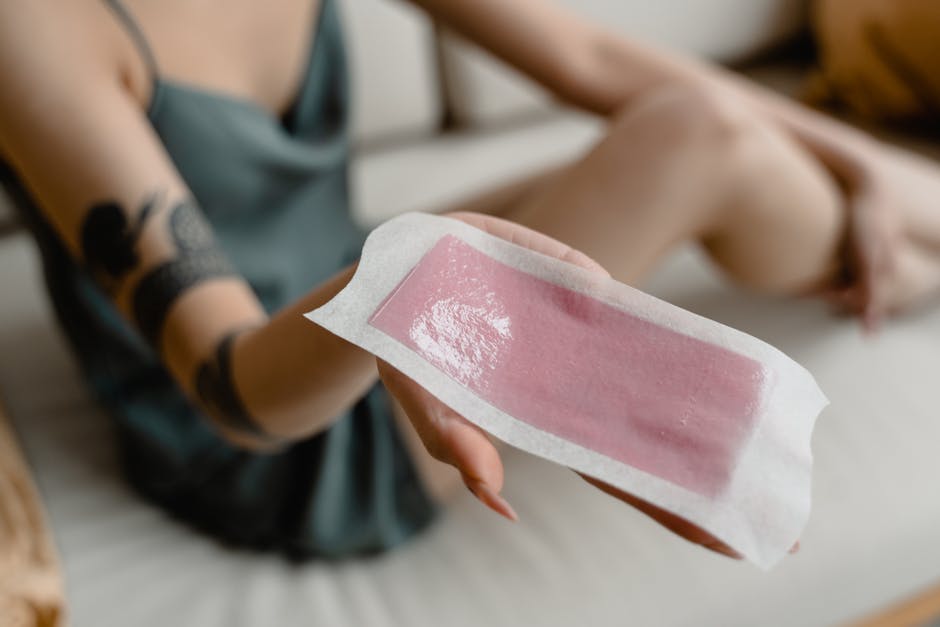
- Soft Wax for Large Areas: A good quality soft (strip) wax is perfect for efficiency on larger areas like legs, arms, and the back. Again, quality matters. Avoid waxes that leave a sticky residue, as the cleanup can cause further irritation.
Creating a Sanctuary: The Art of Environment and Distraction
I've trained hundreds of technicians, and I always tell them: your treatment room is your stage. The environment you create can either heighten a client's anxiety or lull them into a state of calm. This is the "art" part of our profession.
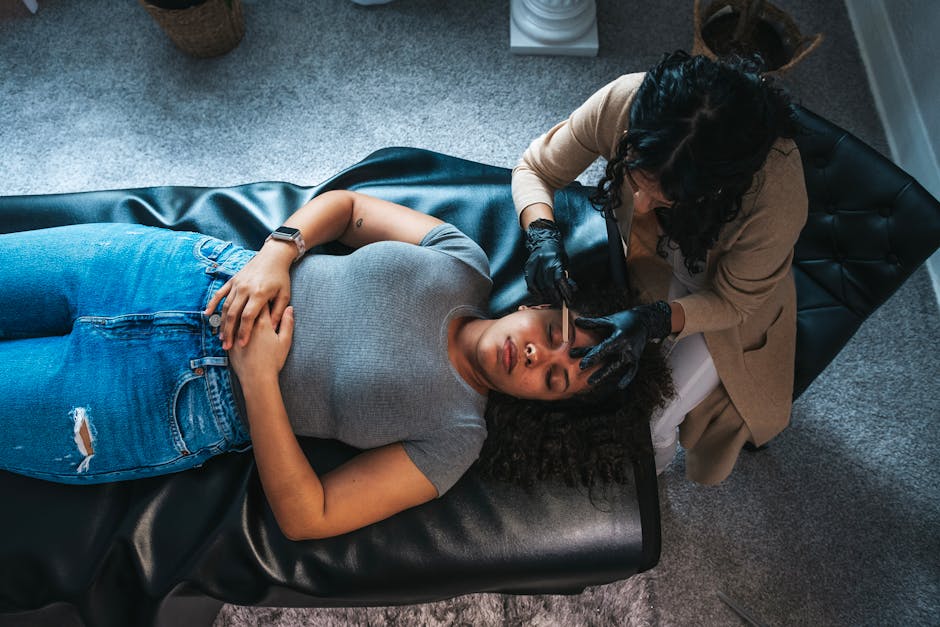
- Engage the Senses: Dim the lights. Play some calming, ambient music (not your personal Top 40 playlist). A subtle aromatherapy diffuser with lavender or ylang-ylang can work wonders to calm the nervous system. Ensure the room temperature is comfortable—no one wants to be cold and tense while getting waxed.
- The Power of Distraction: This is my secret weapon. Learn to read your client. If they seem chatty, engage them in a light conversation. Ask about their weekend plans, a show they're watching, or an upcoming holiday. When their brain is focused on telling you a story, it has less capacity to focus on the physical sensation. For quieter clients, simply explaining what you're doing and what to expect next can be a calming distraction in itself. "Okay, just one more strip on this section, take a deep breath in..."
The Post-Wax Protocol: Ensuring a Smooth Finish and Lasting Loyalty
The service isn't over when the last strip is pulled. The final few minutes are crucial for calming the skin, educating your client, and securing their next booking. This is how you build retention.
- Soothe and Calm: Immediately after the wax, remove any residue and apply a high-quality, post-wax oil or lotion. Look for products with anti-inflammatory and antiseptic ingredients like azulene, tea tree oil, or calendula to calm redness and prevent breakouts.
- Educate for Home Care: Provide clear, simple aftercare instructions. Advise them to avoid hot baths, saunas, heavy exercise, and tight clothing for the next 24 hours. This is also a perfect opportunity for retail. If you recommend a specific product for preventing ingrown hairs, have it available for them to purchase. It solves a problem for them and adds to your bottom line.
- Secure the Next Appointment: The best time to rebook is while the client is feeling smooth, fresh, and happy with their results. Recommend a 4-6 week follow-up for best results. A great booking system makes this effortless. For my own business, I rely on platforms that allow for easy rebooking right from my phone, and it’s a key reason my calendar stays full. Professionals looking to streamline this process can find powerful tools on REZVA's page for specialists to help manage their schedule and grow their business.
Ultimately, reducing client discomfort is a holistic process. It's a blend of technical mastery, premium products, and a genuine commitment to the client experience. When you master this, you're not just removing hair; you're building a reputation as the go-to expert that clients will trust and recommend for years to come.
Frequently Asked Questions
What's the best way to handle a client who is extremely anxious or has a very low pain tolerance?
Communication and patience are key. Start with a patch test on a less sensitive area, like the arm, to show them what it will feel like. Guide them through deep breathing exercises—inhale as you apply the wax, exhale sharply as you pull. You can also offer to take short breaks or work in smaller sections than you normally would. Reassurance and a calm demeanor on your part will make all the difference.
Should I recommend a pre-wax numbing cream?
I generally advise against over-the-counter numbing creams. They can sometimes interfere with the wax's ability to adhere to the hair and may create a false sense of security, leading the client to be surprised when the sensation isn't completely gone. A superior technique, quality hard wax, and the pressure-after-pull method are far more effective. If a client is insistent, they should consult their doctor about a prescription-strength topical anesthetic, but it's not something we should be applying or recommending as a standard.
How do I make a first-time Brazilian wax client feel more comfortable?
Privacy and professionalism are paramount. Clearly explain the process before you begin. Let them know they will be draped with a towel and you will only expose the small area you are working on at any given time. Use clear, clinical language. Instead of saying "spread your legs," try "please bring the soles of your feet together and let your knees fall to the side." Work efficiently but don't rush. Your calm, confident energy will set the tone and help them relax.
This article was produced with AI assistance and reviewed by REZVA.
- client comfort techniques
- professional waxing tips
- reducing waxing pain
- salon client experience
- esthetician business advice
- full body waxing
- client retention strategies
Take bookings for waxing online.
Clients book themselves from your profile and a deposit covers the no-shows. Free to start, no card. Founding members get Pro free for 12 months, then their price is locked.
98
spots left of 100
12
months of Pro, free
0%
commission on bookings