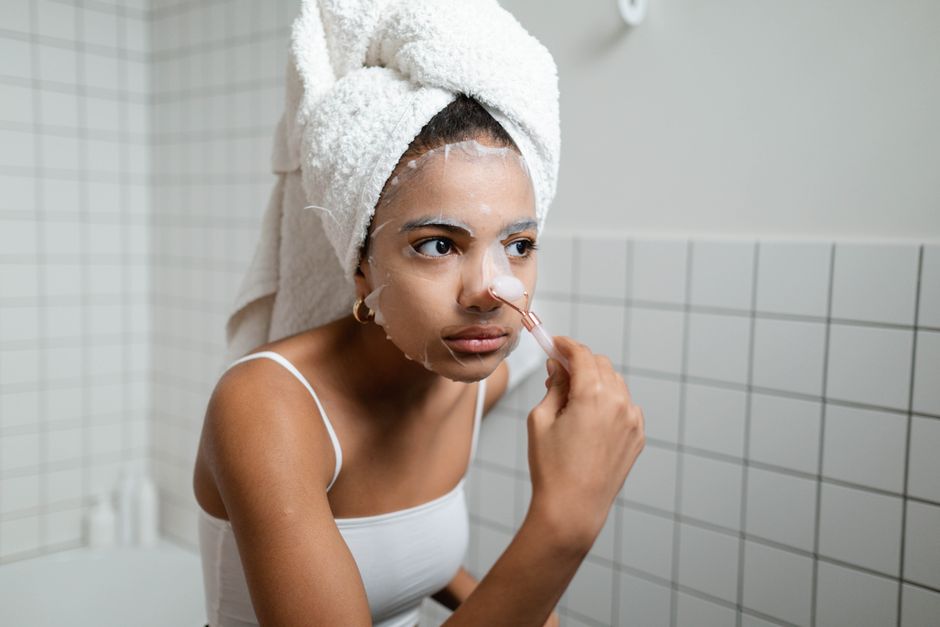
Why Follow-Up After Facials Wins Client Loyalty
Elevate your esthetician business by perfecting your post-facial aftercare communication. Boost retention, build authority, and increase revenue.
4 min read
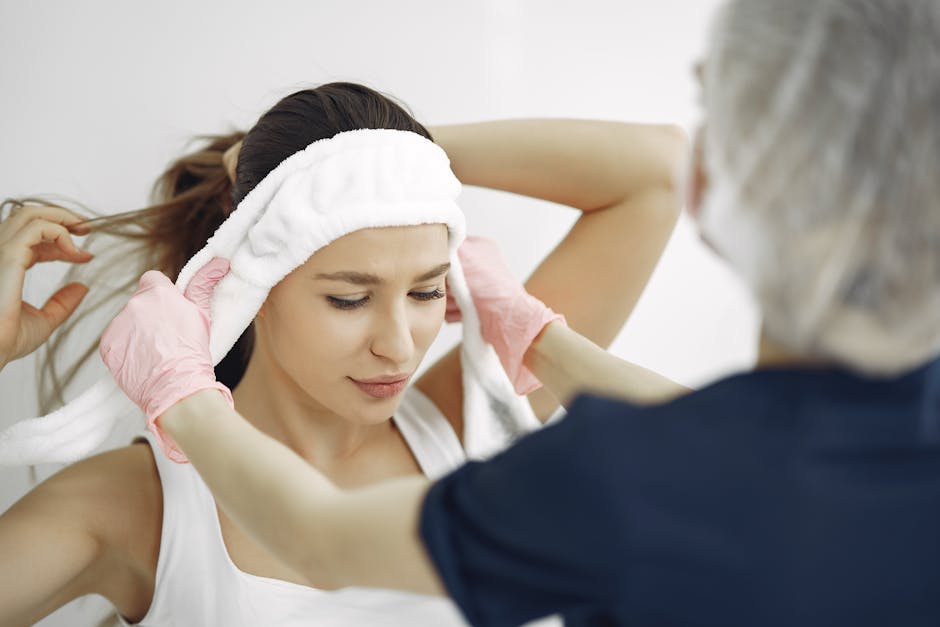
The Service Isn't Over When They Walk Out the Door
Hello, fellow professionals. Valentina here. Now, I know many of you associate my name with perfectly sculpted gel extensions and intricate nail art. While my hands are usually covered in glitter and builder gel, my mind is always focused on the bigger picture: the business of beauty. Over the years, I've learned that the principles of building a loyal clientele and a premium brand are universal, whether you're wielding a nail file or a high-frequency wand.
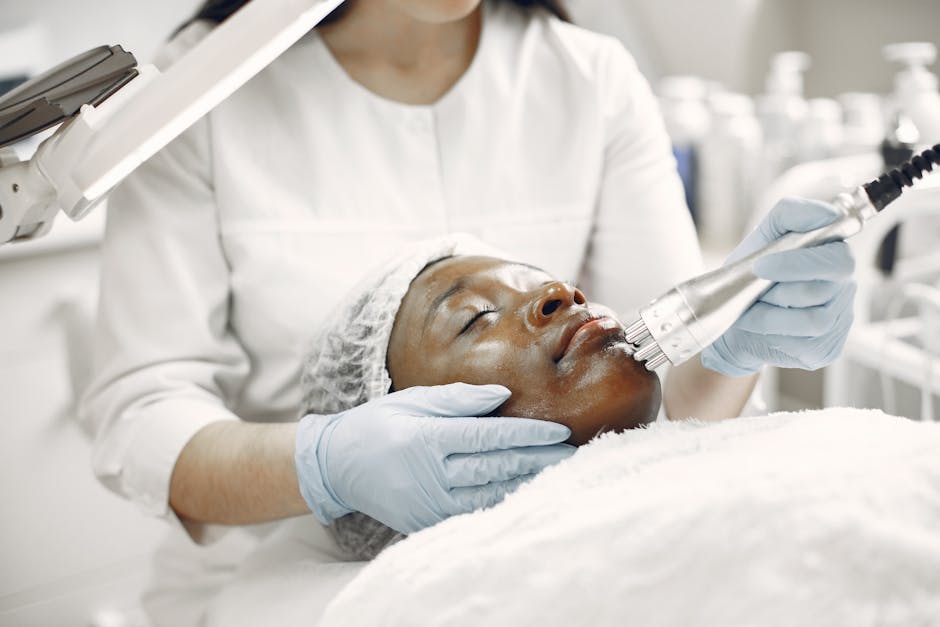
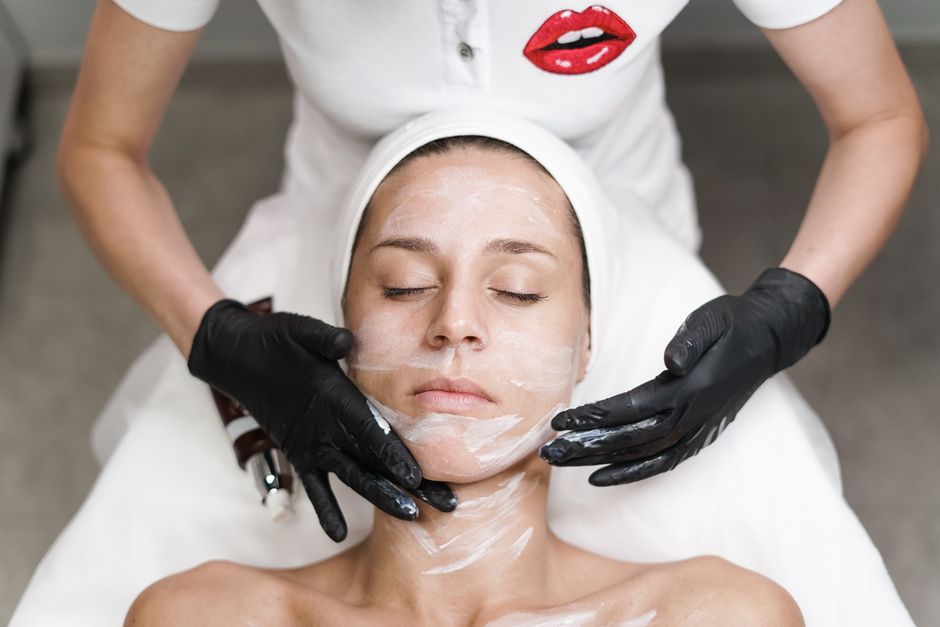
One of the most critical, yet often overlooked, aspects of our service is what happens after the client leaves. Specifically, let's talk about the follow-up for a deep cleansing facial. This isn't just a courtesy; it's a cornerstone of your business strategy. A fantastic facial can be undone by poor aftercare or, worse, no communication at all. Getting this right separates the good technicians from the unforgettable experts clients will book for years to come.
Why Aftercare Communication is Your Secret Business Weapon
Let’s reframe aftercare. It’s not a chore; it’s a multifaceted business tool. When you nail your follow-up communication, you are actively working on several key areas of your business simultaneously:
- Building Authority and Trust: When you proactively reach out with detailed, personalized advice, you reinforce your status as an expert. You're not just someone who performed a service; you are their trusted guide to skin health. This trust is the foundation of client loyalty.
- Enhancing Client Results (and Reducing Complaints): A deep cleansing facial can sometimes trigger purging or temporary redness. By managing expectations and providing clear instructions, you guide your client through this process. They see it as a planned part of their skin journey, not a "bad reaction." This dramatically reduces panicked calls and negative reviews.
- Creating Upsell and Retail Opportunities: The post-facial window is the golden hour for retail. The client has just invested in their skin and is highly motivated to maintain the results. Your follow-up is the perfect, non-pushy platform to recommend the specific products you used and explain why they are essential for their skin. It’s not selling; it’s professional prescribing.
- Securing the Next Booking: Effective follow-up naturally leads to the next appointment. By suggesting a timeline ("For your skin type, I’d recommend your next facial in 4-6 weeks to build on these results"), you plant the seed and make rebooking a logical next step, not an afterthought.
In my experience, clients who receive thoughtful follow-up care are at least 50% more likely to rebook within the recommended timeframe. It makes them feel valued and cared for, which is the core of our industry.
Crafting the Perfect Follow-Up: The What, When, and How
A generic, one-size-fits-all email won't cut it. Your communication needs to be strategic. Let's break down the core components.
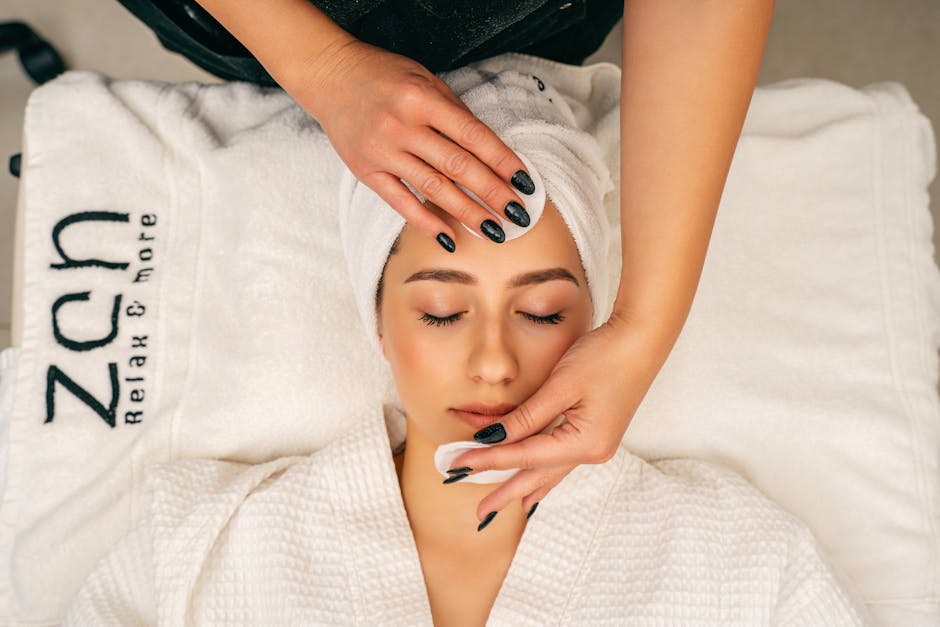
The Timing: The 24-Hour Rule
The ideal time to send your primary aftercare message is within 24 hours of the appointment. The experience is still fresh in the client's mind, and this is when initial questions or skin reactions might start to appear. A timely message shows you are attentive and proactive.
The Channel: A Multi-Pronged Approach
Don't rely on a single method. The best strategy combines immediate, tangible information with a digital follow-up.
- At the Appointment: Hand them a beautifully branded, simple instruction card. This is a physical reminder. It should cover the absolute essentials: avoid sun, no harsh exfoliants for 48-72 hours, stay hydrated. Keep it brief and visually appealing.
- The Digital Follow-Up (Email or SMS): This is where you provide the detail. Email is often better as it allows for more text and links without feeling intrusive. This is your main communication piece.
The Content: Your Expert Checklist
Your digital follow-up should be structured, personalized, and easy to digest. Use headings or bullet points. Here's what I recommend including:
- A Personal Greeting: "Hi [Client Name], it was a pleasure seeing you today for your deep cleansing facial!"
- Immediate Aftercare (The Next 24-48 Hours): Be specific. "Tonight, just a gentle cleanse with lukewarm water. Avoid steam, heavy workouts, and your active serums (like retinol or Vitamin C) for the next 48 hours to allow your skin to settle."
- Managing Expectations: This is crucial. "It's normal to experience some mild redness or even a small breakout (this is called 'purging' as we've cleared congestion) over the next couple of days. This is a sign the facial is working! Drink plenty of water to help the process."
- Personalized Product Recommendations: "To maintain your glow and target the congestion we discussed, I recommend incorporating the [Specific Product Name, e.g., 'Clear Skin Willow Bark Exfoliating Toner'] into your routine starting in 3 days. Use it [frequency, e.g., 'every other night'] to..." Link directly to the product on your webshop if you have one.
- Long-Term Care and Next Steps: "To continue making progress on your skincare goals, I recommend scheduling your next treatment in 4-6 weeks. This will allow us to build on today's results effectively."
- An Open Invitation for Questions: "If you have any questions at all, please don't hesitate to reply to this message. I'm here to help!"
Systemize and Scale: Smart Automation for a Personal Touch
When you're busy with back-to-back clients, how do you ensure every single person gets this level of detailed follow-up? The answer is smart systemization. This is where your business management platform becomes your most valuable employee.
Before the client even leaves, I make quick but detailed notes about their skin concerns, the products I used, and what we discussed. Using a robust platform is key here. A platform like REZVA keeps each client's visit history, notes, photos and formulas in one place, so every visit can feel personal.
Automation doesn't mean robotic. It means creating a reliable system that frees you up to add the personal touches that matter. You can set up a template for "Deep Cleansing Facial Aftercare" and spend just 30 seconds after the appointment personalizing the product recommendations and a small note before scheduling it to send the next day. It’s a game-changer for consistency and professionalism. Professionals looking to streamline these processes can learn more and get started on REZVA's dedicated page for specialists.
Conclusion: Turn a Single Appointment into a Lasting Relationship
Ultimately, a deep cleansing facial is more than a 60-minute service. It's the beginning of a conversation and a partnership in your client's skin health journey. By mastering your aftercare communication, you do more than just provide instructions; you build unwavering trust, demonstrate your elite expertise, and create a loyal client who feels genuinely cared for.
Stop thinking of aftercare as a post-script and start treating it as a strategic part of every service you offer. It costs you very little time, especially with the right systems in place, but the return in client retention, retail sales, and professional reputation is immeasurable.
Frequently Asked Questions for Professionals
How can I recommend products without sounding like I'm just trying to make a sale?
The key is education and prescription. Frame it as part of their treatment plan. Instead of saying, "You should buy this serum," say, "During your facial, I noticed some dehydration on your cheeks. The hyaluronic acid serum we used is perfect for addressing this at home. Using it daily will help prolong your results and prevent that tightness you mentioned." Connect the product directly to a problem you identified and are solving for them.
What's the best way to handle a client who messages you worried about a breakout after their facial?
Respond with empathy and expertise. First, validate their concern: "Thank you so much for reaching out, I understand it can be worrying to see new breakouts." Then, reassure and educate them: "This is very likely a positive sign of skin purging, which we briefly discussed. It means the deep congestion is coming to the surface. It should clear up within a few days. Please continue with the gentle aftercare we discussed and avoid picking." Offer to check in with them again in two days. This turns a potential complaint into a moment of trust-building.
Is it worth creating different aftercare templates for different types of facials?
Absolutely. A client who had a gentle hydrating facial has very different aftercare needs than one who had an intensive deep cleansing or a chemical peel. A platform like REZVA gives you a booking page that is open around the clock, so clients see your services and free times and book without messaging you. You can then make minor personalizations for each client, ensuring the advice is always relevant and specific.
This article was produced with AI assistance and reviewed by REZVA.
- facial aftercare advice
- client communication tips
- esthetician business strategy
- client retention techniques
- skincare professional guide
- salon management software
- post-treatment care
Take bookings for spa & wellness online.
Clients book themselves from your profile and a deposit covers the no-shows. Free to start, no card. Founding members get Pro free for 12 months, then their price is locked.
98
spots left of 100
12
months of Pro, free
0%
commission on bookings