A 5-Step Skincare Consultation That Converts Clients
Turn initial chats into loyal clients. My proven 5-step framework for a skincare consultation process that boosts bookings and retail sales.
4 min read
Hello, fellow pros! Priya here. Over my 12 years in the bridal and editorial world, I’ve learned a powerful truth: the most crucial 30 minutes you’ll spend with a client aren’t always during the treatment itself. They’re during the consultation. We’ve all been there—a great conversation that leads to a polite, "Thanks, I'll think about it," and then... crickets. Frustrating, isn't it?
A consultation isn't just a preliminary chat; it's the cornerstone of a long-term client relationship and a major revenue driver. It’s where you transform from a service provider into a trusted advisor. Shifting my mindset on this single process completely changed my business. Today, I want to share the five-step framework I’ve developed for a skincare consultation that not only educates and impresses but consistently converts prospects into loyal, high-value clients.
Step 1: The Pre-Consultation Blueprint: Setting the Stage
A successful conversion begins long before the client walks through your door. Your goal here is to gather information efficiently and establish your professionalism from the very first interaction. A clunky, paper-based process at the start of an appointment can create a rushed, disorganized feel.
This is where technology is our best friend. Your booking system should do the heavy lifting. A platform like REZVA gives you a booking page that is open around the clock, so clients see your services and free times and book without messaging you. This means your client can thoughtfully fill out their history, concerns, and goals on their own time.
Your intake form should cover:
- The Basics: Contact info, allergies, medications, and contraindications.
- Skin History: Past treatments (professional and at-home), reactions, and product history (ask for specific brands!).
- Lifestyle Factors: Questions about diet, water intake, stress levels, sleep patterns, and sun exposure.
- Primary Goals: Ask them to rank their top three concerns (e.g., acne, fine lines, hyperpigmentation, sensitivity). This is gold.
By reviewing this before they arrive, you walk into the consultation already equipped with key insights. You’re not starting from zero; you’re starting as the prepared expert they came to see.
Step 2: The Art of Active Listening & Deep Discovery
Once your client is in the chair, put the form aside for a moment and make a human connection. This part is less about you talking and more about you listening. Your goal is to understand the story behind their skin, not just the symptoms.
I call this the "Peel Back the Layers" technique. Go beyond the surface-level questions.
- Instead of "What's your skin type?" ask, "How does your skin feel when you wake up? And how does it feel at the end of the day?"
- Instead of "What products do you use?" ask, "Walk me through your current morning and evening routine, from start to finish. What do you love about it? What do you feel is missing?"
- Instead of "What are your concerns?" ask, "If we could wave a magic wand, what's the one thing you'd love to change about your skin's health or appearance?"
Paraphrase their answers back to them: "So what I'm hearing is, you're frustrated with that midday oiliness but also feel a tightness after you cleanse. Is that right?" This shows you’re truly hearing them and builds immense trust.
Step 3: The "Show, Don't Just Tell" Analysis
Now it’s time to merge their story with your professional expertise. This is where you put on your detective hat and use your tools to validate their concerns and uncover things they might not even see.
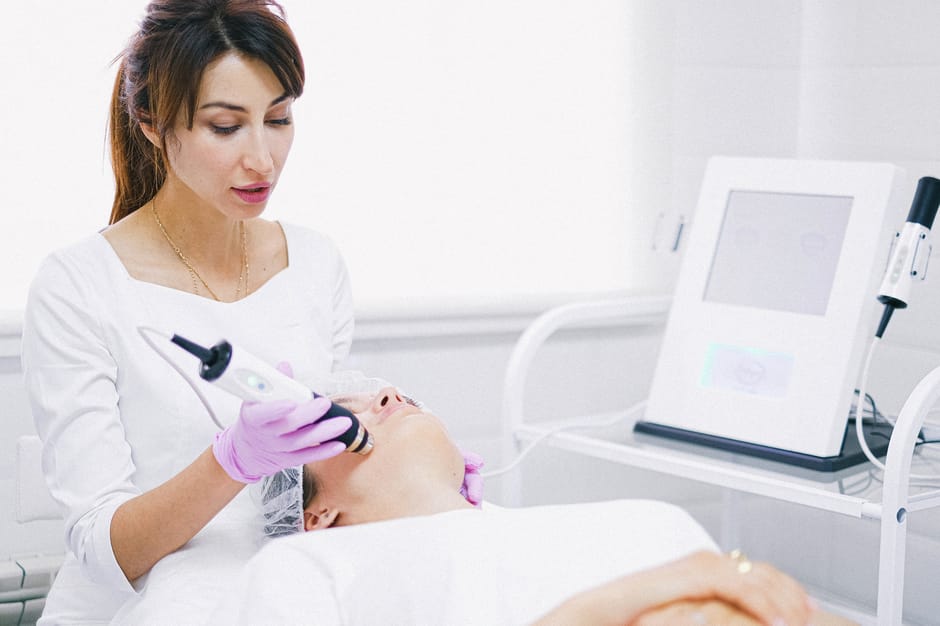
If you’re an esthetician, this is the moment for your professional tools. A Woods lamp is non-negotiable, in my opinion. Showing a client the underlying sun damage or areas of dehydration under the lamp is a powerful visual that speaks louder than any explanation. A skin scope or moisture reader can also provide tangible data that builds your credibility.
As you analyze, narrate what you’re seeing in clear, simple terms. Avoid overly technical jargon. Connect your findings directly back to what they told you in the discovery phase.
Example: "Remember how you mentioned your skin feels tight? Looking here under the light, I can see some surface dehydration, which is exactly why you're feeling that pull. We also see some congestion around the chin, which links back to what you said about hormonal breakouts."
This "Aha!" moment is where the client starts to see you as the solution to their long-standing problems.
Step 4: Crafting the Bespoke Action Plan
This is the pivotal moment of conversion. Don't just recommend a facial. Present a comprehensive, yet manageable, Action Plan. I like to break it down into two parts:
- Professional Treatment Plan: Based on your analysis, recommend a series of treatments. Don't just name a service; explain the benefit. "I recommend we start with a series of three custom enzymatic peels, spaced four weeks apart. This will gently accelerate cell turnover to begin lifting that hyperpigmentation we saw and smooth out your skin texture." Frame it as a journey you'll be on together.
- At-Home Care Prescription: This is your chance to drive retail sales, which are crucial for business stability. Recommend 2-3 "must-have" products to start. Don't overwhelm them with a 10-step routine. Focus on the foundational items that will support the professional treatments. Explain why each product is essential. "This Vitamin C serum is non-negotiable for you. It will protect your skin from further sun damage and actively work on brightening those spots between your treatments with me."
Write it all down on a branded prescription pad or send a polished digital summary. This feels professional and gives them a tangible takeaway.
Step 5: Closing with Confidence & Creating Urgency
You’ve built trust and demonstrated immense value. Now, you must guide them to the next step. The key is to be confident, not pushy.
Present the plan with pricing clearly laid out. I find that offering a small discount for booking a series of treatments or purchasing a product bundle on the day of the consultation is highly effective. It creates a gentle sense of urgency and rewards commitment.
Use confident, guiding language:
- "My schedule for next month is filling up. Shall we get your first treatment booked in now to make sure you get a spot that works for you?"
- "We can get you started on this cleanser and serum today, so your skin is perfectly prepped for your first peel in two weeks. I have them right here for you."
If they hesitate, be ready to address it. Is it budget? Offer a slightly modified plan. Is it time? Explain the long-term benefits of the investment. The confidence you have in your plan will be contagious.
Your Consultation Is Your Competitive Edge
In an industry full of talented artists and technicians, your consultation process is what sets you apart. It’s how you build a book of loyal clients who not only return for services but also become your biggest advocates and a steady source of retail income. By systemizing your approach—from the initial booking to the final recommendation—you transform a simple chat into your most powerful conversion tool.
Remember, we’re not just providing services; we're solving problems and building confidence. A masterful consultation is the first, most important step in that incredible journey.
Frequently Asked Questions
Should I charge for a standalone skincare consultation?
Absolutely. Your time and expertise are valuable. I recommend offering a paid 30-minute consultation and then allowing the client to apply that fee as a credit toward any service or product bundle purchased on the same day. This filters for serious clients and ensures you are compensated for your knowledge, even if they don't book immediately.
How do I handle a client who is resistant to product recommendations?
First, seek to understand their hesitation. Is it budget? Have they had a bad reaction in the past? Listen to their concerns without getting defensive. Focus on the one most critical product for their goals. You can say, "I completely understand. If you're going to make just one change to your routine that will make the biggest impact, it would be this professional-grade SPF. It's the best way to protect the investment you're making in your treatments." Education overrules a hard sell every time.
How long should a thorough consultation last?
For a new client, I block out 30-45 minutes. This includes the face-to-face discovery, the hands-on analysis, crafting the plan, and discussing the next steps. It may seem like a lot of unpaid time upfront (if you don't charge), but the lifetime value of a client converted through this process far outweighs the initial time investment.
What's the best way to follow up after a consultation if they don't book on the spot?
If you've gathered their email through your booking system, send a follow-up email within 24 hours. Thank them for their time, attach a digital copy of their recommended Action Plan, and end with a no-pressure call to action: "I'm excited about the results we can achieve together. Here's the link to book your first treatment when you're ready." A single, professional follow-up is perfect; anything more can feel pushy.
This article was produced with AI assistance and reviewed by REZVA.
- skincare consultation process
- client conversion strategies
- esthetician business tips
- beauty business growth
- client relationship management
- professional skincare advice
- increasing retail sales
Take bookings for spa & wellness online.
Clients book themselves from your profile and a deposit covers the no-shows. Free to start, no card. Founding members get Pro free for 12 months, then their price is locked.
98
spots left of 100
12
months of Pro, free
0%
commission on bookings