How to Explain Deep Cleansing Facials So Clients Rebook
Unlock better results and client loyalty. Learn how to effectively educate your clients on the deep cleansing facial process, from prep to aftercare.
4 min read
The Difference Between a Good Facial and a Great One? Education.
We’ve all been there. A new client books a "deep cleansing facial," arriving with the expectation that we will simply steam their face and squeeze every visible pore into submission. They see it as a one-time fix, a magical reset button for weeks of neglect. But as professionals, we know the truth: a deep cleansing facial is a sophisticated, multi-step treatment process. Its success isn’t just about what happens in our treatment room—it's profoundly influenced by the client's understanding and participation.
For years, I've seen that the most dramatic transformations and the most loyal clients come from a partnership built on knowledge. When we shift our role from just a service provider to an expert educator, we do more than just improve skin. We build trust, manage expectations, increase retail sales, and solidify our reputation as the go-to expert in our field. This article is about moving beyond the mechanics of the facial and mastering the art of client education to elevate your outcomes and your business.
Setting the Stage: The Pre-Treatment Consultation
The education begins the moment your client sits down for their consultation, long before the first cleanse. This is your opportunity to reframe their understanding of the service and establish yourself as a knowledgeable partner in their skin health journey.
Demystifying the "Deep Cleanse"
First, let's break down the terminology. I make it a point to move the conversation away from "pore cleaning" and toward more accurate, beneficial language. I explain that a professional deep cleansing facial is a process of:
- Professional Exfoliation: Removing the buildup of dead skin cells that clog pores and cause dullness. I’ll specify whether I plan to use an enzymatic peel, a gentle AHA/BHA solution, or ultrasonic exfoliation based on their skin analysis.
- Detoxification and Softening: Using steam and enzymatic products to soften the hardened sebum (plugs) within the pores, which allows for safer, more effective extractions.
- Gentle Extractions: The careful, hygienic removal of comedones (blackheads and whiteheads) that are ready to be extracted, minimizing trauma to the skin.
- Balancing and Healing: Applying targeted serums, masks, and modalities like High Frequency to kill bacteria, reduce inflammation, and begin the healing process.
By using professional language and explaining the purpose of each stage, you immediately elevate the perceived value of the treatment beyond simple "squeezing."
Managing Expectations About Results and Reactions
This is perhaps the most critical part of the consultation. Be honest and clear about what they can expect, both immediately and in the days following the treatment. I often use the analogy of a personal trainer: "You wouldn't expect to have a perfect physique after one gym session, right? It's the same with your skin. Today is a powerful workout, and consistent home care and future treatments are what will create lasting change."
It's also essential to discuss the possibility of temporary redness or purging. Frame it positively: "Because we are stimulating the skin and encouraging it to detoxify, you might see some minor breakouts in the coming days. This is actually a good sign—it means we're successfully purging underlying congestion that was going to come out eventually. We're just speeding up the process to get you to clearer skin faster."
The Art of "Show and Tell" During the Treatment
While some clients prefer to zone out completely, many appreciate a quiet, confident narration of the process. This isn't about constant chatter; it's about strategically highlighting key moments to reinforce the value of your work. Think of yourself as a docent in a museum, pointing out the most important features of the masterpiece you're creating.

Explaining the Tools of the Trade
When you introduce a piece of technology, take a moment to explain its function in simple, benefit-driven terms. This demystifies the process and showcases your investment in advanced skincare.
- When using an ultrasonic skin scrubber: "I'm now using this ultrasonic device. It uses high-frequency vibrations to gently push out impurities from your pores and exfoliate the surface. It’s much more gentle and thorough than a scrub."
- When using a high-frequency wand after extractions: "You'll hear a little buzzing sound now. This is a high-frequency wand, which creates enriched oxygen. This is fantastic for killing any acne bacteria on the surface and helps to calm any redness from the extractions."
Ingredient Spotlights
Don't just apply a product—introduce it. When you apply a mask or serum, briefly explain why you chose that specific formula for their skin. This personalizes the experience and plants a seed for a potential retail sale later.
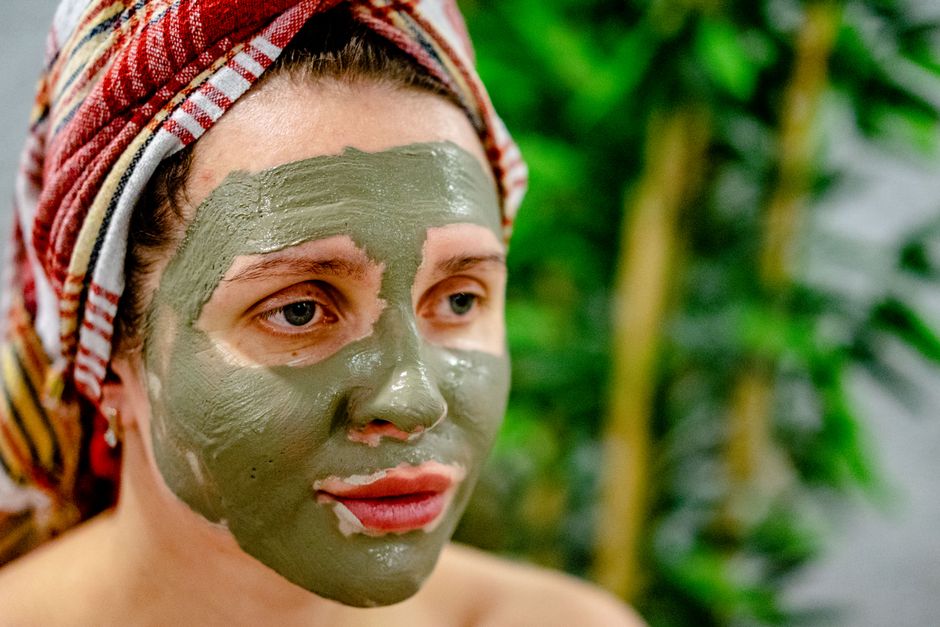
For example: "I've chosen a clay mask with salicylic acid for your t-zone. The clay will help absorb excess oil, while the salicylic acid, which is oil-soluble, can penetrate into the pores to dissolve sebum. On your cheeks, which are a bit drier, I'm using a hydrating gel mask with hyaluronic acid to restore balance."
The Post-Treatment Handoff: Empowering Clients with Aftercare
The facial doesn't end when the client gets off the table. The next 48-72 hours are crucial, and your guidance is what ensures they protect their investment and see the best possible results.
Beyond "Don't Touch Your Face"
Vague instructions are easily forgotten. Provide clear, concise, and actionable aftercare advice. I recommend having this printed on a small card or ready to send as a digital follow-up. Always explain the "why" behind each instruction.
- INSTEAD OF: "Avoid the sun."
- TRY: "Your skin has been freshly exfoliated, making it more sensitive to UV damage. Please be diligent about applying a broad-spectrum SPF 30 or higher for the next few days to protect it."
- INSTEAD OF: "Don't use harsh products."
- TRY: "Please skip any retinols, acid exfoliants, or scrubs for the next 3-5 days. We've already done the deep exfoliation here today, and your skin needs time to rest and regenerate."
Managing these communications and keeping track of each client's specific needs can be a challenge, especially as your business grows. A platform like REZVA keeps each client's visit history, notes, photos and formulas in one place, so every visit can feel personal. A professional system for booking and communication builds client confidence from their very first interaction with your brand.
Bridging the Gap to Home Care
The post-treatment discussion is the most natural and effective time to recommend home care. You're not just "selling"—you're providing a solution to maintain and enhance the results you just worked so hard to achieve. Frame it as a prescription for skin health.
"We made excellent progress today in clearing out congestion. To keep your pores clear between treatments, I highly recommend this BHA serum. Using it 3-4 times a week will prevent the sebum from hardening again, making your next facial even more effective."
Conclusion: From Technician to Trusted Advisor
Educating your clients about the deep cleansing facial process is the single most powerful tool for transforming your practice. It turns a transactional service into a collaborative journey. An educated client is one who understands the value of your expertise, adheres to aftercare, invests in recommended products, and rebooks consistently. They don't just see you as someone who cleans their pores; they see you as their trusted advisor for skin health. By investing a few extra minutes in communication, you build a more resilient business, achieve superior results, and solidify your place as a true professional in a crowded industry.
Frequently Asked Questions
How do I educate a client who seems uninterested or just wants to relax?
Respect their desire for quiet time. You can condense the education into two key moments: the initial consultation and the post-treatment summary. During the consultation, set the stage and manage expectations. Then, let them relax during the service. At the end, provide a brief but impactful summary: "Your skin responded beautifully to the enzyme peel. I've sent the aftercare tips to your email. When you're ready, I'd love to show you the one serum that will make a huge difference in maintaining these results."
What's the best way to explain potential "purging" without scaring the client?
Language is everything. Avoid negative words like "breakout." Instead, use positive, active terms like "purging," "detoxifying," or "clearing out." Frame it as a productive, temporary step on the path to their goal. Reassure them: "It's a sign that the treatment is working on a deep level to clear underlying congestion. It's temporary, and it's much better to get it out now so we can move forward toward consistently clear skin."
My clients often say professional products are too expensive. How do I handle this objection?
Focus on value and efficacy, not just price. Explain the concept of "cost per use." Professional products are highly concentrated, so a smaller amount is needed compared to drugstore alternatives. You can say, "I understand the initial investment seems higher, but this serum contains a much higher percentage of active ingredients, so you'll only need 2-3 drops per use. This bottle will likely last you 3-4 months, and it's formulated to deliver real results and protect the investment you made in today's treatment."
This article was produced with AI assistance and reviewed by REZVA.
- client education techniques
- deep cleansing facial protocol
- esthetician business tips
- improving facial outcomes
- client consultation skills
- professional skincare advice
- building client loyalty

Take bookings for spa & wellness online.
Clients book themselves from your profile and a deposit covers the no-shows. Free to start, no card. Founding members get Pro free for 12 months, then their price is locked.
98
spots left of 100
12
months of Pro, free
0%
commission on bookings