Beyond Technique: How to Master Client Comfort During Brazilian Waxes
Elevate your waxing services by mastering techniques that reduce client discomfort. Learn pro tips on communication, technique, and environment for better results.
4 min read

The Silent Business Killer: Client Discomfort
We’ve all seen it. The white-knuckled grip on the side of the table, the sharp intake of breath, the nervous questions. For many clients, a Brazilian wax is a necessary evil, something to be endured rather than experienced. As professionals, we often focus so much on the technical aspects—achieving that perfectly clean result—that we can overlook the single most important factor in client retention: comfort.
In my years in the grooming industry, I've learned that the specialists who build unshakable loyalty are the ones who master the art of minimizing pain and anxiety. A technically perfect wax that was agonizing will rarely get you a rebooking. But a great wax that was surprisingly manageable? That’s how you build a reputation that commands premium pricing and a waitlist of clients. Let’s break down how we, as industry pros, can transform the Brazilian wax from a dreaded appointment into a trusted, professional service.
It Starts Before They’re on the Table: Pre-Appointment Strategy
The foundation for a comfortable wax is laid long before the client even walks through your door. Your professionalism and preparation can alleviate a significant amount of their pre-appointment anxiety.
The Power of Proactive Communication
First-time clients, and even some regulars, don't know what they don't know. It’s our job to educate them. Clear, concise pre-appointment instructions are non-negotiable. This includes:
- Hair Length: Specify the ideal length (about the size of a grain of rice) and advise against shaving between appointments.
- Exfoliation: Recommend gentle exfoliation 24-48 hours before their visit to free trapped hairs.
- What to Avoid: Instruct them to skip lotions, oils, and deodorants in the area on the day of the service. Also, advise them to avoid caffeine and alcohol, which can heighten skin sensitivity.
- What to Wear: Suggest loose, comfortable cotton clothing for their appointment to prevent irritation afterward.
Managing this communication manually can be a headache, especially as you get busier. This is where a solid business platform becomes a game-changer. A platform like REZVA lets clients book 24/7 from your page and can send them an email reminder before the appointment. It ensures every client gets the right information at the right time, setting you both up for success. Professionals looking to streamline this process can explore how to build their business on REZVA's dedicated page for specialists.
The Intake Form as an Intelligence Tool
Your intake form shouldn't just be a liability waiver. It’s your first diagnostic tool. Ask about skin sensitivity, allergies, and any medications they’re taking (like Accutane or retinoids) that could contraindicate waxing. This is also your chance to ask, "Have you been waxed before? What was your experience like?" The answer to that question gives you a roadmap to their anxieties and expectations.
Technique, Temperature, and Tools of the Trade
Once the client is in the room, your technique takes center stage. This is where skill and product choice make all the difference between a painful ordeal and a surprisingly smooth process.
Hard Wax is Your Best Friend
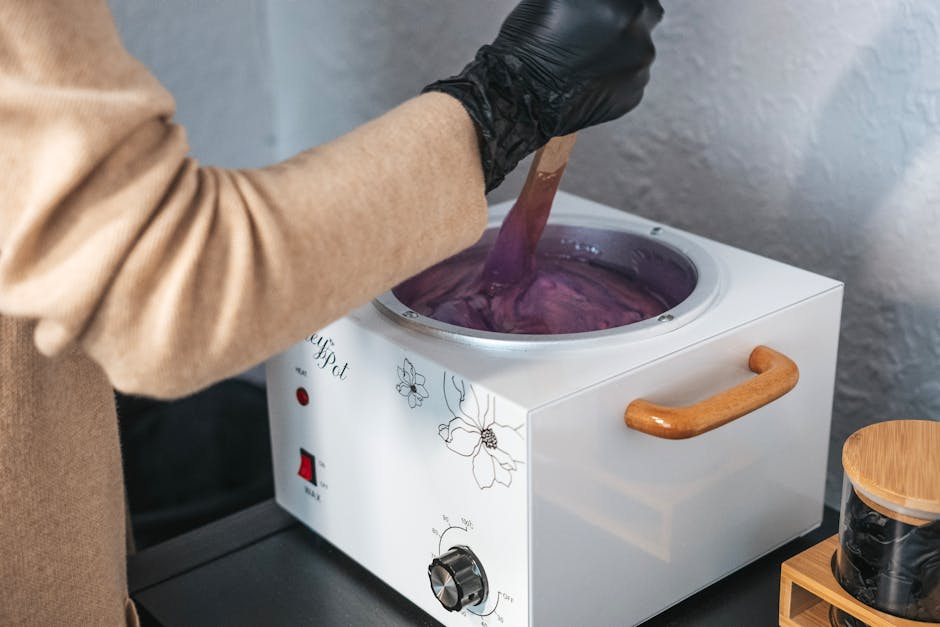
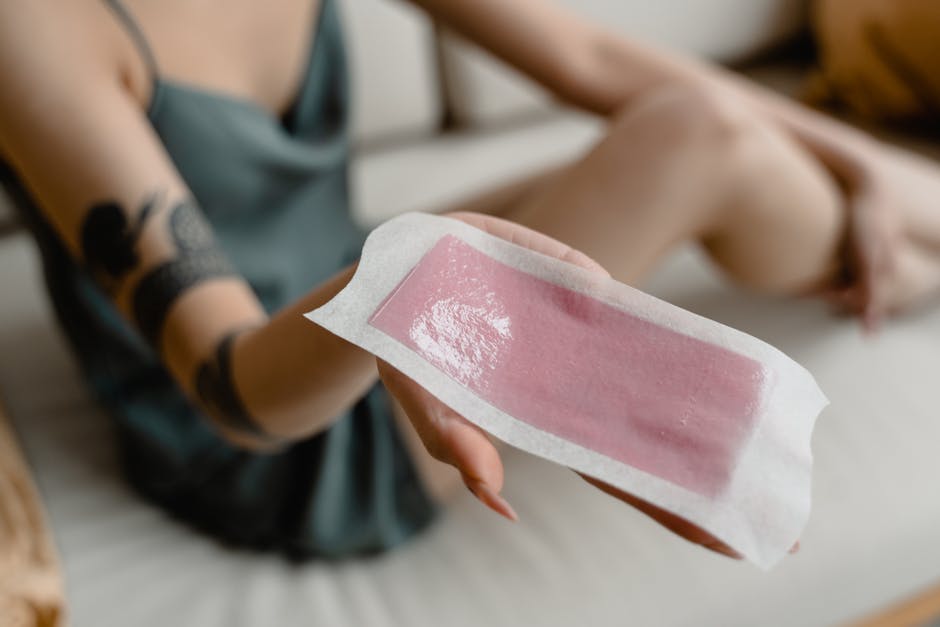
While soft wax (strip wax) has its place, for the sensitive and intricate bikini area, a high-quality hard wax is superior. Hard wax adheres to the hair, not the skin, which significantly reduces pain and irritation. It shrink-wraps around the hair as it cools, making it more effective on coarse, stubborn hair with less trauma to the epidermis. Invest in a premium, flexible, low-temperature hard wax. It’s a higher product cost, yes, but the client experience it delivers pays for itself in loyalty and referrals.
The Three T’s of Application & Removal
- Temperature: Wax that is too hot will not only burn the client but will be too thin to grab the hair effectively. Wax that is too cold will be brittle and crack upon removal, leading to an incomplete and painful pull. Aim for a smooth, honey-like consistency. Always test the temperature on your own inner wrist before applying it to your client.
- Tautness: This is arguably the most critical part of the pull. The skin must be held as taut as possible. Use your free hand to stretch the skin in the opposite direction of the pull. For softer areas like the labia or upper thigh, you may need to ask the client to assist in holding their skin. Proper stretching prevents lifting the skin, which is a primary source of pain and potential bruising.
- Technique: Work in small, manageable sections. Don't try to be a hero and remove a massive patch at once. Apply the wax in the direction of hair growth and create a thicker "lip" at the end of your strip to grip for removal. Pull parallel to the skin, never up and away from it. As soon as you pull the strip, immediately apply firm pressure to the area with the palm of your hand. This simple act of compression helps to overwhelm the nerve endings, providing instant relief.
The Psychology of Comfort: Crafting a Calming Environment
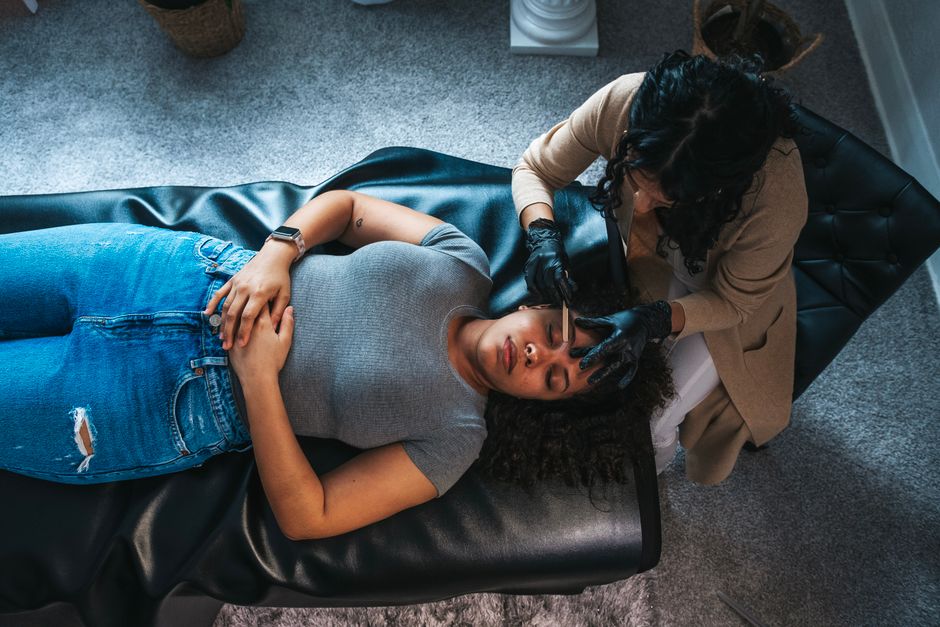
A client’s perception of pain is directly linked to their level of anxiety. As a service provider, you are in complete control of the environment and can actively work to lower their stress levels.
Start with the basics: your room should be clean, private, and at a comfortable temperature. Soft, ambient lighting is more relaxing than harsh, clinical fluorescent lights. Consider playing calming, instrumental music. Some of my colleagues even offer clients headphones to listen to their own music or a podcast.
Your demeanor is paramount. Be confident, calm, and professional. Explain what you're doing before you do it. For example, "Okay, I'm going to apply the wax to the front section now. It will feel warm." This removes the element of surprise.
Most importantly, teach them how to breathe. It sounds simple, but it’s incredibly effective. Coach them through it: "We're going to do this together. Take a deep breath in as I lay the strip down... now, blow it all out as I pull." Coordinating the pull with their exhale distracts the brain and prevents them from tensing their muscles, which makes the hair release more easily.
The Final Touch: Post-Wax Care and Client Education
The service isn’t over when the last strip is pulled. The final few minutes are crucial for soothing the skin and reinforcing your expertise.
After you’ve tweezed any stray hairs, apply a high-quality, post-wax calming oil or serum. Look for products with ingredients like azulene, chamomile, or tea tree oil to calm inflammation and prevent bacteria. Explain what you're using and why.
Before they leave, reiterate the post-care instructions: no hot baths, saunas, intense exercise, or tight clothing for at least 24 hours. This is also the perfect opportunity to recommend retail aftercare products, like a good exfoliating serum, to prevent ingrown hairs. This not only helps your client but also adds a valuable revenue stream to your business.
Finally, encourage them to book their next appointment in 4-6 weeks. Explain that waxing regularly makes the process significantly less painful over time as the hair grows back finer and the roots weaken. This positions you as a long-term partner in their grooming routine, not just a one-off service provider.
By focusing on these four pillars—preparation, technique, environment, and education—you can transform your Brazilian wax service. You’ll be doing more than just removing hair; you’ll be building trust, creating loyalty, and establishing yourself as the go-to expert that clients are willing to pay a premium for.
Frequently Asked Questions for Professionals
What's the best type of hard wax for ultra-sensitive clients?
For clients with very sensitive or reactive skin, look for a hypoallergenic, synthetic resin (rosin-free) hard wax. These formulas are designed to be extra gentle and are less likely to cause allergic reactions. Waxes infused with titanium dioxide or other skin-calming ingredients like chamomile or lavender can also provide a more comfortable experience by creating a creamy buffer between the wax and the skin.
How do I handle a client who is extremely nervous or has a very low pain tolerance?
Communication and patience are key. Start with a thorough consultation to let them voice their concerns. During the service, work in even smaller patches than usual and give them a moment between strips. Use the breathing techniques mentioned above and maintain a calm, reassuring dialogue. Sometimes, starting with a less sensitive area like the top or sides can help build their confidence before moving to the more delicate areas. Never rush; their trust is your priority.
Are numbing creams a good idea to recommend to clients?
This is a tricky one. While some clients swear by them, topical numbing creams can sometimes create a barrier on the skin that interferes with the wax's ability to adhere properly to the hair. This can lead to breakage and the need for re-waxing the same spot, which ultimately causes more irritation. If a client insists, advise them to apply it 30-45 minutes before the appointment and to wipe the area thoroughly clean before you begin the service. As a professional, it's generally better to rely on your technique and quality products rather than external numbing agents.
This article was produced with AI assistance and reviewed by REZVA.
- brazilian wax techniques
- client comfort strategies
- esthetician business tips
- professional waxing advice
- pain management for waxing
- salon client experience
- hard wax vs soft wax
Take bookings for waxing online.
Clients book themselves from your profile and a deposit covers the no-shows. Free to start, no card. Founding members get Pro free for 12 months, then their price is locked.
98
spots left of 100
12
months of Pro, free
0%
commission on bookings