Beyond Technique: Elevating the Client Experience in Leg Waxing
Practical strategies for estheticians to minimize client discomfort during full leg waxes, boosting client retention and positive reviews.
5 min read
The Unspoken Hurdle: Mastering Client Comfort in Leg Waxing
Let’s be honest with each other. For many clients, the phrase “full leg wax” is synonymous with one word: pain. As professionals, we know the results are worth it—smooth, hair-free skin for weeks. But the apprehension clients feel before and during the service is a major hurdle. It can be the deciding factor between a one-time visit and a loyal, recurring client who sings your praises to their friends.
Over my years as an esthetician, I've learned that a successful waxing service isn't just about efficient hair removal. It’s about creating an experience. It’s about building trust and demonstrating a level of care that transforms a dreaded chore into a manageable, even positive, self-care ritual. Minimizing discomfort is not just a courtesy; it's a powerful business strategy that directly impacts your retention rates, referrals, and bottom line. Today, I want to share the techniques and strategies I’ve honed to make the full leg wax a service clients book with confidence, not fear.
The Foundation: Pre-Appointment Prep and Communication
A comfortable wax begins long before the client is on your table. Proactive communication and proper preparation set the stage for a smoother, less painful experience. This is where you establish your expertise and show the client you’re invested in their well-being.
Educate to Empower
Never assume a client knows how to prepare. Even regulars can forget the basics. Your role is to guide them with clear, concise instructions:
- Exfoliation is Key: Advise clients to gently exfoliate their legs 24-48 hours before their appointment. This removes dead skin cells, allowing the wax to grip the hair more effectively and reducing the risk of ingrowns.
- Hydration, Not Greasiness: Remind them to moisturize well in the days leading up to the wax, but to arrive for their appointment with clean, dry skin, free of any lotions or oils.
- Hair Length Matters: The ideal length is about a quarter of an inch (the size of a grain of rice). Too short, and the wax won't grip; too long, and it can cause more discomfort.
- Lifestyle Tips: Suggest they avoid stimulants like caffeine or alcohol for several hours beforehand, as these can increase skin sensitivity and blood flow. Also, advise them to schedule their appointment for a week after their menstrual cycle, when pain tolerance is generally higher.
My Business Tip: Don’t leave this to chance. Create a simple, professional pre-wax care guide. This can be an email template you send out upon booking or a downloadable PDF on your website. It’s a small touch that makes a huge difference. For those of us using business management platforms, this is incredibly easy to automate. A platform like REZVA lets clients book 24/7 from your page and can send them an email reminder before the appointment. It’s a simple way to elevate your service and build your professional brand.
Mastering In-Treatment Techniques for Maximum Comfort
Once the client is in your treatment room, your technique is paramount. Every move you make can either increase or decrease their discomfort. This is where your skill truly shines.
Choose Your Tools Wisely
The "best" wax is often a matter of preference, but understanding your options is critical. For a full leg wax, I typically use a combination:
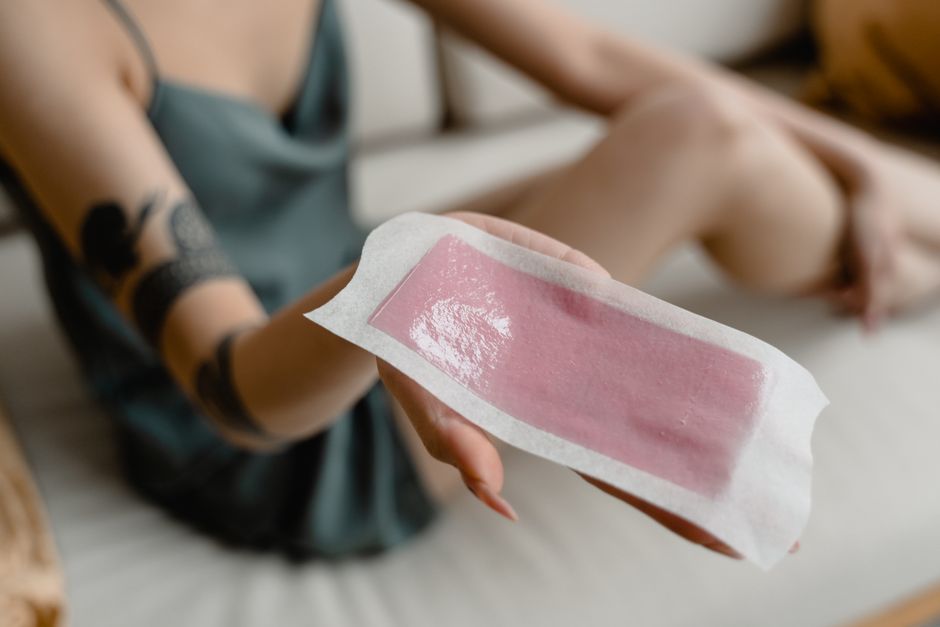
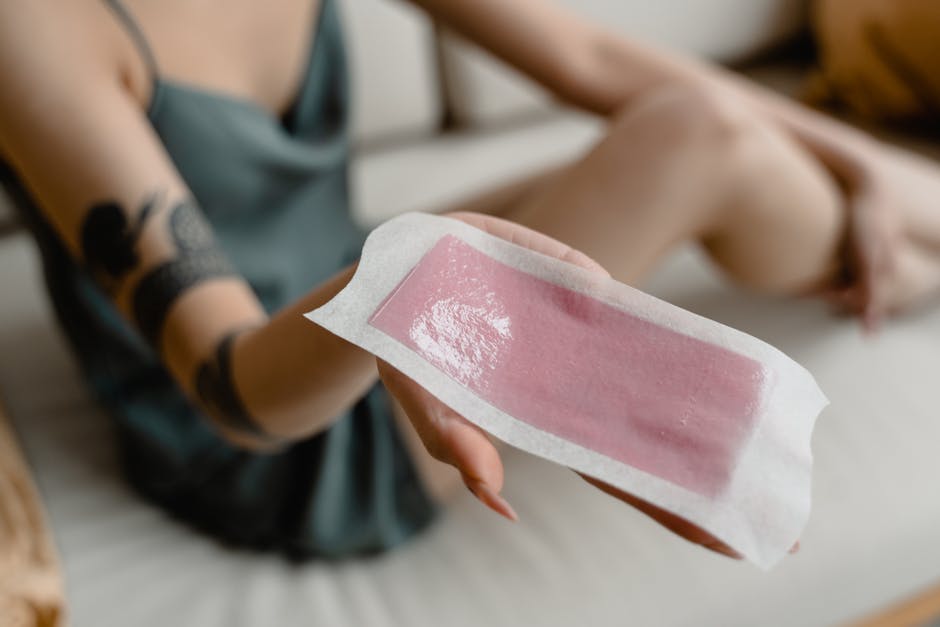
- Soft (Strip) Wax: Ideal for large, flat areas like the shins and thighs. I opt for high-quality, creamy formulas containing titanium dioxide, which acts as a buffer and is gentler on sensitive skin.
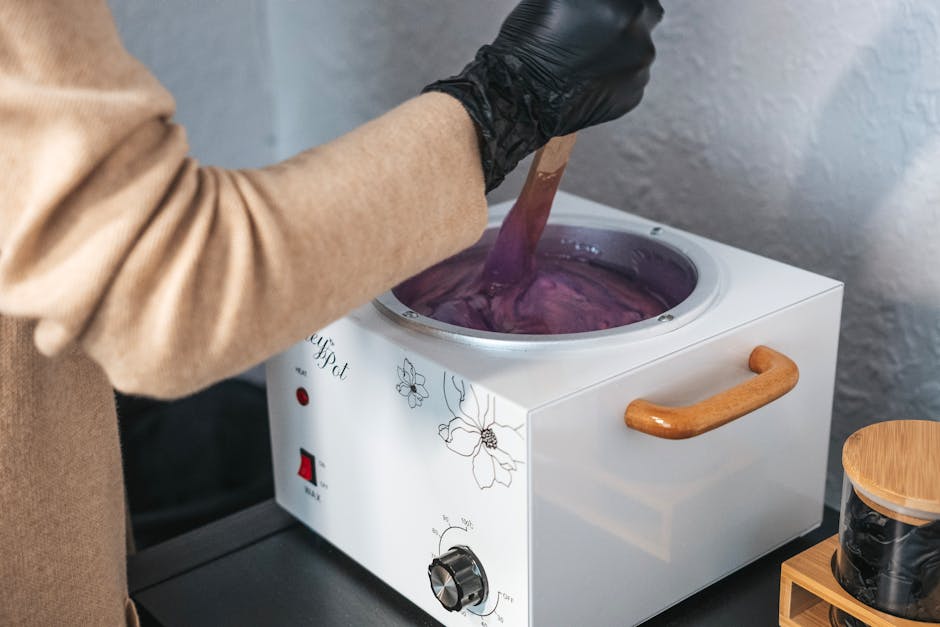
- Hard (Stripless) Wax: This is my go-to for the trickier, more sensitive areas like the knees, ankles, and backs of the knees. Hard wax adheres only to the hair, not the skin, significantly reducing pain in these delicate spots.
Don’t forget the pre- and post-wax products. A quality pre-wax cleanser removes impurities, and a light pre-wax oil provides a crucial protective barrier between the skin and a soft wax.
The Art of the Pull
Perfecting your application and removal is a non-negotiable skill. I teach my trainees to focus on three core principles:
- Anchor the Skin: This is the single most important technique for pain reduction. Always, always pull the skin taut before removing the strip. On the thigh, use your free hand to stretch the skin firmly in the opposite direction of the pull. Around the knee, have the client bend their leg to tighten the skin naturally, and use your hand to anchor it further.
- Pull Parallel, Not Up: The pull should be swift, confident, and parallel to the skin. Pulling upwards away from the body yanks at the skin and is significantly more painful. Think of skimming the strip back across the leg.
- Coach Their Breathing: This is a game-changer, especially for anxious clients. I instruct them: "Take a deep breath in for me..." (as I lay the strip), "...and a sharp exhale out!" (as I pull). This simple distraction and physical release of breath can cut the perceived pain in half.
Finally, resist the urge to apply massive strips to speed things up, especially on a new or sensitive client. Working in smaller, more manageable sections is far less overwhelming for their nervous system.
The Environment: Creating a Sanctuary of Calm
The psychological aspect of pain is powerful. A client who is tense, cold, or anxious will experience more discomfort. Your treatment room should be a calm, professional sanctuary that helps them relax.
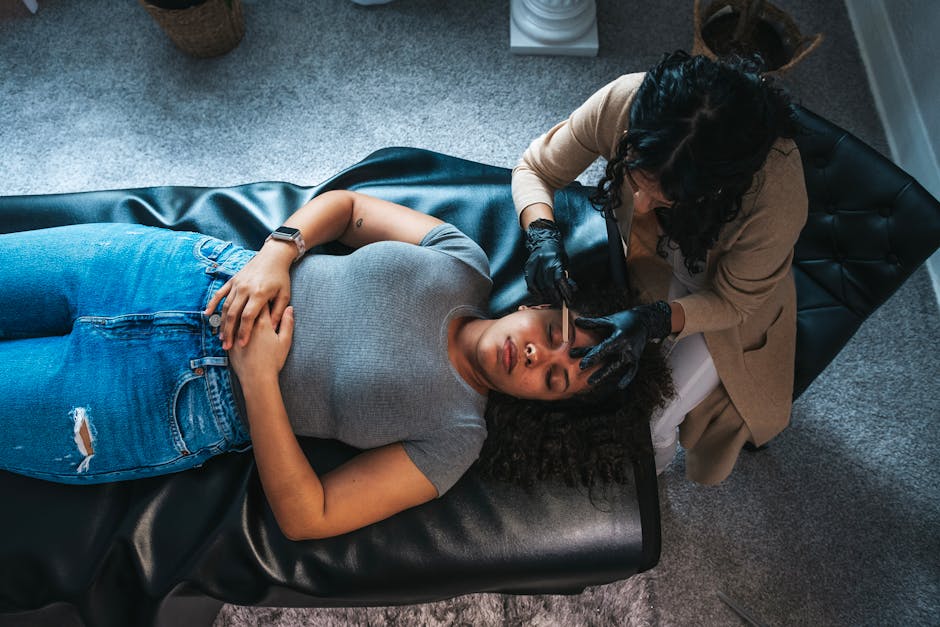
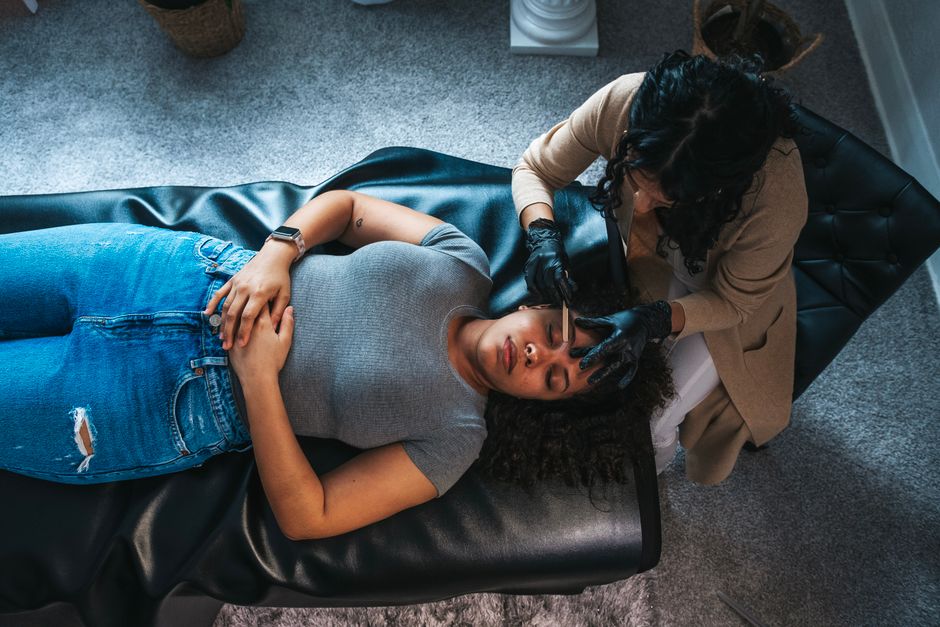
Set the Scene: Ensure the room is a comfortable temperature. Shivering or goosebumps will cause muscles to tense, making hair removal more difficult and painful. The treatment bed should be well-cushioned, and I always offer a bolster for under their knees to support their lower back.
Engage or Distract: Tune into your client’s cues. Some clients relax by chatting about their weekend or work. For others, silence is golden. I always have calming, ambient music playing, but I also tell clients they are welcome to pop in their own headphones and listen to a podcast or their own music. A distracted mind is less focused on the sensation of waxing.
Project Confidence: Your demeanor sets the tone. Be calm, confident, and efficient. Explain what you're doing in a soothing voice ("Okay, we're just going to work on the inner thigh now..."). Your calm energy is contagious and will help put them at ease.
The Final Touch: Post-Wax Care and Education
Your service isn't over once the last hair is gone. The final five minutes are crucial for soothing the skin, ensuring a great result, and reinforcing your expertise.
Immediate Soothing Protocol
As soon as you remove a strip, immediately apply firm pressure to the area with the palm of your hand for a few seconds. This simple act of compression helps to overwhelm the nerve endings, providing instant relief (a concept known as Gate Control Theory).
After completing the wax, remove any sticky residue with a high-quality, non-comedogenic post-wax oil. Then, apply a soothing lotion or cool compress. Look for products with calming ingredients like aloe vera, chamomile, lavender, or azulene to reduce redness and inflammation.
Empower with Aftercare Knowledge
Send your client home with clear instructions to protect their freshly waxed skin. Advise them to avoid for the next 24-48 hours:
- Hot baths, saunas, and steam rooms
- Heavy exercise that causes excessive sweating
- Tight, restrictive clothing
- Scented lotions or perfumes on the area
This is also the perfect opportunity to recommend professional aftercare products you retail. Suggesting a specific ingrown hair serum or a gentle exfoliant for them to start using a few days later not only helps them maintain their results but also positions you as a trusted expert and adds an additional revenue stream to your business.
Conclusion: From Service Provider to Trusted Expert
Reducing discomfort during a full leg wax is about more than just being a skilled technician. It's about being a thoughtful, empathetic, and strategic professional. By integrating these practices—from pre-appointment communication to masterful in-treatment techniques and thorough aftercare—you do more than just provide a service. You build trust, foster loyalty, and create an exceptional client experience. A client who leaves your salon feeling cared for and comfortable is a client who will rebook without hesitation, rave about you to their friends, and become a cornerstone of your thriving business.
Frequently Asked Questions for Professionals
What's the best type of wax to use for clients with very sensitive skin?
For highly sensitive clients, I recommend a high-quality synthetic hard wax or a hypoallergenic soft wax. Synthetic waxes are made without rosin (a common allergen) and are formulated to be more flexible and gentle. For soft wax, look for creamy formulas with titanium dioxide or other buffering ingredients. Always perform a small patch test if a client has a history of extreme sensitivity.
How do you handle a client who is extremely anxious or has a very low pain tolerance?
Communication and patience are key. Start by validating their feelings and reassuring them that you'll work together. I suggest starting with a small, less sensitive area like the shin as a "test patch." Work in very small sections, giving them breaks if needed. Lean heavily on the breathing techniques and distraction. Your calm confidence will be their biggest comfort. Let them know they are in control and can ask you to stop at any time.
Are topical numbing creams or sprays worth it?
They can be a double-edged sword. While some clients find them helpful, many topical numbing products can leave a residue that interferes with the wax's ability to adhere to the hair, leading to poor results and potential breakage. If you choose to offer them or a client wants to use one, ensure they apply it at the correct time (usually 30-45 minutes before the service) and that the skin is thoroughly cleansed of all residue before you begin waxing. In my experience, mastering technique and comfort measures often provides a better and more reliable result than relying on numbing agents.
This article was produced with AI assistance and reviewed by REZVA.
- client comfort techniques
- professional waxing tips
- esthetician business advice
- full leg waxing
- pain reduction in waxing
- client retention strategies
- waxing aftercare
- salon client experience
Take bookings for waxing online.
Clients book themselves from your profile and a deposit covers the no-shows. Free to start, no card. Founding members get Pro free for 12 months, then their price is locked.
98
spots left of 100
12
months of Pro, free
0%
commission on bookings