Are You Undercharging? A Barber's Guide to Pricing Your Lineup Services
Master Barber Daniel Kovachev breaks down how to competitively price your lineup services, factoring in time, skill, tools, and client perception.
4 min read
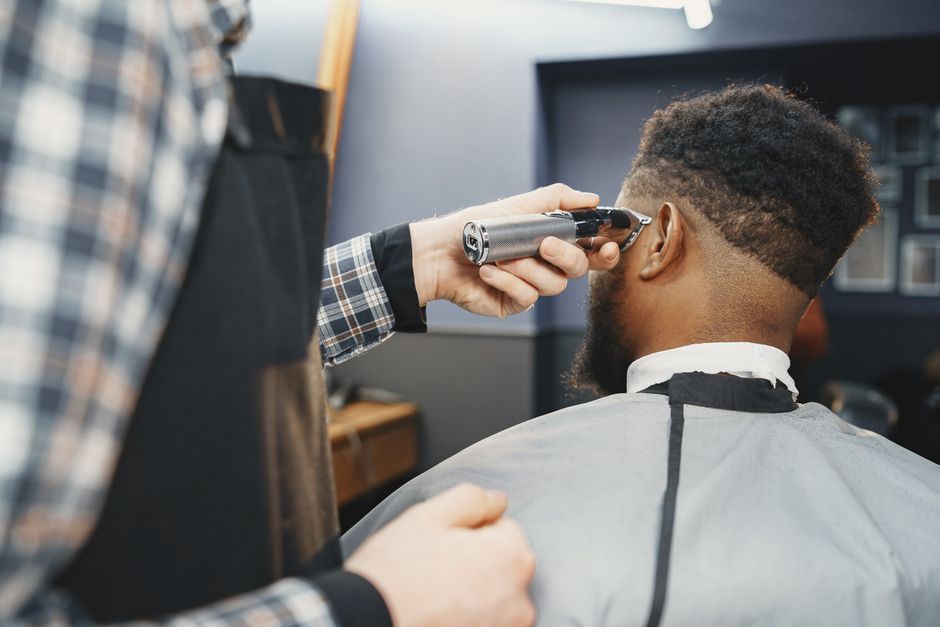
Hey everyone, Daniel here. From my chair, I’ve seen it all. But one of the most common mistakes I see fellow barbers make has nothing to do with a crooked fade or a botched beard trim. It’s something far more damaging to their business: undervaluing their own work. Specifically, I’m talking about the lineup.
Too many of us treat the edge-up as a freebie, a throw-in, or a negligible 10-minute task. We think of it as just the finishing touch. But let’s be honest with each other: a truly sharp, symmetrical, and lasting lineup is an art form. It’s the crisp frame that makes the entire haircut a masterpiece. It requires precision, a steady hand, and an expert eye. So why are we giving it away?
Today, I want to break down how to stop leaving money on the table and start pricing your lineup services competitively and confidently. This isn't just about making more money; it's about getting paid what your skill is truly worth.
Deconstructing the Lineup: More Than Just a Quick Trim
Before we can price something, we have to understand its true value. A client might see a lineup as a quick pass with a trimmer, but we know the reality. Let’s break down the components you’re delivering every single time you perform this service:
- The Consultation: You’re assessing the client’s hairline, discussing a natural versus a sharp look, and managing their expectations. This is a professional consultation.
- The Tools: You’re not using a cheap pair of clippers. You’re using high-performance, zero-gapped trimmers like an Andis T-Outliner or a BaBylissPRO GoldFX, which require investment, maintenance, and regular sanitation. For razor lineups, you’re using a fresh, sterile blade for every single client.
- The Products: From pre-shave oils and hot towels to holding sprays for that crisp line, and soothing after-shave balms to prevent irritation, the products you use have a cost. If you offer enhancements, you’re using semi-permanent color and airbrush equipment. These costs add up.
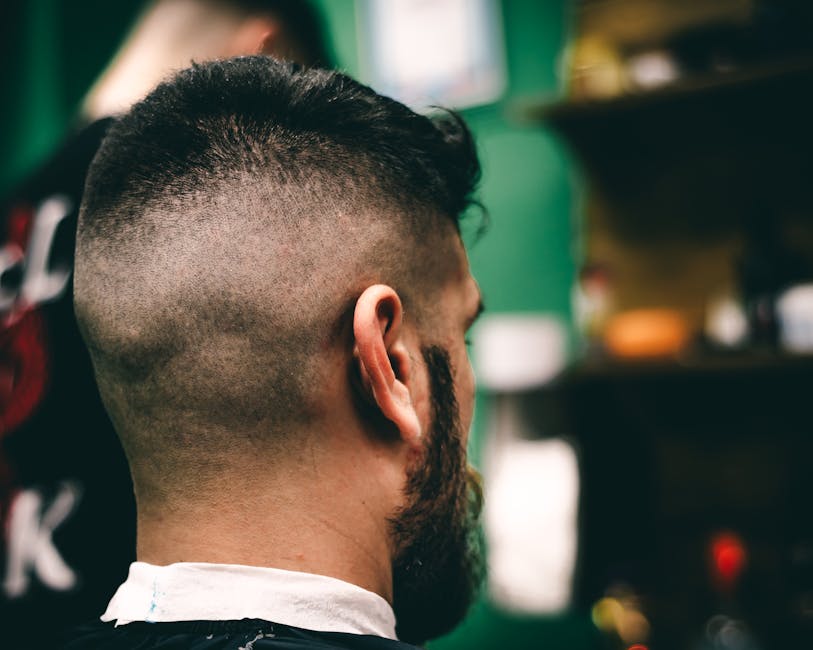
- The Skill: This is the big one. Creating perfect symmetry, carving flawless C-cups, and executing a razor-sharp edge without pushing the hairline back takes years of practice. It’s a demonstration of your mastery over the craft. You’re not just cutting hair; you’re sculpting.
When you look at it this way, the idea of a "free clean-up" seems almost absurd, doesn't it? You’re delivering a highly skilled, tool-intensive service that directly impacts your client's confidence. That has tangible value.
The Core Factors of Your Lineup Pricing Strategy
Alright, so we’ve established the value. Now, how do we translate that into a price on your menu? It’s not about picking a number out of thin air. A solid pricing strategy is built on several key pillars. I run through this mental checklist constantly in my own shop.
1. Time is Your Most Valuable Asset
Calculate the true time cost. A detailed lineup might take 10, 15, or even 20 minutes if it includes razor work and enhancements. Figure out your target hourly rate for your chair. If your goal is to make, say, $60.77 per hour, a 15-minute service should be priced at a minimum of $15.19. Don't fall into the trap of thinking, "It's only 10 minutes." Ten minutes of your professional time is valuable.
2. Factor in Your Overheads
Your price needs to cover more than just your time. Think about the direct costs associated with the service. A fresh straight razor blade, a spritz of holding spray, a dab of after-shave, the electricity for your tools, the wear and tear on your trimmers, and your sanitation supplies. These are your "cost of goods sold." While small individually, they accumulate over hundreds of services. Your price must cover these consumables and still leave a healthy profit margin.
3. Conduct Smart Market Research
You need to know what the market in your area looks like, but do not simply copy your competitor's price. Instead, use it as a benchmark. Look at barbers and stylists whose skill level and clientele you respect. What do they charge? Then, honestly assess where you fit in. Are you the premium, high-end expert known for flawless razor work? Your price should reflect that and be at the top of the market. Are you building your brand and clientele? You might position yourself in the middle to be competitive. Never compete by being the cheapest—it’s a race to the bottom that devalues the entire industry.
4. Communicate the Value
Your pricing is also a communication tool. A price of $5 for a lineup might scream "cheap and rushed," while a price of $20 says "premium, detailed, and professional." The price you set helps to frame the client’s perception of the service before they even sit in your chair. Don’t be afraid to charge a premium if you deliver a premium experience.
Structuring Your Menu: Standalone vs. Add-On Pricing
How you present the service on your menu is just as important as the price itself. You generally have two primary models, and I personally use a hybrid of both in my shop.
The Standalone "Lineup" or "Edge-Up" Service
This is a must-have on your service menu. It’s for the client who comes in weekly or bi-weekly between full haircuts to keep their look fresh. This should have its own distinct price. A good rule of thumb is to price it at around 30-40% of your standard haircut price. It’s a fantastic way to generate consistent revenue between bigger appointments and increase client loyalty.
The "Add-On" or "Service Enhancement"
This is where you can really maximize your ticket value. While a standard trimmer lineup might be included in your full haircut service, you can offer premium upgrades. For example:
- Straight Razor Lineup: This takes more skill, more time, and involves a disposable blade. This should always be an upcharge. List it as "Haircut + Razor Finish."
- Beard Lineup: This is a separate service from the hairline. If they want both, it should be priced accordingly.
- Color Enhancements: Using semi-permanent color or an airbrush to create a sharper, fuller look is a specialized skill using expensive products. This is a premium add-on.
Presenting these options clearly on your menu empowers the client to choose their experience. Using a smart booking platform like REZVA makes this incredibly simple. You can easily list your base services and then offer enhancements as clickable add-ons during the booking process, which clarifies the value and total cost for the client upfront. It's all about making your expertise and service options clear and easy for clients to select.
Conclusion: Charge What You're Worth
At the end of the day, pricing your lineup service correctly is about respecting your own craft. A sharp edge-up is your signature—it’s the last thing your client sees in the mirror and the first thing their friends notice. It’s a walking billboard for your talent.
Stop thinking of it as a freebie. Calculate your costs, respect your time, and structure your menu to reflect the true value of your skill. When you charge what you're worth, you not only improve your bottom line, but you also attract clients who appreciate and value true craftsmanship. Now go out there and sharpen up those price lists.
Frequently Asked Questions
What if my clients complain about a new or increased price for lineups?
Communication is key. If you're introducing a price, frame it as a new, dedicated service designed to keep them looking sharp between cuts. If you're raising a price, be ready to gently explain the value—mention your investment in better tools, products, and ongoing education to give them the best possible result. Most clients who value quality will understand. Those who don't may not be your target clientele anyway.
Should I charge different prices for a simple trimmer lineup vs. a straight razor lineup?
Absolutely, 100%. A straight razor service is a significant step up in terms of skill, risk, and consumables (disposable blades, hot lather, etc.). It delivers a superior, longer-lasting result. It should be listed as a separate, premium service or a premium add-on to a haircut. I typically charge an additional $10-15 for a razor finish compared to a trimmer-only lineup.
How do I handle clients who ask for a "quick, free clean-up" around the ears and neck?
This is about setting professional boundaries politely. You can say something like, "Of course, I can definitely sharpen that up for you. My Express Lineup service is perfect for that and only takes about 15 minutes. Shall I book that for you?" This validates their request while clearly associating it with a priced service on your menu. It educates the client that your time and skills have value, even for a "quick" job.
Prices are shown in US dollars, converted from euros at the European Central Bank reference rate of 16.10.2026 and rounded.
This article was produced with AI assistance and reviewed by REZVA.
- barber service pricing
- lineup and edge up
- barbershop business strategy
- increasing salon revenue
- men's grooming services
- competitive pricing for barbers
- client service menu
Take bookings for barbering online.
Clients book themselves from your profile and a deposit covers the no-shows. Free to start, no card. Founding members get Pro free for 12 months, then their price is locked.
98
spots left of 100
12
months of Pro, free
0%
commission on bookings