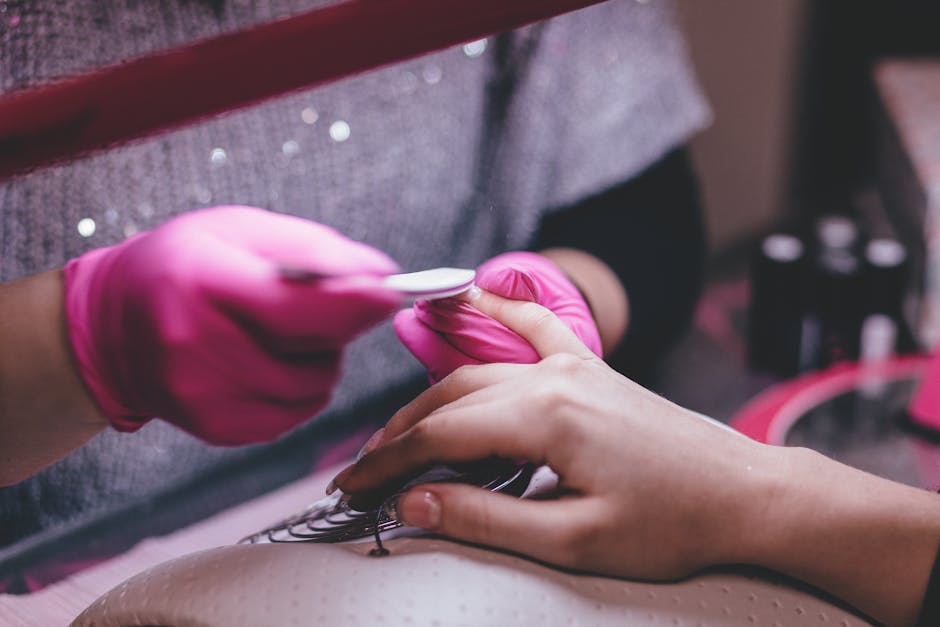
Navigating Tricky Pedicure Requests: A Pro's Guide to Protecting Your License and Reputation
Learn how to professionally manage challenging pedicure requests, protect your license, and educate clients with expert advice from a seasoned nail pro.
4 min read
When "The Customer is Always Right" is Wrong: A Pedicure Pro's Dilemma
We’ve all been there. A new client settles into your pedicure chair, kicks off their shoes, and you immediately see a situation that requires more than just a soak and polish. Or perhaps a long-time regular asks for a technique you know is outdated, unsafe, or even illegal in your region. In our industry, the desire to please is strong, but our first responsibility is to the health and safety of our clients—and the protection of our professional license.
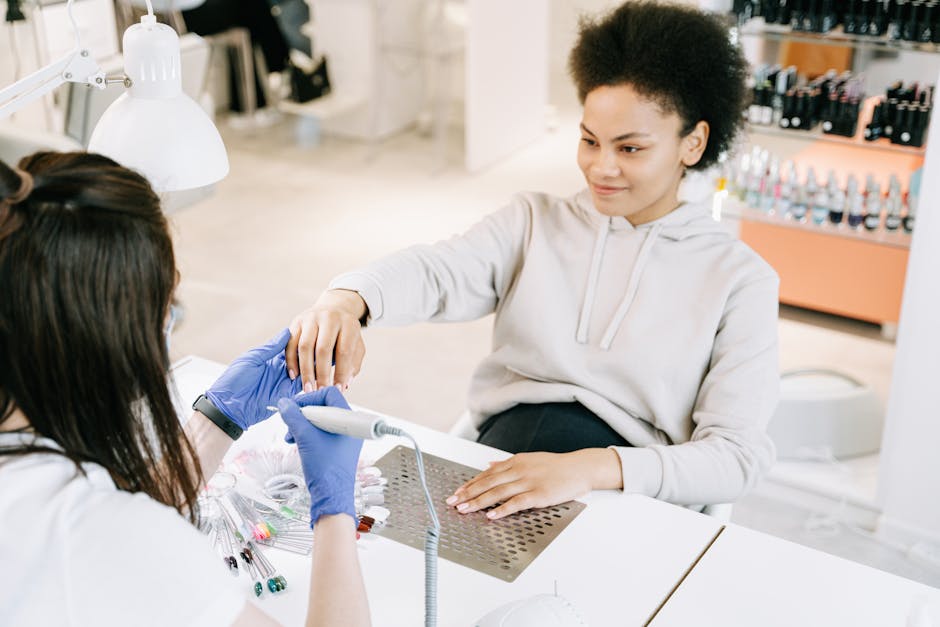
For over a decade, I've seen my fair share of challenging feet and even more challenging requests. Learning how to navigate these situations with grace, confidence, and professionalism is what separates a good technician from a great one. It's not about saying "no"; it's about explaining the "why" and offering a superior, safer, and more effective solution. Let's break down some of the most common difficult pedicure requests and how to handle them like the expert you are.
The Medical Minefield: Staying Within Your Scope of Practice
This is, without a doubt, the most critical boundary to maintain. We are nail professionals, not medical practitioners. A client presenting with a potential medical issue is not an opportunity to "fix" it—it's a liability waiting to happen.
Common Scenarios:
- Suspected fungal infections (onychomycosis)
- Deeply ingrown nails (onychocryptosis)
- Plantar warts
- Open wounds, sores, or inflamed skin
When you see any of these contraindications, your protocol should be immediate, firm, and compassionate. I’ve found the best approach is to express concern for their wellbeing. Instead of a blunt "I can't work on that," try a more empathetic script.
What to Say:
"I've noticed some inflammation around your toenail that looks quite uncomfortable. As a licensed nail technician, my top priority is your health, and my training tells me this is something that should be looked at by a medical professional, like a podiatrist. I'm not able to perform a full pedicure on this foot today to avoid causing further irritation or infection. What I can do is a gentle polish change on the other unaffected toes, if you'd like. I can also help you find a reputable podiatrist in the area."
This approach achieves three crucial things:
- It protects you legally. You have clearly stated you are acting within your scope of practice.
- It educates the client. You're explaining *why* you can't proceed.
- It builds trust. You're showing you care more about their health than about the service fee. This client is far more likely to return (and refer others) because you were honest and professional.
The Aggressive Approach: When Clients Request Outdated or Damaging Techniques
Ah, the dreaded credo blade. Many clients who have been getting pedicures for decades still ask for—and expect—the use of these tools to shave down calluses. In most places, these blades are illegal for nail technicians to use precisely because they are classified as a medical implement. They cut living tissue, create a high risk of infection, and can actually cause calluses to grow back thicker as the body's defense mechanism kicks in.
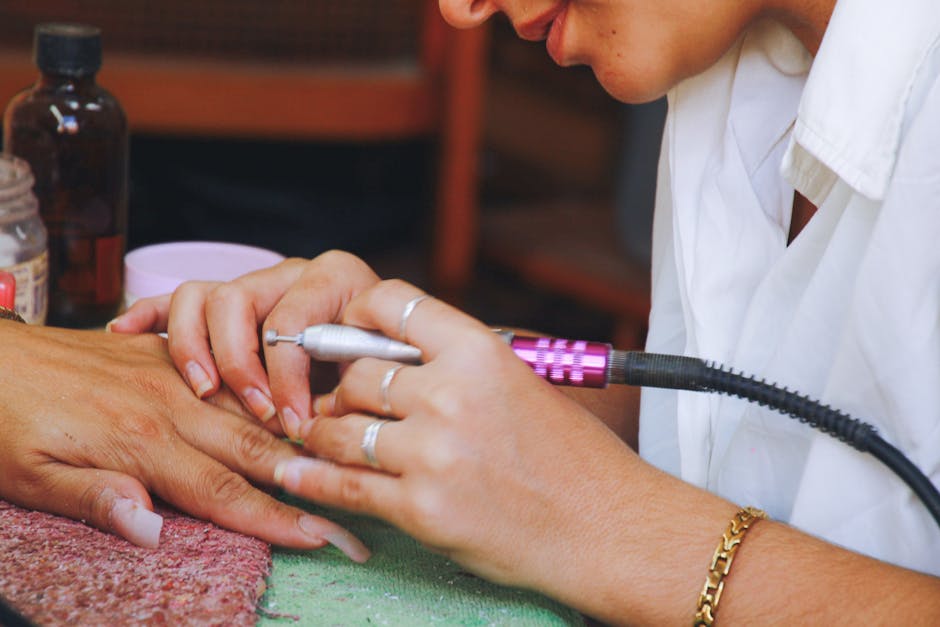
Here, your role shifts from gatekeeper to educator. You have an opportunity to introduce them to modern, more effective techniques.
The Professional Alternative:
- High-Quality Callus Softeners: Start with a professional-grade callus softening product containing ingredients like urea or potassium hydroxide. These gently break down dead skin cells without affecting the healthy tissue underneath.
- Proper E-File Use: An e-file with the right bit is your best friend. I personally love using a large barrel diamond or sand-paper bit on a low speed to safely and efficiently reduce callus buildup after it's been softened. This provides a smoother, longer-lasting result than any blade.
- Thorough Exfoliation: Finish with a good foot file (I recommend stainless steel ones that can be properly disinfected) and a quality sugar or salt scrub to polish the skin.
What to Say:
"I understand you're looking for a really smooth result! In our industry, we've moved away from tools like blades because they can be risky and actually cause calluses to return more aggressively. I use a modern, multi-step technique with a professional softening treatment and specialized tools that safely exfoliate the dead skin. This method gives a much smoother, longer-lasting finish without any of the risks. I think you'll be really impressed with the results."
The Unrealistic Expectation: Managing Aesthetics and Time
This category covers everything from a client wanting extremely long gel extensions on their toes to someone booking a simple polish change but expecting a full spa pedicure with intricate nail art. These requests test our skills in client consultation and time management.
Aesthetic Requests
For requests like "stiletto" toenails, the key is to explain the practical implications. Long extensions on toes can cause discomfort, pressure in closed-toe shoes, and even lead to nail bed trauma or lifting. Guide them toward a more sustainable but still beautiful alternative. Suggest a chic, shorter square shape with a stunning gel color or some tasteful art that enhances the natural nail.
Time Management
When a client requests more than they booked for, it puts you in a tough spot. You don't want to run late for your next appointment, but you also don't want to disappoint the client in your chair. This is where a solid business management platform is a lifesaver. On REZVA, for instance, you can detail exactly what each service includes and its duration, which helps manage client expectations from the very start. Professionals can build their online presence and manage bookings seamlessly, which is a game-changer for solo artists and salons alike.
What to Say:
"That nail art design is beautiful! To do it properly and give you the quality you deserve, it requires a bit more time than we have scheduled for today's express pedicure. What we can do is get your toes perfectly prepped and polished with this gorgeous color today, and then let's get you booked for our Spa Pedicure with an 'Nail Art Add-On' for your next visit. That way, I'll have the dedicated time to create that design perfectly for you."
This response validates their choice, sets a clear boundary, and secures a future, higher-ticket appointment.
Conclusion: Your Expertise is Your Greatest Asset
Handling difficult client requests is less about confrontation and more about confident consultation. By positioning yourself as a knowledgeable expert who prioritizes health, safety, and superior results, you build unparalleled trust. Remember, every client interaction is an opportunity to reinforce your value and professionalism. When you educate your clients and guide them toward the best possible outcomes, you're not just performing a service; you're building a loyal clientele and a sterling reputation that will sustain your business for years to come.
Frequently Asked Questions (FAQ)
What's the best way to refuse a service without losing the client?
The key is the "empathy sandwich." Start with empathy ("I see you're really hoping to solve..."), state the professional boundary clearly and explain the "why" ("My license and training don't allow me to..., as it could be unsafe..."), and end with a helpful alternative ("What I recommend is seeing a podiatrist, and I'd be happy to see you back once it's cleared up."). This shows you care about their well-being, which builds more loyalty than simply agreeing to a risky request.
How do I charge for the extra time a difficult pedicure takes?
Your service menu should account for this. Consider having tiered pedicure options. A "Maintenance Pedicure" for regulars, a "Signature Spa Pedicure" for more detailed work, and an "Intensive Callus Care" pedicure as a higher-priced option for clients who need significant work. During the consultation, you can say, "Based on the amount of callus buildup, our Intensive Care pedicure would be the best fit to achieve the results you're looking for." This frames it as a better service, not a penalty.
A client insists they've had a credo blade used before with no issues. What do I say?
Acknowledge their experience, but stand firm in your professional protocol. You can say, "I appreciate you sharing that. Different technicians and regions have different regulations and techniques. My practice, and the current industry standard for safety, is to use advanced exfoliation methods that avoid cutting the skin. I'm confident you'll love the smooth, safe results we can achieve." It's about educating them on the "new and improved" way, not criticizing their past experiences.
Can I perform a pedicure on a client with diabetes?
This requires caution and often, advanced training. Clients with diabetes can have poor circulation and neuropathy (loss of sensation) in their feet, making them highly susceptible to injury and infection. If you have advanced certification in diabetic pedicures, you know the specific protocols (e.g., no soaking, careful temperature checks, gentle handling). If you are not certified, it is safest to refer them to a medical pedicurist or a podiatrist who specializes in diabetic foot care. Always err on the side of caution.
This article was produced with AI assistance and reviewed by REZVA.
- pedicure best practices
- client communication skills
- nail technician scope of practice
- salon management tips
- advanced pedicure techniques
- client consultation strategies
- salon liability


Take bookings for nails online.
Clients book themselves from your profile and a deposit covers the no-shows. Free to start, no card. Founding members get Pro free for 12 months, then their price is locked.
98
spots left of 100
12
months of Pro, free
0%
commission on bookings