How to Price Pedicures for Real Profit in 2026
Are your pedicure prices built for profit? I'm sharing my expert strategies for calculating costs, tiering services, and communicating your value in 2026.
4 min read

Hello, my fellow professionals. Valentina here. Over my years in this industry, both behind the chair and training other technicians, I’ve seen one topic cause more stress and confusion than any other: pricing. We are artists and caregivers, but we are also business owners. And in 2026, with rising costs and evolving client expectations, a well-crafted pricing strategy isn't just a nice-to-have; it's the foundation of a sustainable and profitable career.
I remember early in my career, I just looked at what the salon down the street was charging and set my prices a little lower. It felt safe, but it was a disaster for my bottom line. I was busy, but I was barely breaking even. That’s when I realized that pricing is a science as much as an art. It’s about understanding your true worth, your costs, and the unique value you bring to your clients. Let's break down how you can build a pedicure pricing structure that not only covers your expenses but truly helps your business thrive.
The Essential First Step: Calculating Your True Cost Per Service
Before you can set a profitable price, you must know exactly what it costs you to perform the service. Many technicians make the mistake of only considering the cost of the polish and foot scrub. This is where we lose our profit margin. A true cost analysis is non-negotiable.
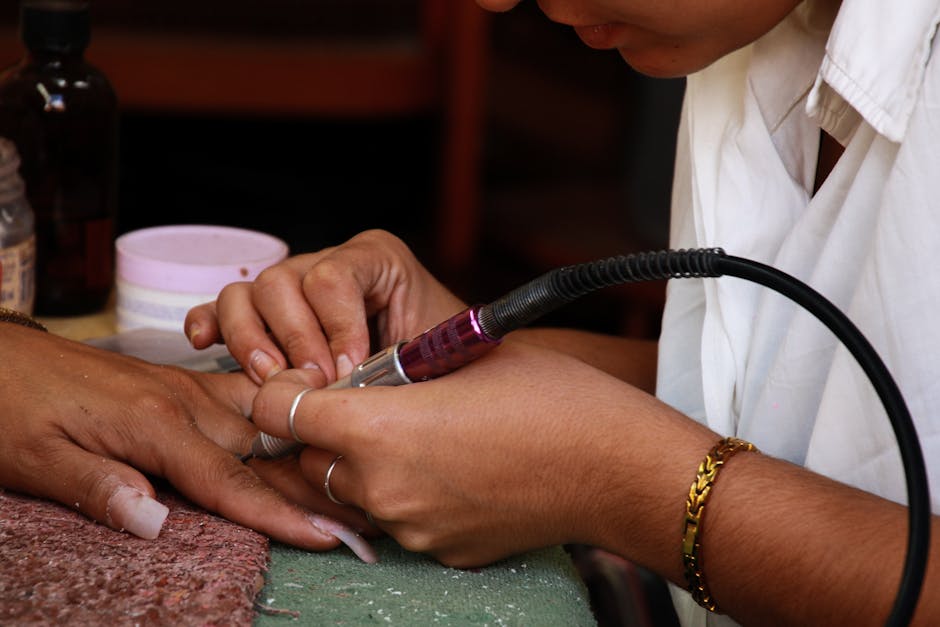
Let's break it down into three categories:
- Direct Product Costs: This is the easiest part. Calculate the cost per application for everything you use. This includes your professional-grade products (like Gehwol foot care creams, CND scrubs, or your chosen gel polish system), but also every single disposable item: pedicure bowl liners, files, buffers, toe separators, disposable slippers, and even the cotton pads. Don’t estimate—calculate!
- Overhead & Business Costs: These are the expenses that keep your doors open. Divide your total monthly overhead by the number of service hours you realistically work in a month. This gives you an hourly overhead cost. Your overhead includes:
- Rent or station fees
- Utilities (water, electricity)
- Professional liability insurance
- Booking and management software subscriptions
- Marketing and advertising costs
- Continuing education and certifications
- Sanitation supplies (hospital-grade disinfectants like PREempt or Barbicide)
- Your Labor Cost (Your Paycheck!): This is the most critical and often undervalued component. You are a skilled professional. Decide on your desired annual salary, factor in taxes, insurance, and retirement savings, and then break that down into an hourly rate. This is not your service price; this is the minimum you need to earn per hour to meet your personal financial goals.
Your base price for any service should be, at a minimum: (Overhead Cost per Minute x Service Time in Minutes) + Total Product Cost + (Your Hourly Labor Rate / 60 x Service Time in Minutes). This formula ensures you're covering all your bases and actually paying yourself for your expertise.
Tier Your Menu for Maximum Appeal and Profit
A single "pedicure" offering on your menu is a missed opportunity. Clients have different needs, budgets, and time constraints. A tiered menu allows you to cater to everyone while creating clear pathways for upselling. Think of it as creating a "good, better, best" model.
Tier 1: The Express Pedicure
This is your entry-level service, designed for clients on the go or those new to your salon. It’s efficient and focuses on the absolute essentials: a quick, hygienic soak, nail shaping, basic cuticle care, a light buff of the heels, and a perfect polish application. It’s priced competitively but structured so that your time is still profitable based on the cost analysis we just did.
Tier 2: The Signature Pedicure
This is your core offering and should be what most of your clients book. It includes everything from the Express service but elevates the experience. Here, you’ll incorporate a thorough callus treatment using a professional-grade softener, a beautiful exfoliating scrub that goes up to the knee, and a proper, tension-relieving foot and lower leg massage. This service showcases your skill and provides a tangible, relaxing result that justifies a mid-range price point.
Tier 3: The Luxury or Spa Pedicure
This is your premium, high-ticket service. It’s an indulgent experience that commands a top-tier price. Build upon the Signature Pedicure by adding luxurious elements. Some ideas I've seen work incredibly well:
- A hydrating paraffin wax treatment
- A deep-conditioning foot mask wrapped in hot towels
- An extended massage incorporating hot stones or reflexology techniques
- Use of a premium, aromatic product line exclusive to this service
This is where you create a memorable experience that clients will talk about. Don't be afraid to price this service to reflect its value—the clients who seek this level of pampering are willing to pay for it.
Boost Your Bottom Line with Strategic Add-Ons
Add-ons are pure profit boosters. They are typically high-margin, require minimal extra time, and allow you to customize a service to a client's specific needs. This is where your professional consultation skills shine.
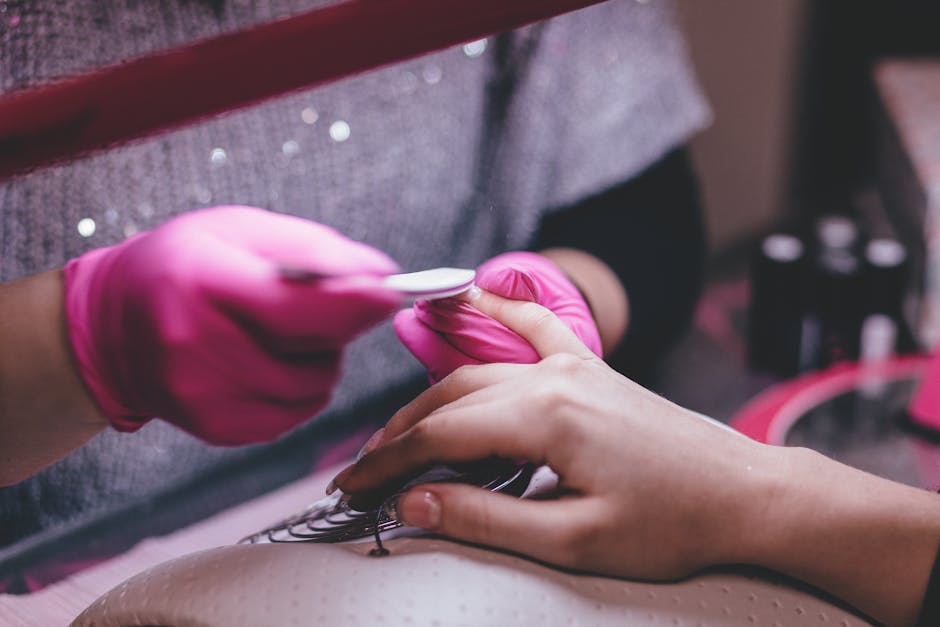
Some powerful add-ons for your pedicure menu include:
- Gel Polish: A standard but crucial upsell. Price it to reflect the product cost and the extra 15-20 minutes of your time.
- Advanced Callus Treatment: For clients with severe calluses or cracked heels. This involves more intensive work, perhaps with an e-file and specialized bits, and should be priced as a targeted treatment.
- Nail Art: Create a simple pricing structure. For example, Level 1 (simple dots, lines), Level 2 (florals, chrome), and Level 3 (intricate, hand-painted designs). You can price per nail or in 15-minute time blocks.
- Targeted Treatments: Offering something like the IBX System for weak or damaged toenails is a fantastic problem-solving add-on that showcases your expertise in nail health.
Confidently Communicate Your Value
Your pricing strategy is only effective if it's communicated clearly and confidently. How you present your services matters immensely.
Use descriptive, benefit-driven language on your menu. Instead of "Callus Removal," try "Silky Smooth Heel Refining Treatment." Instead of "Massage," use "Tension-Relief Leg & Foot Massage." This language elevates the perceived value of your work.
Your online presence is your digital storefront, and it needs to reflect the quality of your services. A platform like REZVA gives you a booking page that is open around the clock, so clients see your services and free times and book without messaging you. Professionals looking to elevate their business can find out more on REZVA's page for specialists.
Finally, when it's time to raise your prices—and it will be—do it with confidence. Give your loyal clients plenty of notice (4-6 weeks is standard). Briefly and professionally explain that the increase allows you to continue investing in high-quality products and advanced education to provide them with the best possible service. Your ideal clients will understand and respect your commitment to quality.
Your Pricing, Your Future
Friends, pricing your pedicure services for 2026 is about taking control of your business. It's a strategic decision that reflects your skill, your investment, and your professional worth. Move away from guesswork and towards a data-driven approach. Calculate your costs, create a compelling tiered menu, and communicate your value with the confidence you've earned. This is how we build not just a job, but a truly rewarding and profitable career in the industry we love.
Frequently Asked Questions for Nail Professionals
Q1: How often should I review and adjust my pedicure prices?
I recommend a thorough review of your pricing structure at least once a year. However, it's wise to do a quick check-in every six months, especially to monitor the rising costs of your core supplies and products. If your main product line has a significant price increase, you need to adjust your service prices immediately to protect your profit margin.
Q2: A new salon opened nearby with extremely low prices. Should I lower mine to compete?
Absolutely not. Competing on price is a race to the bottom that devalues your skill and the entire industry. Instead, compete on value. Double down on what makes you different: your exceptional sanitation standards, your advanced techniques, the quality of your products, and the personalized client experience you provide. Market your strengths and attract clients who value quality over a bargain.
Q3: How can I introduce a new luxury pedicure without making my regular clients feel like they're getting a lesser service?
This is all about marketing and positioning. Introduce your new luxury service as an exciting new option for ultimate indulgence. You could even run a limited-time introductory offer to encourage clients to try it. When you launch it, reinforce the value and quality of your existing Signature Pedicure. Frame it as "Our wonderful Signature service you know and love, and now an even more decadent Spa experience for when you need extra pampering." This way, you're adding an option, not devaluing the existing one.
This article was produced with AI assistance and reviewed by REZVA.
- pedicure pricing strategies
- salon business management
- nail technician profitability
- beauty service pricing
- salon revenue growth
- advanced pedicure services
- salon menu engineering


Take bookings for nails online.
Clients book themselves from your profile and a deposit covers the no-shows. Free to start, no card. Founding members get Pro free for 12 months, then their price is locked.
98
spots left of 100
12
months of Pro, free
0%
commission on bookings
