Turn Appointment Reminders Into Your Best No-Show Defence
Protect your time and revenue. Learn expert strategies to create a firm cancellation policy, improve client communication, and reduce no-shows for good.
4 min read

The Silent Business Killer: Tackling No-Shows Head-On
We’ve all been there. You’re prepped, your room is sanitized, your products are laid out, and you’re looking forward to working your magic on a client. You check the clock. Five minutes past. Ten minutes past. You send a polite text. Nothing. The sinking feeling in your stomach isn't just disappointment—it's the tangible loss of income, wasted time, and a slot that another client would have loved to fill. In my years as an esthetician and business owner, I've learned that no-shows and last-minute cancellations are more than just an annoyance; they are a direct threat to our bottom line and our sanity.
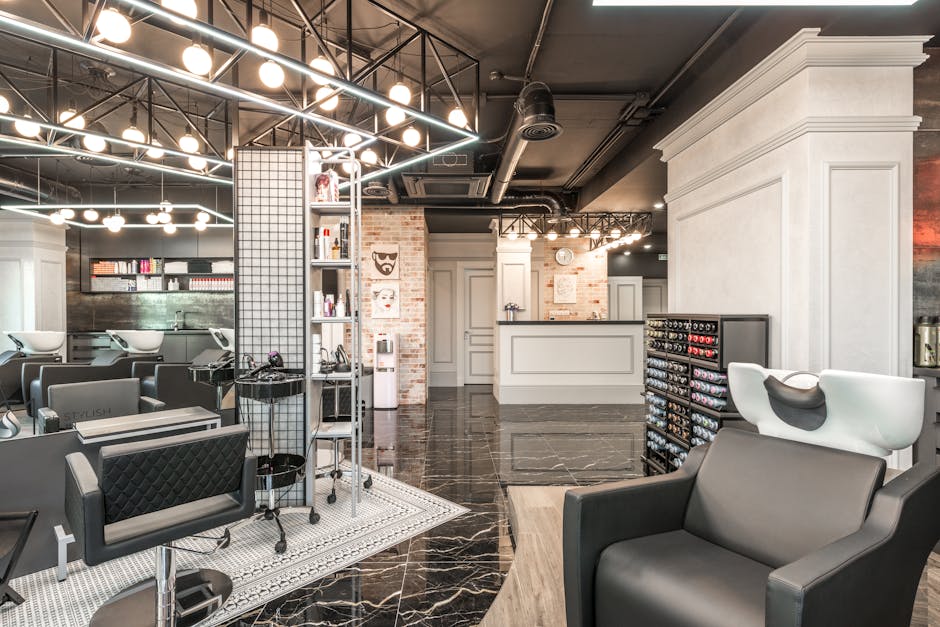
But here’s the good news: this is a solvable problem. It’s not about finding “nicer” clients; it’s about implementing stronger business systems. By combining a firm policy with strategic communication and the right tools, you can dramatically reduce your no-show rate, protect your income, and cultivate a client base that truly respects your time and expertise. Let’s dive into the strategies that have worked for me and countless other professionals in our industry.
The Foundation: A Rock-Solid Booking and Cancellation Policy
If your cancellation policy is vague, buried, or non-existent, you’re sending a message that your time isn’t valuable. Your policy is the single most important tool in your arsenal. It needs to be clear, firm, and consistently enforced.
Crafting Your Policy
Your policy isn't just a set of rules; it's a professional boundary. Here’s what a strong policy should include:
- A Clear Timeframe: Specify the exact window for penalty-free changes. 24 hours is the absolute minimum; 48 hours is better. This gives you a reasonable chance to fill the empty slot.
- Specific Consequences: Don't be vague. State the fees clearly. A common and effective structure is:
- Cancellations outside the 48-hour window: No charge.
- Cancellations within the 48-hour window: 50% of the scheduled service price.
- No-shows or cancellations within a few hours of the appointment: 100% of the scheduled service price.
- Deposit Requirement: For new clients or high-value services (like a full set of lashes or an advanced facial), requiring a non-refundable deposit to book is a game-changer. It ensures the client has skin in the game from the very beginning.
Communicating Your Policy
A policy is useless if no one knows about it. You must make it impossible for clients to miss. I recommend placing it in at least three key places:
- On Your Booking Page: It should be a mandatory checkbox that clients must agree to before confirming their appointment.
- In Your Confirmation Email/Text: Include a concise version of the policy in the automated message they receive immediately after booking.
- On Your Website/FAQ Page: Have a dedicated section that explains your policies in full.
Remember, this isn't about being punitive. It’s about creating mutual respect. You are a highly-trained professional, and your time is your inventory. A clear policy protects that inventory.
Proactive Communication: The Art of the Automated Reminder
Most no-shows aren't malicious; they're forgetful. Life gets busy, and appointments slip through the cracks. That’s why a strategic, automated reminder system is non-negotiable for the modern beauty professional.

A single reminder the day before isn't enough. I've found a multi-step sequence to be most effective:
- Immediate Confirmation: As soon as the appointment is booked, an email or text should go out confirming the date, time, service, and a link to your cancellation policy.
- The 72/48-Hour Reminder: This is the most crucial one. Sending a reminder 2-3 days in advance gives the client a polite nudge while they are still within the penalty-free cancellation window. This email should include easy links to confirm, reschedule, or cancel.
- The 24-Hour Final Reminder: A simple text message a day before the appointment serves as a final, friendly confirmation. Something like: "Hi [Client Name]! Just a friendly reminder about your facial appointment with Alex tomorrow at 2:00 PM. See you then!"
This sequence covers all bases. It empowers responsible clients to manage their appointments and makes it nearly impossible for someone to say, "I forgot."
Building Client Loyalty and Accountability
While systems and policies are your first line of defense, the human element is just as powerful. Clients who feel a genuine connection with you are far less likely to leave you hanging.
The "Golden Minute" Technique
I always spend the first minute of every appointment connecting with my client on a personal level—not talking about their skin or the service, but about them. Ask about their weekend, remember a detail from your last conversation, and show genuine interest. This transforms the relationship from a simple transaction into a personal connection. People are less likely to disrespect someone they genuinely like and feel connected to.
Subtly Emphasize Your Value
During conversation, you can gently reinforce the value and demand for your time. If a client mentions a friend wants to book, you might say, "That's wonderful! Have them book online soon, my schedule has been filling up about three weeks in advance lately." This isn't bragging; it's a statement of fact that communicates you are an in-demand professional whose time is a valuable commodity.
Leveraging Technology to Secure Your Schedule
Manually tracking deposits, sending reminders, and enforcing policies is time-consuming and emotionally draining. This is where technology becomes your best employee. A professional booking and management platform is essential for implementing these strategies seamlessly.
Using a system that requires a credit card to be held on file to book an appointment is the ultimate enforcement tool. It automates the process of charging cancellation or no-show fees, removing you from the uncomfortable position of having to chase payments. It also acts as a powerful psychological deterrent. A platform like REZVA lets clients book 24/7 from your page and can send them an email reminder before the appointment. Many professionals find that using a dedicated system helps them build and manage their business more effectively, and you can learn more about getting started on REZVA's page for specialists.
A good platform will also offer a waitlist feature. When you get a cancellation, you can instantly notify clients on your waitlist, turning a potential loss into a win.
Conclusion: Taking Control of Your Calendar and Your Career
Reducing no-shows isn't just about filling your chair; it's about establishing the professional boundaries necessary for a sustainable and profitable career. By implementing a clear and firm policy, leveraging automated communication, building strong client relationships, and using the right technology, you take back control. You create a business built on mutual respect, where your time is valued and your income is predictable. Start implementing these changes today, and watch your empty chair problem become a thing of the past.
Frequently Asked Questions
What if a loyal, long-time client has a genuine emergency? Should I still charge them?
This is where your professional discretion comes in. For a trusted client with a true emergency, I often offer a one-time grace pass. You can say something like, "Of course, I understand emergencies happen. Since this is the first time, I'll go ahead and waive the fee for you. I hope everything is okay!" This builds immense goodwill. However, if it becomes a pattern, you must gently but firmly enforce the policy to protect your business.
Will requiring a deposit or a card on file scare away new clients?
It might scare away the clients you don't want—the ones who aren't serious about their appointment. Requiring a card on file has become a standard practice in service industries, from hotels to restaurants. It signals that you are a serious, in-demand professional. The clients who value your expertise will have no problem with it. Think of it as a filter for high-quality, respectful clients.
How do I enforce my policy with a client without sounding rude or losing them forever?
Consistency and tone are everything. When you have to charge a fee, do it politely and impersonally. Blame the policy, not the person. An effective script could be: "Hi [Client Name], I'm sorry we missed you today. As per the booking policy, a no-show fee of [Amount] has been charged to the card on file. I'd love to get you rescheduled whenever you're ready." It’s direct, non-emotional, and leaves the door open for them to return. Most clients, knowing they were in the wrong, will understand.
This article was produced with AI assistance and reviewed by REZVA.
- salon cancellation policy
- reduce no-shows
- client management tips
- spa business strategy
- appointment booking software
- client retention
- freelance esthetician tips

Take your bookings online.
Clients book themselves from your profile and a deposit covers the no-shows. Free to start, no card. Founding members get Pro free for 12 months, then their price is locked.
98
spots left of 100
12
months of Pro, free
0%
commission on bookings