Decoding the Silence: The Unspoken Needs of Your Yin Yoga Clients
Beyond the poses, what makes a Yin class truly restorative? Learn to read the subtle cues and unspoken needs that build deep client loyalty.
4 min read
The Silent Feedback in Every Service
In my barbershop, the loudest feedback isn't always verbal. It's in the way a client relaxes into the chair, the slight tensing of their shoulders when the clippers get close to a sensitive spot, or the satisfied glance in the mirror. We become experts at reading this silent language. It’s what separates a good service from a great one, and it’s what keeps our chairs full.
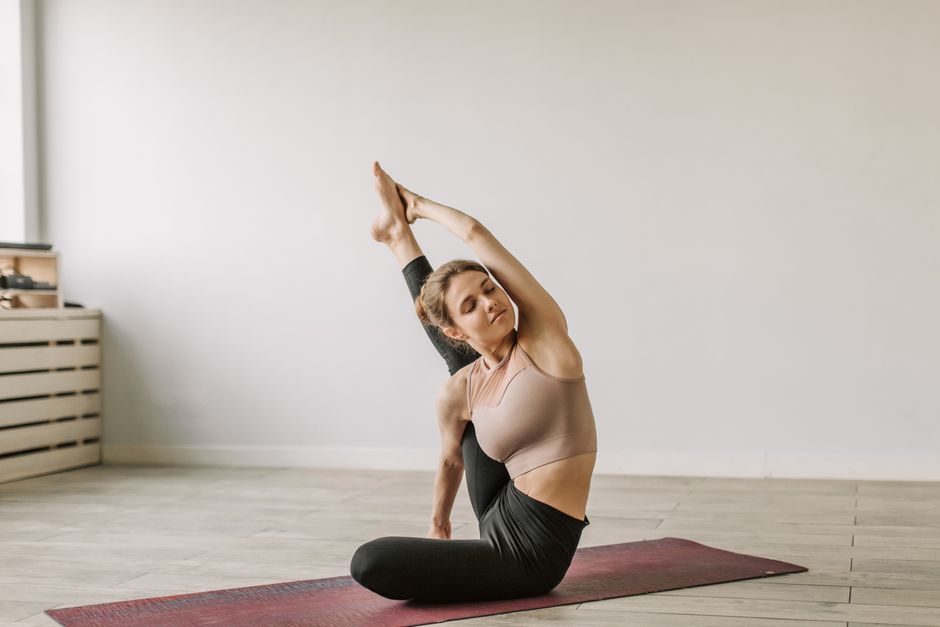
Your Yin yoga studio is no different. In a practice centered on stillness and introspection, your clients are giving you a constant stream of feedback—most of it completely non-verbal. They’re unlikely to interrupt the sacred quiet to tell you the music is distracting or they feel self-conscious about grabbing a third bolster. But these small details are precisely what define their experience and determine whether they become a loyal regular or a one-time visitor. Let’s tune into what they’re not saying.
The Soundscape is Louder Than You Think
The silence in a Yin class is a container. What you fill it with matters immensely. To you, the gentle hum of the HVAC system might be background noise. To a client in a deep hip-opener, it can sound like a jet engine. They’ll never complain, but that subtle, persistent noise can prevent them from fully surrendering to the pose.
Actionable Advice:
- Audit Your Audio: Before your next class, lie on a mat in the quietest part of your studio for ten minutes. What do you really hear? The buzz of a fluorescent light? Traffic from the street? A muffled conversation from the reception area? Identify these sound leaks and address them with sound-dampening panels, thicker curtains, or a simple door sweep.
- Curate Your Playlist Meticulously: If you use music, ensure it’s seamless. A sudden change in tempo, the appearance of vocals, or—worst of all—an ad from a free streaming service can be incredibly jarring. Invest in a premium subscription. Create playlists that maintain a consistent, ambient, and unobtrusive tone throughout the entire class.
- Embrace White Noise: A dedicated white noise machine can be a powerful tool to mask unavoidable external sounds, creating a consistent and soothing auditory cocoon for your students.
Prop Anxiety is Real (and It’s Killing the Vibe)
To us, props are tools of comfort and support. To a new or infrequent student, they can be a source of anxiety. "Am I using this right? Is everyone else using a block? I feel silly grabbing another blanket." This internal chatter is the enemy of the quiet mind we’re trying to cultivate. Your clients want to feel supported, not singled out or confused.
Actionable Advice:
- Set Up Prop Stations: Before class begins, consider setting up a standard "kit" for each mat: two blocks, a bolster, and a blanket. This normalizes prop use from the very beginning. It sends the message, "These are part of the practice, not an add-on for people who need 'help'."
- Demo Multiple Options: When introducing a pose, demonstrate it with and without props, and even with different prop configurations. Say things like, "If you want to go deeper, the block can go here. If you're feeling tight today, a bolster under the knees might feel amazing." This gives them permission to choose what their body needs without judgment.
- Offer, Don't Correct: Instead of walking over and wordlessly adjusting a prop, approach quietly and ask, "Would a block under your hip feel more supportive here?" This empowers them and turns the interaction into a collaborative moment of care, not a correction.
Your Cues Land Differently in Every Body
The goal of Yin is not to achieve a perfect, Instagrammable shape. It's to find a therapeutic edge and marinate in the sensation. Yet, our teaching language can sometimes default to prescriptive commands that create pressure. A client with tight shoulders who is told to "get your arms straight" in a pose might feel like they're failing, when in reality, their body is telling them exactly where it needs to be.
Actionable Advice:
- Use Invitational Language: Swap commands for invitations. Instead of "Put your foot here," try "You might invite your foot to rest here." Instead of "You should feel a stretch in your hamstring," try "Notice what sensations arise, perhaps in the back of your leg." This language honors their unique anatomy and experience.
- Focus on Sensation, Not Alignment: While basic safety cues are vital, the bulk of your guidance should be focused on the internal experience. Ask questions like, "Where do you feel the pull?" or "Can you soften around that sensation?" This shifts the student's focus from what the pose looks like to what it feels like.
- Give Permission for Stillness: Remind them frequently that it’s okay to not move. It’s okay to back off. It’s okay if their pose looks nothing like their neighbor's. This explicit permission is a gift that allows them to truly listen to their own body.
They Get Cold, Distracted, and Notice the Details
In a dynamic Vinyasa class, the body generates heat. In Yin, as the body settles into stillness for minutes at a time, it cools down—fast. A student who is physically cold cannot relax. Likewise, the environment you create, from the lighting to the scent, has a massive impact on their ability to stay present.
Actionable Advice:
- Make Blankets Abundant and Obvious: Don't just have them in a cupboard. Have a neat stack easily accessible in the room. At the start of class, actively encourage everyone to take one, "even if you don't think you'll need it."
- Control the Light and Temperature: Dim the lights as class begins. If you can, lower the temperature slightly before a more active class, but keep it neutral or even slightly warm for Yin. A comfortable student is a relaxed student.
- Be Mindful of Scent: While a gentle scent can be lovely, strong incense or essential oil blends can be overwhelming or even trigger allergies for some. Opt for very subtle, clean scents, or simply ensure the room is well-ventilated and scent-free. The goal is a neutral, calming palette for the senses.
Mastering the Subtle Art of Care
Just like in my barbershop, building a thriving wellness business is about more than just technical skill. It's about anticipation, observation, and mastering the subtle art of making people feel deeply cared for. Your Yin yoga clients may never tell you that the music was perfect or that having a pre-set prop station eased their anxiety, but they’ll show you by coming back, week after week.
When you handle the small stuff, you create the space for them to have a profound experience. And in our line of work, that experience is everything. Streamlining your business with a tool like REZVA helps manage your schedule and client communications, giving you the mental bandwidth to focus on these crucial, unspoken details that truly set your classes apart.
Frequently Asked Questions
How can I get honest feedback from quiet clients without making them uncomfortable?
Observation is your best tool. Watch for fidgeting, hesitation, or facial expressions. For more direct feedback, consider a small, anonymous suggestion box at the front desk or sending an occasional, simple digital survey. Framing it as "How can I make this space even more relaxing for you?" makes it feel collaborative, not critical.
What's the biggest mistake instructors make with music in a Yin class?
The most common mistake is choosing music that is too dynamic or emotionally charged. Music with a strong melody, changing rhythms, or lyrics can pull students out of their internal experience. The goal is an ambient soundscape that supports, rather than directs, their journey. Always use a paid streaming service to avoid jarring ad interruptions.
Is it better to demonstrate poses or just use verbal cues in Yin?
A hybrid approach works best. Offer a brief, clear demonstration of the pose and its variations at the beginning. This helps visual learners get situated. Once students have settled in, step away from the front and move quietly around the room, offering soft, verbal cues. This allows them to go inward without feeling like they are being watched or compared to the instructor's "perfect" form.
This article was produced with AI assistance and reviewed by REZVA.
- Yin Yoga Instruction
- Yoga Client Retention
- Wellness Studio Experience
- Creating a Restorative Space
- Holistic Business Practices
- Yoga Teaching Techniques
- Enhancing Client Comfort
Take bookings for yoga online.
Clients book themselves from your profile and a deposit covers the no-shows. Free to start, no card. Founding members get Pro free for 12 months, then their price is locked.
98
spots left of 100
12
months of Pro, free
0%
commission on bookings